
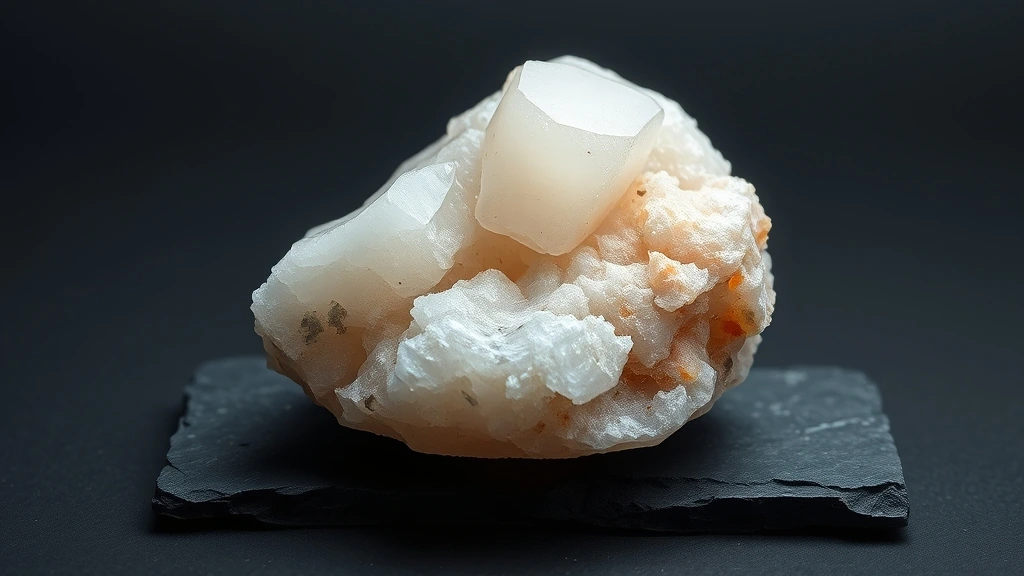
Himalayan salt stone is classified as a Natural Mineral within the broader category of crystalline solids. It forms through the evaporation of ancient marine basins, creating distinct geological layers. This parent mineral group defines its structural integrity and origin. The stone’s formation process dictates its unique physical properties. Understanding this classification is essential for accurate gemological identification.
What is Himalayan Salt Stone Gemstone? Geological Overview & Definition
Himalayan salt originates from the Salt Range in Pakistan, formed during the Cretaceous period. These deposits were created by the evaporation of a prehistoric sea, trapping minerals in sedimentary layers. The geological age ensures high purity and distinct mineral inclusions. This ancient origin contributes to its geological significance.
The stone is defined by its sedimentary origin and specific mineral composition. It is not a metamorphic or igneous rock, but a precipitated mineral deposit. Its structure remains largely intact from its initial formation. This stability allows for consistent physical characteristics in cut specimens.
Himalayan Salt Stone Gemstone Chemical Composition & Crystallographic Properties
While often described as crystalline, the commercial form of Himalayan salt is best categorized as Amorphous / Cryptocrystalline in its processed state. This classification reflects the microscopic grain structure rather than large, visible crystals. The material lacks a single, continuous lattice over macroscopic scales. Instead, it consists of numerous tiny, interlocking halite grains.
The fundamental chemical unit is the halite lattice, where sodium and chloride ions alternate in a cubic arrangement. However, trace elements like iron cause cation substitution, altering the local electronic environment. These impurities are responsible for the stone’s characteristic coloration. The lattice remains stable under normal atmospheric conditions.
The pink to red hues arise from chromophore color centers, primarily involving iron ions. These defects in the crystal structure absorb specific wavelengths of light. The intensity of color correlates with the concentration of these iron impurities. No other major chromophores are typically present in significant quantities.
Himalayan salt is highly sensitive to acidic environments, which can dissolve the halite structure. Thermal behavior shows low thermal conductivity, making it warm to the touch. It does not undergo phase transitions at standard temperatures. This stability is crucial for its use in decorative applications.
| Property | Specification |
|---|---|
| Mineral Group | Natural Mineral / Crystal |
| Chemical Formula | NaCl (Halite) |
| Mohs Hardness | 2.0 – 2.5 |
| Crystal System | Isometric |
| Specific Gravity (Density) | 2.16 – 2.17 |
| Refractive Index | 1.544 |
| Color & Optical Properties | Natural Himalayan Salt Stone Gemstone color spectrum and optical dispersion |
| Primary Mining Localities | Global primary localities |
| Water & Chemical Resistance | High (Safe for gentle water washing) |
| Chakra Alignment (Traditional) | Root Chakra, Sacral Chakra |
| Zodiac Affinity (Traditional) | Taurus, Virgo, Capricorn |
| Symbolic Meaning (Traditional) | Grounding, purification, and emotional stability |
Himalayan Salt Stone Gemstone Varieties & Color Spectrum
Himalayan salt exhibits a diverse palette driven by trace mineral impurities within the halite crystal lattice. The most commercially recognized form is the classic pink variety, which dominates global trade. Its hue ranges from pale blush to deep rose, depending on iron oxide concentration.
Classic Pink Himalayan Salt
This variety derives its signature color from iron oxide inclusions dispersed throughout the halite structure. Formed in the ancient Paratethys Sea, it represents the most abundant commercial grade. The stone typically displays a translucent to semi-translucent quality with subtle internal striations.
Deep Red Himalayan Salt
Rare and highly valued, this morph features intense crimson tones caused by higher ferrous iron concentrations. It often appears opaque with a dense, granular texture that resists light penetration. Geologically, these deposits form in specific zones of the Khewra mine where oxidation was more pronounced.
Orange and Amber Varieties
These stones showcase warm, sun-kissed hues resulting from manganese and iron sulfide interactions. The coloration often appears in layered bands, reflecting distinct periods of evaporation and deposition. Collectors prize these specimens for their vibrant, fiery appearance against the standard pink background.
White and Translucent Grades
Often termed “pure” halite, this variety lacks significant iron impurities, resulting in a high-transparency crystal structure. It is rarer in the trade because it offers less visual character than colored stones. However, it is preferred for certain culinary and therapeutic applications due to its chemical purity.
Black and Grey Morphs
These dark varieties contain elevated levels of carbonaceous matter and heavy metals within the crystal matrix. They are extremely rare and often mistaken for other minerals like obsidian or onyx. Their dense, opaque nature makes them suitable for heavy sculptural work rather than gem cutting.
Where is Himalayan Salt Stone Gemstone Found? Geological Mining & Extraction
The primary source is the Khewra Salt Mine in Punjab, Pakistan, situated within the Salt Range mountains. This deposit formed approximately 250 million years ago from the evaporation of a prehistoric sea. The mine extends deep underground, revealing massive halite formations interbedded with anhydrite and gypsum layers.
Extraction occurs through traditional room-and-pillar mining methods that preserve the structural integrity of the salt blocks. Workers carefully carve large slabs from the walls, which are then transported to surface processing facilities. While minor deposits exist in other regions, the Khewra mine remains the definitive global source for authentic Himalayan salt.
Historical Significance & Cultural Lore of Himalayan Salt Stone Gemstone
Ancient civilizations revered salt as a sacred substance, using it for ritual purification and preservation long before its culinary dominance. Archaeological evidence indicates that salt trade routes, known as “salt roads,” were as vital as gold routes in the ancient world. In the region, salt was often buried with the dead to ensure safe passage to the afterlife.
Local folklore attributes healing and grounding properties to the pink crystals, linking them to emotional stability and spiritual balance. These beliefs persist in modern wellness practices, where the stone is used for meditation and chakra alignment. The cultural legacy of Himalayan salt continues to influence its status as a prized mineral.
Modern Uses & Jewelry Applications of Himalayan Salt Stone Gemstone
Himalayan pink salt is most often cut as a cabochon to showcase its soft, translucent glow, though skilled lapidaries also produce modest facets for contemporary settings. The stone’s gentle hue makes it popular in pendant trays, earrings, and beaded bracelets that emphasize natural wellness aesthetics. In addition, artisans carve ornamental lamps, candle holders, and decorative tiles, capitalizing on the stone’s innate thermal conductivity for soothing ambient warmth.
- Cabochon pendants and lock‑sets for everyday wear
- Simple brilliant or step‑cut facets for minimalist rings
- Carved lamp bases, candle holders, and decorative tiles
- Beaded necklaces and stretch‑bracelets for wellness‑focused fashion
Metaphysical Properties & Traditional Meaning of Himalayan Salt Stone Gemstone
According to historical traditions and metaphysical lore, Himalayan Salt Stone is revered for its grounding energy, which is said to anchor the wearer to the Earth’s stabilizing forces. Practitioners believe the stone promotes purification of negative emotions, fostering emotional stability and a calm, centered mindset. Its soft pink coloration is interpreted as a visual echo of the heart’s compassionate rhythm, encouraging gentle self‑acceptance.
Which Chakra and Zodiac Signs Align with Himalayan Salt Stone Gemstone?
The stone resonates most strongly with the Root Chakra, the energetic center governing survival, security, and physical vitality. By stimulating this chakra, the stone is thought to enhance feelings of safety and rootedness, especially during times of stress or transition.
In astrological tradition, the gemstone is aligned with the earth‑signs Taurus, Virgo, and Capricorn, each of which values practicality, perseverance, and material stability. These signs are believed to benefit from the stone’s ability to reinforce determination while soothing emotional turbulence, creating a harmonious link between celestial influence and personal grounding.
How to Identify Real vs. Fake Himalayan Salt Stone Gemstone
Artificial imitations of Himalayan Salt Stone include colored glass, polymer resin, and dyed mineral substitutes that mimic its pink hue but lack the stone’s characteristic softness and thermal response. Synthetic glass often displays a uniform clarity and a higher Mohs hardness, while dyed replicas may exhibit uneven coloration under close inspection. Recognizing these differences helps collectors avoid costly misidentifications.
Practical At-Home Authenticity Tests
- Temperature Test (Thermal Feel): Genuine salt feels cool to the touch initially and slowly warms in the hand; glass or plastic remains at ambient temperature and changes temperature more rapidly.
- Specific Gravity & Weight Test: Real Himalayan salt is relatively light (specific gravity ~2.2); a heavier feel suggests glass or synthetic stone, which typically has a higher density.
- Scratch & Hardness Test (Mohs Comparison): The stone rates about 2–2.5 on the Mohs scale; a steel nail will leave a visible scratch, whereas glass (hardness ~5.5) resists it.
- Microscopic & Loupe Inspection (Internal Inclusions): Under 10× magnification, natural salt shows fine, uneven crystal grains and occasional micro‑fractures; synthetic glass appears uniformly smooth with no natural inclusions.
Himalayan Salt Stone Gemstone Valuation Factors, Grading & Pricing
The primary driver of value is Color Saturation, specifically the depth of the pink to red hues. Collectors prize stones with uniform tone and minimal color zoning. High optical clarity and a distinct vitreous luster further enhance the gem’s visual appeal.
Carat Weight significantly impacts pricing, as larger, unfractured specimens are increasingly rare in the market. Facet symmetry is critical for polished pieces, ensuring light reflects evenly across the surface. The presence of matrix inclusions or internal fractures will generally reduce the overall grade.
Geographical Provenance Premium applies strictly to stones mined from the Khewra Salt Mine in Pakistan. This origin guarantees the authentic mineral composition and historical significance. Wholesale prices remain stable, but retail values fluctuate based on current wellness trends.
How to Clean and Care for Himalayan Salt Stone Gemstone
Due to the mineral’s hygroscopic nature, you must use warm soapy water and a soft cloth for cleaning. Gently wipe the surface to remove dust and oils without applying excessive pressure. Always dry the stone immediately with a lint-free towel to prevent water spots.
You must strictly avoid ultrasonic cleaners as they can cause structural fractures in the salt lattice. The vibrations are too intense for this relatively soft mineral, which has a Mohs hardness of 2.5. Hand washing is the only safe method to maintain its integrity and luster.
Cleansing and Recharging Himalayan Salt Stone Gemstone (Energetic Care)
For energetic maintenance, utilize smoke smudging with sage or palo santo to clear negative energy. Hold the stone in the smoke for a few seconds without direct flame contact. This dry method respects the mineral’s solubility while addressing esoteric cleansing needs.
Alternatively, place the gem on a selenite plate under moonlight for several hours. Selenite is a compatible crystal that supports purification without introducing moisture. Ensure the stone is completely dry before storing it in a soft pouch.
Frequently Asked Questions About Himalayan Salt Stone Gemstone
Is Himalayan salt stone safe to wear in the shower or rain?
Yes, it tolerates gentle water exposure. The mineral’s halite composition allows safe rinsing with lukewarm water, but prolonged soaking or hot water can accelerate surface erosion. After washing, pat the stone dry with a soft cloth to maintain its natural luster and structural integrity.
Can I clean Himalayan salt stone with an ultrasonic cleaner?
No, ultrasonic cleaning is not recommended. The crystal lattice of halite is prone to micro‑fractures under high‑frequency vibrations. Instead, use warm soapy water and a soft, lint‑free cloth, gently wiping the surface to remove oils and residues without compromising the stone’s durability.
Which zodiac signs are most compatible with Himalayan salt stone?
Taurus, Virgo, and Capricorn are the aligned signs. These earth‑signs benefit from the stone’s grounding energy, which reinforces their natural practicality and stability. Wearing the stone may enhance focus and perseverance, echoing the earth element that defines these zodiac personalities.
Which chakras does Himalayan salt stone activate?
It resonates with the Root and Sacral Chakras. By stimulating the Muladhara (Root) and Svadhisthana (Sacral) centers, the stone supports physical grounding and emotional flow. Practitioners often use it during meditation to foster a sense of safety and creative vitality.
Does Himalayan salt stone improve emotional stability?
Yes, it is reputed to promote emotional balance. The stone’s ionic composition releases trace minerals that can have a calming effect on the nervous system, helping to alleviate anxiety and mood swings. Regular contact is said to encourage grounded emotional resilience.
How does Himalayan salt stone differ from quartz in durability?
Himalayan salt is softer and more porous than quartz. With a Mohs hardness of 2–2.5, it scratches more easily and can absorb moisture, whereas quartz rates 7 on the scale and is virtually water‑impermeable. Consequently, salt stone requires gentler handling and storage.
Can Himalayan salt stone be used in jewelry that receives daily wear?
It is suitable for occasional wear but not for heavy daily use. The stone’s low hardness makes it vulnerable to scratches from hard surfaces and chemicals in sweat. If incorporated into jewelry, choose settings that protect the stone and limit exposure to abrasive activities.
What is the best way to store Himalayan salt stone when not in use?
Store it in a cool, dry environment away from direct sunlight. Moisture and heat can accelerate deliquescence, causing the stone to develop surface crusts or dissolve slightly. Placing the stone in a breathable fabric pouch helps maintain its natural appearance and structural stability.