
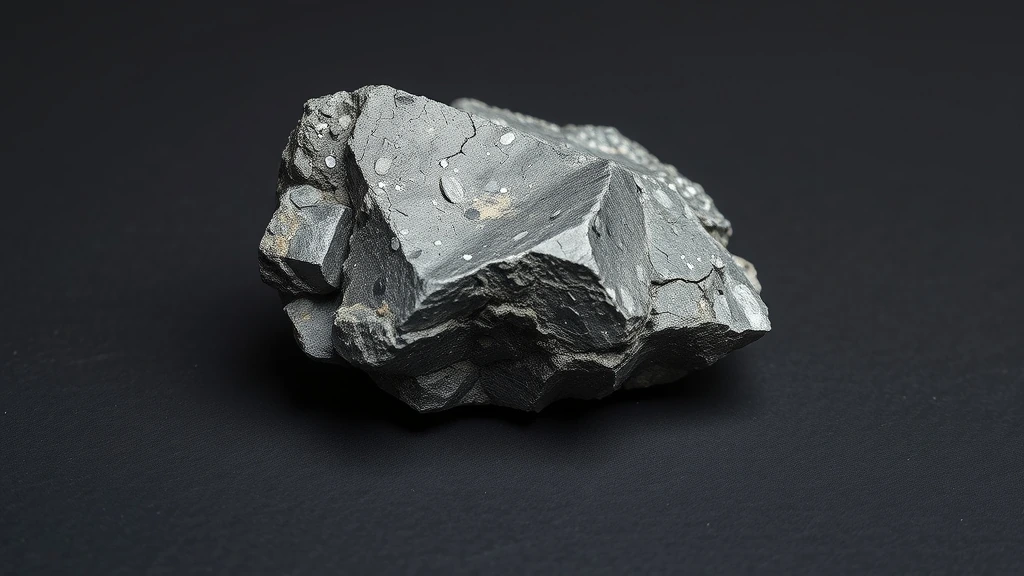
Gibeon originates from a massive iron meteorite that fell in Namibia’s Gibeon region over 4 billion years ago. Classified as a Natural Mineral / Crystal, it belongs to the broader group of meteoritic iron rather than terrestrial ore deposits. Its structure is amorphous / cryptocrystalline, meaning the metal grains are too fine to resolve with the naked eye, yet they form a coherent solid. This unique genesis gives the stone its characteristic Widmanstätten patterns, visible when polished or etched.
What is Gibeon Meteorite Gemstone? Geological Overview & Definition
Gibeon is a meteoritic iron gemstone harvested from the Gibeon meteorite, one of the world’s most studied iron meteorites. The stone’s surface exhibits intersecting bands of kamacite and taenite that create the famed Widmanstätten lattice, a hallmark of slow cooling in space.
Because it is not derived from Earth’s crust, Gibeon is categorized under the parent mineral group “Natural Mineral / Crystal,” distinguishing it from synthetic or terrestrial gemstones. Its formation involved the accretion of metallic droplets in the early solar nebula, followed by billions of years of cooling that produced the cryptocrystalline texture observed today.
Gibeon Meteorite Gemstone Chemical Composition & Crystallographic Properties
The alloy consists of roughly 90 % iron, 7–9 % nickel, with trace amounts of cobalt, phosphorus, and carbon. These cation substitutions modify the magnetic and optical properties, creating the vivid color play that collectors prize. The material lacks a long‑range ordered lattice, confirming its amorphous / cryptocrystalline nature.
Despite being metallic, Gibeon reacts mildly to strong acids, especially when surface oxides are present; dilute hydrochloric acid can etch the metal, revealing the underlying Widmanstätten pattern. The chromophore color centers arise from nickel‑rich taenite regions that absorb specific wavelengths, producing blues, greens, and purples under reflected light.
Thermally, the gemstone remains stable up to about 400 °C, beyond which phase transformations can convert kamacite to martensite, altering its appearance. Rapid heating can also cause micro‑cracking due to differential expansion between the iron‑rich and nickel‑rich phases. Proper annealing restores the original pattern, underscoring the importance of controlled temperature management in gemstone processing.
| Property | Specification |
|---|---|
| Mineral Group | Natural Mineral / Crystal |
| Chemical Formula | Iron-nickel alloy (Fe-Ni), typically⁸⁵⁻95% Fe and⁵⁻15% Ni, with minor Co, Ga, P |
| Mohs Hardness | 4.5 – 5.5 |
| Crystal System | Cubic (Isometric) |
| Specific Gravity (Density) | 7.5 – 8.0 |
| Refractive Index | Metallic (non-optical) |
| Color & Optical Properties | Natural Gibeon Meteorite Gemstone color spectrum and optical dispersion |
| Primary Mining Localities | Global primary localities |
| Water & Chemical Resistance | High (Safe for gentle water washing) |
| Chakra Alignment (Traditional) | Root Chakra, Crown Chakra |
| Zodiac Affinity (Traditional) | Virgo, Capricorn |
| Symbolic Meaning (Traditional) | Cosmic connection, grounding, and ancient wisdom |
Gibeon Meteorite Gemstone Varieties & Color Spectrum
The Gibeon meteorite is a classic iron meteorite classified under the IIIAB group. Its primary aesthetic appeal stems from the intricate Widmanstätten patterns revealed after acid etching. These geometric structures are not surface treatments but intrinsic crystalline formations.
Classic Etched Iron
This variety displays the iconic Widmanstätten pattern of interlocking kamacite and taenite crystals. The contrast between the light and dark bands creates a mesmerizing, web-like visual texture. This form is the most widely recognized and traded in the gem market.
Polished Steel Finish
Here, the surface is mechanically polished to a high luster without acid etching. The result is a smooth, mirror-like metallic sheen that reflects light dynamically. This variety appeals to those preferring a modern, industrial aesthetic over intricate patterns.
Nodule-Included Iron
Some specimens contain distinct troilite nodules or schreibersite inclusions within the iron matrix. These secondary minerals appear as darker, irregular spots or veins in the metal. Their presence adds geological complexity and visual interest to the piece.
Large Slab Cuts
These are thick, unpolished sections that preserve the raw, rugged exterior of the meteorite. The surface retains its original regmaglypts and fusion crust remnants. This variety is prized for its authentic, pre-terrestrial appearance and substantial weight.
Thin Slice Jewelry
Crafted from thin, laser-cut slices, this variety allows for translucent light play through the metal. The delicate nature of these pieces highlights the fine details of the crystalline structure. They are popular for pendants and earrings due to their lightweight design.
Where is Gibeon Meteorite Gemstone Found? Geological Mining & Extraction
The Gibeon meteorite originates from a specific impact site in the Namib Desert of Namibia. It is not mined from traditional ore deposits but recovered from surface scatter fields. The meteorite fragmented upon atmospheric entry, creating a strewn field of fragments.
Extraction involves careful field recovery rather than deep drilling or blasting. Collectors and researchers identify fragments by their distinctive metallic luster and weight. Each piece is documented to preserve its provenance and geological integrity.
Historical Significance & Cultural Lore of Gibeon Meteorite Gemstone
Ancient cultures revered meteoritic iron as divine metal due to its extraterrestrial origin. The Gibeon site has been known to locals for centuries, with fragments incorporated into tools and ornaments. This material was highly valued for its hardness and unique appearance.
Archaeological evidence suggests that meteoritic iron was used in ceremonial objects long before smelting technology advanced. The Gibeon meteorite remains a symbol of cosmic connection and ancient wisdom. Its enduring legacy bridges geology, history, and spiritual tradition.
Modern Uses & Jewelry Applications of Gibeon Meteorite Gemstone
Lapidaries typically slice Gibeon meteorite into thin sections to reveal its distinctive Widmanstätten patterns, which are then polished to a high luster. These unique geometric structures make the material ideal for cabochon settings, where the natural etched surface serves as the primary visual feature. Faceting is rarely applied due to the brittle nature of the iron-nickel matrix, which can shatter under pressure.
- Pendants and Rings: Thin slices are often set in silver or gold bezels to protect the edges while showcasing the pattern.
- Ornamental Carvings: Skilled artisans carve small figurines or decorative inlays, relying on the material’s density and durability.
- Watch Faces: The metallic sheen and unique patterning make it a popular choice for high-end watch dials.
Metaphysical Uses & Origins of Gibeon Meteorite
According to historical traditions and metaphysical lore, this extraterrestrial stone is revered for its cosmic connection and ability to bridge the earthly and divine realms. Practitioners believe it facilitates ancient wisdom, allowing the holder to access higher states of consciousness and spiritual insight. The stone is often associated with profound grounding, helping individuals feel stable and anchored during times of significant life change.
The emotional resonance of Gibeon meteorite is described as calming yet energizing, promoting a sense of timeless perspective. It is said to enhance intuition and clarity, making it a favored tool for meditation and deep introspection. By connecting the user to the vastness of the universe, it encourages a holistic view of personal growth and spiritual evolution.
Which Chakra and Zodiac Signs Align with Gibeon Meteorite Gemstone?
In metaphysical practice, Gibeon meteorite is primarily aligned with the Root Chakra, which governs stability, security, and physical survival. This alignment stems from the stone’s dense, terrestrial composition, which is believed to anchor the user’s energy to the earth. By strengthening the Root Chakra, the stone helps dispel fear and uncertainty, fostering a deep sense of safety and presence in the physical world.
Simultaneously, the meteorite resonates strongly with the Crown Chakra, the center of spiritual connection and higher consciousness. This dual alignment creates a powerful energetic bridge between the grounded body and the expansive mind. For Virgo and Capricorn, these zodiac signs, the stone amplifies their innate traits of diligence and ambition, while simultaneously opening channels for spiritual wisdom and cosmic awareness.
How to Identify Real vs. Fake Gibeon Meteorite Gemstone
The market for meteorite jewelry is unfortunately saturated with artificial imitations, including synthetic glass and dyed replicas designed to mimic the Widmanstätten patterns. These fakes often use resin or metal powders to create a similar visual effect, but they lack the genuine crystalline structure of natural iron-nickel alloys. Distinguishing authentic specimens from these counterfeits requires careful examination of physical properties and internal details.
Practical At-Home Authenticity Tests
- Temperature Test (Thermal Feel): Genuine meteorites, being metallic, feel noticeably cooler to the touch than glass or resin imitations when held in the hand. This high thermal conductivity is a reliable indicator of metallic composition.
- Specific Gravity & Weight Test: Real Gibeon meteorite is significantly heavier than glass or plastic of the same size. If the piece feels surprisingly light, it is likely a synthetic imitation or a hollow casting.
- Scratch & Hardness Test (Mohs Comparison): The iron-nickel matrix has a Mohs hardness of approximately 4.5 to 5. It will not scratch glass (hardness 5.5) easily, but it is harder than copper. Be cautious, as aggressive testing can damage the surface.
- Microscopic & Loupe Inspection (Internal Inclusions): Under a 10x loupe, authentic pieces display a continuous, interlocking Widmanstätten pattern that flows seamlessly across the surface. Fakes often show trapped air bubbles, uneven dye distribution, or a repetitive, printed-like pattern that lacks natural depth.
Gibeon Meteorite Gemstone Valuation Factors, Grading & Pricing
Market value is primarily driven by Color Saturation and the uniformity of the metallic tone across the specimen. High-grade pieces exhibit a consistent, deep grey hue without erratic light reflections. The optical clarity and natural luster of the Widmanstätten pattern significantly enhance its visual appeal and desirability among collectors.
Precise Carat Weight and facet symmetry are critical for determining the structural integrity of cut specimens. The presence of distinct matrix inclusions or pure iron-nickel composition affects the final grading. Larger, well-proportioned pieces with minimal chipping command higher premiums due to the rarity of intact material.
Geographical Provenance Premium plays a decisive role, with authentic Namibian finds fetching top-tier prices. Wholesale rates fluctuate based on global supply, while retail values reflect artisanal craftsmanship. Investors should monitor auction records to track current market value trends for certified meteorite fragments.
How to Clean and Care for Gibeon Meteorite Gemstone
Maintain the integrity of this delicate iron-nickel alloy by using warm soapy water and a soft, lint-free cloth. Gently wipe the surface to remove dust and oils without applying excessive pressure. This method preserves the natural metallic luster while preventing unnecessary wear on the intricate crystalline structure.
It is strictly imperative to avoid ultrasonic cleaners as the vibrations can cause structural fractures. The internal matrix of the meteorite is susceptible to stress-induced cracking under high-frequency sound waves. Always air-dry the piece thoroughly after cleaning to prevent potential oxidation spots on the exposed metal surfaces.
Cleansing and Recharging Gibeon Meteorite Gemstone (Energetic Care)
For energetic maintenance, utilize dry methods that respect the mineral’s physical stability and solubility profile. Smoke smudging with sage or palo santo is an effective way to clear stagnant energy without moisture exposure. This ritual honors the stone’s cosmic origins while keeping the metallic surface completely dry and protected.
Place the gemstone on a selenite plate under full moonlight to facilitate gentle recharging. This passive method allows the stone to absorb lunar energy without any physical contact or chemical interaction. Ensure the environment is stable to prevent accidental drops or environmental temperature shocks during the overnight process.
Frequently Asked Questions About Gibeon Meteorite Gemstone
What is the composition of Gibeon meteorite gemstone?
It is primarily an iron‑nickel alloy known as kamacite with trace kamacite‑rich Widmanstätten patterns. This metallic matrix gives the stone its characteristic silvery‑gray luster and high density, distinguishing it from silicate gemstones and making it a true meteoritic specimen.
Is Gibeon meteorite safe to wear in water or rain?
Yes, it has high water resistance and can be gently washed with water. For routine cleaning, use warm soapy water and a soft cloth; the alloy tolerates moisture but should be dried promptly to avoid surface spotting from mineral residues.
Can I clean Gibeon meteorite with an ultrasonic cleaner?
No, ultrasonic cleaning is not recommended for this gemstone. The vigorous vibrations can induce micro‑fractures in the delicate Widmanstätten pattern, so stick to manual cleaning with warm soapy water and a soft, lint‑free cloth.
How should I store Gibeon meteorite to prevent damage?
Store it in a padded, non‑metallic pouch or a soft‑lined jewelry box. Keeping the piece away from hard surfaces and magnetic fields protects the crystalline metal structure and preserves its unique surface etchings.
Which zodiac signs are associated with Gibeon meteorite?
Virgo and Capricorn are the aligned zodiac signs. These earth‑sign energies are thought to complement the stone’s grounding properties, resonating with the cosmic origin of the meteorite.
Which chakras does Gibeon meteorite balance?
It is linked to the Root Chakra and the Crown Chakra. This dual alignment is said to anchor the wearer while also facilitating a subtle cosmic connection, bridging earthly stability with higher spiritual awareness.
Does Gibeon meteorite have any special metaphysical properties?
It is believed to promote grounding, ancient wisdom, and a sense of cosmic belonging. Practitioners claim the stone’s extraterrestrial origin helps users feel connected to the universe, enhancing intuition and providing a stabilizing influence during meditation.
How can I tell if a Gibeon meteorite is authentic?
Authentic pieces display distinctive Widmanstätten patterns visible under magnification. In addition, a genuine Gibeon will have a measured density around 7.8 g/cm³ and a magnetic response, both of which are reliable diagnostic criteria for this meteorite gemstone.