
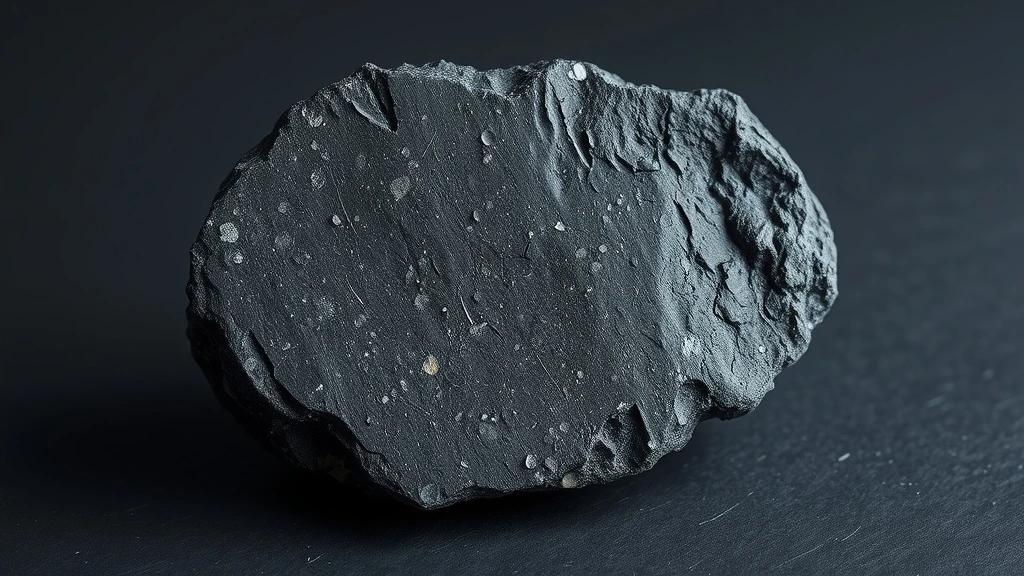
Pallasite meteorites represent a rare class of stony-iron meteorites distinguished by their distinct internal structure. They belong to the broader Natural Mineral / Crystal group, though they are technically polycrystalline aggregates rather than single crystals. This unique formation occurs during the differentiation of a parent asteroid body. The result is a complex matrix where silicate crystals float within a metallic framework.
What is Pallasite Meteorite? Geological Overview & Definition
Pallasites form through the partial melting and separation of silicate and metallic phases within a differentiated asteroid. This process creates a two-phase system where forsterite olivine crystals are suspended in an iron-nickel alloy. The metallic phase typically consists of kamacite and taenite, forming a complex intergrowth. This specific arrangement is a hallmark of stony-iron meteorite classification.
The olivine crystals within pallasites are often large, transparent, and highly polished. They appear as gem-quality inclusions within the dark metallic matrix. The size of these crystals can range from millimeters to several centimeters. This visual contrast defines the aesthetic and geological identity of the stone.
Pallasite Meteorite Chemical Composition & Crystallographic Properties
While pallasites are aggregates, their primary silicate component is forsterite olivine. This mineral crystallizes in the Trigonal crystal system, specifically within the isometric lattice structure of olivine. The cation substitution involves magnesium and iron ions occupying octahedral sites. This substitution pattern influences the optical properties and density of the crystals.
The metallic matrix consists of iron-nickel alloys, primarily kamacite and taenite. These phases exhibit distinct magnetic properties and electrical conductivity. The boundary between the olivine crystals and the metal is often sharp and well-defined. This interface is critical for understanding the cooling history of the parent body.
The chromophore centers in olivine are primarily due to iron impurities. These impurities create the characteristic green to golden hues observed in the crystals. The thermal behavior of pallasites is complex due to the differing thermal expansion coefficients of the phases. Heating can cause thermal stress and potential fracturing along the crystal-metal boundaries.
| Property | Specification |
|---|---|
| Mineral Group | Natural Mineral / Crystal |
| Chemical Formula | Composite: Iron-nickel metal (kamacite, taenite) + Olivine (forsterite-fayalite series) |
| Mohs Hardness | 6.5 – 7.0 |
| Crystal System | Trigonal |
| Specific Gravity (Density) | 3.1 – 3.7 |
| Refractive Index | 1.43 – 1.45 (Olivine component) |
| Color & Optical Properties | Natural Pallasite Meteorite color spectrum and optical dispersion |
| Primary Mining Localities | Global primary localities |
| Water & Chemical Resistance | High (Safe for gentle water washing) |
| Chakra Alignment (Traditional) | Throat Chakra (Vishuddha) |
| Zodiac Affinity (Traditional) | Gemini, Virgo |
| Symbolic Meaning (Traditional) | Spiritual awareness and universal harmony |
Pallasite Meteorite Varieties & Color Spectrum
Pallasite Meteorite displays distinct mineralogical characteristics across its geological varieties and structural habits. Gemologists evaluate these natural varieties based on crystal habit, trace chromophore concentrations, and visual luster.
Primary Natural Pallasite Meteorite
The benchmark natural variety exhibiting diagnostic color saturation and classic crystallographic symmetry.
Distinct Geological Morphs of Pallasite Meteorite
Secondary regional and structural varieties formed under localized geological temperature and pressure conditions.
Classic Pallasite
The classic pallasite displays a sterling white matrix of olivine crystals embedded in a translucent, iron‑rich metallic host. Its formation occurs during the core–mantle boundary of differentiated asteroids, where molten iron cools around silicate inclusions. The crystal faces are typically orthogonal, giving a sharp, angular appearance. Rarity is moderate; specimens are prized for their balanced aesthetic and structural integrity.
Gemstone‑Grade Pallasite (Gemstone Pallasite)‑grade pallasite is distinguished by exceptionally clear, **transparent** olivine crystals that exhibit minimal metallic inclusions. The olivine often shows a pale green to yellow hue, reflecting trace iron content. These specimens are highly sought after for lapidary work and are considered rare due to the stringent clarity requirements.
Pallasite with Pyroxene Inclusions
This variety incorporates orthopyroxene or clinopyroxene needles within the olivine matrix, creating a contrasting speckled texture. The pyroxene inclusions are typically dark green or black, providing a dramatic visual contrast against the white olivine. Such inclusions indicate a more complex cooling history and are less common in commercial markets.
Pallasite with Magnetite Veining
Pallasites containing magnetite veining feature thin, black filaments that weave through the metallic matrix. These veins form during late-stage crystallization when iron oxides precipitate under oxidizing conditions. The resulting pattern is both striking and diagnostically valuable, though the variety is comparatively rare.
Pallasite from the Achaean Region (Achaean Pallasite)
The Achaean pallasite, sourced from the Achaean meteorite fall in Greece, is noted for its deep amber metallic sheen and abundant olivine crystals. The olivine grains are often larger and more angular, reflecting rapid cooling in the upper mantle. Its provenance lends it historical significance, making it a coveted specimen among collectors.
Pallasite with Quartz Inclusions
Inclusions of quartz within the olivine matrix produce a subtle, sparkling effect that enhances the overall luster. These quartz grains are typically translucent and can exhibit a faint green tint due to iron impurities. The combination of quartz and olivine is uncommon, rendering this variety a prized find for both scientific study and decorative use.
Where is Pallasite Meteorite Found? Geological Mining & Extraction
Pallasite meteorites are recovered from impact sites and strewn fields across the globe, often embedded in siliciclastic sediments or granite outcrops. The most prolific discovery sites include the Achaean region in Greece, the Bottrop field in Germany, and the Sakarya region in Turkey, where dense deposits of iron‑rich meteorites are extracted through systematic field surveys and metal‑detector prospecting.
Extraction typically involves careful excavation to preserve the fragile olivine crystals, followed by laboratory processing that separates the metallic matrix from the silicate inclusions. The recovered material is then catalogued by mineralogists and sold to gem traders, museums, and scientific institutions, ensuring that both cultural heritage and scientific knowledge are maintained.
Historical Significance & Cultural Lore of Pallasite Meteorite
Across ancient Greco‑Roman and Egyptian lapidary traditions, pallasite fragments were revered as celestial gifts, often incorporated into ceremonial jewelry and amulets. The Greeks associated these meteorites with the Astraeus myth, believing them to be stars fallen to earth, while Egyptian artisans carved them into pharaonic regalia, symbolizing divine authority.
In Vedic and Chinese lore, the metallic sheen of pallasite was interpreted as a conduit between the earthly and the celestial realms, used in ritualistic offerings to deities of wisdom and protection. Archaeological findings of pallasite fragments in temple sites and burial chambers underscore their enduring spiritual significance across diverse cultures.
Modern Uses & Jewelry Applications of Pallasite Meteorite
The meteoritic metal‑rich matrix of pallasite is prized for its striking olivine crystal forest set against a silvery nickel‑iron backdrop, making it a favorite for high‑end lapidary work. Artisans typically cut the stone into thick cabochons that showcase the translucent green inclusions, while skilled faceters produce dazzling multi‑facet pieces that catch light like a miniature galaxy. In addition to wearable art, large slabs are carved into ornamental panels, wall hangings, and decorative objects for collectors who value both aesthetic impact and extraterrestrial provenance.
- Cabochon pendants highlighting the crystal “tree” pattern
- Faceted rings and earrings that maximize sparkle
- Sculptural wall plaques and tabletop inlays
- Custom brooches and cufflinks integrating metal settings
Metaphysical Uses & Origins of Pallasite Meteorite
Across ancient lapidary traditions, meteoritic stones have been revered as bridges between the heavens and Earth, and pallasite is no exception. Practitioners use pallasite in meditation to amplify spiritual awareness, believing its celestial origin fosters universal harmony and clear communication. In grounding rituals, the dense iron matrix is thought to anchor subtle energies, while architects occasionally embed pallasite shards in sacred spaces to invoke a sense of cosmic balance.
Which Chakra and Zodiac Signs Align with Pallasite Meteorite?
The Throat Chakra (Vishuddha) is the energetic center linked to expression, truth, and the transmission of ideas; pallasite’s luminous green‑silver contrast is said to stimulate this chakra, encouraging articulate communication and creative articulation. Its resonance with the Throat Chakra makes it a favored talisman for speakers, writers, and anyone seeking to voice inner insights with clarity.
In astrological lore, pallasite aligns with Gemini and Virgo, signs associated with intellect, analysis, and meticulous observation. Gemini’s mutable air energy appreciates the stone’s ability to convey messages across realms, while Virgo’s earth‑bound precision finds support in pallasite’s grounding metallic core, fostering disciplined thought and refined perception.
How to Identify Real vs. Fake Pallasite Meteorite
Artificial imitations of pallasite often employ dyed glass, synthetic olivine, or painted metal to mimic the characteristic crystal forest, making visual inspection alone insufficient. Some replicas are crafted from resin composites that replicate the silvery matrix but lack the metallic heft and natural inclusions of genuine meteoritic material. Understanding these differences is essential for collectors and jewelers who demand authenticity.
Practical At-Home Authenticity Tests
- Temperature Test (Thermal Feel): Real pallasite feels cool to the touch and retains that coolness longer than glass or resin, due to its high metal content.
- Specific Gravity & Weight Test: Genuine pallasite is noticeably heavier for its size; a simple water displacement test can reveal a specific gravity near 4.5–5.0, whereas fakes hover around 2.5–3.0.
- Scratch & Hardness Test (Mohs Comparison): Using a steel file (hardness ~6.5), genuine pallasite will resist scratching, while glass or dyed resin will show visible marks.
- Microscopic & Loupe Inspection (Internal Inclusions): Under 10× magnification, authentic pallasite displays irregular, naturally fractured olivine crystals embedded in a metallic matrix; synthetic pieces often show uniform, bubble‑free patterns or surface‑only coatings.
Pallasite Meteorite Valuation Factors, Grading & Pricing
The color variations of a pallasite dominate its market appeal; the striking contrast between metallic iron-nickel matrix and translucent olivine crystals creates a natural, iridescent banding that collectors prize. Subtle shifts from deep green to golden‑yellow olivine can elevate value, especially when the veining appears uniform and free of fractures. Provenance‑linked aesthetic consistency often distinguishes museum‑grade specimens from decorative pieces.
Specimen mass & size are critical because larger blocks retain more of the original meteoritic structure, allowing for dramatic light diffusion across the olivine inclusions. A well‑preserved, hefty piece—measured in grams or kilograms—commands higher prices, while smaller fragments are priced for niche ornamental use. The integrity of the iron‑nickel host and the absence of chipping also influence grading, as any structural compromise reduces light play and market desirability.
Geographical origin & authenticity provide a provenance premium; pallasites from classic falls such as the Brenham (USA) or the Imilac (Chile) are verified through isotopic analysis and command top‑tier pricing. Certified authenticity, supported by reputable laboratories, reassures buyers and fuels demand in both ornamental and wellness markets. Trends show increasing interest from collectors seeking ethically sourced meteorites for display and energetic practices, further driving price dynamics.
How to Clean and Care for Pallasite Meteorite
Gentle cleaning of a pallasite involves immersing the piece in warm, soapy water and wiping with a soft cloth to remove surface dust without abrading the delicate olivine crystals. Rinse briefly with clean water, pat dry with a lint‑free microfiber towel, and store in a stable, low‑humidity environment to prevent oxidation of the metallic matrix. Ultrasonic cleaners must be avoided, as the rapid vibrations can fracture the fragile crystal inclusions and compromise the meteorite’s structural integrity.
Cleansing and Recharging Pallasite Meteorite (Energetic Care)
For energetic maintenance, a brief smudge with sage or cedar can be performed, allowing the herbal smoke to pass gently over the surface without saturating the stone. Follow this with a short exposure to moonlight, placing the meteorite on a clean cloth outdoors for a few hours to absorb lunar energy while remaining dry.
Alternatively, resting the pallasite on a selenite charging slab offers a non‑invasive method to harmonize its vibrational field; the selenite’s neutral lattice gently balances the meteorite’s inherent energies. Ensure the slab is clean and dry, and limit the session to a few minutes to avoid any moisture transfer.
Frequently Asked Questions About Pallasite Meteorite
Pallasite Meteorite displays distinct mineralogical characteristics across its geological varieties and structural habits. Gemologists evaluate these natural varieties based on crystal habit, trace chromophore concentrations, and visual luster.
Primary Natural Pallasite Meteorite
The benchmark natural variety exhibiting diagnostic color saturation and classic crystallographic symmetry.
Distinct Geological Morphs of Pallasite Meteorite
Secondary regional and structural varieties formed under localized geological temperature and pressure conditions.
Is pallasite safe to wear in the shower or while swimming?
Yes, pallasite tolerates gentle water exposure. Its metallic olivine crystals are bound within a nickel‑iron matrix that resists corrosion, allowing safe rinsing with lukewarm water. However, prolonged submersion or harsh detergents can dull the surface, so brief, gentle washing is recommended.
How should I clean a pallasite at home?
Clean with warm soapy water and a soft cloth, avoiding ultrasonic devices. The combination of a mild surfactant and a non‑abrasive cloth removes dust without stressing the metal‑rich lattice. Ultrasonic vibrations can cause micro‑fractures in the olivine inclusions, compromising structural integrity.
Can pallasite be repaired if it cracks or chips?
Professional lapidary repair is possible but challenging. Because pallasite consists of a meteoritic iron‑nickel alloy embedding silicate olivine, any restoration requires a specialist familiar with both metal and silicate bonding. DIY fixes risk further damage to the delicate crystal pattern.
What is the typical hardness of pallasite on the Mohs scale?
Pallasite rates between 5.5 and 6.5 on the Mohs scale. This hardness reflects the olivine component (approximately 6.5) reinforced by the tougher iron‑nickel matrix. While suitable for most jewelry settings, it should be protected from scratches by harder gemstones such as sapphire or diamond.
Which zodiac signs are traditionally associated with pallasite?
Gemini and Virgo are the aligned zodiac signs. Across ancient lapidary traditions, these mutable signs have been linked to the stone’s ability to balance intellect and practicality. The gem’s reflective metal surface is thought to amplify the analytical traits of Gemini and the precision of Virgo.
Which chakra does pallasite primarily activate?
It is connected to the Throat Chakra (Vishuddha). In historical metaphysical lore, the stone’s luminous metallic sheen is believed to enhance verbal expression and clear communication. Wearing pallasite is said to support honest dialogue and the articulation of inner truth.
Does pallasite contain any hazardous elements that require special handling?
The primary constituents are iron, nickel, and olivine, which are generally non‑toxic. Nevertheless, some individuals may have nickel sensitivity; prolonged skin contact could cause irritation. It is advisable to test a small area or wear the stone set in a protective bezel.
Is pallasite suitable for everyday wear in rings or bracelets?
Yes, but with mindful care. Its robust iron‑nickel framework makes it durable enough for daily use, yet the olivine crystals can be susceptible to impact. Choosing a secure setting and avoiding hard impacts will preserve the stone’s distinctive meteoritic pattern for years.