
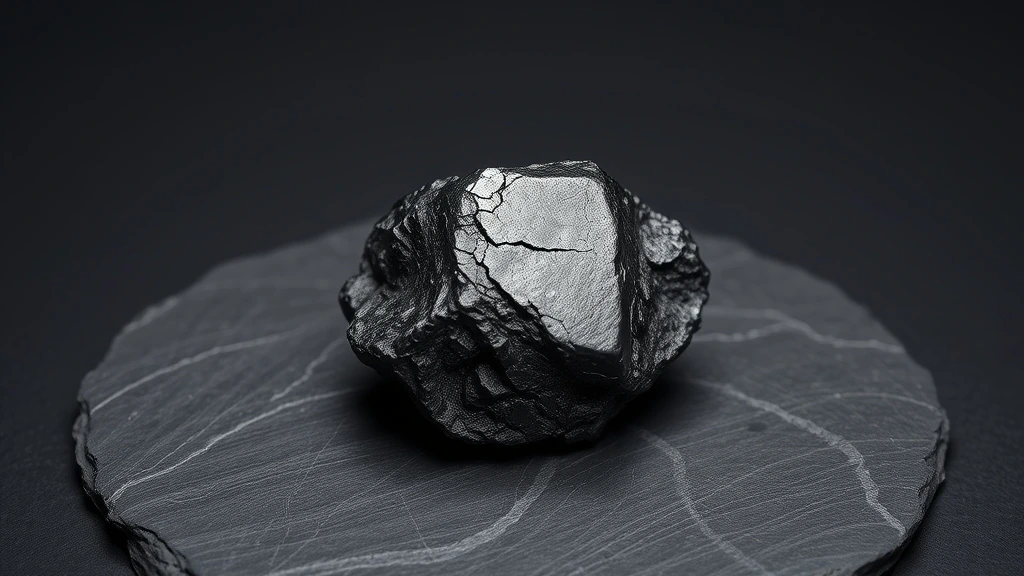
Magnetite belongs to the Natural Mineral / Crystal group, distinguishing it from synthetic materials or organic gemstones. It forms through hydrothermal processes or igneous cooling, creating robust crystal structures. As a primary ore of iron, it holds significant geological importance. Its unique magnetic properties set it apart from other iron oxides in mineralogy.
What is Magnetite Gemstone? Geological Overview & Definition
Magnetite is a ferromagnetic mineral that naturally exhibits strong attraction to magnetic fields. This property arises from its specific electron spin alignment within the crystal lattice. Geologists identify it by its streak color, which remains black despite surface variations.
In gemology, it is valued for its metallic luster and deep black hue. The stone often forms in cubic crystals, though massive aggregates are more common. Its density of 5.17–5.18 g/cm³ provides a tactile weight distinct from lighter stones.
Magnetite Gemstone Chemical Composition & Crystallographic Properties
Magnetite crystallizes within the Cubic (crystal system), featuring a spinel structure with high symmetry. The lattice structure arranges iron cations in octahedral and tetrahedral sites. This cubic symmetry ensures uniform physical properties in all directions.
The chemical formula Fe₃O₄ represents a mixed-valence oxide containing both Fe²⁺ and Fe³⁺ ions. Cation substitution is rare, as the structure tightly constrains ionic radii. The chromophore responsible for its black color involves electronic transitions between iron oxidation states.
Magnetite is generally acid sensitive to strong reagents, though stable in neutral conditions. Thermal behavior reveals a phase transition at the Curie temperature (585°C). Above this point, it loses ferromagnetism and becomes paramagnetic. Its refractive index of 2.420 indicates high light interaction.
| Property | Specification |
|---|---|
| Mineral Group | Natural Mineral / Crystal |
| Chemical Formula | Fe₃O₄ |
| Mohs Hardness | 5.5–6.5 |
| Crystal System | Cubic (crystal system) |
| Specific Gravity (Density) | 5.17–5.18 |
| Refractive Index | 2.420 |
| Color & Optical Properties | Natural Magnetite Gemstone color spectrum and optical dispersion |
| Primary Mining Localities | Global primary localities |
| Water & Chemical Resistance | High (Safe for gentle water washing) |
| Chakra Alignment (Traditional) | Root Chakra, Sacral Chakra |
| Zodiac Affinity (Traditional) | Scorpio, Capricorn, Aquarius |
| Symbolic Meaning (Traditional) | Grounding, protection, and connection to the earth’s magnetic fields |
Magnetite Gemstone Varieties & Color Spectrum
Magnetite exists in several distinct mineralogical forms, each defined by unique crystal habits and impurity profiles. While pure specimens are rare, most commercial material contains trace elements that alter optical properties. Understanding these variations is essential for accurate gemological identification and valuation.
Lodestone
Lodestone represents the naturally magnetized variety of magnetite, prized for its permanent magnetic properties. It forms through lightning strikes or geomagnetic reversals that align the crystal lattice domains. This specific alignment creates a powerful, stable magnetic field detectable without external influence.
Historically, this variety was crucial for early navigation and scientific discovery. Its rarity stems from the precise conditions required to induce permanent magnetization in the Fe₃O₄ structure. Modern collectors seek lodestone for its historical significance and unique physical behavior.
Black Magnetite
This is the most common commercial form, characterized by a deep, opaque black color. It typically exhibits a metallic luster and lacks significant secondary mineral inclusions. The cubic crystal system often results in well-formed octahedral or dodecahedral shapes.
Black magnetite is abundant in iron-rich sedimentary and igneous deposits worldwide. Its high density of 5.17–5.18 g/cm³ distinguishes it from visually similar minerals like hematite. Gem cutters often polish these stones into cabochons to highlight their reflective surface.
Speleothem Magnetite
Found in cave systems, this variety forms as stalactites or stalagmites from iron-rich groundwater. The growth process creates intricate, branching structures that mimic organic formations. These specimens often display a velvety texture due to fine-grained crystal aggregates.
Speleothem magnetite is highly sought after by mineral collectors for its aesthetic complexity. The formation occurs in low-oxygen environments, preserving the pure Fe₃O₄ composition. Rarity increases with the size and symmetry of the cave formations.
Magnetite with Hematite Inclusions
This mixed variety features magnetite crystals intergrown with reddish-brown hematite. The contrast between the black magnetite and red hematite creates a striking visual pattern. Such inclusions often indicate oxidation processes during the rock’s geological history.
Gemologists identify this variety by its dual refractive index characteristics and color zoning. The presence of hematite can slightly reduce the overall magnetic strength of the specimen. It is commonly found in banded iron formations across several continents.
Magnetite from the Pilbara Region
Originating from Western Australia, this regional variety is known for exceptional clarity and size. The ancient host rock deposits provide ideal conditions for large, well-preserved crystals. These specimens often exceed several kilograms in weight.
The Pilbara magnetite is highly valued in industrial and gemological markets alike. Its consistent quality reflects the stable geological environment of the Archean era. Collectors prize these stones for their robust Mohs hardness of 5.5–6.5.
Where is Magnetite Gemstone Found? Geological Mining & Extraction
Magnetite primarily occurs in banded iron formations and igneous intrusions, where iron-rich fluids precipitate over millions of years. These deposits are often associated with ancient volcanic activity and high-temperature metamorphism. The mineral’s high density makes it a key target for heavy mineral separation techniques.
Major extraction sites include the Pilbara Basin in Australia, the Bushveld Complex in South Africa, and the Kiruna mine in Sweden. These regions host massive ore bodies that support both industrial steel production and gem-grade specimen mining. Extraction methods typically involve open-pit mining followed by magnetic separation to isolate pure crystals.
Historical Significance & Cultural Lore of Magnetite Gemstone
Ancient Greek and Chinese civilizations revered magnetite for its mysterious attractive properties, often attributing them to spiritual forces. The Greeks called it “magnetes lithos,” or the stone of Magnesia, after the region where it was first documented. Early navigators utilized naturally magnetized lodestone to create the first compasses, revolutionizing maritime exploration.
In traditional healing practices, magnetite is associated with the Root Chakra and Sacral Chakra, symbolizing grounding and protection. Archaeological artifacts from the Bronze Age show magnetite beads used in jewelry and ritualistic objects. Its enduring legacy reflects humanity’s long-standing fascination with the earth’s magnetic fields.
Modern Uses & Jewelry Applications of Magnetite Gemstone
Lapidaries typically cut magnetite into polished cabochons due to its high opacity and lack of brilliance, which makes faceting less effective for displaying light return. This cubic mineral is also carved into ornamental beads, pendants, and protective amulets, leveraging its distinctive black sheen and magnetic properties.
- Cabochon Cutting: Smooth, domed shapes highlight the stone’s metallic luster without relying on internal refraction.
- Faceted Jewelry: Rarely used for high-faceting, but occasionally cut to emphasize geometric symmetry in industrial designs.
- Ornamental Carving: Commonly shaped into spheres, pyramids, or intricate carvings for spiritual and decorative purposes.
Metaphysical Properties & Traditional Meaning of Magnetite Gemstone
According to historical traditions and metaphysical lore, magnetite is revered as a powerful grounding stone that anchors the wearer to the earth’s magnetic fields. Practitioners believe it offers spiritual protection by absorbing negative energies and stabilizing emotional fluctuations during periods of stress or transition.
This mineral is often associated with protection and physical vitality, serving as a bridge between the physical and spiritual realms. Its magnetic nature symbolizes attraction, drawing positive opportunities while repelling harmful influences from the wearer’s aura.
Which Chakra and Zodiac Signs Align with Magnetite Gemstone?
Magnetite is canonically aligned with the Root Chakra and the Sacral Chakra. The Root Chakra connection stems from the stone’s deep association with earth energies and physical stability, providing a sense of security and safety. Meanwhile, its link to the Sacral Chakra reflects its role in stimulating creative flow and emotional balance.
In astrological practice, magnetite is specifically recommended for Scorpio, Capricorn, and Aquarius. These signs benefit from the stone’s grounding influence, which helps Scorpios manage intense emotions, supports Capricorns in maintaining discipline, and aids Aquarians in connecting their intellectual pursuits to tangible reality.
How to Identify Real vs. Fake Magnetite Gemstone
Artificial imitations often include synthetic glass, dyed obsidian, or black hematite, which can closely mimic magnetite’s appearance to the untrained eye. However, genuine magnetite possesses unique magnetic properties and a specific density that most fakes cannot replicate without advanced manufacturing techniques.
Practical At-Home Authenticity Tests
- Temperature Test (Thermal Feel): Hold the stone in your palm; genuine magnetite feels noticeably colder than glass or plastic imitations due to its higher thermal conductivity.
- Specific Gravity & Weight Test: Compare the stone’s weight to a similar-sized piece of glass; real magnetite is significantly heavier, with a specific gravity of approximately 5.17.
- Scratch & Hardness Test (Mohs Comparison): Attempt to scratch a copper coin; magnetite (Mohs 5.5–6.5) will scratch copper (Mohs 3), while softer fakes like glass may not.
- Microscopic & Loupe Inspection (Internal Inclusions): Examine the surface under a 10x loupe for natural inclusions or surface imperfections, as synthetic glass is often perfectly clear and bubble-free.
Magnetite Gemstone Valuation Factors, Grading & Pricing
Color Saturation is the foremost driver of value. Deep, metallic black‑gray hues with a vivid luster command premium prices, while pale or uneven tones reduce desirability. Buyers also assess tone uniformity across the stone; consistent darkness signals a well‑formed crystal lattice and enhances market appeal.
Carat Weight influences price but only when paired with excellent cut quality. Larger magnetite pieces (typically > 2 ct) fetch higher per‑carat rates, provided the facets are symmetrically aligned and the surface is free of distracting matrix or inclusions. Visible mineral inclusions can create a “spotted” appearance, lowering both aesthetic and monetary value.
Geographical Provenance Premium adds a niche surcharge for specimens from classic localities such as the Urals, South Africa, or the Lake District. These origins are documented in gemological reports and often attract collectors seeking historic or mining‑heritage pieces. Market trends show a steady rise in wholesale prices, while retail margins expand during periods of heightened demand for grounding stones.
How to Clean and Care for Magnetite Gemstone
Use warm soapy water and a soft cloth to gently wipe the surface of magnetite. This method removes dust and oils without compromising the stone’s structural integrity. Avoid ultrasonic cleaners; the high‑frequency vibrations can induce micro‑fractures in the cubic lattice, leading to irreversible damage. After cleaning, dry the gem with a lint‑free cloth and store it away from hard impacts.
Cleansing and Recharging Magnetite Gemstone (Energetic Care)
For energetic renewal, place the magnetite on a selenite plate for several hours. The neutralizing properties of selenite clear residual electromagnetic fields while preserving the stone’s natural magnetism.
Alternatively, expose the gem to moonlight or perform a brief smoke smudging ritual using sage. Both methods safely recharge the stone without introducing moisture, respecting its insolubility and maintaining its grounding qualities.
Frequently Asked Questions About Magnetite Gemstone
Is magnetite safe to wear in the shower?
Yes, magnetite is safe for gentle water exposure. Its high water resistance allows it to withstand brief contact with shower water without damage. However, prolonged submersion should be avoided to maintain surface luster. Always dry the stone thoroughly after washing.
Can I use an ultrasonic cleaner on magnetite?
No, you should avoid ultrasonic cleaners entirely. The intense vibrations can cause structural fractures in the stone due to its internal cleavage planes. Instead, clean your magnetite using warm soapy water and a soft cloth for safe maintenance.
Which zodiac signs are compatible with magnetite?
Magnetite aligns best with Scorpio, Capricorn, and Aquarius. These earth and water signs resonate with the stone’s grounding properties. Wearing it may enhance stability and focus for individuals born under these astrological signs.
What chakras does magnetite activate?
Magnetite primarily stimulates the Root and Sacral Chakras. These energy centers govern grounding and creative flow. The stone’s connection to the earth’s magnetic fields supports balance in these specific lower chakras.
How hard is magnetite on the Mohs scale?
Magnetite rates between 5.5 and 6.5 on the Mohs hardness scale. This makes it moderately durable but susceptible to scratching from harder minerals like quartz. Handle jewelry with care to prevent surface abrasions during daily wear.
What is the chemical composition of magnetite?
Magnetite consists of iron oxide with the formula Fe₃O₄. This cubic crystal structure gives the stone its distinctive metallic luster and strong magnetic properties. It is one of the most common iron minerals found globally.
Does magnetite have a high refractive index?
Yes, magnetite exhibits a high refractive index of 2.420. This optical property creates a strong metallic luster rather than typical gemstone brilliance. It reflects light intensely, giving the stone its characteristic dark, shiny appearance.
Is magnetite suitable for everyday jewelry?
Yes, with proper care, it is suitable for daily wear. Its density of 5.17–5.18 provides a substantial feel, while its moderate hardness allows for regular use. Avoid impact and harsh chemicals to preserve the stone’s integrity.