
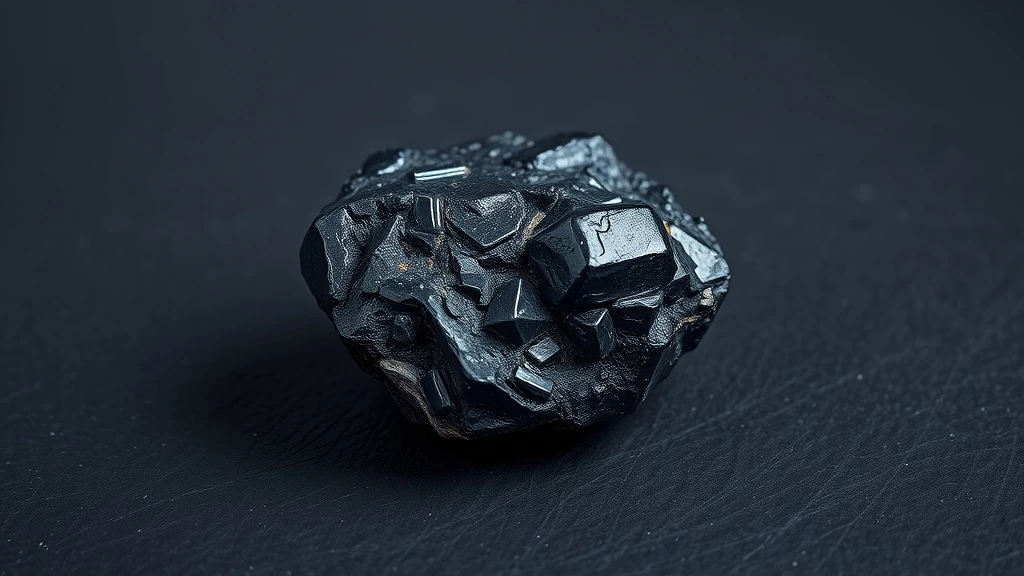
Lodestone belongs to the natural mineral family and is classified as a crystalline oxide of iron. Formed in igneous and metamorphic environments, it crystallizes in the isometric system, often occurring as octahedral or cubic grains within basaltic flows, placer deposits, and hydrothermal veins. Its magnetic character arises from electron exchange between Fe²⁺ and Fe³⁺ ions, a hallmark of the magnetite group.
What is Lodestone (magnetite) Gemstone? Geological Overview & Definition
Lodestone is the naturally magnetized variety of magnetite, a primary iron oxide mineral found worldwide. It typically appears as black to steel‑gray crystals with a metallic sheen, and its permanent magnetism distinguishes it from ordinary magnetite specimens.
In gemological contexts, lodestone is valued for its rarity and unique magnetic properties rather than traditional brilliance. While not a traditional gemstone by cut, polished lodestone cabochons are used in jewelry and metaphysical practices, capitalizing on its grounding and protective symbolism.
Lodestone (magnetite) Gemstone Chemical Composition & Crystallographic Properties
The mineral crystallizes in the isometric crystal system, adopting a face‑centered cubic lattice where Fe²⁺ and Fe³⁺ occupy octahedral sites in a 1:2 ratio. This arrangement yields the formula Fe₃O₄, a mixed‑valence oxide that is electrically conductive and strongly ferrimagnetic.
Lattice symmetry permits limited cation substitution, allowing trace amounts of Mn²⁺, Ti⁴⁺, or Co²⁺ to enter the structure without disrupting the cubic framework. Such substitutions can subtly shift the refractive index (≈2.420) and influence magnetic susceptibility.
Magnetite is acid‑sensitive; exposure to dilute hydrochloric acid triggers a rapid dissolution, producing Fe²⁺ ions and releasing CO₂ from carbonate impurities. This reaction is a diagnostic test in the field, confirming the mineral’s oxide nature.
Color in lodestone stems from electron hopping between Fe²⁺ and Fe³⁺, creating intervalence charge‑transfer bands that absorb visible light and render its characteristic black‑metallic hue. Upon heating above 585 °C, magnetite undergoes the Verwey transition, altering its electrical conductivity and magnetic ordering.
| Property | Specification |
|---|---|
| Mineral Group | Natural Mineral / Crystal |
| Chemical Formula | Fe₃O₄ |
| Mohs Hardness | 5.5 – 6.5 |
| Crystal System | Isometric |
| Specific Gravity (Density) | 5.18 – 5.19 |
| Refractive Index | 2.420 |
| Color & Optical Properties | Natural Lodestone (magnetite) Gemstone color spectrum and optical dispersion |
| Primary Mining Localities | Global primary localities |
| Water & Chemical Resistance | Sensitive (Avoid prolonged water soaking) |
| Chakra Alignment (Traditional) | Root Chakra |
| Zodiac Affinity (Traditional) | Capricorn, Scorpio |
| Symbolic Meaning (Traditional) | Magnetic attraction, grounding, and protection |
Lodestone (magnetite) Gemstone Varieties & Color Spectrum
Lodestone is not a distinct mineral species but a naturally magnetized variety of magnetite (Fe₃O₄). Its unique magnetic properties arise from lightning strikes or tectonic activity aligning its crystal lattice. This specific alignment creates a permanent magnetic field, distinguishing it from standard magnetic ores.
Natural Magnetized Lodestone
This primary variety exhibits a deep, metallic black appearance with a streak of black. It is the only naturally occurring mineral that possesses permanent magnetism without artificial processing. Geologists identify it by its strong attraction to ferrous metals and its isometric crystal habit.
Magnetite with Hematite Inclusions
Often found in banded iron formations, this variety displays reddish-brown streaks within the black matrix. The presence of hematite (Fe₂O₃) alters the visual spectrum, creating a mottled, earthy aesthetic. These inclusions can slightly reduce the overall magnetic strength but add geological complexity.
Lodestone from the Magnesia Region
Historically significant, this regional variety was named after the ancient Greek region of Magnesia. It typically features a smooth, polished surface with a subtle luster that reflects light uniquely. Archaeological evidence suggests these specific deposits were highly prized for early navigational tools.
Magnetite with Ilmenite Contamination
This variety contains significant amounts of ilmenite (FeTiO₃), which darkens the stone to a near-obsidian hue. The titanium content increases the specific gravity, making it feel denser than pure magnetite. Such specimens are rarer and often exhibit a slightly bluish tint under direct sunlight.
Polished Lodestone Cabochons
While not a geological variety, this trade form is cut to maximize its refractive index of 2.420. The smooth, domed surface enhances the stone’s metallic sheen and tactile feel. Jewelers select these pieces for their consistent color and strong, uniform magnetic pull.
Where is Lodestone (magnetite) Gemstone Found? Geological Mining & Extraction
Lodestone primarily forms in banded iron formations and igneous intrusions where lightning strikes provide the necessary energy. These deposits are often associated with pegmatites or massive sulfide ores in ancient geological strata. The natural magnetization process is rare, requiring precise environmental conditions to align the magnetic domains permanently.
Major mining regions include the United States, particularly in New Jersey and Pennsylvania, as well as parts of Europe and Asia. Extraction involves careful separation from non-magnetic host rocks using magnetic sorting techniques. Modern gemological standards require verifying the natural origin of the magnetism to distinguish it from artificially magnetized specimens.
Historical Significance & Cultural Lore of Lodestone (magnetite) Gemstone
Ancient Greek and Chinese civilizations revered lodestone for its mysterious ability to attract iron objects. The Greeks attributed this power to the god Zeus, while Chinese artisans used it to create the first compasses. These early navigational instruments revolutionized maritime exploration and trade routes across the globe.
Archaeological findings reveal lodestone amulets used for protection and healing in various cultures. In traditional medicine, it was believed to draw out toxins and restore grounding energies. Today, it remains a symbol of magnetic attraction and spiritual stability in gemological practices.
Modern Uses & Jewelry Applications of Lodestone (magnetite) Gemstone
Lapidaries typically cut lodestone into smooth cabochons or polished spheres to highlight its magnetic luster rather than brilliance. While faceting is possible, the stone’s opaque nature and moderate hardness make it better suited for beads, pendants, and ornamental carvings. Artisans often incorporate it into men’s jewelry or industrial designs due to its distinctive black metallic sheen.
- Cabochon Cutting: Ideal for maximizing the stone’s natural luster and magnetic properties.
- Polished Spheres: Commonly used in decorative collections and feng shui arrangements.
- Carved Ornaments: Suitable for intricate designs due to its Mohs hardness of 5.5–6.5.
- Industrial Jewelry: Frequently set in silver or blackened gold for a modern aesthetic.
Metaphysical Properties & Traditional Meaning of Lodestone (magnetite) Gemstone
According to historical traditions and metaphysical lore, lodestone is revered for its powerful magnetic attraction and grounding capabilities. Ancient cultures believed it could draw positive energy while repelling negative influences, serving as a protective talisman. Its deep black color symbolizes stability, strength, and the profound connection to the earth.
Practitioners often use this stone to enhance focus, reduce anxiety, and promote a sense of security. It is thought to anchor the wearer’s energy, preventing spiritual drift and fostering emotional resonance with physical reality. This grounding effect makes it a popular choice for those seeking balance and protection in their daily lives.
Which Chakra and Zodiac Signs Align with Lodestone (magnetite) Gemstone?
Lodestone is canonically aligned with the Root Chakra, which governs survival, security, and basic needs. This connection stems from the stone’s heavy, earthy energy that stabilizes the foundation of one’s spiritual and physical well-being. It helps individuals feel rooted and connected to the material world.
Astrologically, lodestone resonates strongly with Capricorn and Scorpio. Capricorns appreciate its grounding nature, which supports their ambition and discipline, while Scorpios connect with its protective and transformative magnetic pull. These signs benefit from the stone’s ability to enhance resilience and emotional depth.
How to Identify Real vs. Fake Lodestone (magnetite) Gemstone
Artificial imitations of lodestone often involve synthetic glass, dyed hematite, or black onyx treated to mimic magnetic properties. These fakes may lack the natural inclusions and specific weight of genuine Fe₃O₄ mineral. Understanding the subtle differences in texture, weight, and magnetic response is crucial for accurate identification.
Practical At-Home Authenticity Tests
- Temperature Test (Thermal Feel): Genuine lodestone feels noticeably cool to the touch initially due to its high thermal conductivity. Synthetic glass imitations often warm up faster when held in the hand.
- Specific Gravity & Weight Test: Real lodestone has a high specific gravity of 5.18–5.19, making it feel significantly heavier than its size suggests. Glass or plastic fakes will feel lighter and less dense.
- Scratch & Hardness Test (Mohs Comparison): With a Mohs hardness of 5.5–6.5, lodestone can scratch glass but may be scratched by a steel knife. Softer fakes like dyed stones will show visible scratches easily.
- Microscopic & Loupe Inspection (Internal Inclusions): Use a 10x loupe to look for natural internal inclusions or surface imperfections. Synthetic glass often appears too perfect or contains tiny air bubbles not found in natural mineral structures.
Lodestone (magnetite) Gemstone Valuation Factors, Grading & Pricing
Color Saturation is the foremost driver of price. Deep, uniform black‑gray hues with a subtle metallic sheen command premium rates, while pale or uneven tones reduce value. Lusters that reflect a polished, mirror‑like finish further enhance desirability, especially when the stone exhibits a consistent tone across its surface.
Carat Weight influences market pricing but is moderated by cut quality. Larger stones (above 5 ct) are rare and fetch higher per‑carat prices, provided they retain symmetrical facets and minimal matrix intrusion. Visible inclusions or fracture lines can sharply depress value, even in heavier pieces, because they compromise both aesthetics and structural integrity.
Geographical Provenance Premium adds a niche surcharge for lodestones sourced from historically renowned deposits such as the Lake District (UK) or the Adirondacks (USA). Collectors often pay 10‑20 % above baseline for verified origin, reflecting rarity and mining heritage. Wholesale prices typically range from $30–$70 per carat, while retail listings can reach $120–$200 per carat for premium‑grade, provenance‑certified stones.
How to Clean and Care for Lodestone (magnetite) Gemstone
Use warm soapy water and a soft cloth to gently remove surface dirt; this method respects the stone’s brittle nature. Rinse briefly with lukewarm water, then pat dry with a lint‑free towel. Avoid prolonged soaking, as extended exposure to moisture can weaken the crystal lattice. Do not employ ultrasonic cleaners, which may induce micro‑fractures and compromise the gemstone’s structural integrity.
Cleansing and Recharging Lodestone (magnetite) Gemstone (Energetic Care)
For energetic renewal, pass the lodestone through a thin veil of smoke smudging using sage or cedar; the gentle ash clears stagnant fields without introducing moisture. Hold the stone in the smoke for 30–60 seconds, allowing the magnetic energy to realign with the Earth’s field.
Alternatively, place the stone on a selenite plate or under moonlight overnight. Both methods cleanse energetically and recharge the stone’s grounding properties while respecting its insolubility in water. Ensure the stone remains dry throughout the process to maintain its physical integrity.
Frequently Asked Questions About Lodestone (magnetite) Gemstone
Is lodestone safe to wear in the shower?
No, you should avoid prolonged water exposure to protect the stone. While brief contact is generally harmless, extended soaking can weaken the surface over time. Always dry the piece immediately if it gets wet. This precaution preserves the natural magnetic properties and prevents potential surface degradation.
Can I clean lodestone in an ultrasonic cleaner?
Absolutely not, as ultrasonic vibrations can cause structural fractures. The intense sound waves may crack the delicate crystal lattice of the mineral. Instead, use warm soapy water and a soft cloth for gentle cleaning. This method ensures the stone remains intact and retains its luster without risking physical damage.
Which zodiac signs are aligned with lodestone?
Capricorn and Scorpio are the primary zodiac signs associated with this stone. These earthy and water signs resonate with the stone’s grounding energy. Wearing lodestone is believed to enhance stability and focus for these individuals. It supports their natural inclination toward deep introspection and practical achievement in life.
What chakra does lodestone activate?
Lodestone is specifically aligned with the Root Chakra. This energy center is located at the base of the spine. It governs feelings of safety, security, and physical well-being. The stone’s heavy, magnetic nature helps anchor your energy to the earth, promoting a strong sense of grounding and stability.
Is lodestone a true gemstone?
Technically, it is a mineral variety of magnetite used in jewelry. Unlike traditional gemstones, its value lies in its unique magnetic properties. It is often cut into cabochons or beads for protective amulets. While not prized for brilliance, its historical significance as a natural compass makes it highly collectible.
How hard is lodestone on the Mohs scale?
It ranges from 5.5 to 6.5 on the Mohs hardness scale. This moderate hardness means it can scratch softer stones but is susceptible to damage from harder minerals. Handle it carefully to avoid chips or abrasions. Its isometric crystal structure contributes to this specific range of durability.
What is the chemical composition of lodestone?
It is composed of iron oxide with the formula Fe₃O₄. This specific arrangement of iron and oxygen creates its magnetic characteristics. The stone typically has a specific gravity between 5.18 and 5.19. Understanding this chemical formula helps identify authentic specimens versus synthetic imitations in the market.
Does lodestone lose its magnetism over time?
Yes, strong physical impacts or extreme heat can demagnetize it. The alignment of magnetic domains can be disrupted by shock. To maintain its power, store it away from strong external magnetic fields. Regular gentle handling helps preserve the magnetic attraction that defines this unique mineral.