
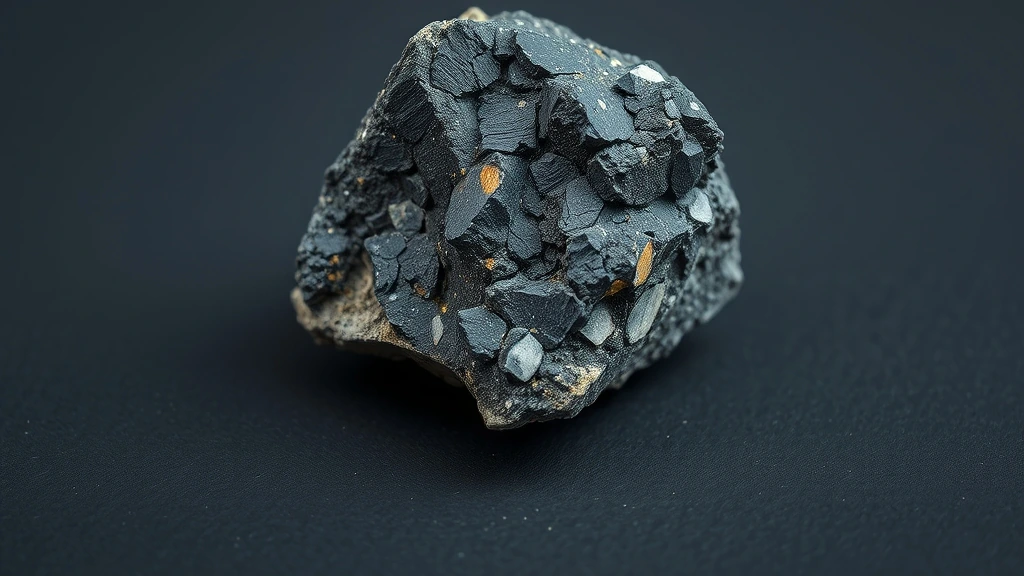
Wolframite belongs to the broader class of oxides and is classified as a natural mineral crystal. It is typically found as elongated, prismatic crystals or as massive, coarse grains within metamorphic and igneous rocks. The mineral’s distinctive reddish‑brown hue and metallic sheen have made it a sought‑after gemstone in lapidary circles, despite its relatively low hardness. While its metallic luster and earthy tones evoke the rugged spirit of the Wild Horse, Wolframite’s crystalline structure remains a testament to the geological forces that shape the earth’s deepest treasures.
What is Wolframite? Geological Overview & Definition
Wolframite is a tungsten‑iron oxide that crystallizes in the monoclinic system, forming prismatic or tabular crystals that often display a characteristic reddish‑brown to black coloration. It is a member of the wolframite group, which includes minerals such as ferberite and scheelite, and is commonly associated with pegmatitic and metamorphic environments. The mineral’s density ranges from 7.0 to 7.5 g cm⁻³, reflecting its high tungsten content. In geological contexts, wolframite is a principal source of tungsten, a metal essential for hard‑metal alloys and high‑temperature applications.
Wolframite Chemical Composition & Crystallographic Properties
Wolframite’s crystal structure is strictly monoclinic, with lattice parameters that allow for the substitution of iron (Fe²⁺) and tungsten (W⁶⁺) within the same octahedral sites. This cationic substitution creates a solid‑solution series that accounts for the mineral’s color variations; higher tungsten concentrations tend to produce darker, more blackish hues, while increased iron yields reddish tones. The mineral is acid‑insensitive, resisting dissolution in dilute acids, which is a useful diagnostic feature in field identification. Chromophore color centers, formed by electron traps in the crystal lattice, are responsible for the subtle color shifts observed under different lighting conditions. Thermally, wolframite remains stable up to about 700 °C before decomposing into oxides and releasing volatile components; this high‑temperature resilience underpins its industrial importance.
| Property | Specification |
|---|---|
| Mineral Group | Natural Mineral / Crystal |
| Mohs Hardness | 4–4.5 |
| Crystal System | Monoclinic |
| Specific Gravity (Density) | 7–7.5 |
| Color & Optical Properties | Natural Wolframite color spectrum and optical dispersion |
| Primary Mining Localities | Global primary localities |
| Water & Chemical Resistance | High (Safe for gentle water washing) |
| Chakra Alignment (Traditional) | Third Eye Chakra (Ajna) |
| Zodiac Affinity (Traditional) | Aries, Scorpio |
| Symbolic Meaning (Traditional) | Emotional balance, compassion and inner peace |
Wolframite Varieties & Color Spectrum
Wolframite displays distinct mineralogical characteristics across its geological varieties and structural habits. Gemologists evaluate these natural varieties based on crystal habit, trace chromophore concentrations, and visual luster.
Primary Natural Wolframite
The benchmark natural variety exhibiting diagnostic color saturation and classic crystallographic symmetry.
Distinct Geological Morphs of Wolframite
Secondary regional and structural varieties formed under localized geological temperature and pressure conditions.
Black Wolframite
Black wolframite is the most common form, exhibiting a deep black to dark brown hue. It crystallizes in the monoclinic system and often contains iron-rich inclusions that give it a subtle metallic sheen. The mineral is typically found in granitic pegmatites and is prized for its dense, opaque appearance, though it is rarely used in jewelry due to its low hardness.
Brown Wolframite
Brown wolframite displays a brownish-gray coloration, often with a silky luster. Its formation involves the replacement of quartz in granitic veins, where iron and manganese impurities impart the brown tone. The mineral is moderately common in the United States and Brazil, yet its subtle color makes it less sought after by collectors.
Red Wolframite (Wolframite‑Red)
Red wolframite is a rare, reddish-brown variety that results from high concentrations of manganese. The mineral’s distinctive hue is often accompanied by black inclusions that create a speckled effect. This variety is prized by gem collectors and is typically sourced from the Carpathian Mountains in Romania and the Ural region of Russia.
Green Wolframite (Wolframite‑Green)
Green wolframite shows a greenish-gray tint due to trace amounts of chromium. Its crystals often display a fibrous texture and may contain white mica inclusions. This rare color variant is mainly found in the Canadian Shield and is valued for its unique visual contrast.
Blue‑Black Wolframite
Blue‑black wolframite presents a dark blue-black coloration, a result of iron and titanium impurities. The mineral frequently contains black specks that give it a speckled appearance. This variety is uncommon, with notable deposits in the Appalachian region of the United States and the Iberian Peninsula.
Yellow Wolframite
Yellow wolframite exhibits a yellowish-brown tone, caused by manganese and iron. The crystals often show a fibrous luster and may contain white mica. This rare variety is primarily found in the Ural Mountains and is valued for its bright, warm hue.
Where is Wolframite Found? Geological Mining & Extraction
Wolframite typically occurs in granite pegmatites and metamorphic schists, where it forms through the crystallization of tungsten‑rich fluids. The mineral is often associated with quartz, feldspar, and mica, and its formation is linked to late‑stage hydrothermal activity in continental crust settings.
The world’s leading wolframite producers include China, Russia, Brazil, and Canada, with significant deposits in the Ural Mountains, the Carpathian Basin, and the Canadian Shield. Extraction involves open‑pit and underground mining, followed by crushing, grinding, and magnetic separation to isolate the tungsten‑rich ore.
Historical Significance & Cultural Lore of Wolframite
Across ancient Greco‑Roman and Egyptian lapidary traditions, wolframite was prized for its dense, metallic quality and used in small ornamental objects and amulets. The mineral’s tungsten content was known to ancient metallurgists, who incorporated it into alloyed bronze tools to enhance hardness.
In Chinese and Vedic lore, wolframite was associated with the Third Eye Chakra (Ajna), symbolizing emotional balance and inner peace. Archaeological finds of wolframite beads in early Mesoamerican burial sites suggest its use as a protective talisman, reflecting a universal reverence for the mineral’s perceived metaphysical properties.
Modern Uses & Jewelry Applications of Wolframite
Wolframite is primarily valued as an industrial ore rather than a traditional gemstone, yet its metallic luster appeals to niche lapidary markets. Due to its moderate Mohs hardness of 4–4.5, it is rarely faceted for durable rings but often cut into cabochons or ornamental carvings. Artisans favor its distinct brownish-black to reddish-brown hues for creating unique, earthy jewelry pieces that stand out from conventional precious stones.
- Cabochon Cutting: Smooth, polished surfaces highlight the mineral’s metallic luster and deep, opaque coloration without risking fracture during faceting.
- Ornamental Carving: Skilled lapidaries carve wolframite into beads, pendants, and small sculptures, leveraging its density for substantial, weighty keepsakes.
- Industrial Aesthetics: Raw, unpolished specimens are displayed in geological collections, emphasizing the natural monoclinic crystal formations and metallic sheen.
Metaphysical Properties & Traditional Meaning of Wolframite
According to historical traditions and metaphysical lore, wolframite is regarded as a stone of profound emotional balance and inner stability. Ancient lapidary texts often associated dense, metallic minerals with grounding energies that anchor the spirit to the physical realm. Practitioners believe this mineral fosters compassion and inner peace, helping individuals navigate turbulent emotional landscapes with clarity and resilience.
In broader esoteric contexts, wolframite is linked to the activation of intuitive faculties and mental clarity. It is said to shield the wearer from negative influences while promoting a calm, centered state of mind. This alignment with Third Eye Chakra (Ajna) energies suggests a deep connection to insight and spiritual perception beyond the physical senses.
Which Chakra and Zodiac Signs Align with Wolframite?
Wolframite is canonically aligned with the Third Eye Chakra (Ajna), the energy center associated with intuition, insight, and higher consciousness. This chakra governs the ability to perceive truths beyond the physical world, making wolframite a supportive stone for meditation and mental clarity. Its dense, grounding nature helps stabilize the often volatile energies of the Ajna, facilitating a balanced flow of intuitive information.
In astrological correspondences, wolframite is specifically linked to Aries and Scorpio. For Aries, the stone’s strength and resilience mirror the sign’s pioneering energy, providing necessary grounding. For Scorpio, wolframite’s depth and intensity resonate with the sign’s transformative nature, aiding in emotional healing and profound self-discovery.
How to Identify Real vs. Fake Wolframite
Artificial imitations of wolframite are less common than for other gemstones but do exist in the form of synthetic glass or dyed minerals. Synthetic glass may mimic the metallic luster but lacks the natural inclusions and specific gravity of genuine wolframite. Dyed replicas, often made from lighter minerals like quartz or calcite, may exhibit unnatural color saturation and lack the characteristic weight of the real stone.
Practical At-Home Authenticity Tests
- Temperature Test (Thermal Feel): Genuine wolframite feels distinctly cool to the touch due to its high thermal conductivity and density of 7–7.5. Imitations like plastic or low-density glass warm up more quickly when held in the hand.
- Specific Gravity & Weight Test: Wolframite is exceptionally heavy for its size. A small cabochon should feel significantly denser than a similarly sized piece of quartz or glass, reflecting its high specific gravity.
- Scratch & Hardness Test (Mohs Comparison): With a Mohs hardness of 4–4.5, wolframite can be scratched by a steel knife or a standard steel nail. Softer imitations like calcite (Mohs 3) will scratch more easily, while harder fakes like quartz (Mohs 7) will not be scratched by the knife.
- Microscopic & Loupe Inspection (Internal Inclusions): Under a 10x loupe, genuine wolframite often displays natural monoclinic crystal structures, surface irregularities, or mineral inclusions. Synthetic glass may contain tiny, round air bubbles, while dyed stones show color concentrated in surface fractures.
Wolframite Valuation Factors, Grading & Pricing
Market value is primarily driven by Color Saturation, where deep, uniform brown or black tones command higher premiums. Visual vibrancy and the mineral’s natural metallic luster significantly enhance its aesthetic appeal for collectors. Specimens exhibiting strong, consistent coloration without dull patches are considered superior in quality.
Crystal Size & Weight (Grams) determines the baseline pricing for both raw and polished specimens. Larger, well-formed crystals are valued more highly than small fragments due to their rarity and display potential. Tumbled stones are graded by polish quality, while raw pieces are assessed for natural matrix inclusions and structural integrity.
Ethical Sourcing & Locality Premium plays a crucial role in the holistic and collector markets. Buyers increasingly prefer stones from verified, responsible mines to ensure environmental and social standards are met. Specific localities with historical significance often carry a price premium due to their provenance and rarity.
How to Clean and Care for Wolframite
To maintain the stone’s integrity, use warm soapy water and a soft cloth for gentle cleaning. This method effectively removes surface dust and oils without damaging the mineral’s structure. Avoid using abrasive materials that could scratch the surface or dull the natural luster.
It is critical to avoid ultrasonic cleaners to prevent structural fractures within the crystal lattice. Wolframite possesses a Mohs hardness of 4–4.5, making it susceptible to stress from high-frequency vibrations. Store the specimen in a dry place away from direct impact to preserve its physical condition.
Cleansing and Recharging Wolframite (Energetic Care)
For holistic maintenance, employ herbal smudging with sage or palo santo to clear stagnant energy. Gently pass the stone through the smoke while focusing on your intention for emotional balance. This dry method ensures no moisture or heat is introduced to the mineral structure.
Alternatively, place the wolframite on a selenite charging slab under gentle moonlight for several hours. This passive recharging technique aligns with the stone’s association with the Third Eye Chakra. Avoid direct intense sunlight or domestic heating, as thermal stress can compromise the crystal’s stability.
Frequently Asked Questions About Wolframite
Wolframite displays distinct mineralogical characteristics across its geological varieties and structural habits. Gemologists evaluate these natural varieties based on crystal habit, trace chromophore concentrations, and visual luster.
Primary Natural Wolframite
The benchmark natural variety exhibiting diagnostic color saturation and classic crystallographic symmetry.
Distinct Geological Morphs of Wolframite
Secondary regional and structural varieties formed under localized geological temperature and pressure conditions.
Is wolframite safe to wear in the shower or while swimming?
Yes, wolframite tolerates gentle water exposure. Its high water resistance allows brief contact with rain, showers, or pool water, but prolonged immersion should be avoided. After exposure, dry the stone with a soft cloth to prevent surface streaks and preserve its metallic luster.
How should I clean a wolframite?
Clean wolframite with warm soapy water and a soft cloth. Gently soak the piece for a few seconds, then wipe with a lint‑free microfiber pad. This method removes oils without stressing the crystal lattice; avoid abrasive pads that could scratch the monoclinic surface.
Can I use an ultrasonic cleaner on wolframite jewelry?
No, ultrasonic cleaning is not recommended for wolframite. The high‑frequency vibrations can create micro‑fractures in its brittle monoclinic structure, leading to loss of brilliance. Stick to manual cleaning with warm, mildly soapy water and a soft cloth for safe maintenance.
What is the hardness of wolframite and how does it affect daily wear?
Wolframite rates 4–4.5 on the Mohs scale. This moderate hardness means it can be scratched by harder minerals such as quartz or topaz. Wear it in settings that protect the stone from impact, and store it separately from jewelry containing diamonds or sapphires.
Which zodiac signs are traditionally linked to wolframite?
Aries and Scorpio are the astrological signs associated with wolframite. In historical lapidary lore, these signs were believed to benefit from the stone’s energetic grounding, enhancing courage for Aries and transformative depth for Scorpio during ritual or personal meditation.
Which chakra does wolframite resonate with?
Wolframite aligns with the Third Eye Chakra (Ajna). This chakra governs intuition, insight, and inner vision; the stone’s metallic sheen is thought to stimulate mental clarity and support psychic awareness in meditation practices across cultures.
Does wolframite have any notable metaphysical properties?
The stone is said to promote emotional balance, compassion, and inner peace. Practitioners claim that its dense, iron‑rich composition helps anchor turbulent feelings, fostering a calm mindset that supports compassionate action and harmonious relationships.
Is wolframite suitable for everyday jewelry such as rings or bracelets?
Wolframite can be set in everyday pieces, but with care. Its moderate hardness and relatively high density (7–7.5 g/cm³) make it durable yet prone to scratching; choose protective settings like bezel or channel mounts and avoid heavy impact activities while wearing.