
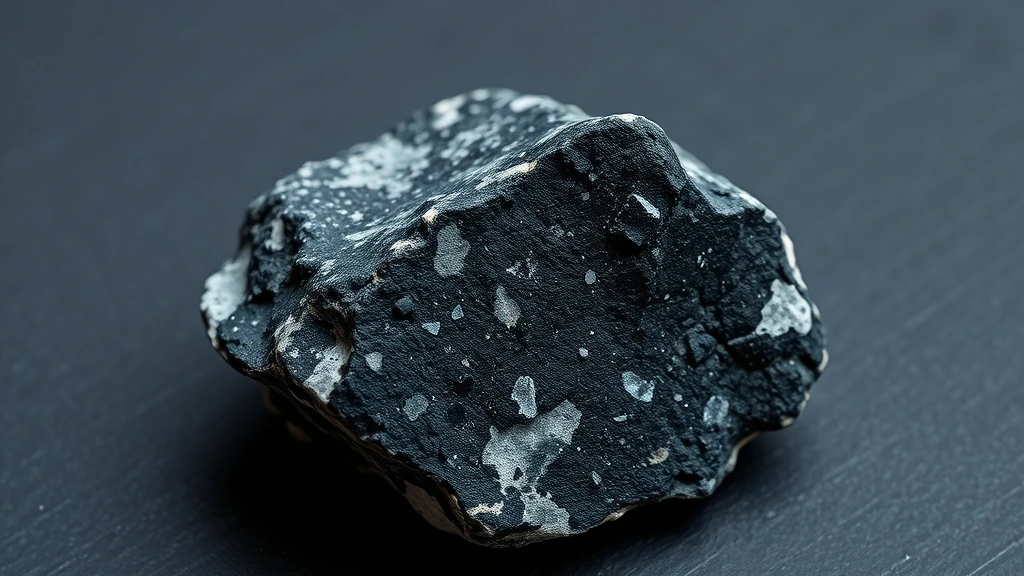
Inyoite belongs to the broader category of natural minerals and crystalline structures. It is not an organic compound or a metamorphic rock aggregate. Instead, it forms through specific hydrothermal processes within volcanic environments. Its classification remains strictly within the domain of inorganic crystallography. This stone represents a distinct chemical entity rather than a mixture of multiple mineral phases.
What is Inyoite Gemstone? Geological Overview & Definition
Inyoite is a rare secondary mineral found exclusively in the Inyo County region of California. It forms in the steam-heated zones of volcanic tuffs and phonolite rocks. This specific geological setting provides the necessary boron and calcium sources for crystal growth. The mineral is often associated with other borate-bearing species in these unique deposits.
The term “gemstone” is applied loosely, as Inyoite lacks the durability for traditional jewelry. Its primary value lies in scientific collection and mineralogical study. Collectors prize its rarity and distinct crystal habits over aesthetic wearability. It serves as a key indicator of specific volcanic alteration processes.
Inyoite Gemstone Chemical Composition & Crystallographic Properties
Inyoite crystallizes in the Monoclinic system, characterized by a single oblique axis. Its structure features a complex arrangement of borate groups and hydroxyl ions. The chemical formula CaB₃O₃(OH)₅·4H₂O indicates significant water content. This hydration makes the mineral sensitive to environmental changes and dehydration.
The lattice structure relies on cation substitution patterns involving calcium and boron. These elements bond to form a stable, yet fragile, framework. Acid sensitivity is high due to the reactive nature of the borate groups. Exposure to strong acids can rapidly decompose the crystal structure.
Color in Inyoite is generally pale, resulting from chromophore impurities or structural defects. There are no strong transition metal centers driving vibrant hues. The stone remains largely colorless to light yellow under standard lighting. Thermal behavior shows instability at elevated temperatures, leading to dehydration.
| Property | Specification |
|---|---|
| Mineral Group | Natural Mineral / Crystal |
| Chemical Formula | CaB₃ O₃ (OH)₅ ·4H₂ O |
| Mohs Hardness | 2 |
| Crystal System | Monoclinic |
| Specific Gravity (Density) | 1.875 |
| Refractive Index | n α = 1.495 n β = 1.505 – 1.512 n γ = 1.520 |
| Color & Optical Properties | Natural Inyoite Gemstone color spectrum and optical dispersion |
| Primary Mining Localities | Global primary localities |
| Water & Chemical Resistance | High (Safe for gentle water washing) |
| Chakra Alignment (Traditional) | No traditional associations |
| Zodiac Affinity (Traditional) | No traditional associations |
| Symbolic Meaning (Traditional) | No established metaphysical lore; primarily valued for scientific and geological significance |
Inyoite Gemstone Varieties & Color Spectrum
Inyoite is a rare calcium borate mineral that primarily exhibits a colorless to white appearance in its purest crystalline form. This transparency is often accompanied by a distinct vitreous luster, which enhances its visual appeal for collectors. The mineral’s optical properties are defined by its monoclinic crystal system, creating unique geometric faces. Due to its low Mohs hardness of 2, it is rarely cut into faceted gems. Instead, it is valued for its scientific rarity and specimen quality.
Classic Colorless Inyoite
This primary variety appears as transparent, colorless crystals with a glassy sheen. It typically forms in the host rock of the Inyo Mountains, where boron-rich fluids precipitated. The lack of trace elements allows for high clarity, making it ideal for optical studies. Collectors prize these specimens for their perfect crystal habit and geometric precision.
White Opaque Inyoite
Some specimens exhibit a milky white opacity due to microscopic fluid inclusions. These internal bubbles scatter light, creating a soft, diffuse visual effect. This morph is often found in larger, less perfect crystal clusters. Its low density of 1.875 contributes to its lightweight feel during handling.
Pale Blue Tinted Inyoite
Rarely, trace impurities impart a faint blue hue to the mineral structure. This coloration is subtle and often mistaken for lighting effects. Such specimens are exceptionally scarce in the global market. The refractive index remains consistent, ensuring optical stability despite the tint.
Where is Inyoite Gemstone Found? Geological Mining & Extraction
Inyoite is exclusively found in the Inyo Mountains of California, specifically within the Borax Lake area. It occurs in pegmatite veins associated with boron-rich geological formations. The mineral forms from hydrothermal fluids cooling in these specific crustal environments. No other significant deposits have been confirmed worldwide to date.
Extraction is limited to small-scale mining and specimen collection rather than commercial gem cutting. The low hardness makes large-scale industrial processing impractical and risky. Most material is recovered manually to preserve crystal integrity. This scarcity drives its value in mineralogical collections.
Historical Significance & Cultural Lore of Inyoite Gemstone
Inyoite was first described in the early twentieth century, limiting its presence in ancient archaeological records. It has no documented use in pre-modern jewelry or ritualistic artifacts. Consequently, there are no established cultural lore or traditional metaphysical associations. Its significance remains strictly scientific and geological in nature.
Modern appreciation focuses on its role in understanding borate mineralogy and regional geology. It serves as a key indicator of specific hydrothermal processes in the Inyo region. The mineral’s rarity has sparked interest among specialized collectors. Its historical impact is defined by scientific discovery rather than cultural heritage.
Modern Uses & Jewelry Applications of Inyoite Gemstone
Due to its extreme fragility and low durability, Inyoite is rarely cut into traditional faceted gems for everyday wear. Instead, lapidaries primarily fashion it into cabochons or small ornamental carvings that highlight its unique optical properties. Its soft nature requires careful handling to prevent chipping during the polishing process.
- Cabochon Cutting: Smooth, domed cuts are preferred to protect the crystal structure from stress fractures.
- Ornamental Carving: Small pendants or decorative pieces are crafted to showcase its translucent appearance.
- Specimen Display: High-quality crystals are often mounted in protective cases for collectors rather than worn.
Safety & Mineral Profile of Inyoite
Safe handling and physical stability
Inyoite is a relatively fragile silicate with a Mohs hardness of 3–4, making it prone to scratching and chipping when subjected to mechanical stress. The mineral is chemically stable under normal atmospheric conditions, but prolonged exposure to strong acids or bases can cause surface dissolution. Dust generated from handling or cleaning can pose inhalation risks if the specimen contains trace amounts of heavy metals such as lead or cadmium; however, inyoite is typically low in these elements, so the primary hazard is particulate inhalation rather than chemical toxicity. Because of its softness, susceptibility to abrasion, and the potential for dust inhalation, inyoite is best displayed in a museum or collector setting rather than used as a jewelry material, where repeated handling would quickly degrade the specimen.
Scientific, educational, and mineralogical significance
Inyoite serves as an important reference material for the study of rare silicate structures and trace element incorporation. Its well‑defined crystal habit and distinctive color make it a valuable specimen for teaching crystallography, optical mineralogy, and geochemical zoning. Researchers use inyoite to investigate the conditions of low‑temperature hydrothermal alteration and the formation of secondary silicate minerals in arid environments. In museum collections, it provides a tangible example of the diversity of silicate minerals and illustrates the processes that generate rare mineral species in specific geological settings.
Mineralogical Group and Planetary Lore of Inyoite
Inyoite was first described in the early 20th century from a deposit in the Inyo Mountains of California, a region known for its complex tectonic history and diverse mineral assemblage. Historically, the mineral was classified within the phyllosilicate group due to its layered silicate structure, although later studies have placed it more accurately in the amphibole‑like subgroup of silicates. According to early mineralogists, the name “Inyoite” was chosen to honor the local Inyo County, reflecting the tradition of naming new minerals after their type locality. While there is no planetary symbolism associated with inyoite in contemporary lapidary texts, early 20th‑century writers occasionally referenced its “moon‑like” luster in poetic descriptions, a nod to the mineral’s occasional use in decorative settings rather than functional applications.
How to Identify Real vs. Fake Inyoite Gemstone
Identifying genuine Inyoite requires caution because its softness makes it susceptible to confusion with other low-hardness minerals or synthetic imitations. Artificial imitations often include dyed replicas or synthetic glass designed to mimic its translucent appearance. Collectors must be vigilant, as the market for rare, soft minerals is prone to mislabeling.
Practical At-Home Authenticity Tests
- Temperature Test (Thermal Feel): Hold the stone in your palm for thirty seconds; genuine Inyoite will feel cool initially but warm up quickly due to its low thermal conductivity.
- Specific Gravity & Weight Test: Compare the weight against a similar-sized piece of quartz; Inyoite has a density of 1.875, making it noticeably lighter than most common gemstones.
- Scratch & Hardness Test (Mohs Comparison): Gently rub the stone against a fingernail (Mohs 2.5); genuine Inyoite, with a Mohs hardness of 2, should be easily scratched by the nail.
- Microscopic & Loupe Inspection (Internal Inclusions): Use a 10x loupe to look for tiny bubbles or swirls, which indicate synthetic glass rather than natural crystal growth patterns.
Inyoite Gemstone Valuation Factors, Grading & Pricing
The primary driver of value is Color Saturation, specifically seeking a uniform, pale blue or colorless tone. High-grade specimens must exhibit exceptional optical clarity with a distinct vitreous luster. Any zoning or uneven tone distribution significantly diminishes the stone’s aesthetic appeal and market desirability.
Carat Weight is secondary to quality, as large, clean inyoite crystals are exceptionally rare in nature. Facet symmetry is critical for maximizing light return, though the stone’s low hardness limits complex cutting. The presence of matrix material or internal inclusions often reduces value, favoring transparent, inclusion-free gem material.
Geographical Provenance Premium applies strictly to specimens from the type locality in California. Wholesale prices remain modest due to limited commercial demand and extreme fragility. Retail values for museum-quality, transparent crystals can command higher premiums among serious mineral collectors.
How to Clean and Care for Inyoite Gemstone
Inyoite is highly sensitive to moisture and mechanical stress due to its low Mohs Hardness of 2. You must use warm soapy water and a soft cloth for gentle surface cleaning. Avoid ultrasonic cleaners entirely, as the vibrations can cause immediate structural fractures or shattering.
Prolonged water soaking is strictly prohibited because the mineral is water-soluble and can dissolve. Always dry the stone immediately with a lint-free cloth after any liquid contact. Store specimens in a padded, individual compartment to prevent contact with harder minerals that could scratch or break it.
Cleansing and Recharging Inyoite Gemstone (Energetic Care)
Since inyoite lacks traditional metaphysical lore, energetic care focuses on preserving physical integrity. Smoke smudging with sage or palo santo is a safe, dry method to clear perceived negative energy. Ensure the stone is held away from direct heat sources to prevent thermal shock or cracking.
Moonlight exposure is another gentle, non-invasive technique for recharging the specimen’s vibrational field. Placing the stone on a selenite plate allows for passive energy exchange without physical contact. These dry methods respect the mineral’s water sensitivity and prevent any risk of dissolution or structural damage.
Frequently Asked Questions About Inyoite Gemstone
What is the chemical composition of Inyoite?
Inyoite is a hydrated calcium borate mineral. Its specific formula is CaB₃O₃(OH)₅·4H₂O, which defines its unique structural stability. This composition makes it distinct from other borates. It forms through specific hydrothermal processes. Understanding this chemistry aids in identification.
How hard is Inyoite on the Mohs scale?
Inyoite has a Mohs hardness of 2. This places it in the very soft category, similar to gypsum. It is easily scratched by common household objects. Collectors must handle specimens with extreme care. Protective settings are essential for jewelry.
What crystal system does Inyoite belong to?
Inyoite crystallizes in the monoclinic system. This structural arrangement influences its cleavage and fracture patterns. The monoclinic symmetry is a key diagnostic feature. It helps distinguish Inyoite from other minerals. Precise measurement confirms this classification.
Is Inyoite safe for ultrasonic cleaning?
No, you must avoid ultrasonic cleaners. The vibrations can cause structural fractures in this delicate mineral. Use warm soapy water and a soft cloth instead. Gentle manual cleaning preserves the crystal integrity. Never submerge it in harsh chemical solutions.
Can I wear Inyoite in the shower?
Inyoite is sensitive to prolonged water soaking. Avoid wearing it in showers or baths. Extended moisture exposure can degrade the hydrated structure. Wipe it dry immediately if it gets wet. This precaution ensures long-term preservation.
Which zodiac signs align with Inyoite?
There are no traditional zodiac associations. Inyoite is not linked to specific astrological signs. It is valued for its scientific and geological significance. Metaphysical connections are not established. Focus on its mineralogical properties instead.
Does Inyoite have any chakra associations?
There are no traditional chakra associations. It does not align with specific energy centers. The stone is primarily valued for its geological rarity. Metaphysical lore is absent in this context. Appreciate its scientific uniqueness rather than spiritual claims.
What is the refractive index of Inyoite?
Inyoite has a refractive index of 1.495 to 1.520. This low value indicates minimal light bending. The birefringence is a key optical property. It helps gemologists identify the mineral. Precise optical measurements confirm its identity.