
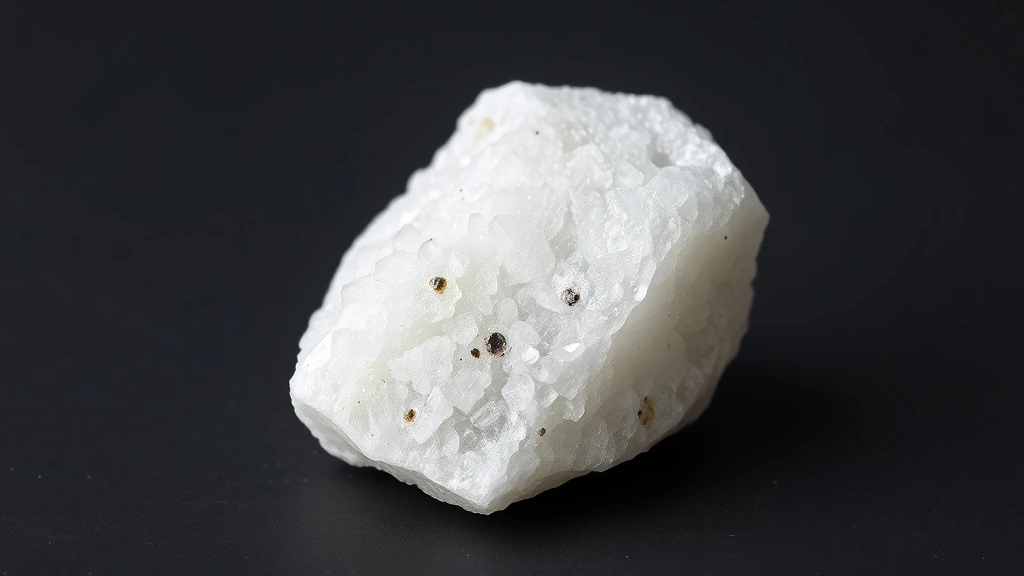
Gypsum belongs to the broad Natural Mineral / Crystal family and is classified as a monoclinic sulfate. Formed in evaporitic basins, it precipitates from calcium‑rich brines under low‑temperature conditions, often alongside halite and anhydrite. Its layered structure and water of crystallization give the stone a characteristic silky luster prized by collectors and metaphysical practitioners alike.
What is Gypsum Gemstone? Geological Overview & Definition
Gypsum gemstone is the gem‑quality variety of the mineral gypsum, a hydrated calcium sulfate (CaSO₄·2H₂O) that crystallizes in the monoclinic system. It occurs as massive beds, fibrous fans, or well‑formed tabular crystals, and its translucency can range from milky opalescence to crystal‑clear.
In the gem market, gypsum is valued for its soft, buttery feel and its ability to be carved into beads, cabochons, and ornamental objects. Because it is so soft, it is typically set in protective settings or used in low‑impact jewelry such as pendants and earrings.
Gypsum Gemstone Chemical Composition & Crystallographic Properties
The true crystal system of gypsum is monoclinic, with space group C2/c and lattice parameters that produce a layered, sheet‑like structure. Its unit cell contains two calcium ions coordinated by sulfate tetrahedra and interlayer water molecules, which give the mineral its distinctive cleavage on {010}.
Cation substitution is limited; trace amounts of iron, manganese, or magnesium can replace calcium, subtly altering color without disrupting the monoclinic framework. These minor impurities act as chromophore centers, producing the occasional pink (Mn²⁺) or green (Fe²⁺) hues observed in gem‑grade specimens.
Gypsum is highly acid‑sensitive; exposure to dilute acids dissolves the crystal lattice, releasing calcium and sulfate ions. This reactivity underscores the need for careful cleaning—pure water or a soft, dry cloth is preferred to preserve surface integrity.
Thermally, gypsum exhibits a well‑known dehydration transition near 150 °C, losing its structural water to become anhydrite (CaSO₄). This endothermic reaction is reversible upon re‑hydration, a property exploited in art and fire‑proofing applications, but it also means that high‑temperature environments can permanently alter a gemstone’s appearance.
| Property | Specification |
|---|---|
| Mineral Group | Natural Mineral / Crystal |
| Chemical Formula | CaSO₄·2H₂O |
| Mohs Hardness | 2.0 |
| Crystal System | Monoclinic |
| Specific Gravity (Density) | 2.30 – 2.36 |
| Refractive Index | 1.520 – 1.530 |
| Color & Optical Properties | Natural Gypsum Gemstone color spectrum and optical dispersion |
| Primary Mining Localities | Global primary localities |
| Water & Chemical Resistance | High (Safe for gentle water washing) |
| Chakra Alignment (Traditional) | Throat Chakra, Crown Chakra |
| Zodiac Affinity (Traditional) | Taurus, Virgo |
| Symbolic Meaning (Traditional) | Clarity of expression, spiritual connection, and gentle purification |
Gypsum Gemstone Varieties & Color Spectrum
Gypsum exhibits a remarkable range of natural hues driven by trace mineral impurities. The most common form is pure white, resulting from high purity and minimal contamination. However, geological conditions often introduce subtle tints that define specific trade varieties.
Selenite
Selenite refers to the transparent to translucent variety of gypsum used in metaphysical practices. It forms large, clear prisms with a vitreous luster that allows light to pass through easily. This clarity makes it distinct from opaque alabaster and highly sought after for decorative purposes.
Alabaster
Alabaster is a fine-grained, massive variety of gypsum or calcite used extensively in sculpture. It possesses a waxy luster and a soft, creamy appearance that is easy to carve. This variety is geologically distinct from crystalline selenite due to its lack of visible crystal structure.
Desert Rose
Desert roses are rosette-shaped aggregates formed by the evaporation of gypsum solutions in arid environments. They feature sharp, blade-like crystals radiating from a central core, often containing sand inclusions. These formations are iconic to regions like New Mexico and the Sahara Desert.
Rose Gypsum
Rose gypsum displays a soft pink hue caused by trace amounts of iron oxide impurities. This coloration is subtle and often appears in translucent to semi-transparent crystals. It is less common than white selenite and valued for its gentle aesthetic appeal.
Blue Gypsum
Blue gypsum is a rare variety that exhibits a distinct azure or sky-blue tint. This coloration is attributed to specific trace elements or structural defects within the crystal lattice. It is significantly rarer than other color morphs and commands a premium in the gem market.
Red Gypsum
Red gypsum contains higher concentrations of iron oxides, resulting in a deeper, more saturated red color. This variety is often opaque and found in sedimentary deposits rich in iron. Its intense hue makes it a striking alternative to the more common white and pink forms.
Where is Gypsum Gemstone Found? Geological Mining & Extraction
Gypsum typically forms in evaporite deposits created by the drying of ancient seas and lagoons. These sedimentary environments allow calcium sulfate to precipitate and crystallize over millions of years. The host rocks often include limestone, shale, and other marine sediments that provide the necessary chemical environment.
Major mining regions include the United States, China, Spain, and Iran, where vast deposits are accessible. Extraction methods range from open-pit mining for large-scale industrial use to careful hand-picking for gem-quality crystals. The monoclinic crystal system of gypsum makes it relatively easy to extract in large, intact blocks.
Historical Significance & Cultural Lore of Gypsum Gemstone
Ancient civilizations utilized gypsum for construction, art, and medicine long before its modern classification. The Egyptians used alabaster for sarcophagi and statues, valuing its smooth texture and durability. Greek and Roman cultures also employed gypsum in architectural elements and as a binding agent in plaster.
In traditional metaphysical practices, gypsum is associated with the Throat Chakra and Crown Chakra. It is believed to enhance clarity of expression and facilitate spiritual connection. This lore persists in contemporary crystal healing, where it is used for gentle purification and communication.
Modern Uses & Jewelry Applications of Gypsum Gemstone
Gypsum is primarily valued for its ornamental versatility rather than durable jewelry settings due to its low hardness. Lapidaries often cut it into cabochons or intricate carvings, leveraging its soft texture for detailed artistic expression. Because it is susceptible to scratching, it is best reserved for pendants or brooches protected from daily impact.
- Ornamental Carving: Ideal for statuettes, rosaries, and decorative boxes.
- Cabochon Cutting: Smooth, polished domes that highlight translucency and color.
- Faceted Gems: Rarely faceted due to fragility, but possible for display pieces.
- Architectural Elements: Used in moldings, sculptures, and interior design accents.
Metaphysical Properties & Traditional Meaning of Gypsum Gemstone
According to historical traditions and metaphysical lore, gypsum is revered for its ability to foster clarity of expression and gentle spiritual purification. Practitioners believe this stone encourages honest communication and helps dissolve emotional blockages associated with the voice. Its soft energy is thought to soothe anxiety and promote a calm, meditative state of mind.
The stone is often associated with spiritual connection, serving as a bridge between the physical and ethereal realms. Users report feeling a heightened sense of intuition and mental clarity when meditating with gypsum. This gentle mineral is believed to support personal growth by encouraging self-reflection and compassionate dialogue.
Which Chakra and Zodiac Signs Align with Gypsum Gemstone?
Gypsum is energetically aligned with the Throat Chakra, which governs communication and self-expression. By balancing this energy center, the stone is believed to help individuals articulate their thoughts with confidence and authenticity. It supports clear verbalization and helps release the fear of speaking one’s truth.
Additionally, gypsum resonates with the Crown Chakra, enhancing spiritual awareness and higher consciousness. This connection aids in deepening meditation practices and fostering a sense of unity with the universe. The stone’s gentle vibration supports the expansion of mental horizons and spiritual insight.
In terms of astrology, gypsum is strongly associated with the earth signs Taurus and Virgo. For Taurus, it provides stability and grounding, helping to anchor their natural sensuality with clarity. This alignment supports their desire for security and tangible results in communication.
For Virgo, gypsum enhances their analytical nature by promoting precise and thoughtful expression. It helps them overcome excessive self-criticism and encourages a more balanced approach to detail. This zodiacal connection reinforces their innate ability to organize and communicate complex ideas effectively.
How to Identify Real vs. Fake Gypsum Gemstone
Distinguishing genuine gypsum from artificial imitations requires attention to specific physical properties. Common fakes include synthetic glass, which is harder and denser, and dyed replicas made from other soft minerals. Glass imitations often lack the natural inclusions and subtle color variations found in authentic gypsum.
Practical At-Home Authenticity Tests
- Temperature Test (Thermal Feel): Gypsum feels cool to the touch initially but warms up quickly due to its low thermal conductivity. Glass imitations tend to remain cold for a longer duration.
- Specific Gravity & Weight Test: Genuine gypsum has a low density of 2.31–2.33 g/cm³, making it feel surprisingly light for its size. Glass replicas are significantly heavier and feel denser in the hand.
- Scratch & Hardness Test (Mohs Comparison): Gypsum has a Mohs hardness of 1.5–2, meaning it can be easily scratched by a fingernail or a copper coin. Glass, with a hardness of around 5.5, will not be scratched by these tools.
- Microscopic & Loupe Inspection (Internal Inclusions): Use a 10x loupe to look for natural feather-like inclusions or fluid cavities. Glass often contains tiny, spherical bubbles or swirl marks that are absent in natural gypsum.
Gypsum Gemstone Valuation Factors, Grading & Pricing
Color Saturation significantly influences market desirability, with pure white or translucent specimens commanding higher premiums. Tone uniformity across the entire stone ensures visual consistency, preventing distracting color zoning. High optical clarity and a distinct vitreous luster further enhance the gemstone’s perceived brilliance and overall aesthetic appeal.
Carat Weight affects pricing, though large, flawless gypsum crystals are rare due to the mineral’s inherent fragility. Facet symmetry is critical for maximizing light return, requiring precise cutting to avoid chipping during the process. The presence of matrix or inclusions generally reduces value, as they can compromise structural integrity and visual transparency.
Geographical Provenance Premium is observed in specimens from renowned localities, such as the classic selenite formations of the Middle East. Wholesale prices remain modest, but retail values increase significantly for museum-quality, large single crystals. Market trends favor unique, well-preserved specimens that demonstrate exceptional crystal habit and natural formation patterns.
How to Clean and Care for Gypsum Gemstone
Gypsum is a soft mineral with a Mohs hardness of only 1.5 to 2, making it highly susceptible to physical damage. You must use warm soapy water and a soft cloth for gentle manual cleaning to remove surface dust. Avoid ultrasonic cleaners entirely, as the vibrations can cause severe structural fractures in this delicate material.
Given its low hardness, store gypsum separately from harder gemstones to prevent scratching during handling. The mineral is water-soluble, so prolonged immersion should be avoided to maintain its structural stability. Always dry the stone thoroughly with a lint-free cloth after any gentle washing procedure.
Cleansing and Recharging Gypsum Gemstone (Energetic Care)
For energetic maintenance, utilize dry methods that respect the mineral’s water solubility and fragile nature. Smoke smudging with sage or palo santo is an effective, non-invasive technique for clearing negative energy. This method avoids any contact with moisture, ensuring the crystal’s physical integrity remains completely intact.
Placing the gemstone on a selenite plate under moonlight is another popular recharging practice. Selenite is a variety of gypsum, creating a harmonious energetic connection without risking physical damage. This gentle approach aligns with the stone’s association with spiritual clarity and throat chakra balance.
Frequently Asked Questions About Gypsum Gemstone
Is gypsum safe to wear in the shower or while swimming?
Yes, gypsum tolerates gentle water exposure. Its high water resistance means it can be rinsed with lukewarm water, but prolonged soaking or hot water can weaken the surface. For everyday wear, wipe the stone with a soft, damp cloth and dry it promptly to maintain brilliance.
Can I clean my gypsum jewelry with an ultrasonic cleaner?
No, avoid ultrasonic cleaning for gypsum. The recommended method is warm, soapy water and a soft cloth; ultrasonic vibrations may cause micro‑fractures in this soft mineral (Mohs 1.5–2). Gentle hand cleaning preserves the stone’s delicate luster and structural integrity.
What zodiac signs are associated with gypsum?
Gypsum aligns with Taurus and Virgo. These earth‑sign energies complement the stone’s grounding qualities, encouraging clarity of expression and practical insight. Wearing gypsum during key astrological periods can enhance focus and stability.
Which chakras does gypsum activate?
Gypsum resonates with the Throat and Crown Chakras. Activation of the Throat Chakra supports clear communication, while the Crown Chakra encourages spiritual connection and gentle purification. Meditative use can amplify these subtle energetic effects.
How does gypsum’s hardness affect its use in rings?
Gypsum’s low hardness (Mohs 1.5–2) makes it unsuitable for daily‑wear rings. It is best set in pendants, earrings, or brooches where impact is minimal. Protective settings, such as bezel or cushion cuts, help shield the stone from scratches and knocks.
What is the typical refractive index range for gypsum?
Gypsum exhibits a refractive index of nα = 1.519–1.521, nβ = 1.522–1.523, nγ = 1.529–1.530. These values produce a subtle, milky luster rather than high brilliance, giving the gem its characteristic soft glow that is prized in decorative pieces.
Is gypsum prone to discoloration or fading over time?
Gypsum is generally stable but can develop a patina with prolonged UV exposure. Sunlight may cause slight whitening or surface clouding, especially on polished facets. Storing the gemstone away from direct light and cleaning gently helps retain its original appearance.
Can gypsum be used in crystal healing for emotional balance?
Yes, gypsum is employed for emotional soothing and gentle purification. Its esoteric keywords—clarity of expression, spiritual connection, and gentle purification—make it a favored tool for meditation, promoting calm speech and inner peace. Regular handling can reinforce these therapeutic intentions.