
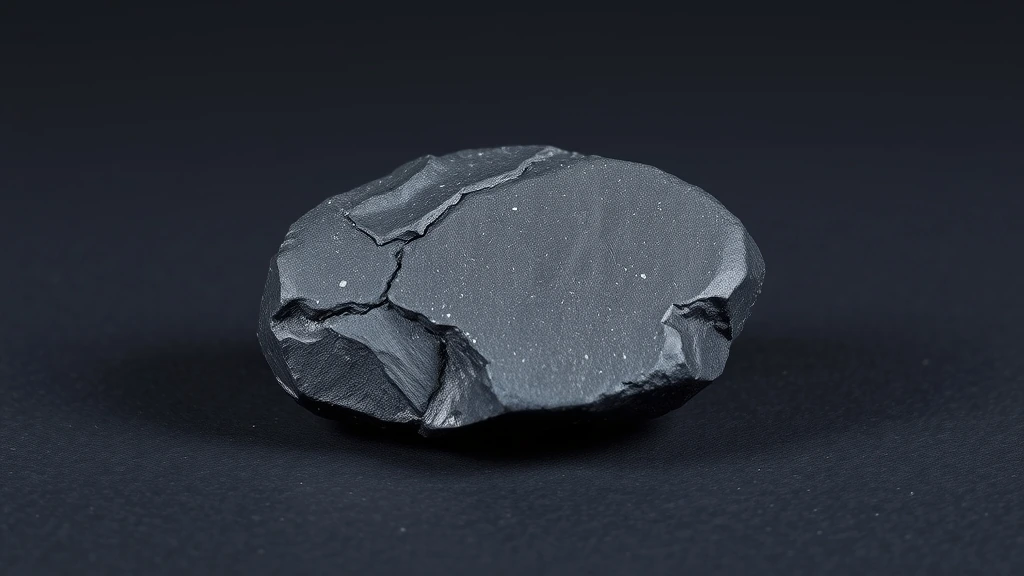
Lava stone belongs to the Natural Mineral / Crystal parent group, representing a solidified igneous flow. It forms when basaltic magma cools rapidly on the Earth’s surface. This process creates a dense, interlocking matrix of fine-grained crystals. Unlike single-crystal gemstones, it lacks a uniform lattice structure. Consequently, it is classified as a rock rather than a distinct mineral species.
What is Lava Stone (basalt) Gemstone? Geological Overview & Definition
Lava stone is technically a basaltic rock rather than a single mineral species. It forms from the rapid cooling of basaltic magma at the Earth’s surface. This quick solidification prevents large crystals from forming, resulting in a fine-grained texture. The stone is characterized by its porous, vesicular structure.
These voids, known as vesicles, are created by escaping gas bubbles during eruption. The resulting material is dense and durable, making it suitable for jewelry. It is often mistaken for obsidian, but lava stone is crystalline rather than glassy. This distinction is crucial for accurate geological identification.
Lava Stone (basalt) Gemstone Chemical Composition & Crystallographic Properties
Lava stone is a polycrystalline aggregate, meaning it consists of many tiny crystals. It does not possess a single, uniform crystal system like quartz or diamond. Instead, it displays isotropic optical properties due to this random orientation. This structure prevents the stone from splitting along specific cleavage planes.
The primary constituents are plagioclase feldspar and pyroxene, often accompanied by olivine. These minerals contain various cations, such as calcium and sodium, within their lattice structures. Cation substitution occurs naturally, where similar-sized ions replace one another in the crystal lattice. This variation contributes to slight differences in density and color.
The stone’s dark coloration stems from chromophore elements like iron and titanium. These elements absorb light across the visible spectrum, creating the characteristic black or dark gray appearance. Magnetite is also a common minor component, adding to the magnetic properties of the rock. The overall composition is complex and heterogeneous.
Lava stone is generally stable under normal environmental conditions. It exhibits low acid sensitivity compared to carbonate-bearing rocks. However, its porous nature can trap oils and dirt over time. Thermal behavior is moderate, with a density ranging from 2.8 to 3.1 g/cm³. This makes it robust for everyday wear in jewelry settings.
| Property | Specification |
|---|---|
| Mineral Group | Natural Mineral / Crystal |
| Chemical Formula | Plagioclase feldspar, pyroxene, olivine, magnetite |
| Mohs Hardness | 5.5 – 6.5 |
| Crystal System | Polycrystalline (Isotropic) |
| Specific Gravity (Density) | 2.8 – 3.1 |
| Refractive Index | 1.53 – 1.67 |
| Color & Optical Properties | Natural Lava Stone (basalt) Gemstone color spectrum and optical dispersion |
| Primary Mining Localities | Global primary localities |
| Water & Chemical Resistance | High (Safe for gentle water washing) |
| Chakra Alignment (Traditional) | Root Chakra |
| Zodiac Affinity (Traditional) | Aries, Taurus, Leo, Scorpio |
| Symbolic Meaning (Traditional) | Grounding, protection, and emotional stability |
Lava Stone (basalt) Gemstone Varieties & Color Spectrum
Classic Black Basalt
Formed from rapid cooling of mafic lava flows, classic black basalt is a polycrystalline aggregate of plagioclase, pyroxene, and olivine. Microscopic magnetite inclusions give the stone a subtle metallic sheen that deepens under polished light. This variety is abundant in volcanic regions of Iceland and the Pacific Northwest, making it relatively common but prized for its uniform darkness.
Snow‑Flake Basalt
Snow‑flake basalt develops when tiny gas bubbles become trapped during solidification, later filling with magnetite crystals that appear as sparkling specks. The contrast between the jet‑black matrix and bright white flecks creates a striking visual signature favored by jewelry designers. Found chiefly in the basaltic plateaus of the Azores, this morph is rarer than the classic black due to the specific degassing conditions required.
Red‑Veined Basalt (Rhodonite‑Streak)
In regions where iron‑rich fluids percolate through cooling lava, red‑veined basalt acquires thin, rust‑colored streaks of hematite and goethite. These linear inclusions run parallel to flow lines, offering a dramatic, earthy pattern. The most notable deposits occur in the volcanic fields of Turkey’s Anatolia region, where the combination of high iron content and slow cooling yields a limited supply prized by collectors.
Green‑Tinted Basalt (Olive Basalt)
When olivine crystals remain partially unaltered, the basalt takes on a muted olive‑green hue. The green tint is most pronounced in basaltic flows that cooled slowly enough for olivine to grow to visible sizes, often accompanied by tiny pyroxene needles. Such stones are sourced from the Hawaiian Islands and the Ethiopian Rift, where the mantle source is unusually magnesium‑rich, making the variety moderately scarce.
Porphyritic Basalt (Pillow Basalt)
Pillow basalt forms underwater, producing rounded, porphyritic nodules with a glassy exterior and a coarse‑grained interior. The interior often displays concentric bands of plagioclase and pyroxene, giving a “bullseye” effect when cut cross‑sectionally. These specimens are harvested from mid‑ocean ridge exposures off the coast of New Zealand and are valued for their unique textural contrast, rendering them among the most collectible forms.
Polished Lava Agate (Lava‑Agate Fusion)
In rare cases, silica‑rich fluids infiltrate basaltic cracks, precipitating micro‑crystalline quartz that fuses with the host rock. The result is a semi‑transparent, banded stone that retains basalt’s dark base while displaying agate‑like iridescence. Found only in the volcanic terrains of Mexico’s Sierra Madre, this hybrid is exceptionally limited and commands high prices in the gemstone market.
Where is Lava Stone (basalt) Gemstone Found? Geological Mining & Extraction
Basaltic lava stones are extracted from extrusive igneous formations that dominate oceanic crust and continental flood basalts. Mining typically involves open‑pit quarrying of weathered flow tops, followed by hydraulic fracturing to separate the dense, polycrystalline blocks from surrounding sediment. The process preserves the stone’s isotropic texture while minimizing fracture risk.
Primary commercial sources include Iceland’s Mid‑Atlantic Ridge outcrops, the Columbia River Basalt Group in the United States, and the Deccan Traps of India. In each locale, miners target zones where cooling rates produced the desired color morphs, employing diamond‑tipped saws and water‑jet cutters to produce slabs ready for lapidary finishing.
Historical Significance & Cultural Lore of Lava Stone (basalt) Gemstone
Ancient Greeks and Romans fashioned basalt beads and amulets, believing the stone’s volcanic origin endowed it with protective powers against fire and disease. Archaeological digs in Pompeii have uncovered basalt pendants set in bronze, indicating its use as a status symbol among the elite.
In Turkish folklore, red‑veined basalt was called “Kızıl Taş” and used in talismans to ground the wearer’s energy, aligning with the Root Chakra. Indigenous peoples of the Pacific Northwest carved basalt into ceremonial pipes, attributing the stone’s heat‑conducting properties to spiritual warmth and emotional stability.
Modern Uses & Jewelry Applications of Lava Stone (basalt) Gemstone
Lava stone is favoured by lapidaries for its polycrystalline texture, which allows smooth cabochon shaping and limited faceting without fracturing. Designers often set the stone in minimalist settings that highlight its earthy tones, while artisans carve ornamental beads, pendants, and small figurines for décor. Its modest Mohs hardness (5.5‑6.5) makes it durable enough for everyday wear yet easy to work with.
- Cabochon pendants and earrings with polished matte finishes
- Simple faceted beads for bracelets and necklaces
- Carved animal or geometric charms for ornamental jewelry
- Integrated into mixed‑media pieces with wood, leather, or metal
Metaphysical Properties & Traditional Meaning of Lava Stone (basalt) Gemstone
According to historical traditions and metaphysical lore, lava stone is regarded as a grounding talisman that anchors the wearer to the physical world. It is believed to absorb negative energy, transform it into protective strength, and promote emotional stability during periods of stress or change. Practitioners often carry the stone during meditation to reinforce a sense of inner calm and resilience.
Which Chakra and Zodiac Signs Align with Lava Stone (basalt) Gemstone?
The stone is expressly linked to the Root Chakra, the energy centre associated with survival, security, and physical vitality. When placed on the base of the spine, it is said to stimulate grounding, bolster confidence, and support the body’s natural rhythms.
Astrologically, lava stone resonates with the fire‑earth signs Aries, Taurus, Leo, and Scorpio. These signs are thought to benefit from the stone’s stabilising influence, which balances their dynamic drive with a steady, earthy foundation.
How to Identify Real vs. Fake Lava Stone (basalt) Gemstone
Artificial imitations of lava stone include coloured glass, resin, and dyed basalt composites that mimic its dark, porous appearance. Synthetic glass may display a uniform sheen and lack the subtle texture of natural basalt, while dyed replicas often feel lighter and may show uneven coloration under close inspection. Recognising these differences helps avoid costly misidentifications.
Practical At-Home Authenticity Tests
- Temperature Test (Thermal Feel): Natural basalt absorbs heat slowly and feels cool to the touch, whereas glass or resin warms quickly in the hand.
- Specific Gravity & Weight Test: Real lava stone weighs 2.8‑3.1 g/cm³; a simple water‑displacement test will reveal a heavier feel compared with lighter imitations.
- Scratch & Hardness Test (Mohs Comparison): Use a steel file (hardness ~6.5); natural lava stone will resist scratching, while glass or plastic will show visible marks.
- Microscopic & Loupe Inspection (Internal Inclusions): Under 10× magnification, authentic basalt shows fine, irregular pores and mineral grains, whereas synthetic glass appears uniformly smooth with no natural inclusions.
Lava Stone (basalt) Gemstone Valuation Factors, Grading & Pricing
Market value is primarily driven by Color Saturation and overall tone uniformity. Collectors prefer specimens with deep, consistent black hues rather than mottled or grayish appearances. High optical clarity and a subtle, natural luster further enhance the stone’s visual appeal and desirability.
Pricing also depends heavily on Carat Weight and the precision of facet symmetry. Larger, well-proportioned pieces command higher premiums due to the rarity of intact, large basalt formations. The presence of distinct mineral inclusions or matrix patterns can either increase or decrease value depending on the specific market segment.
Geographical Provenance Premium significantly influences final retail pricing for certified specimens. Stones sourced from renowned volcanic regions often carry higher wholesale and retail values. Current market trends show steady demand for ethically sourced, high-quality lava stone jewelry pieces.
How to Clean and Care for Lava Stone (basalt) Gemstone
To maintain the integrity of your lava stone, always use warm soapy water and a soft, lint-free cloth. Gently wipe the surface to remove oils and dust without applying excessive pressure. This method effectively cleans the porous surface while preserving its natural texture and protective qualities.
It is critical to avoid ultrasonic cleaners entirely, as they can cause structural fractures. The polycrystalline nature of basalt makes it susceptible to stress from high-frequency vibrations. Never submerge the stone in harsh chemicals or abrasive solutions that could damage its surface.
Cleansing and Recharging Lava Stone (basalt) Gemstone (Energetic Care)
For energetic maintenance, utilize dry methods that respect the stone’s sensitive water resistance. Smoke smudging with sage or palo santo is an effective way to clear stagnant energy. This practice allows the stone to absorb positive vibrations without risking physical degradation from moisture exposure.
Alternatively, place the gemstone on a selenite plate under moonlight for recharging. This gentle approach aligns with the stone’s association with the Root Chakra and grounding properties. Ensure the stone is completely dry before storing it to prevent any potential mineral solubility issues.
Frequently Asked Questions About Lava Stone (basalt) Gemstone
Is lava stone safe to wear in the shower?
Lava stone is sensitive to prolonged water exposure and should be removed before showering. As a porous volcanic rock, it can absorb moisture over time, which may lead to internal structural changes or surface discoloration. To maintain its integrity, limit contact with water and dry it immediately if it gets wet.
How should I clean my lava stone jewelry?
Use warm soapy water and a soft cloth for gentle, effective cleaning. Avoid ultrasonic cleaners entirely, as the high-frequency vibrations can cause structural fractures in the porous basalt matrix. A simple wipe-down with mild soap removes oils and dirt without risking damage to the stone’s delicate surface.
What is the chemical composition of lava stone?
Lava stone is a polycrystalline aggregate primarily composed of plagioclase feldspar and pyroxene. It often contains minor amounts of olivine and magnetite, giving it its characteristic dark coloration. This complex mineral mix results in a refractive index ranging from 1.53 to 1.67, distinguishing it from single-crystal gemstones.
Which zodiac signs are compatible with lava stone?
Lava stone is traditionally aligned with Aries, Taurus, Leo, and Scorpio. These fire and earth signs benefit from the stone’s intense grounding properties. Wearing this gemstone is believed to help these individuals channel their energy effectively and maintain emotional balance during challenging periods.
Which chakra does lava stone activate?
Lava stone is specifically attuned to the Root Chakra. This energy center governs feelings of safety, stability, and physical connection to the earth. By resonating with the Root Chakra, the stone helps users feel more anchored and secure in their daily lives.
Is lava stone hard enough for daily wear?
With a Mohs hardness of 5.5 to 6.5, it is moderately durable for jewelry. While it can withstand minor bumps, it is softer than quartz or sapphire. Be mindful of impacts, as the polycrystalline structure can chip if struck against harder surfaces like concrete or other gemstones.
Can lava stone be used in ultrasonic cleaners?
No, you must avoid ultrasonic cleaners to prevent structural fractures. The intense vibrations can exploit the natural pores and micro-cracks within the basalt. Instead, stick to manual cleaning with a soft cloth and mild soap to preserve the stone’s porous texture and overall aesthetic appeal.
What is the density of lava stone?
Lava stone has a specific gravity ranging from 2.8 to 3.1. This density is typical for mafic igneous rocks rich in iron and magnesium. Understanding this density helps gemologists distinguish genuine basalt from lighter, synthetic imitations or other volcanic materials in the market.