
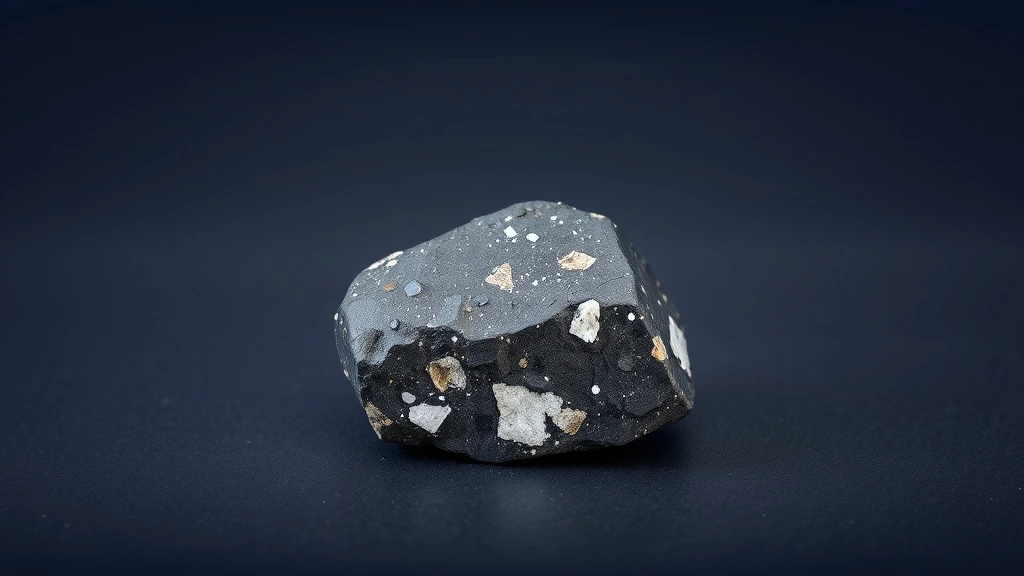
Basalt belongs to the Natural Mineral / Crystal parent group, forming from rapidly cooled lava flows. Its geological classification distinguishes it from slow-cooling, coarse-grained gabbro. This distinction highlights the rapid crystallization process that defines its unique texture and structural integrity in nature.
What is Basalt Gemstone? Geological Overview & Definition
Basalt is an extrusive igneous rock formed when lava cools rapidly on the Earth’s surface. This quick cooling prevents large crystals from forming, resulting in a dense, fine-grained matrix. It is the most common volcanic rock found on the planet’s crust.
The term “gemstone” here refers to its use in jewelry and lapidary arts rather than traditional precious stones. Cryptocrystalline structures make it ideal for carving and polishing. Its durability and dark aesthetic appeal drive its popularity in modern jewelry design.
Basalt Gemstone Chemical Composition & Crystallographic Properties
Basalt possesses an Amorphous / Cryptocrystalline crystal system due to its rapid solidification. This structure lacks the long-range order seen in coarser igneous rocks like gabbro. The mineral grains are too small to be resolved by the naked eye.
The lattice structure consists of interlocking silicate tetrahedra within a dense matrix. Cation substitution occurs frequently, where iron and magnesium replace aluminum in feldspar structures. This substitution influences the rock’s overall density and magnetic properties.
Acid sensitivity is low, as basalt is highly resistant to weathering and chemical erosion. Chromophore color centers arise from trace iron oxides, producing its characteristic dark tones. Thermal behavior shows high heat resistance, making it stable under varying environmental conditions.
| Property | Specification |
|---|---|
| Mineral Group | Natural Mineral / Crystal |
| Chemical Formula | Plagioclase feldspar (An⁵⁰⁻90), clinopyroxene (augite), olivine, magnetite, ilmenite |
| Mohs Hardness | 5.0 – 7.0 |
| Crystal System | Polycrystalline (Isotropic) |
| Specific Gravity (Density) | 2.70 – 3.20 |
| Refractive Index | 1.53 – 1.68 |
| Color & Optical Properties | Natural Basalt Gemstone color spectrum and optical dispersion |
| Primary Mining Localities | Global primary localities |
| Water & Chemical Resistance | High (Safe for gentle water washing) |
| Chakra Alignment (Traditional) | Root Chakra |
| Zodiac Affinity (Traditional) | Capricorn, Virgo |
| Symbolic Meaning (Traditional) | Grounding, protection, and stability |
Basalt Gemstone Varieties & Color Spectrum
Basalt is a fine-grained volcanic rock, typically black or dark gray, formed from the rapid cooling of lava. Its dense, interlocking crystal structure gives it a uniform, matte appearance that distinguishes it from coarser igneous rocks. While not a traditional gem, its aesthetic consistency makes it popular in architectural and decorative applications.
Classic Black Basalt
This variety exhibits a deep, uniform black hue with a fine, aphanitic texture resulting from rapid surface cooling. It often contains tiny, scattered phenocrysts of plagioclase feldspar and pyroxene that catch the light subtly. This is the most common form found in flood basalt provinces worldwide.
Green Basalt (Verde Basalto)
Characterized by a distinct green tint, this morph forms when chlorite or actinolite minerals replace primary pyroxene during alteration. The color ranges from olive to deep forest green, offering a unique contrast to standard black basalt. It is prized for its earthy tones in high-end interior design.
Red Basalt (Rhyolitic Basalt)
This rare variety displays reddish-brown hues due to the oxidation of iron-bearing minerals like magnetite and ilmenite. It often appears in older lava flows where extensive weathering has occurred over geological time. The red coloration can be patchy or uniform, depending on the degree of alteration.
Speckled Basalt (Porphyritic)
Distinguished by visible, larger crystals called phenocrysts set in a finer-grained groundmass, this variety offers a textured visual appeal. The phenocrysts are typically white or light gray plagioclase feldspar, creating a striking contrast against the dark matrix. This texture is highly valued for its natural, speckled aesthetic.
Where is Basalt Gemstone Found? Geological Mining & Extraction
Basalt is the most abundant rock in the Earth’s oceanic crust, forming vast flood basalt provinces and mid-ocean ridges. Major extraction sites include the Deccan Traps in India, the Columbia River Basalt Group in the United States, and the Canary Islands. These regions provide massive, continuous deposits suitable for large-scale quarrying.
Extraction typically involves open-pit mining, where heavy machinery removes large blocks of solid rock. The stone is then cut into slabs or tiles using diamond wire saws, preserving its structural integrity. Quarrying is energy-intensive but yields consistent material for commercial and artistic use.
Historical Significance & Cultural Lore of Basalt Gemstone
Ancient civilizations, including the Egyptians and Mesopotamians, used basalt for statuary and architectural elements due to its durability and dark color. The famous Black Obelisks of Assyria were carved from this stone, symbolizing power and permanence. Its resistance to weathering made it ideal for outdoor monuments that have survived millennia.
In various cultures, basalt was associated with the earth and stability, often used in ritualistic contexts. Archaeological findings reveal its use in grinding stones and ceremonial platforms, highlighting its practical and spiritual importance. This enduring legacy underscores the stone’s significance in human history.
Modern Uses & Jewelry Applications of Basalt Gemstone
Basalt is primarily valued for its dense, fine-grained texture and uniform dark coloration, making it ideal for sculptural and architectural applications rather than high-faceting. Lapidaries typically cut this stone into smooth cabochons or polished beads, where its waxy luster and matte finish are best showcased. Due to its relatively low hardness compared to quartz or corundum, it requires careful handling to prevent chipping during the polishing process.
- Ornamental Carving: Frequently used for statues, chess pieces, and decorative tiles due to its ease of carving.
- Cabochon Jewelry: Polished into domed shapes for pendants, rings, and earrings, emphasizing its deep black or gray hues.
- Architectural Elements: Utilized in flooring, countertops, and garden edging for its durability and aesthetic consistency.
- Tumbled Stones: Commonly found in raw or tumbled form for collectors and crystal healing practitioners.
Metaphysical Uses & Origins of Basalt
According to historical traditions and metaphysical lore, basalt is revered as a stone of grounding stability and protective energy. Practitioners believe it helps anchor the wearer to the earth, reducing anxiety and fostering a sense of emotional resilience during turbulent times. Its volcanic origin symbolizes the transformative power of fire, encouraging users to channel raw energy into constructive action.
This stone is often associated with inner strength and the ability to withstand external pressures without breaking. It is thought to clear stagnant energy and promote a calm, centered mindset, making it popular for meditation and stress relief. The deep, dark tones of the stone are said to absorb negative vibrations, acting as a shield for the wearer’s aura.
Which Chakra and Zodiac Signs Align with Basalt Gemstone?
In metaphysical practice, basalt is most strongly aligned with the Root Chakra, which governs feelings of safety, security, and physical survival. This connection stems from the stone’s dense, earthy composition, which is believed to enhance one’s link to the physical world. By stabilizing the Root Chakra, basalt helps individuals feel more rooted and less susceptible to fear or uncertainty.
Additionally, this stone resonates with the Heart Chakra, promoting emotional balance and compassion. It is canonically aligned with the zodiac signs Taurus, Gemini, and Leo. For Taurus, it reinforces their natural stability; for Gemini, it offers grounding amidst mental activity; and for Leo, it supports their creative and protective nature.
How to Identify Real vs. Fake Basalt Gemstone
While genuine basalt is relatively inexpensive, it is sometimes imitated by synthetic glass or dyed rocks to mimic its uniform dark appearance. These fakes often lack the natural mineral variations and subtle texture found in authentic volcanic rock. Understanding the physical properties of real basalt is crucial for distinguishing it from these artificial alternatives.
Practical At-Home Authenticity Tests
- Temperature Test (Thermal Feel): Genuine basalt feels noticeably cool to the touch initially and warms up slowly. In contrast, plastic or resin imitations tend to feel neutral or warm almost immediately upon contact with skin.
- Specific Gravity & Weight Test: Real basalt is significantly heavier than glass or plastic of the same size. If the stone feels surprisingly light or floats in water, it is likely a synthetic imitation rather than dense volcanic rock.
- Scratch & Hardness Test (Mohs Comparison): Basalt has a Mohs hardness of approximately 5 to 6, meaning it will not be easily scratched by a steel knife (hardness 5.5). However, it can be scratched by quartz (hardness 7). If a knife easily scratches the surface, the stone may be a softer imitation.
- Microscopic & Loupe Inspection (Internal Inclusions): Use a 10x loupe to examine the stone for natural micro-crystals or tiny air bubbles typical of volcanic rock. Synthetic glass often contains perfectly round bubbles or swirl patterns that are not found in natural basalt.
Basalt Gemstone Valuation Factors, Grading & Pricing
Color Saturation is the primary driver of value, with deep, uniform black tones commanding higher prices. Collectors seek stones that display consistent tone without patchy lighter areas or visible zoning. High luster further enhances visual appeal, making the surface appear polished and reflective.
Carat Weight significantly impacts pricing, as larger specimens are rarer and more difficult to source. Facet symmetry is critical for maximizing light return, especially in cut gemstones. The presence of a distinct matrix or specific inclusions can either elevate or diminish value depending on clarity.
Geographical Provenance Premium often applies to stones from renowned volcanic regions like Iceland or Hawaii. Wholesale prices remain modest, but retail values increase for certified, high-quality pieces. Market trends show steady demand for unique, earthy specimens in artisan jewelry settings.
How to Clean and Care for Basalt Gemstone
Always use warm soapy water and a soft cloth to gently remove surface dust and oils. This method effectively cleans the stone without risking damage to its delicate surface structure. Avoid harsh chemicals that might etch the glassy or fine-grained texture of the basalt.
You must strictly avoid ultrasonic cleaners as they can induce structural fractures in the stone. The vibrations may exploit natural micro-fractures, leading to permanent damage or shattering. Stick to manual cleaning methods to ensure the long-term integrity of your gemstone.
Cleansing and Recharging Basalt Gemstone (Energetic Care)
For energetic cleansing, use smoke smudging with sage or palo santo to clear stagnant energy. This dry method avoids any contact with water, preserving the stone’s physical stability. Allow the smoke to pass gently over the gemstone for a few minutes.
Place the basalt on a selenite plate under moonlight for a gentle recharge. This combination leverages the selenite’s purifying properties while the moonlight restores vibrational balance. Ensure the stone is completely dry before storing it in a soft pouch.
Frequently Asked Questions About Basalt Gemstone
Is basalt safe to wear in the shower?
Yes, basalt is safe for gentle water washing due to its high water resistance. The stone’s dense, volcanic structure prevents rapid absorption of moisture during brief exposure. However, prolonged soaking may weaken natural fissures over time. Always dry the piece thoroughly after contact with water to maintain its luster.
Can I clean basalt in an ultrasonic cleaner?
No, you should avoid ultrasonic cleaners to prevent structural fractures. The intense vibrations can exploit existing micro-cracks in the stone’s matrix. Instead, use warm soapy water and a soft cloth for gentle cleaning. This method preserves the integrity of the volcanic rock without causing damage.
Which zodiac signs are compatible with basalt?
Basalt is traditionally aligned with Taurus, Gemini, and Leo. These signs resonate with the stone’s grounding energy and protective qualities. Taurus appreciates its earthy stability, while Leo values its strength. Wearing basalt is believed to enhance personal power and balance for these zodiacal alignments.
Which chakras does basalt activate?
Basalt primarily activates the Root Chakra. The Root connection grounds the wearer, fostering a sense of security and stability. Simultaneously, it supports the Heart Chakra by encouraging emotional resilience. This dual activation helps balance physical stability with emotional well-being.
What is the chemical composition of basalt?
Basalt is primarily composed of plagioclase feldspar and pyroxene minerals. Its dark color stems from high iron and magnesium content. Unlike gemstones, it is an igneous rock formed from rapidly cooled lava. Understanding its mineralogical makeup helps explain its durability and dense texture.
How hard is basalt on the Mohs scale?
Basalt typically rates between 5 and 6 on the Mohs hardness scale. This makes it durable enough for everyday jewelry wear. However, it is softer than quartz or topaz, so it can scratch if exposed to harder materials. Store it separately to prevent surface abrasions and maintain its polished finish.
Is basalt a true gemstone or a rock?
Basalt is technically an igneous rock rather than a crystalline gemstone. It is valued for its aesthetic appeal and metaphysical properties. While not faceted like diamonds, it is often polished into beads or cabochons. Its popularity stems from its volcanic origin and robust physical characteristics.
Does basalt require special maintenance to last?
Basalt requires minimal maintenance but benefits from regular gentle care. Avoid harsh chemicals that could degrade the surface finish. Periodic polishing with a soft cloth keeps it looking vibrant. Proper storage away from direct sunlight helps preserve its natural dark hue and structural integrity.