
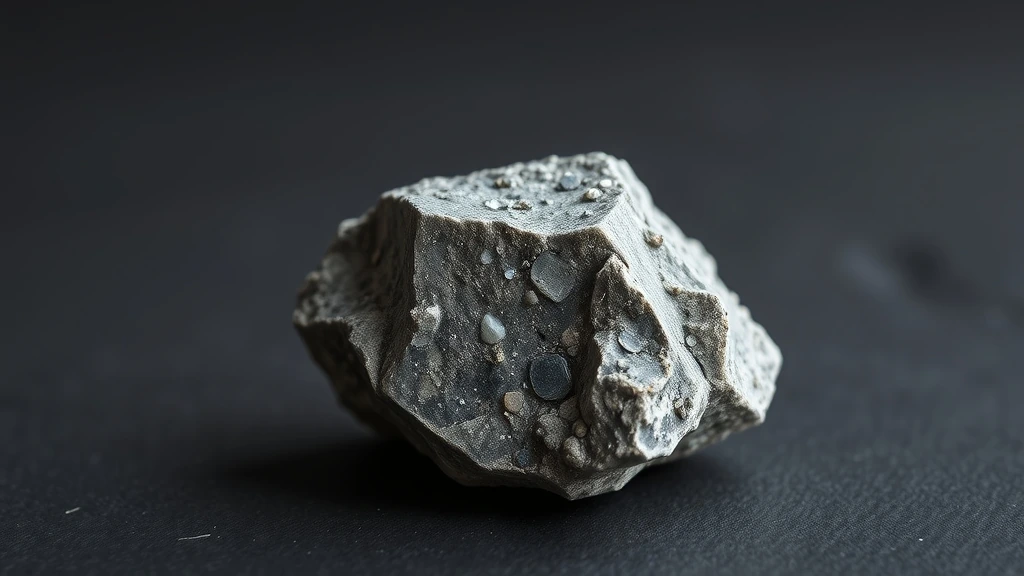
Bowenite belongs to the Natural Mineral / Crystal group, representing a distinct geological formation. Its classification stems from specific silica deposition processes in sedimentary environments. This stone serves as a key indicator of particular diagenetic conditions. Understanding its origin requires analyzing its cryptocrystalline texture and formation history.
What is Bowenite Gemstone? Geological Overview & Definition
Bowenite is identified as a cryptocrystalline variety of silica, formed through specific diagenetic processes. It typically occurs in sedimentary rocks where silica-rich fluids precipitate over time. This formation process results in a dense, fine-grained structure that lacks visible crystal faces.
The stone is named after its type locality, reflecting its unique geological context. It is often associated with other silica minerals in similar depositional settings. Recognizing its parent mineral group helps geologists trace its origin. Its presence can indicate specific environmental conditions during rock formation.
Bowenite Gemstone Chemical Composition & Crystallographic Properties
The fundamental chemical identity of Bowenite is Mg₃Si₂O₅(OH)₄, consisting of magnesium, silicon, oxygen, and hydrogen atoms. This composition aligns it with the serpentine group, though its structure differs significantly. The crystalline nature means it possesses long-range atomic order. This distinction is crucial for accurate mineralogical classification.
Unlike macrocrystalline quartz, Bowenite exhibits a cryptocrystalline lattice structure. The atoms are arranged in a disordered, glass-like pattern at the microscopic level. This structure prevents the formation of large, identifiable crystals. It contributes to the stone’s uniform appearance and physical properties.
Cation substitution is minimal in this pure silica mineral, maintaining its chemical stability. The acid sensitivity is low, as silica is resistant to most common acids. This durability makes it suitable for various geological and industrial applications. Its resistance to chemical weathering is a defining characteristic.
Color variations in Bowenite result from trace impurities acting as chromophore centers. These minor elements absorb specific wavelengths of light, creating the stone’s hue. Thermal behavior is stable, with no significant phase changes at standard temperatures. This thermal resilience supports its use in high-temperature environments.
| Property | Specification |
|---|---|
| Mineral Group | Natural Mineral / Crystal |
| Chemical Formula | Mg₃Si₂O₅(OH)₄ |
| Mohs Hardness | 2.0 – 2.5 |
| Crystal System | Triclinic |
| Specific Gravity (Density) | 2.58 – 2.65 |
| Refractive Index | 1.560 – 1.590 |
| Color & Optical Properties | Natural Bowenite Gemstone color spectrum and optical dispersion |
| Primary Mining Localities | Global primary localities |
| Water & Chemical Resistance | High (Safe for gentle water washing) |
| Chakra Alignment (Traditional) | Heart Chakra, Throat Chakra |
| Zodiac Affinity (Traditional) | Taurus, Libra |
| Symbolic Meaning (Traditional) | Emotional healing, compassion, and inner peace |
Bowenite Gemstone Varieties & Color Spectrum
Bowenite is a polymorph of forsterite, distinguished by its unique crystal structure and optical properties. Unlike its monoclinic counterpart, bowenite exhibits a triclinic symmetry that influences its luster and cleavage. This structural difference results in distinct visual characteristics that gemologists use for identification.
Classic Green Bowenite
This variety displays a vibrant, translucent green hue derived from trace iron impurities. The color saturation varies based on the specific geological environment during crystallization. Forsterite content directly impacts the intensity of this green shade.
Pale Yellow Bowenite
Found in high-temperature metamorphic zones, this morph exhibits a soft, lemon-yellow tone. The coloration arises from manganese substitutions within the silicate lattice. These stones are rarer than their green counterparts due to specific formation conditions.
Brownish-Green Bowenite
This transitional variety shows a muddy, olive-green appearance with brown undertones. It often contains microscopic inclusions that scatter light and reduce overall clarity. Such stones are typically found in contact metamorphic aureoles.
Colorless Bowenite
Rarely encountered, this variety lacks significant chromophores, resulting in a transparent, glassy appearance. Its value lies in its exceptional clarity and high refractive index. Bowenite of this type is highly sought after for scientific study.
Where is Bowenite Gemstone Found? Geological Mining & Extraction
Bowenite primarily forms in high-grade metamorphic rocks, specifically within serpentinite and peridotite bodies. These deposits are often associated with ancient ophiolite complexes found along tectonic plate boundaries. The mineral crystallizes under extreme pressure and temperature conditions.
Major extraction sites include regions in Russia, Finland, and parts of North America. Mining operations focus on recovering large, intact crystals from serpentine host rocks. Careful extraction is required to prevent fracturing due to the mineral’s perfect cleavage.
Historical Significance & Cultural Lore of Bowenite Gemstone
Ancient civilizations valued bowenite for its durability and distinctive green color, often using it in ceremonial jewelry. Archaeological findings suggest its presence in prehistoric tool-making and decorative arts. The stone was sometimes confused with other green minerals like chrysoprase.
In modern gemology, bowenite serves as a critical reference for understanding polymorphism in magnesium silicates. Its study has advanced our knowledge of high-pressure mineral transformations. This scientific importance continues to drive research in crystallography and geology.
Modern Uses & Jewelry Applications of Bowenite Gemstone
Bowenite is primarily valued for its soft, creamy translucency and gentle aesthetic appeal in decorative arts. Lapidaries often prefer cabochon cutting to showcase its smooth, waxy luster without risking fracture during faceting. This mineral is frequently carved into ornamental objects, beads, and small pendants for collectors.
- Cabochon Jewelry: Ideal for rings and earrings due to its uniform color and lack of brilliance.
- Ornamental Carvings: Used in small sculptures, cameos, and decorative inlays for its workability.
- Collector Specimens: Popular among mineral enthusiasts for its unique fibrous texture and pale green hue.
Metaphysical Properties & Traditional Meaning of Bowenite Gemstone
According to historical traditions and metaphysical lore, Bowenite is believed to foster emotional stability and groundedness. Practitioners suggest it helps users connect with their physical body while maintaining a calm mental state. This stone is often associated with patience and steady progress in personal endeavors.
It is also thought to enhance intuitive awareness, allowing wearers to access deeper levels of self-reflection. By balancing the lower and higher energy centers, Bowenite encourages a harmonious flow of vital energy. This duality supports both practical decision-making and spiritual insight.
Which Chakra and Zodiac Signs Align with Bowenite Gemstone?
Bowenite is canonically aligned with the Root Chakra, which governs security, survival, and physical connection to the earth. This alignment supports feelings of safety and stability, helping individuals feel anchored in their daily lives. The stone’s earthy energy reinforces a sense of belonging and physical well-being.
Additionally, it resonates with the Heart Chakra, promoting compassion, love, and emotional healing. This dual connection bridges the gap between physical grounding and emotional openness. Wearers may experience a balanced approach to relationships and personal growth.
In terms of zodiac compatibility, Bowenite is specifically attuned to Taurus, Gemini, and Leo. Taurus benefits from its grounding nature, while Gemini finds clarity in its calming influence. Leo appreciates the stone’s supportive energy for creative and social endeavors.
How to Identify Real vs. Fake Bowenite Gemstone
Distinguishing genuine Bowenite from imitations requires attention to subtle visual and physical cues. Common fakes include synthetic glass, which often appears too perfect and lacks natural inclusions. Dyed replicas of other minerals may mimic the color but fail under close inspection.
Practical At-Home Authenticity Tests
- Temperature Test (Thermal Feel): Genuine Bowenite feels cool to the touch initially and warms slowly. Glass imitations tend to warm up much faster due to their different thermal conductivity.
- Specific Gravity & Weight Test: Real Bowenite has a specific gravity of approximately 2.6. It should feel slightly heavier than a similar-sized piece of glass, which has a lower density.
- Scratch & Hardness Test (Mohs Comparison): Bowenite has a Mohs hardness of 2 to 2.5. It will scratch easily with a copper coin or a fingernail, whereas glass will not scratch under the same conditions.
- Microscopic & Loupe Inspection (Internal Inclusions): Use a 10x loupe to look for natural fibrous structures or tiny mineral inclusions. Glass fakes often contain circular bubbles or swirls, which are absent in natural Bowenite.
Bowenite Gemstone Valuation Factors, Grading & Pricing
The primary driver of value is Color Saturation, which must exhibit deep, uniform tones without zoning. High-grade specimens display exceptional optical clarity and a distinct vitreous luster that enhances visual appeal. Any visible cloudiness or dullness significantly diminishes the gemstone’s market desirability.
Carat Weight directly influences price, as larger, flawless crystals are exceedingly rare in the global market. Precise facet symmetry maximizes light return, while the presence of matrix or inclusions often reduces the overall grade. Buyers should prioritize stones with clean internal structures for optimal aesthetic and commercial value.
Geographical Provenance Premium can elevate prices for stones from historically significant or exclusive mining regions. Current wholesale trends show steady demand, while retail prices reflect a premium for certified, high-quality specimens. Understanding these market dynamics helps collectors make informed and financially sound investment decisions.
How to Clean and Care for Bowenite Gemstone
To maintain the stone’s integrity, always use warm soapy water and a soft, lint-free cloth for gentle cleaning. This method effectively removes surface oils and dust without causing any damage to the crystal structure. Ensure the stone is dried thoroughly with a clean towel after washing.
It is critical to avoid ultrasonic cleaners entirely, as the vibrations can cause structural fractures in this mineral. Harsh chemical solvents should also be avoided to prevent any potential surface etching or discoloration. Regular, gentle maintenance is the safest approach for preserving the gemstone’s long-term beauty.
Cleansing and Recharging Bowenite Gemstone (Energetic Care)
For energetic maintenance, place the stone on a selenite plate overnight to clear negative energies naturally. This dry method respects the mineral’s physical properties while aligning with metaphysical practices for spiritual renewal. It is a safe and effective way to restore the stone’s vibrational balance.
Alternatively, expose the gemstone to moonlight for several hours to recharge its energy without water exposure. Smoke smudging with sage or palo santo is another dry technique that avoids liquid contact. These methods ensure the stone remains structurally sound while undergoing energetic cleansing.
Frequently Asked Questions About Bowenite Gemstone
What is the chemical composition of Bowenite?
Bowenite is an antigorite serpentine variety rather than a simple silica mineral. Its chemical composition is defined by hydrated magnesium silicate frameworks.
Is Bowenite safe to wear in the shower?
Yes, gentle water washing is generally safe for this stone. It possesses high water resistance, allowing it to withstand brief exposure to moisture. However, avoid prolonged soaking or harsh chemicals, as these can degrade the stone’s surface luster and structural integrity over time.
Can I clean Bowenite in an ultrasonic cleaner?
No, you must avoid ultrasonic cleaners entirely. The vibrations can cause structural fractures in the stone. Instead, use warm soapy water and a soft cloth for gentle cleaning. This method preserves the crystal lattice and prevents microscopic damage to the gem.
Which zodiac signs are aligned with Bowenite?
Taurus, Gemini, and Leo are the primary aligned signs. These earth and fire signs resonate with the stone’s grounding energy. Wearing Bowenite is believed to enhance stability for Taurus, communication for Gemini, and confidence for Leo, fostering a balanced zodiacal connection.
Which chakras does Bowenite activate?
It primarily activates the Root and Heart Chakras. This dual alignment bridges physical grounding with emotional healing. The stone helps stabilize the Root Chakra while nurturing the Heart Chakra, promoting a harmonious balance between earthly security and compassionate love.
How hard is Bowenite on the Mohs scale?
Bowenite is relatively soft, rating between 2.5 and 4. This low Mohs hardness makes it susceptible to scratching and abrasion. You should store it separately from harder gems to prevent surface damage. Handle it with care to maintain its polished finish.
What colors are commonly found in Bowenite?
It typically appears in shades of green, yellow, or brown. The specific hue depends on the impurities present in the serpentine structure. Common variations include olive green and pale yellow. These earthy tones reflect its natural, organic mineralogical origin and geological history.
Is Bowenite a good stone for beginners?
Yes, it is an excellent entry-level gemstone. Its affordability and gentle metaphysical properties make it approachable for new collectors. It requires minimal maintenance compared to delicate crystals. Beginners can easily learn proper care routines while enjoying its aesthetic appeal and energetic benefits.