
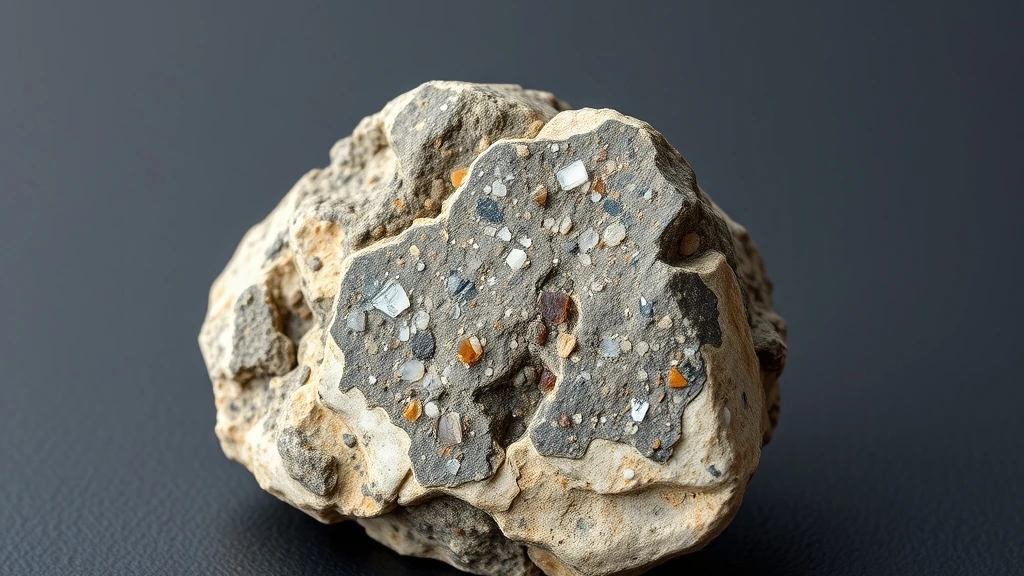
Breccia is not a single mineral species but a sedimentary or igneous rock composed of broken rock fragments. It belongs to the broader category of Natural Mineral / Crystal aggregates, where individual grains retain their original mineral identities. The cementing material often consists of quartz or calcite, binding the angular clasts into a coherent mass. This geological formation process distinguishes it from conglomerates, which feature rounded fragments due to extensive transport and abrasion.
What is Breccia Gemstone? Geological Overview & Definition
Breccia forms when existing rock undergoes shattering due to tectonic stress, volcanic activity, or impact events. The resulting angular fragments are rapidly buried and cemented, preserving the sharp edges that define its texture. This process creates a distinctive mosaic-like appearance that is highly prized in lapidary arts for its visual complexity.
In gemology, breccia is valued for its multicolored inclusions and dramatic contrast between fragments and matrix. The angularity of the clasts indicates minimal transport, suggesting rapid deposition or in-situ fracturing. Collectors often seek specimens with high contrast ratios and vibrant cement colors to enhance aesthetic appeal.
Breccia Gemstone Chemical Composition & Crystallographic Properties
The primary mineralogical composition of the cementing matrix is variable rock fragments (quartz, feldspar, mica, pyroxene, amphibole, or other rock fragments), often occurring as polymictic breccia. This heterogeneous, angular aggregate lacks the uniformity of monocrystalline minerals, resulting in a cohesive, interlocking structure. The mineralogical diversity within the composite framework is significant, maintaining structural stability and characteristic textural contrast.
Color variations arise from trace element impurities such as iron, manganese, or chromium. These elements act as chromophores, creating distinct color centers within the silica matrix. For instance, iron oxides typically yield red or brown tones, while manganese can produce purple or pink hues. The thermal behavior of the silica matrix is stable, though rapid heating may cause fracturing due to thermal shock.
Breccia exhibits low acid sensitivity when the matrix is pure silica, resisting dissolution in common acids. However, if the cement contains calcite or dolomite, it will react with hydrochloric acid, releasing carbon dioxide. This chemical reactivity must be considered during cleaning and maintenance to preserve the stone’s integrity. The cryptocrystalline nature ensures that the material is tough and resistant to chipping compared to brittle macrocrystalline varieties.
| Property | Specification |
|---|---|
| Mineral Group | Natural Mineral / Crystal |
| Chemical Formula | Composite rock (variable: quartz, feldspar, mica, pyroxene, amphibole, or other rock fragments) |
| Mohs Hardness | 5.5 – 7.0 |
| Crystal System | Aphanitic/Fragmental (Polycrystalline) |
| Specific Gravity (Density) | 2.60 – 3.00 |
| Refractive Index | 1.54 – 1.65 |
| Color & Optical Properties | Natural Breccia Gemstone color spectrum and optical dispersion |
| Primary Mining Localities | Global primary localities |
| Water & Chemical Resistance | High (Safe for gentle water washing) |
| Chakra Alignment (Traditional) | Root Chakra |
| Zodiac Affinity (Traditional) | Taurus, Virgo, Capricorn |
| Symbolic Meaning (Traditional) | Grounding, stability, and resilience |
Breccia Gemstone Varieties & Color Spectrum
Breccia is not a single mineral species but a rock type defined by its angular clasts cemented together. This geological structure allows for immense visual diversity depending on the parent rock composition.
The most common form features quartzite or chert fragments within a silica-rich matrix. These pieces often display earthy tones ranging from beige to deep rust.
Desert Rose Breccia
This variety originates from arid environments where desert roses form within sedimentary layers. The angular quartz fragments are often stained by iron oxides, creating vibrant orange and red hues.
Its rarity stems from the specific diagenetic processes required to preserve the rose structures intact. Collectors prize specimens where the crystalline roses remain clearly visible within the brecciated matrix.
Jaspilite Breccia
Jaspilite breccia consists of jaspilite nodules cemented by chert or quartz. The color palette is striking, featuring deep reds, purples, and blacks due to hematite and manganese inclusions.
This type is highly valued for its banded patterns and high polishability. The contrast between the dark matrix and the lighter clasts creates a dramatic visual effect.
Agate Breccia
Agate breccia contains chalcedony or agate fragments suspended in a siliceous matrix. The clasts often display banded agate patterns, adding intricate detail to the overall stone.
The translucency of the agate pieces contrasts beautifully with the opaque surrounding cement. This variety is frequently used in cabochon cuts to highlight the internal banding.
Onyx Breccia
Onyx breccia features parallel-banded onyx clasts within a quartzite or chert host. The black and white stripes of the onyx create a high-contrast, graphic appearance.
This variety is relatively rare because the onyx bands must survive the brecciation event without shattering completely. It is often polished into slabs for decorative architectural applications.
Iron-Stained Quartz Breccia
This common variety consists of quartz fragments heavily stained by iron oxide minerals. The colors range from pale yellow to deep brown, depending on the oxidation state of the iron.
It is the most abundant type and often serves as a base material for tumbling and polishing. The angular nature of the clasts is the defining characteristic of this rock type.
Where is Breccia Gemstone Found? Geological Mining & Extraction
Breccia forms in tectonically active zones where rocks are fractured and cemented by silica-rich fluids. These deposits are often found in sedimentary basins or near volcanic activity sites.
The host rock environment determines the specific mineral composition of the clasts and the cementing material. Understanding the geological context is crucial for identifying high-quality gemstone material.
Primary extraction occurs in regions with significant sedimentary or metamorphic rock exposure. Notable sources include Australia, Brazil, and Madagascar, where diverse breccia types are mined.
Mining methods typically involve open-pit excavation or quarrying of large blocks. These blocks are then cut into slabs or smaller pieces for lapidary work and polishing.
Historical Significance & Cultural Lore of Breccia Gemstone
Ancient civilizations valued breccia for its distinctive patterns and durability in decorative arts. Roman mosaics and Egyptian jewelry often featured breccia fragments for their visual impact.
The angular inclusions were interpreted as symbols of strength and resilience in various cultural contexts. This stone was frequently used in architectural elements and ceremonial objects.
Modern appreciation of breccia stems from its geological uniqueness and aesthetic appeal. It remains a popular choice for gemstone collectors and jewelry designers alike.
Its historical use underscores the enduring human fascination with natural patterns and mineral diversity in decorative arts.
Modern Uses & Jewelry Applications of Breccia Gemstone
Lapidaries primarily cut breccia into cabochons to showcase its distinctive, chaotic matrix patterns, as faceting often obscures the visual narrative of the rock. Due to its variable hardness and potential for cleavage, skilled cutters must exercise extreme caution to prevent fracturing during the polishing stages. The stone’s unique aesthetic makes it a popular choice for ornamental carving, where artisans sculpt intricate landscapes, animals, or abstract forms that highlight the contrast between the mineral fragments and the surrounding matrix.
- Cabochon Jewelry: Ideal for pendants, rings, and earrings that emphasize the stone’s natural, fractured texture.
- Carved Figurines: Commonly used for small sculptures, paperweights, and decorative boxes due to its workability.
- Architectural Ornamentation: Polished slabs are frequently employed in high-end interior design for countertops and wall features.
Metaphysical Uses & Origins of Breccia
According to historical traditions and metaphysical lore, breccia is revered as a stone of grounding stability amidst life’s chaotic disruptions. Practitioners believe its fractured structure symbolizes the ability to find wholeness within brokenness, promoting emotional resilience and inner peace. The stone is often associated with transformation, helping individuals integrate past experiences into a cohesive sense of self.
- Healing Symbolism: Represents the mending of emotional wounds and the acceptance of imperfection.
- Energy Balance: Believed to anchor spiritual energy to the physical body, preventing disorientation.
- Creative Inspiration: Used by artists to unlock blocked creative channels and foster new perspectives.
Which Chakra and Zodiac Signs Align with Breccia Gemstone?
Breccia is canonically aligned with the Root Chakra, providing a deep sense of security and connection to the earth. This alignment supports the stone’s traditional role in stabilizing physical energy and fostering a feeling of being grounded. By anchoring the wearer, it helps mitigate anxiety and promotes a robust sense of personal safety.
Furthermore, the stone resonates strongly with the Heart Chakra, bridging the gap between physical stability and emotional openness. This dual alignment allows breccia to support both the body’s need for structure and the heart’s need for compassion. It encourages a balanced approach to relationships, where emotional vulnerability is supported by a solid foundation of self-worth.
In astrological practice, breccia is specifically aligned with Taurus, Gemini, and Leo. For Taurus, it enhances natural earthy stability; for Gemini, it grounds their mental agility; and for Leo, it balances their fiery confidence with humble strength. These signs benefit from the stone’s ability to harmonize dynamic energies with steady, enduring power.
How to Identify Real vs. Fake Breccia Gemstone
Artificial imitations of breccia are common, often utilizing synthetic glass or dyed low-grade stones to mimic the complex matrix patterns. These fakes may lack the natural variation in fragment size and color distribution found in genuine specimens. Careful examination is required to distinguish the organic chaos of natural breccia from the uniformity of manufactured replicas.
Practical At-Home Authenticity Tests
- Temperature Test (Thermal Feel): Genuine breccia feels distinctly cool to the touch initially, whereas plastic imitations warm up quickly under palm heat.
- Specific Gravity & Weight Test: Real stone feels significantly heavier for its size compared to lightweight glass or plastic fakes.
- Scratch & Hardness Test (Mohs Comparison): A steel knife (Mohs 5.5) should not easily scratch the surface of a hard breccia variety, while softer fakes may show marks.
- Microscopic & Loupe Inspection (Internal Inclusions): Use a 10x loupe to look for natural crack healing and irregular fragment boundaries; glass often contains circular bubbles or swirls.
Breccia Gemstone Valuation Factors, Grading & Pricing
Market value hinges primarily on Color Saturation, where deep, vivid hues command higher premiums than pale tones. Uniformity across the stone’s surface ensures visual consistency, which collectors highly prize. Additionally, optical clarity and a strong luster significantly enhance the gemstone’s overall aesthetic appeal.
The Carat Weight of the piece directly influences its price, with larger specimens being rarer and more valuable. Facet symmetry is crucial for maximizing light reflection, especially in cut breccia jewelry. However, the presence of distinct matrix patterns or inclusions can either detract from or add unique character to the valuation.
Geographical Provenance Premium often elevates prices for stones from renowned mining regions with historical significance. Current wholesale trends show steady demand for high-quality breccia in artisanal jewelry markets. Retail values typically reflect a markup that accounts for cutting expertise and certification costs.
How to Clean and Care for Breccia Gemstone
To maintain the integrity of your breccia, always use warm soapy water and a soft, lint-free cloth for gentle cleaning. This method effectively removes surface oils and dust without risking damage to the stone’s structure. Rinse thoroughly with clean water and dry immediately to prevent water spots.
It is critical to avoid ultrasonic cleaners entirely, as the high-frequency vibrations can induce structural fractures in breccia. The porous nature of some breccia varieties makes them susceptible to liquid ingress during aggressive cleaning. Stick to manual, gentle wiping to preserve the stone’s long-term durability and visual clarity.
Cleansing and Recharging Breccia Gemstone (Energetic Care)
For energetic cleansing, utilize dry methods such as smoke smudging with sage or palo santo to clear stagnant energy. This approach respects the mineral’s physical structure while addressing metaphysical beliefs. Ensure the smoke circulates around the stone without direct contact to avoid soot residue.
Alternatively, place the gemstone on a selenite plate or under moonlight for passive recharging. These dry techniques avoid any moisture exposure, keeping the stone safe from potential water damage. Regular, gentle energetic maintenance complements physical care for a holistic approach.
Frequently Asked Questions About Breccia Gemstone
Is breccia safe to wear in the shower?
Yes, breccia is safe for gentle water exposure. As a variety of quartz, it possesses high water resistance and will not dissolve or degrade in the shower. However, prolonged exposure to hot water and harsh soaps may affect the adhesive used in some polished pieces.
Can I clean breccia in an ultrasonic cleaner?
No, you should avoid ultrasonic cleaners entirely. The intense vibrations can cause structural fractures within the brecciated matrix, potentially shattering the stone. Instead, clean it gently using warm soapy water and a soft cloth to preserve its integrity.
Which zodiac signs are compatible with breccia?
Breccia aligns best with Taurus, Gemini, and Leo. These earth and fire signs resonate with the stone’s grounding energy and protective qualities. Wearing breccia can enhance stability for Taurus, communication for Gemini, and confidence for Leo.
What chakras does breccia activate?
Breccia primarily activates the Root and Heart Chakras. This unique combination grounds your energy while simultaneously opening emotional centers. It helps balance physical stability with emotional healing, fostering a sense of centeredness and calm.
Is breccia a type of quartz?
Yes, breccia is a form of quartz. Its chemical composition is SiO₂, identical to other quartz varieties. The term “breccia” describes the texture of angular fragments cemented together, rather than a distinct mineral species.
How hard is breccia on the Mohs scale?
Breccia shares the hardness of quartz, rating 7. This makes it durable enough for daily wear in rings or bracelets. Its high hardness ensures it resists scratching from common materials like steel or glass.
Does breccia require special maintenance?
No, it requires minimal maintenance. Due to its quartz composition, it is highly durable and resistant to environmental factors. Simply wipe it with a dry cloth after wear to remove oils and dust, keeping its surface pristine.
Can I sleep with breccia under my pillow?
Yes, many people sleep with breccia for grounding. It is believed to promote restful sleep by anchoring the Root Chakra. Ensure the stone is clean and free of sharp edges to prevent any discomfort during the night.