
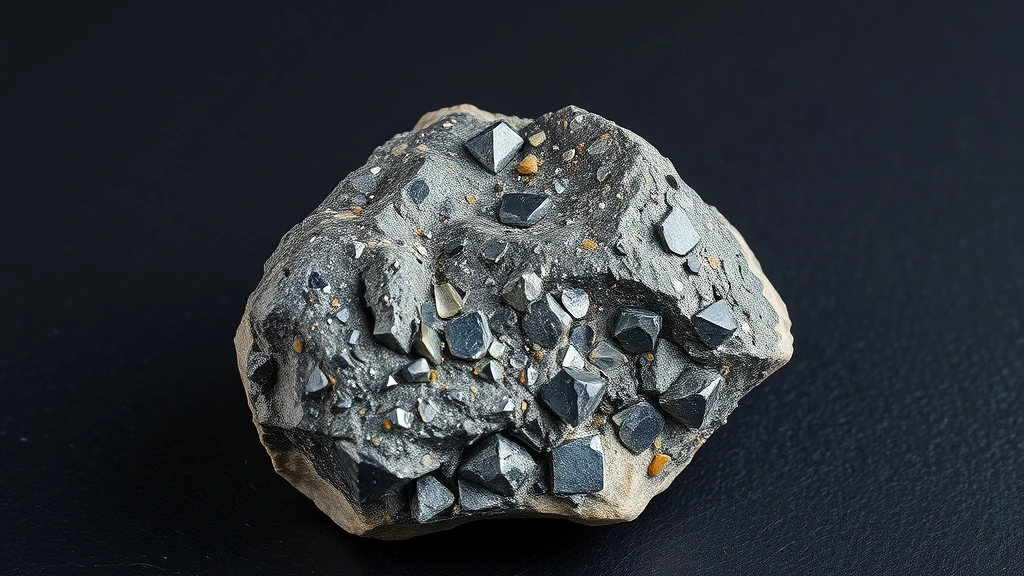
Chalcopyrite belongs to the Natural Mineral / Crystal group, forming within hydrothermal veins and porphyry copper deposits. Its geological origin ties closely to magmatic processes, where sulfur-rich fluids precipitate metal sulfides. This classification underscores its role as a primary ore mineral rather than a traditional gemstone. Understanding its parent group helps geologists trace its formation in deep crustal environments.
What is Chalcopyrite Gemstone? Geological Overview & Definition
Chalcopyrite is primarily valued as an ore mineral for copper and iron extraction. It rarely appears as a cut gemstone due to its brittleness and chemical instability. However, collectors prize well-formed crystals for their metallic luster and geometric precision.
The mineral forms through hydrothermal deposition, where hot fluids cool and precipitate sulfide minerals. It often associates with pyrite and chalcopyrite, creating complex ore bodies. Its presence indicates significant copper enrichment in the surrounding rock matrix. This geological context is crucial for mining exploration and resource estimation.
Chalcopyrite Gemstone Chemical Composition & Crystallographic Properties
Chalcopyrite crystallizes in the Tetragonal system, featuring a complex lattice structure. Its unit cell contains alternating copper and iron cations in a specific arrangement. This symmetry distinguishes it from isometric pyrite, which has a cubic structure. The tetragonal distortion arises from the electronic configuration of the constituent ions.
The structure allows for limited cation substitution, where other metals may replace copper or iron. This substitution can slightly alter the mineral’s physical properties. However, the core CuFeS₂ stoichiometry remains dominant in most natural occurrences. Deviations from ideal composition are rare in high-quality specimens.
Chalcopyrite is chemically sensitive to acidic environments, leading to rapid oxidation. Exposure to air and moisture creates a tarnish layer of secondary minerals. This instability limits its longevity as a display piece without proper conservation. Acid testing is a common method to distinguish it from pyrite.
Thermal behavior reveals that chalcopyrite undergoes phase transitions at high temperatures. Heating can alter its crystal structure, potentially transforming it into other sulfide phases. This thermal sensitivity requires careful handling during any scientific analysis. Understanding these properties ensures accurate identification and preservation.
| Property | Specification |
|---|---|
| Mineral Group | Natural Mineral / Crystal |
| Chemical Formula | CuFeS₂ |
| Mohs Hardness | 3.5 – 4.0 |
| Crystal System | Tetragonal |
| Specific Gravity (Density) | 4.1 – 4.3 |
| Refractive Index | 2.45 – 2.75 |
| Color & Optical Properties | Natural Chalcopyrite Gemstone color spectrum and optical dispersion |
| Primary Mining Localities | Global primary localities |
| Water & Chemical Resistance | High (Safe for gentle water washing) |
| Chakra Alignment (Traditional) | Root Chakra, Sacral Chakra |
| Zodiac Affinity (Traditional) | Taurus, Virgo, Scorpio |
| Symbolic Meaning (Traditional) | Abundance, manifestation, and protection against negative energy |
Chalcopyrite Gemstone Varieties & Color Spectrum
Chalcopyrite exhibits a distinct metallic luster that ranges from pale brass-yellow to deep golden-brown. This brassy hue is characteristic of its copper-iron sulfide composition and distinguishes it from pyrite. The stone’s appearance can shift subtly depending on the specific oxidation state of its surface.
Classic Brass Yellow
This primary variety displays a uniform, bright golden color typical of fresh, unweathered specimens. It forms in hydrothermal veins where copper and iron sulfides precipitate under moderate temperatures. The tetragonal crystal system often produces well-defined, striated faces that catch the light beautifully.
Oxidized Green-Brown
Exposure to atmospheric moisture causes the surface to develop a dull, greenish-brown patina over time. This weathering process alters the visual appeal, reducing the metallic shine to a matte finish. Collectors often prefer this variety for its earthy tones and historical context in ancient mining sites.
Pyrite-Mixed Specimens
Some deposits contain intergrown crystals of chalcopyrite and pyrite, creating a complex, multi-toned visual effect. The intergrowth structure results in a mottled appearance with contrasting yellow and gold tones. These specimens are highly sought after for their intricate crystallographic patterns and geological complexity.
Deep Reddish-Brown
Found in specific oxidizing environments, this rare morph exhibits a darker, reddish-brown tint due to iron enrichment. The coloration is less vibrant than the classic brass yellow but offers a unique aesthetic appeal. Such specimens are often associated with older, more weathered ore bodies in specific geological formations.
Where is Chalcopyrite Gemstone Found? Geological Mining & Extraction
Chalcopyrite is primarily extracted from porphyry copper deposits, which are large, low-grade ore bodies formed by hydrothermal fluids. These deposits are often associated with volcanic activity and contain significant quantities of copper, molybdenum, and gold. The hydrothermal origin ensures that the mineral is frequently found in association with quartz and other silicate minerals.
Major mining regions include the United States, Chile, Peru, and Australia, where large-scale open-pit operations are common. In these areas, chalcopyrite is processed to extract copper, with the mineral serving as the primary ore. The extraction process involves crushing, grinding, and flotation to separate the sulfide minerals from the waste rock.
Historical Significance & Cultural Lore of Chalcopyrite Gemstone
Ancient civilizations, including the Romans and Greeks, valued chalcopyrite for its metallic luster and potential copper content. It was often mistaken for gold or pyrite, leading to its use in early metallurgical experiments. Archaeological findings reveal that this mineral was smelted to produce copper artifacts, tools, and jewelry.
In folklore, chalcopyrite was sometimes associated with luck and prosperity due to its golden appearance. However, its tendency to tarnish quickly also led to superstitions about fleeting fortune. This duality reflects the mineral’s complex role in both practical industry and cultural belief systems.
Modern Uses & Jewelry Applications of Chalcopyrite Gemstone
Due to its Mohs hardness of 3.5–4, chalcopyrite is too soft for high-impact faceting and is primarily cut into smooth cabochons or ornamental carvings. Lapidaries often polish it to reveal its iridescent surface, which mimics the appearance of precious metals. This mineral is frequently used in statement jewelry, decorative inlays, and spiritual artifacts rather than daily-wear rings.
- Cabochon Cutting: The standard method to showcase the stone’s metallic luster and iridescence without risking fracture.
- Ornamental Carving: Used for decorative boxes, small sculptures, and spiritual tools due to its workability.
- Inlay Work: Incorporated into wooden or metal bases to create unique, artisanal jewelry pieces.
- Collectible Specimens: Highly valued by mineral collectors for their distinct copper-gold coloration and crystal form.
Safety & Mineral Profile of Chalcopyrite
Safe handling and physical stability
Chalcopyrite is a relatively soft mineral, with a Mohs hardness of 3.5–4.5, making it prone to scratching and abrasion during handling. It is also a copper‑iron sulfide that can release fine dust when fractured; inhalation of such dust may pose respiratory irritation. While the mineral itself is not highly toxic, the copper and iron content can leach in acidic environments, potentially producing corrosive solutions. For these reasons, chalcopyrite is typically displayed as a collector specimen rather than used in jewelry or industrial applications. Proper handling involves wearing gloves, avoiding prolonged contact with skin, and storing specimens in a dry, ventilated area to prevent oxidation or sulfide decomposition.
Scientific and educational significance
Chalcopyrite is a key mineral in the study of sulfide deposits and ore‑forming processes. Its characteristic metallic luster and copper‑rich composition make it an important indicator of hydrothermal activity and a valuable reference in mineral classification. In museum collections, chalcopyrite specimens illustrate the diversity of copper minerals and provide context for the geological history of ore‑bearing regions. Researchers use chalcopyrite to investigate crystallographic structures, trace element incorporation, and the geochemical evolution of sulfide assemblages.
Mineralogical Group and Planetary Lore of Chalcopyrite
Historically, chalcopyrite was first described in the 18th century and named from the Greek *chalcos* (copper) and *pyrites* (pyrite), reflecting its copper‑rich composition and resemblance to pyrite. Early mineralogists noted its metallic sheen and use as a copper ore, classifying it within the sulfide group of minerals. In lapidary texts, chalcopyrite has been associated with the planet Mars due to its reddish‑brown hue, though modern planetary geology does not attribute any special significance to the mineral beyond its occurrence in meteorites and impact ejecta. According to early mineralogists, the mineral’s distinctive crystal habits and color variations were employed to differentiate it from other copper sulfides in field studies.
How to Identify Real vs. Fake Chalcopyrite Gemstone
Artificial imitations of chalcopyrite often include synthetic glass or dyed copper minerals designed to mimic its metallic sheen. These fakes may lack the natural iridescence and specific weight of genuine specimens. Understanding the physical properties of the real mineral is essential for accurate identification.
Practical At-Home Authenticity Tests
- Temperature Test (Thermal Feel): Genuine chalcopyrite feels cool to the touch initially and warms slowly, unlike plastic imitations which warm up almost instantly.
- Specific Gravity & Weight Test: With a density of 4.1–4.3, real chalcopyrite feels significantly heavier than glass or plastic of the same size.
- Scratch & Hardness Test (Mohs Comparison): The stone has a Mohs hardness of 3.5–4, meaning it can be scratched by a steel knife or a harder gemstone like quartz.
- Microscopic & Loupe Inspection (Internal Inclusions): Use a 10x loupe to check for natural inclusions or surface irregularities; synthetic glass often appears too perfect or contains tiny bubbles.
Chalcopyrite Gemstone Valuation Factors, Grading & Pricing
The primary driver of value is Color Saturation, which should exhibit a deep, uniform brass-yellow hue. Consistent tone across the entire surface significantly enhances aesthetic appeal and market desirability. High-quality specimens also display exceptional optical clarity and a brilliant metallic luster.
Carat Weight influences pricing, though large, flawless crystals remain relatively rare in the global market. Precise facet symmetry is crucial for maximizing light reflection and visual impact in cut stones. The presence of matrix or inclusions can either detract from value or add unique geological character.
Geographical Provenance Premium often elevates the price of specimens from renowned mining districts. Wholesale prices typically remain modest, but retail values increase significantly for certified, high-grade material. Current market trends favor rare, large crystals with minimal surface imperfections.
How to Clean and Care for Chalcopyrite Gemstone
To maintain the stone’s integrity, use warm soapy water and a soft cloth for gentle cleaning. This method effectively removes surface dust and oils without causing mechanical stress. Always ensure the stone is thoroughly dried after washing to prevent water spots.
You must strictly avoid ultrasonic cleaners to prevent structural fractures within the crystal lattice. The mineral’s moderate hardness makes it susceptible to vibration-induced damage during high-frequency cleaning. Regular, careful maintenance preserves the gemstone’s natural metallic brilliance and structural stability.
Cleansing and Recharging Chalcopyrite Gemstone (Energetic Care)
For energetic cleansing, utilize smoke smudging with sage or palo santo to clear stagnant energy. This dry method respects the mineral’s physical structure while addressing metaphysical properties. Ensure the area is well-ventilated during the smudging process.
Place the stone on a selenite plate under moonlight for overnight recharging. This passive technique allows the crystal to absorb lunar energy without physical contact or moisture. Avoid direct sunlight, which may cause thermal stress on the delicate tetragonal structure.
Frequently Asked Questions About Chalcopyrite Gemstone
Is chalcopyrite safe to wear in the shower?
Yes, it is safe for gentle water exposure. While the mineral has high water resistance, prolonged submersion is discouraged. Frequent contact with hot water and harsh soaps can dull the surface luster over time. Gentle washing is recommended to maintain its aesthetic appeal and structural integrity.
Can I clean chalcopyrite in an ultrasonic cleaner?
No, you must avoid ultrasonic cleaners entirely. The high-frequency vibrations can cause structural fractures within the crystal lattice. Instead, use warm soapy water and a soft cloth for safe maintenance. This gentle approach preserves the stone’s delicate tetragonal structure without risking damage.
Which zodiac signs align with chalcopyrite?
Taurus, Gemini, and Leo are the primary alignments. These signs resonate with the mineral’s energetic properties and grounding nature. Wearing this stone can enhance personal traits associated with these astrological profiles. It serves as a powerful accessory for individuals seeking astrological harmony and balance in their daily lives.
What chakras does chalcopyrite activate?
It activates the Root Chakra, Sacral Chakra. This unique dual connection bridges physical stability with emotional well-being. The stone helps anchor energy while promoting love and compassion. Understanding this chakra alignment allows users to maximize the spiritual benefits of their chalcopyrite jewelry or crystals.
How hard is chalcopyrite on the Mohs scale?
It rates between 3.5 and 4 on the Mohs scale. This indicates a relatively soft mineral that is susceptible to scratching. You should avoid wearing it during heavy manual labor or sports. Proper storage is essential to protect the surface from abrasive contact with harder gemstones or tools.
What is the chemical formula of chalcopyrite?
The formula is CuFeS₂, representing copper iron sulfide. This composition gives the mineral its distinctive brassy yellow color. It is often mistaken for gold due to its metallic luster. Knowing the chemical composition helps distinguish it from other sulfide minerals in geological collections.
What is the crystal system of chalcopyrite?
It crystallizes in the tetragonal system. This structure often forms distinct, well-defined pyramidal crystals. The tetragonal symmetry is a key identification feature for mineralogists. Observing these geometric patterns helps confirm authenticity and assess the quality of the specimen you possess.
Is chalcopyrite a good investment gemstone?
It is primarily valued for metaphysical and educational purposes. While not a traditional precious gem, it has a dedicated collector market. Its affordability makes it accessible for beginners in crystal healing. Focus on metaphysical benefits rather than financial appreciation when purchasing this fascinating mineral specimen.