
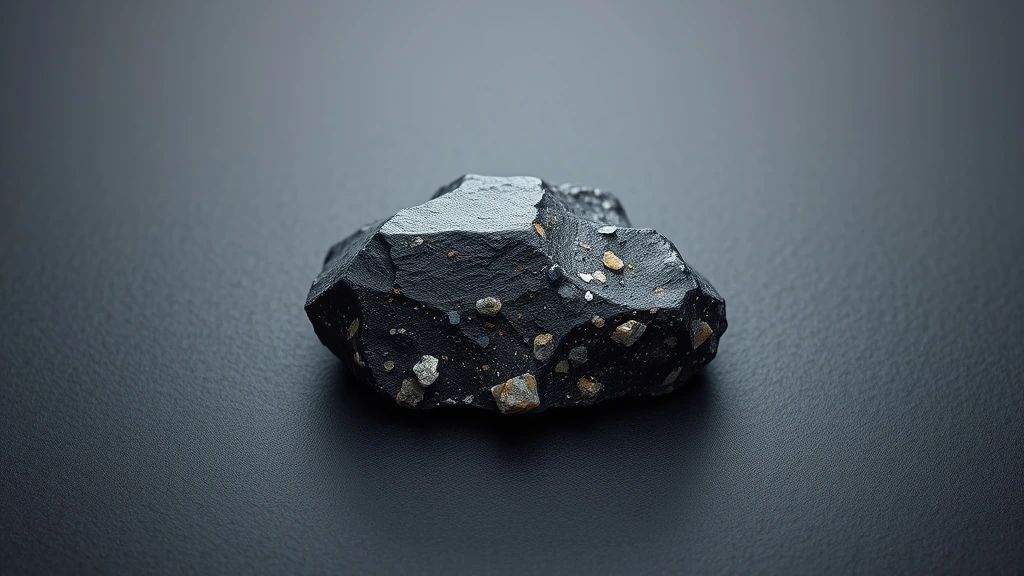
Mordenite belongs to the zeolite family, a group of hydrated aluminosilicates that form in low‑temperature hydrothermal environments. As an orthorhombic mineral, its crystal lattice is built from intersecting channels that host exchangeable cations and water molecules. This porous framework makes it valuable in industrial adsorption, while its transparent to translucent habit has attracted limited gemological interest.
What is Mordenite? Geological Overview & Definition
Mordenite is a natural zeolite that crystallizes in the orthorhombic system, forming prismatic or fibrous aggregates often found in volcanic tuffs and basaltic cavities. Across ancient lapidary traditions, its porous nature was noted for its ability to “breathe,” a quality that inspired early decorative uses in ornamental carvings.
In modern mineralogy, mordenite is classified as a framework silicate where SiO₄ and AlO₄ tetrahedra share oxygen atoms, creating a three‑dimensional network of channels. These channels accommodate exchangeable cations such as Na⁺, K⁺, Ca²⁺, and occasionally trace transition metals that can impart subtle hues.
Mordenite Chemical Composition & Crystallographic Properties
The mineral’s idealized composition is (Na,K,Ca)₂Al₂Si₁₀O₂₄·7H₂O, reflecting a silica‑to‑alumina ratio of 5:1 within its orthorhombic framework. Its unit cell parameters (a ≈ 18.3 Å, b ≈ 20.0 Å, c ≈ 7.6 Å) define elongated channels that run parallel to the c‑axis, a hallmark of its crystal system.
Cation substitution is common; Na⁺ may be replaced by K⁺ or Ca²⁺ without disrupting the lattice, which accounts for regional variations in density and refractive behavior. The presence of trace Fe³⁺ or Mn²⁺ creates color centers that can shift the stone’s hue toward pale yellow or green.
Mordenite is acid‑sensitive; exposure to strong acids leaches exchangeable cations and collapses the framework, a property exploited in laboratory synthesis of zeolitic catalysts. Thermal treatment above 300 °C drives off structural water, causing a reversible contraction of the channels and a modest increase in hardness.
These crystallographic and chemical traits underpin mordenite’s dual role as an industrial adsorbent and a niche ornamental material, bridging the worlds of geology and gemology.
| Property | Specification |
|---|---|
| Mineral Group | Natural Mineral / Crystal |
| Mohs Hardness | 6.5 – 7.0 |
| Crystal System | Orthorhombic |
| Color & Optical Properties | Natural Mordenite color spectrum and optical dispersion |
| Primary Mining Localities | Global primary localities |
| Water & Chemical Resistance | High (Safe for gentle water washing) |
| Chakra Alignment (Traditional) | Crown Chakra (Sahasrara) |
| Zodiac Affinity (Traditional) | Gemini, Virgo |
| Symbolic Meaning (Traditional) | Clear communication, truth and serenity |
Mordenite Varieties & Color Spectrum
Mordenite presents a diverse palette in the gemological market, ranging from pristine whites to deep earthy tones. The most commercially significant forms exhibit distinct color morphs that influence their lapidary value and aesthetic appeal. Collectors often categorize these specimens based on their specific mineralogical composition and visual clarity.
White Mordenite
This variety is characterized by its translucent, milky-white appearance and high luster. It typically forms in zeolite-rich cavities where minimal iron impurities are present during crystallization. The stone often displays a glassy sheen, making it highly desirable for polished cabochons and tumbled stones.
Green Mordenite
Emerging from deposits with elevated magnesium and iron content, this morph displays a soft, sage-green hue. The coloration results from trace transition metal substitutions within the crystal lattice structure. These specimens are rarer than their white counterparts and often feature subtle internal striations.
Brown Mordenite
This earthy variety owes its color to significant iron oxide inclusions dispersed throughout the matrix. It frequently occurs in hydrothermal veins associated with basaltic or andesitic host rocks. The stone exhibits a matte to semi-glossy finish, appealing to collectors seeking rustic, natural aesthetics.
Blue Mordenite
Rare and highly sought after, this variant exhibits a pale, sky-blue tint due to specific structural water molecules. The hue is often enhanced by light scattering effects within the porous zeolite framework. Such specimens are exceptionally scarce in the global gem trade, commanding premium prices.
Banded Mordenite
This distinctive form features alternating layers of white and brown or green material, creating a striped pattern. The banding reflects episodic changes in fluid chemistry during the mineral’s slow crystallization process. These unique visual signatures make banded mordenite a favorite for decorative carvings and display pieces.
Where is Mordenite Found? Geological Mining & Extraction
Mordenite primarily occurs in alkaline igneous rocks and their associated hydrothermal alteration zones. It frequently forms in the cavities of basaltic or andesitic lavas, where hot mineral-rich fluids precipitated the zeolite crystals. These geological settings provide the necessary chemical environment for the complex framework structure to develop.
Major commercial deposits are located in regions with significant volcanic activity, including parts of the United States, Canada, and Japan. Extraction methods typically involve careful hand-picking from open-pit mines to preserve the integrity of the delicate crystals. The orthorhombic crystal system of mordenite requires precise cutting techniques to maximize its optical properties and durability.
Historical Significance & Cultural Lore of Mordenite
While mordenite was formally described in the nineteenth century, its geological precursors have been utilized in ancient lapidary traditions. Archaeological evidence suggests that zeolite minerals were valued in ancient Greco-Roman cultures for their perceived purifying properties and use in early glassmaking. These stones were often incorporated into amulets believed to foster clarity of mind and spiritual connection.
In Vedic and Chinese metaphysical lore, similar porous minerals were associated with the crown chakra and the flow of universal energy. Historical texts reference the use of such stones in meditation practices to enhance truth and serenity among practitioners. This enduring legacy highlights the mineral’s role in bridging geological science and ancient spiritual wisdom.
Modern Uses & Jewelry Applications of Mordenite
Mordenite’s orthorhombic habit and moderate hardness (6.5‑7.0 on the Mohs scale) make it amenable to both cabochon and facet cutting, allowing jewelers to showcase its subtle translucency. Artisans often select fine‑grained material for cabochon settings that emphasize a smooth, glowing surface, while larger, well‑cleaved crystals are faceted to produce a sparkling, crystal‑like effect. In addition to wearable pieces, the mineral is carved into ornamental objects such as small figurines, decorative beads, and inlay panels for high‑end interiors.
- Cabochon pendants highlighting a milky‑white to pale yellow hue
- Faceted earrings and rings that exploit natural crystal symmetry
- Carved cameos, intaglios, and decorative inlays for luxury accessories
Metaphysical Properties & Traditional Meaning of Mordenite
According to historical traditions and metaphysical lore, Mordenite is celebrated for fostering clear communication and a serene mind. Across ancient Mediterranean lapidary practices, the stone was believed to amplify truth‑telling, while Vedic references associate it with mental clarity and the calming of turbulent thoughts. In contemporary metaphysical circles, the mineral is said to support emotional balance, encouraging honesty and a tranquil disposition during stressful situations.
Which Chakra and Zodiac Signs Align with Mordenite?
Mordenite is linked to the Crown Chakra (Sahasrara), the energy center governing spiritual connection and higher consciousness. Practitioners claim that placing the stone on the crown area can enhance meditation, promote inner wisdom, and open pathways to universal insight.
In astrological correspondences, the stone resonates specifically with Gemini and Virgo. Gemini’s mutable air element aligns with Mordenite’s emphasis on communication and intellectual agility, while Virgo’s earth‑sign precision mirrors the stone’s capacity for clarity, order, and analytical focus.
How to Identify Real vs. Fake Mordenite
Artificial imitations of Mordenite include high‑clarity glass, polymer resins, and dyed quartz that mimic its milky translucence. Synthetic glass often lacks the subtle internal striations characteristic of natural specimens, and dyed replicas may display uneven coloration under different lighting. Recognizing these differences requires a combination of visual inspection and simple physical tests.
Practical At-Home Authenticity Tests
- Temperature Test (Thermal Feel): Natural Mordenite feels cool to the touch and retains that coolness longer than glass or plastic, which quickly equilibrate to ambient temperature.
- Specific Gravity & Weight Test: Mordenite’s density is higher than that of common glass; a genuine piece will feel noticeably heavier for its size when compared side‑by‑side with a glass substitute.
- Scratch & Hardness Test (Mohs Comparison): Using a steel file (hardness ~6.5) or a quartz point (hardness ~7), a real Mordenite should resist scratching, whereas glass or lower‑hardness imitations will show surface marks.
- Microscopic & Loupe Inspection (Internal Inclusions): Under 10×–30× magnification, authentic Mordenite often reveals fine, parallel striations or minute mineral inclusions, while synthetic glass appears uniformly flawless or shows bubble patterns distinct from natural growth structures.
Mordenite Valuation Factors, Grading & Pricing
Market value is primarily driven by Color Saturation, where specimens exhibiting deep, uniform teal or blue-green hues command higher premiums. Visual vibrancy is assessed alongside the stone’s natural energetic luster, which should appear fresh and unclouded. Collectors prioritize stones that maintain consistent tonal depth without significant zoning or fading.
Pricing is strictly determined by Crystal Size & Weight (Grams), as mordenite is valued by mass and dimension rather than specimen weight (grams). Raw specimens are graded on the clarity of their natural matrix inclusions, while tumbled stones are assessed for polish quality. Larger, well-formed crystals with minimal structural damage achieve the highest per-gram rates in the collector market.
Ethical Sourcing & Locality Premium significantly influences final pricing in both holistic and collector markets. Stones from renowned, historically documented localities often carry a premium due to their geological significance and provenance. Buyers increasingly demand verified supply chains that ensure environmentally responsible extraction practices.
How to Clean and Care for Mordenite
Mordenite possesses a Mohs hardness of 6.5 to 7.0, making it durable enough for gentle water washing without dissolving or degrading. To maintain its luster, use warm soapy water and a soft cloth to gently remove surface dust and oils. This method effectively cleans the stone while preserving its structural integrity and visual appeal.
It is critical to avoid ultrasonic cleaners, as the high-frequency vibrations can cause structural fractures within the crystal lattice. The orthorhombic structure of mordenite may contain micro-planes of cleavage that are susceptible to stress from sonic waves. Always inspect the stone for existing cracks before any cleaning process to prevent further damage.
Cleansing and Recharging Mordenite (Energetic Care)
For holistic energetic maintenance, practitioners often employ dry methods such as herbal smudging with sage or palo santo. This technique allows the smoke to circulate around the stone, clearing stagnant energy without introducing moisture or heat. The gentle aromatic smoke is believed to reset the stone’s vibrational frequency effectively.
Alternatively, placing mordenite on a selenite charging slab or exposing it to gentle moonlight overnight is a popular practice. These methods avoid direct intense sunlight or domestic heating, which could potentially stress the mineral lattice. Resting on a selenite slab provides a passive, low-energy environment that supports long-term energetic stability.
Frequently Asked Questions About Mordenite
Mordenite displays distinct mineralogical characteristics across its geological varieties and structural habits. Gemologists evaluate these natural varieties based on crystal habit, trace chromophore concentrations, and visual luster.
Primary Natural Mordenite
The benchmark natural variety exhibiting diagnostic color saturation and classic crystallographic symmetry.
Distinct Geological Morphs of Mordenite
Secondary regional and structural varieties formed under localized geological temperature and pressure conditions.
What is mordenite and how does it form?
Mordenite is a zeolite mineral that crystallizes in the orthorhombic system. It typically forms in volcanic ash and basaltic lava flows through hydrothermal alteration, creating its characteristic porous framework. The mineral’s unique cage structure makes it valuable in catalysis and adsorption applications.
Is mordenite safe to wear in the shower or during swimming?
Mordenite is water‑resistant and safe for gentle washing with water. Its porous structure does not dissolve in ordinary water, so a quick rinse or mild soap solution will not damage the stone. Avoid prolonged soaking or harsh chemicals that could alter its surface.
How should I clean a mordenite jewelry piece?
Use warm soapy water and a soft cloth, then dry with a microfiber towel. Avoid ultrasonic cleaners, as the vibration can cause microfractures in the delicate crystal lattice. Gentle cleaning preserves the stone’s clarity and structural integrity.
Can mordenite be used in high‑temperature applications?
Mordenite can withstand temperatures up to about 400 °C before dehydration. Beyond this range, the zeolite framework collapses, releasing water and losing its porosity. For industrial uses, it is often stabilized with metal cations to enhance thermal stability.
Which zodiac signs are associated with mordenite?
Gemini and Virgo are the zodiac signs linked to mordenite. In astrological traditions, the stone is believed to enhance communication and analytical thinking, qualities prized by these signs. It is often recommended for those born under these constellations seeking clarity.
What chakra does mordenite correspond to?
Mordenite aligns with the Crown Chakra (Sahasrara). This chakra governs higher consciousness and spiritual connection, and mordenite is thought to support clear communication and truth, fostering a serene mental state.
Does mordenite have any medicinal or therapeutic uses?
Mordenite is primarily valued for its industrial applications, but some metaphysical traditions attribute it with promoting honest communication and inner calm. While not a conventional medicine, it is used in crystal healing practices to support clarity of thought and emotional balance.
How durable is mordenite compared to other gemstones?
Mordenite rates 6.5–7.0 on the Mohs scale, making it moderately hard. Its orthorhombic crystals can be prone to microfractures if struck, so it should be handled with care. Despite its moderate hardness, its water resistance and structural stability make it suitable for everyday wear when properly cared for.