
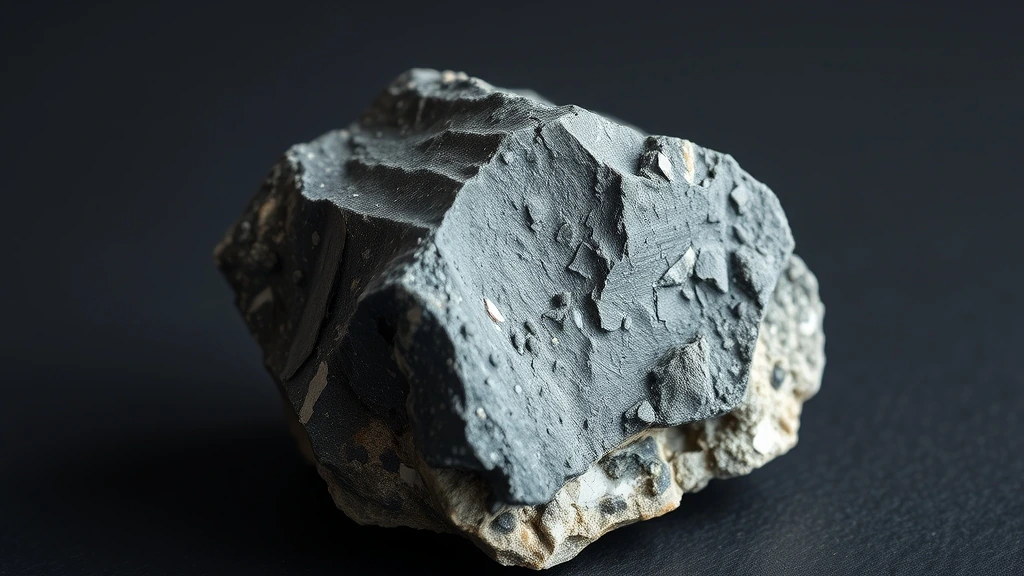
Phosphosiderite is classified as a natural mineral and belongs to the broader category of crystals, formed through geological processes that involve the interaction of iron, phosphate, and water. This mineral is part of a distinct group of phosphates, which are characterized by their specific chemical composition and structural properties. Phosphosiderite’s geological classification is rooted in its monoclinic crystal system, which determines its optical and physical properties.
What is Phosphosiderite? Geological Overview & Definition
Phosphosiderite is a mineral species that is characterized by its hydrated iron phosphate composition, which is reflected in its chemical formula FePO₄·2H₂O. This mineral is typically found in hydrothermal veins and pegmatites, where it forms through the interaction of iron-rich fluids and phosphate-bearing minerals. Its geological significance lies in its ability to provide insights into the conditions under which it formed.
Phosphosiderite’s geological definition is closely tied to its mineralogical properties, which include its density, hardness, and optical properties. These properties are used to distinguish phosphosiderite from other minerals and to understand its behavior in different geological environments. By studying phosphosiderite, researchers can gain a better understanding of the geochemical processes that shape our planet.
Phosphosiderite Chemical Composition & Crystallographic Properties
Phosphosiderite’s chemical composition is characterized by the presence of iron and phosphate ions, which are arranged in a monoclinic crystal lattice. This lattice structure is responsible for the mineral’s optical properties, including its refractive index and birefringence. The cation substitution of iron ions in the lattice can affect the mineral’s color and other properties.
The lattice structure of phosphosiderite is sensitive to acidic conditions, which can cause the mineral to dissolve or undergo chemical alteration. The chromophore color centers in phosphosiderite are responsible for its range of colors, which can vary from pale blue to green or yellow. These color centers are related to the presence of impurities or defects in the crystal lattice.
Phosphosiderite’s thermal behavior is characterized by its thermal stability, which is influenced by its hydration state and lattice structure. When heated, phosphosiderite can undergo dehydration or phase transitions, which can affect its physical properties and chemical composition. The study of phosphosiderite’s thermal behavior provides valuable insights into its geochemical evolution and mineralogical significance.
The monoclinic crystal system of phosphosiderite is a key factor in determining its physical properties, including its cleavage and fracture. The mineral’s density and hardness are also influenced by its crystal structure, which is composed of iron phosphate chains and water molecules. By understanding the crystal structure of phosphosiderite, researchers can better appreciate its mineralogical properties and geological significance.
| Property | Specification |
|---|---|
| Mineral Group | Natural Mineral / Crystal |
| Chemical Formula | Hydrated iron phosphate FePO₄ ·2H₂ O |
| Mohs Hardness | 3.5–4 |
| Crystal System | Monoclinic |
| Specific Gravity (Density) | 2.74–2.76 |
| Refractive Index | n α = 1.692 n β = 1.725 n γ = 1.738 |
| Color & Optical Properties | Natural Phosphosiderite color spectrum and optical dispersion |
| Primary Mining Localities | Global primary localities |
| Water & Chemical Resistance | High (Safe for gentle water washing) |
| Chakra Alignment (Traditional) | Throat Chakra (Vishuddha) |
| Zodiac Affinity (Traditional) | Gemini, Virgo |
| Symbolic Meaning (Traditional) | Emotional balance, compassion and inner peace |
Phosphosiderite Varieties & Color Spectrum
Phosphosiderite is a hydrated iron phosphate mineral that exhibits a range of colors and varieties. The most common varieties include the colorless or white phosphosiderite, which is often found in pegmatitic deposits. Other varieties include the pink or rose-colored phosphosiderite, which is highly prized for its unique visual signature. The blue or greenish-blue phosphosiderite is also highly sought after for its rare and distinctive color.
Colorless Phosphosiderite
The colorless phosphosiderite is the most common variety and is often found in hydrothermal veins. It is characterized by its glassy luster and conchoidal fracture, which gives it a smooth and curved appearance. The inclusions in colorless phosphosiderite are typically fluid or gas-filled, which can create a sparkling effect.
Pink Phosphosiderite
The pink phosphosiderite is a highly prized variety that owes its color to the presence of manganese or calcium impurities. It is often found in metamorphic rocks and is characterized by its dull or waxy luster. The visual signature of pink phosphosiderite is highly distinctive, with a soft and warm color that is highly sought after by collectors.
Blue Phosphosiderite
The blue phosphosiderite is a rare and highly prized variety that is often found in alluvial deposits. It is characterized by its vitreous luster and brittle fracture, which gives it a sharp and angular appearance. The rarity of blue phosphosiderite makes it highly valuable, with limited quantities available on the market.
Greenish-Blue Phosphosiderite
The greenish-blue phosphosiderite is a unique variety that is often found in sedimentary rocks. It is characterized by its earthy or dull luster and irregular fracture, which gives it a rough and uneven appearance. The visual signature of greenish-blue phosphosiderite is highly distinctive, with a cool and calming color that is highly prized by collectors.
Other Varieties
Other varieties of phosphosiderite include the yellow or brown phosphosiderite, which is often found in oxidized or weathered deposits. The black or dark brown phosphosiderite is also found in metamorphic rocks and is characterized by its dull or waxy luster. The gray or grayish-blue phosphosiderite is a rare variety that is often found in hydrothermal veins.
Where is Phosphosiderite Found? Geological Mining & Extraction
Phosphosiderite is typically found in pegmatitic deposits, which are coarse-grained igneous rocks that are rich in minerals. The primary extraction regions for phosphosiderite include Brazil, Argentina, and Chile, where it is often found in alluvial deposits or hydrothermal veins. The host rock for phosphosiderite is typically granite or gneiss, which provides a stable and conductive environment for the mineral to form.
The extraction of phosphosiderite typically involves open-pit mining or underground mining, depending on the depth and location of the deposit. The mining process involves the removal of overburden and waste rock, followed by the extraction of the mineral-bearing rock. The phosphosiderite is then separated from the waste rock using gravity separation or magnetic separation techniques.
Historical Significance & Cultural Lore of Phosphosiderite
Across ancient lapidary traditions, phosphosiderite was highly valued for its metaphysical properties, which were believed to promote emotional balance and inner peace. In historical records, phosphosiderite was used by ancient Greco-Roman and Egyptian civilizations for its healing properties, which were believed to calm and soothe the mind and body. The Vedic tradition also recognized the spiritual significance of phosphosiderite, which was believed to connect the throat chakra and promote clear communication.
Throughout early archaeological records, phosphosiderite was used in jewelry and ornaments, which were often adorned with symbolic and metaphysical meanings. The Chinese tradition also recognized the cultural significance of phosphosiderite, which was believed to bring good fortune and prosperity. In ancient Mesoamerican cultures, phosphosiderite was used in rituals and ceremonies, which were often associated with the gods and goddesses of the pantheon, and its historical use continues to be an important part of our cultural heritage.
Modern Uses & Jewelry Applications of Phosphosiderite
Phosphosiderite is a relatively soft gemstone, with a Mohs hardness of 3.5–4, making it more suitable for pendants, earrings, and other jewelry pieces that are less prone to wear and tear. It can be cut into cabochon or faceted shapes to bring out its unique characteristics. Some common jewelry applications include:
- Pendants and earrings that showcase the gemstone’s natural color and pattern
- Rings and brooches that feature phosphosiderite as a centerpiece
- Ornamental carvings and sculptures that highlight the gemstone’s monoclinic crystal system
Metaphysical Properties & Traditional Meaning of Phosphosiderite
According to historical traditions and metaphysical lore, phosphosiderite is believed to possess emotional balancing properties, promoting compassion and inner peace. Across ancient lapidary traditions, this gemstone is thought to resonate with the Throat Chakra (Vishuddha), facilitating honest communication and self-expression. In Vedic and Mediterranean traditions, phosphosiderite is associated with spiritual growth and emotional healing.
Which Chakra and Zodiac Signs Align with Phosphosiderite?
Phosphosiderite is canonically aligned with the Throat Chakra (Vishuddha), which governs communication, self-expression, and personal truth. This alignment is thought to enhance the gemstone’s metaphysical properties, promoting authenticity and emotional intelligence.
The zodiac signs Gemini and Virgo are also associated with phosphosiderite, reflecting the gemstone’s analytical and communicative qualities. These signs are believed to resonate with the gemstone’s energy, amplifying its effects on the wearer’s emotional and spiritual well-being.
How to Identify Real vs. Fake Phosphosiderite
Phosphosiderite can be imitated by artificial means, such as synthetic glass or dyed replicas, which can be difficult to distinguish from the real gemstone. To ensure authenticity, it is essential to conduct thorough tests and inspections.
Practical At-Home Authenticity Tests:
- Temperature Test (Thermal Feel): Genuine phosphosiderite tends to feel cool to the touch, while fake or synthetic versions may feel warmer or more neutral.
- Specific Gravity & Weight Test: Phosphosiderite has a density of 2.74–2.76, which can be verified using a specific gravity test or by comparing the gemstone’s weight to its size.
- Scratch & Hardness Test (Mohs Comparison): Phosphosiderite has a Mohs hardness of 3.5–4, which can be tested by scratching the gemstone with a mineral of known hardness.
- Microscopic & Loupe Inspection (Internal Inclusions): Genuine phosphosiderite often exhibits unique internal inclusions, such as growth tubes or crystal formations, which can be observed using a microscope or loupe.
Phosphosiderite Valuation Factors, Grading & Pricing
Color saturation drives the bulk of market value. Deep, vivid greens and blues with a uniform hue command premium prices, while pale or uneven tones are discounted. Collectors also prize a natural, energetic luster that reflects light without artificial enhancement, linking visual appeal to perceived metaphysical potency.
Crystal size & weight (grams) are the primary quantitative metrics. Larger, well‑formed specimens that weigh several grams fetch higher rates, especially when the surface is polished to a smooth, glassy finish. Raw, unpolished material or pieces with intrusive matrix inclusions are priced lower, as they require additional processing to reach market standards.
Ethical sourcing and locality premium increasingly influence pricing in both holistic and collector circles. Specimens harvested from documented, environmentally responsible mines in Europe or North America attract a surcharge, while those tied to regions with transparent labor practices gain trust among buyers. Provenance certificates further elevate value by assuring authenticity and compliance with trade regulations.
How to Clean and Care for Phosphosiderite
Use warm soapy water and a soft cloth to gently remove surface dust, taking care not to scrub aggressively. Rinse briefly with lukewarm water, then pat dry with a lint‑free microfiber towel to avoid water spots. Ultrasonic cleaners should be avoided, as the vibration can cause micro‑fractures in the hydrated phosphate structure.
Cleansing and Recharging Phosphosiderite (Energetic Care)
A simple, dry method for energetic renewal involves passing the stone through the smoke of white sage or sweetgrass, allowing the aromatic particles to settle without moisture. This practice is rooted in ancient lapidary traditions that view smoke as a purifier of subtle energies.
Alternatively, place the specimen on a selenite charging slab under the soft glow of moonlight for several hours, letting lunar photons gently reset its vibrational field. Both techniques respect the mineral’s water‑sensitive nature while enhancing its reputed association with the Throat Chakra.
Frequently Asked Questions About Phosphosiderite
Phosphosiderite displays distinct mineralogical characteristics across its geological varieties and structural habits. Gemologists evaluate these natural varieties based on crystal habit, trace chromophore concentrations, and visual luster.
Primary Natural Phosphosiderite
The benchmark natural variety exhibiting diagnostic color saturation and classic crystallographic symmetry.
Distinct Geological Morphs of Phosphosiderite
Secondary regional and structural varieties formed under localized geological temperature and pressure conditions.
Is phosphosiderite safe to wear in the shower or while swimming?
Yes, it tolerates gentle water exposure. The mineral’s high water resistance allows routine washing with mild soap and a soft cloth, but prolonged soaking or harsh detergents can weaken its surface. For everyday wear, rinse briefly and dry with a lint‑free cloth to maintain brilliance.
How should I clean phosphosiderite jewelry at home?
Clean with warm soapy water and a soft cloth, avoiding ultrasonic devices. The hydrated iron phosphate structure is prone to micro‑fractures under ultrasonic vibration, so hand‑washing preserves crystal integrity. Gently rub the stone, rinse, and pat dry to prevent streaks.
Can phosphosiderite be used in everyday rings or bracelets?
It is suitable for occasional wear but not for heavy‑impact activities. With a Mohs hardness of 3.5–4, the gemstone scratches more easily than quartz or sapphire. Protect it from knocks, and store separately to avoid abrasion from harder gems or metals.
What zodiac signs are traditionally associated with phosphosiderite?
Gemini and Virgo are the aligned signs. In astrological gem lore, these air and earth signs are thought to benefit from phosphosiderite’s calming influence, enhancing mental clarity and analytical thought. Wearing the stone during key planetary transits may amplify its reputed effects.
Which chakra does phosphosiderite correspond to in metaphysical practice?
It resonates with the Throat Chakra (Vishuddha). This alignment supports clear communication, self‑expression, and emotional balance. Practitioners often meditate with the stone placed at the throat to encourage compassionate dialogue and inner peace.
Does phosphosiderite exhibit any notable fluorescence under UV light?
It shows weak to moderate fluorescence, typically pale yellow. The iron‑phosphate composition can emit a subtle glow when exposed to long‑wave UV, though the effect is not strong enough for identification purposes. Collectors may notice this trait in well‑lit displays.
How does phosphosiderite’s density compare to other common gemstones?
Its specific gravity ranges from 2.74 to 2.76, lighter than quartz but heavier than many beryl varieties. This moderate density contributes to a pleasant hand feel and makes setting easier for jewelers. The stone’s monoclinic crystal habit also influences its cutting style.
Is phosphosiderite ever treated or enhanced to improve its color?
Natural phosphosiderite is rarely altered; most stones are used in their untreated state. Because the hue originates from iron content, heat or chemical treatments can destabilize the crystal lattice, risking fracture. Authentic pieces are therefore prized for their unenhanced, earthy tones.