
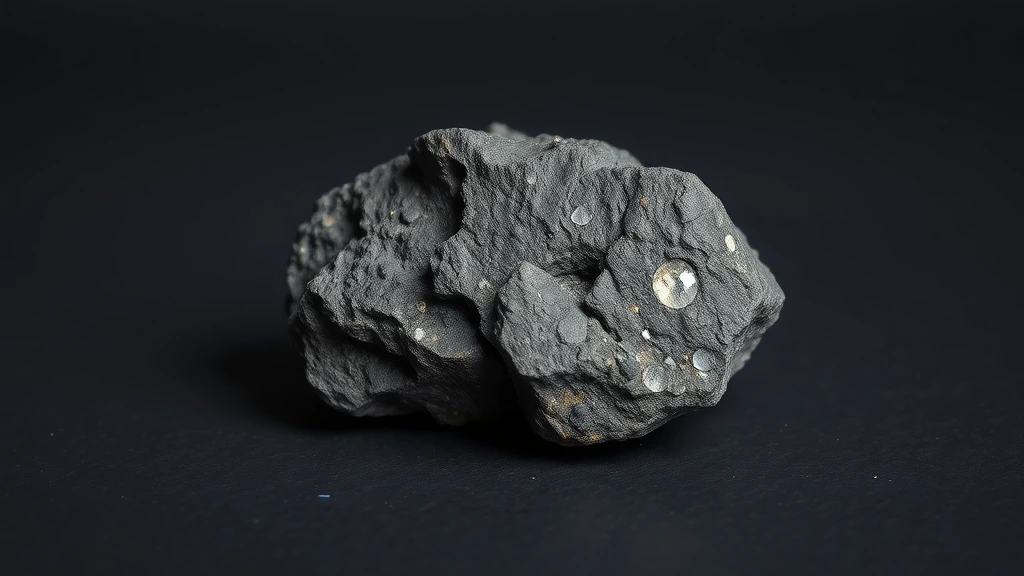
Pyroxenite belongs to the Natural Mineral / Crystal parent group, specifically classified as an ultramafic rock. It forms through the crystallization of magma rich in iron and magnesium, often found in the Earth’s upper mantle. This geological origin defines its dense, interlocking texture. Unlike single-crystal gemstones, pyroxenite is a polycrystalline aggregate. Its formation involves high-pressure metamorphism or intrusive igneous activity. Consequently, it serves as a critical indicator of mantle processes.
What is Pyroxenite? Geological Overview & Definition
Pyroxenite is defined as a rock containing more than ninety percent pyroxene minerals. These include both clinopyroxene and orthopyroxene varieties, which dominate the rock’s overall character. Minor amounts of olivine may also be present, contributing to its ultramafic nature. The rock typically forms in the upper mantle or deep crust.
Its geological significance lies in its role as a mantle source material. Pyroxenite often undergoes partial melting to generate basaltic magmas. This process is fundamental to plate tectonics and volcanic activity. Geologists use pyroxenite xenoliths to study deep Earth conditions. The rock’s durability makes it resistant to weathering in many environments.
Pyroxenite Chemical Composition & Crystallographic Properties
Pyroxenite exhibits a Composite crystal system, combining Monoclinic and Orthorhombic symmetries. This duality arises from the coexistence of clinopyroxene and orthopyroxene phases. The lattice structure of these minerals features chains of silicate tetrahedra. These chains are linked by metal cations, creating a robust framework. The interlocking nature of these crystals provides structural integrity to the rock.
Cation substitution within the pyroxene structure allows for significant chemical variability. Iron, magnesium, and calcium ions occupy specific sites in the lattice. This cation substitution influences the rock’s density and optical properties. The chromophore centers, primarily involving iron ions, dictate the observed green to black hues. These electronic transitions absorb specific wavelengths of visible light.
Pyroxenite demonstrates moderate acid sensitivity, particularly against strong mineral acids. While resistant to weak acids, prolonged exposure can alter surface textures. Thermal behavior is characterized by high melting points due to strong ionic bonds. The rock remains stable under extreme geothermal conditions. This thermal resilience makes it suitable for high-temperature geological applications.
| Property | Specification |
|---|---|
| Mineral Group | Natural Mineral / Crystal |
| Chemical Formula | Composite rock: Pyroxene (Clinopyroxene, Orthopyroxene) + Minor Olivine |
| Mohs Hardness | 5.5 – 6.5 |
| Crystal System | Composite (Monoclinic and Orthorhombic) |
| Specific Gravity (Density) | 3.20 – 3.60 |
| Refractive Index | 1.650 – 1.820 |
| Color & Optical Properties | Natural Pyroxenite color spectrum and optical dispersion |
| Primary Mining Localities | Global primary localities |
| Water & Chemical Resistance | Sensitive (Avoid prolonged water soaking) |
| Chakra Alignment (Traditional) | Root Chakra, Sacral Chakra |
| Zodiac Affinity (Traditional) | Capricorn, Virgo |
| Symbolic Meaning (Traditional) | Grounding, structural stability, and endurance |
Pyroxenite Varieties & Color Spectrum
Pyroxenite is a coarse-grained mafic rock composed primarily of pyroxene minerals, ranging from dark green to black. Its visual appeal stems from the interplay of clinopyroxene and orthopyroxene crystals, which create a distinctive granular texture. Collectors value specimens that display high clarity and vibrant mineral luster.
Diopside-Dominant Pyroxenite
This variety features large, translucent diopside crystals set in a dark matrix, often exhibiting a deep green hue. Formed in high-pressure mantle environments, it typically contains minor olivine inclusions that add textural complexity. The refractive index of the diopside components reaches up to 1.820, enhancing its vitreous luster.
Augite-Rich Pyroxenite
Characterized by abundant augite minerals, this type presents a uniform dark green to black appearance with a granular surface. It forms through the solidification of basaltic magma in deep crustal settings, resulting in dense, interlocking crystal structures. The Mohs hardness of 5.5 to 6.5 makes it durable enough for lapidary work and display specimens.
Orthopyroxene-Pyroxenite
This rare variety is dominated by orthopyroxene crystals, which often display a brownish or olive-green coloration. It typically occurs in high-temperature metamorphic zones where pressure conditions favor orthorhombic crystal growth. The density ranges between 3.20 and 3.60, reflecting the tightly packed silicate framework.
Chromite-Bearing Pyroxenite
Distinctive for its metallic black chromite inclusions, this variety offers a striking contrast against the lighter pyroxene grains. These deposits often form in ultramafic igneous intrusions, where chromium-rich minerals segregate during cooling. The presence of chromite significantly increases the rock’s overall specific gravity and visual weight.
Olivine-Pyroxenite
This composite rock contains significant amounts of olivine alongside pyroxene, creating a speckled green and brown aesthetic. It is commonly found in mantle xenoliths brought to the surface by volcanic activity. The crystal system of the olivine components is isometric, adding geometric diversity to the specimen.
Translucent Green Pyroxenite
High-grade specimens exhibit remarkable translucency, allowing light to penetrate the interlocking pyroxene crystals. This optical property is most pronounced in thin sections or polished slabs with minimal opaque inclusions. Such material is highly sought after for its unique vitreous luster and deep color saturation.
Where is Pyroxenite Found? Geological Mining & Extraction
Pyroxenite primarily occurs in ultramafic igneous intrusions and mantle xenoliths within kimberlite pipes. These deep-seated rocks are often exposed through tectonic uplift or volcanic erosion, revealing their coarse-grained structure. Major deposits are located in regions with significant mantle exposure, such as South Africa and the United States.
Extraction typically involves open-pit mining or quarrying, where large blocks are removed for geological study or lapidary processing. The density of the rock requires heavy machinery for efficient transport and handling. Specimens are often cut into polished slabs to highlight the interplay of pyroxene and olivine crystals.
Historical Significance & Cultural Lore of Pyroxenite
Ancient civilizations utilized pyroxenite for its durability and striking visual texture in architectural and ceremonial contexts. Archaeological evidence suggests its use in early tool-making and decorative elements due to its structural stability. The rock’s resistance to weathering made it a preferred material for long-lasting monuments in various cultures.
In modern esoteric traditions, pyroxenite is associated with grounding and endurance, reflecting its deep mantle origins. It is often linked to the Root and Sacral Chakras, symbolizing foundational strength and creative vitality. This cultural perception aligns with the mineral’s geological role as a stable component of the Earth’s crust.
Modern Uses & Jewelry Applications of Pyroxenite
Pyroxenite is primarily valued as a durable ornamental stone rather than a high-value gemstone, owing to its composite nature and moderate Mohs hardness. Lapidaries typically cut this material into polished slabs, tiles, or decorative carvings for architectural and interior design purposes. While rare, high-clarity specimens may be fashioned into cabochons, but faceted cutting is uncommon due to the rock’s heterogeneous composition.
- Architectural Cladding: Polished pyroxenite slabs are used for flooring, countertops, and wall panels, offering a distinctive mottled green to black aesthetic.
- Sculptural Carving: The rock’s structural integrity allows for detailed carving in statues, garden ornaments, and ceremonial objects.
- Cabochon Jewelry: Smooth, domed cabochons are occasionally set in rings or pendants, highlighting the stone’s luster without the risk of chipping associated with faceting.
- Industrial Abrasives: Crushed pyroxenite serves as a high-density abrasive material in sandpaper and grinding wheels due to its specific gravity.
Metaphysical Uses & Origins of Pyroxenite
In metaphysical traditions, pyroxenite is revered for its profound grounding energy, derived from its dense, silicate-rich composition. Practitioners use this stone to anchor spiritual energy to the earth, promoting a sense of structural stability during times of transition or emotional turbulence. Its dark, earthy tones are believed to absorb negative vibrations and facilitate deep, restorative meditation.
This material is frequently incorporated into architectural arts and lapidary designs intended to enhance endurance and resilience. Individuals seeking to cultivate patience and methodical progress often place pyroxenite in workspaces or meditation corners. The stone’s dual alignment with earth and water elements encourages a balanced approach to both physical labor and creative expression.
Which Chakra and Zodiac Signs Align with Pyroxenite?
Pyroxenite resonates most strongly with the Root Chakra, the energy center associated with survival, security, and physical well-being. This alignment stems from the stone’s dense, terrestrial origin and its ability to stabilize the body’s energy field. By connecting to the Root Chakra, pyroxenite helps practitioners feel firmly planted and secure in their daily lives.
The stone also aligns with the Sacral Chakra, governing creativity, emotion, and pleasure. This connection supports the flow of creative energy while maintaining the necessary grounding to bring ideas to fruition. Astrologically, pyroxenite is considered a powerful ally for Capricorn and Virgo, two earth signs that value discipline, precision, and tangible results.
How to Identify Real vs. Fake Pyroxenite
Artificial imitations of pyroxenite often involve synthetic glass or dyed low-grade rocks designed to mimic the stone’s mottled appearance. These replicas may lack the natural internal inclusions and density variations found in genuine pyroxenite. Understanding the subtle differences in texture, weight, and optical properties is essential for distinguishing authentic specimens from manufactured counterfeits.
Practical At-Home Authenticity Tests
- Temperature Test (Thermal Feel): Genuine pyroxenite feels distinctly cool to the touch initially due to its high thermal conductivity. Synthetic glass imitations may warm up more quickly when held in the hand, lacking the sustained coolness of natural silicate rocks.
- Specific Gravity & Weight Test: Real pyroxenite has a specific gravity between 3.20 and 3.60, making it feel noticeably heavier than its size suggests. Glass imitations are typically lighter and may feel hollow or less dense when compared to a known genuine sample of similar dimensions.
- Scratch & Hardness Test (Mohs Comparison): With a Mohs hardness of 5.5 to 6.5, pyroxenite can scratch glass (hardness 5.5) but may be scratched by a steel knife (hardness 5.5) or harder gemstones. Synthetic resins or soft glass imitations will scratch easily under a steel point or fingernail.
- Microscopic & Loupe Inspection (Internal Inclusions): Under a 10x loupe, genuine pyroxenite displays a complex, interlocking crystal structure with natural internal inclusions and color zoning. Fake stones often reveal uniform, bubble-filled glassy textures or artificial dye concentrations that lack the organic randomness of natural mineral growth.
Pyroxenite Valuation Factors, Grading & Pricing
Market value is primarily driven by Color Variations and the distinct natural texture of the stone. Deep green to black hues with visible amphibole inclusions often command higher prices due to their visual complexity. Aesthetic banding and veining patterns create unique geological narratives that appeal to collectors seeking one-of-a-kind specimens.
Pricing heavily depends on Specimen Mass & Size (Grams/Kilograms) and the overall structural block integrity. Large, unfractured blocks are preferred for high-end carving and architectural applications. Light diffusion through the dense matrix enhances the stone’s depth, while superior craftsmanship in polishing determines the final retail premium.
Geographical Origin & Authenticity significantly influence wholesale ornamental and wellness market trends. Specimens from renowned deposits, such as those in Norway or South Africa, often carry a provenance premium. Buyers increasingly seek verified origin documentation to ensure the stone’s geological history aligns with its marketed esoteric properties.
How to Clean and Care for Pyroxenite
Due to its composite nature, pyroxenite requires gentle handling to maintain its structural integrity. Wipe the surface briefly with a damp cloth and dry it immediately to prevent moisture retention. Avoid using ultrasonic cleaners or abrasive materials, as these can induce structural fractures within the interlocking crystal grains.
Store the specimen in a dry environment away from extreme temperature fluctuations. Regular inspection for hairline cracks ensures the stone remains stable for display or carving. Proper maintenance preserves the refractive index and visual clarity of the mineral matrix over time.
Cleansing and Recharging Pyroxenite (Energetic Care)
For holistic maintenance, practitioners often use herbal smudging with sage or palo santo to clear stagnant energy. This dry method respects the stone’s physical structure while aligning with its Root Chakra associations. Ensure the area is well-ventilated to prevent any residual ash or smoke from contacting the mineral surface.
Alternatively, place the specimen on a selenite charging slab or expose it to gentle moonlight overnight. These passive techniques allow the stone to absorb ambient energy without the risk of thermal shock. Avoid direct intense sunlight or domestic heating, as extreme heat can destabilize the crystal lattice and cause irreversible damage.
Frequently Asked Questions About Pyroxenite
Is pyroxenite safe to wear in the shower?
Pyroxenite is water-sensitive and should not be exposed to prolonged soaking. The composite nature of the rock makes it vulnerable to moisture damage over time. Remove jewelry before showering to maintain structural integrity. Water sensitivity is a critical factor for long-term preservation.
How should I clean my pyroxenite jewelry?
Wipe the stone briefly with a damp cloth and dry it immediately. Avoid using ultrasonic cleaners, as the vibrations can cause structural fractures in the composite matrix. A soft, dry microfiber cloth is the safest option for regular maintenance. Gentle drying prevents internal stress accumulation within the mineral structure.
What is the chemical composition of pyroxenite?
Pyroxenite is a composite rock primarily consisting of clinopyroxene and orthopyroxene minerals. It may also contain minor amounts of olivine, which influences its overall density and optical properties. This specific mineral assemblage defines its classification within mafic rock types. Understanding this composite structure is essential for accurate gemological identification.
What is the Mohs hardness of pyroxenite?
The Mohs hardness of pyroxenite ranges from 5.5 to 6.5, making it moderately durable. This level of hardness allows it to withstand daily wear but requires caution against harder materials. Scratches can occur if exposed to quartz or other harder gemstones. Proper storage is necessary to preserve the surface luster of the stone.
Which zodiac signs are aligned with pyroxenite?
Pyroxenite is traditionally associated with Capricorn and Virgo in astrological gemology. These earth signs resonate with the stone’s grounding and stabilizing energetic properties. Wearing pyroxenite is believed to enhance focus and practical endurance for these individuals. The alignment reflects the structural stability inherent in the rock’s formation.
Which chakras does pyroxenite correspond to?
This stone is energetically linked to the Root Chakra and Sacral Chakra. It supports grounding, physical stability, and creative endurance through its earthy vibrational frequency. Practitioners use it to anchor energy and promote a sense of security. These specific chakra connections highlight the stone’s role in emotional and physical balance.
What is the refractive index of pyroxenite?
The refractive index of pyroxenite varies between 1.650 and 1.820 due to its composite nature. This range reflects the differing optical properties of its constituent pyroxene minerals. High refractive values contribute to the stone’s characteristic vitreous to sub-adamantine luster. Accurate measurement requires accounting for the monoclinic and orthorhombic crystal systems present.
Is pyroxenite suitable for everyday jewelry?
Pyroxenite is suitable for everyday wear if handled with care and proper maintenance. Its moderate hardness and density make it durable enough for rings and pendants. However, owners must avoid impacts and prolonged water exposure to prevent damage. Regular inspection ensures the composite structure remains intact and visually appealing.