
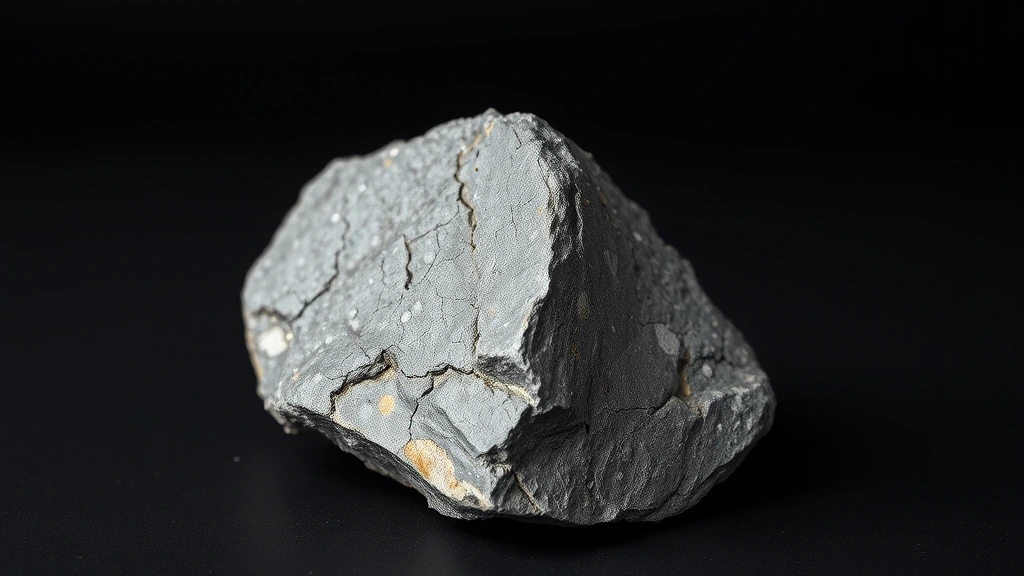
Seymchan belongs to the natural mineral‑rock category, specifically an iron‑rich chondritic meteorite that fell near Seymchan, Russia, in 1927. As an aggregate of metallic and silicate phases, it exemplifies a composite crystal system, merging isometric metal grains with orthorhombic and monoclinic silicate crystals. This dual nature gives the specimen both the density of meteoritic metal (≈7.8–8.2 g cm⁻³) and the optical diversity of its silicate inclusions.
What is Seymchan Meteorite? Geological Overview & Definition
Seymchan is classified as an iron‑nickel meteorite containing abundant silicate inclusions, making it a rare example of a mixed‑phase extraterrestrial rock. Its origin traces to the early solar system, where high‑temperature condensation produced metallic droplets that later accreted silicate grains in the protoplanetary disk.
The meteorite’s parent mineral group is the natural mineral/crystal aggregate, meaning it does not possess a single stoichiometric formula but rather a mosaic of Fe‑Ni metal and silicate crystals. This assemblage records the thermal and impact history of its parent body, preserving shock‑induced textures and melt veins that are diagnostic of meteoritic processes.
Seymchan Meteorite Chemical Composition & Crystallographic Properties
The metallic component consists of Fe‑Ni alloy with typical nickel contents of 5–15 wt %, crystallizing in an isometric (cubic) lattice that yields the familiar Widmanstätten pattern after etching. The silicate phases—olivine, pyroxene, and plagioclase—adopt orthorhombic or monoclinic structures, reflecting the composite crystal system of the whole specimen.
Cation substitution is evident as magnesium and calcium replace iron in the olivine and pyroxene lattices, while minor trace elements (e.g., chromium, cobalt) occupy nickel sites in the metal. These substitutions influence both density (7.80–8.20 g cm⁻³) and refractive index, which ranges from 1.70–2.10 in the metal to 1.60–1.75 in the silicates.
Acid sensitivity varies markedly: the metallic Fe‑Ni matrix corrodes rapidly in dilute hydrochloric acid, whereas the silicate inclusions are relatively resistant, showing only surface etching. This differential reaction is a key diagnostic tool in laboratory identification of meteoritic fragments.
Color arises from chromophore centers created by nickel and trace transition metals within the metal lattice, producing metallic‑gray to bronzy tones, while the silicates contribute subtle greenish or brownish hues. Upon heating above 600 °C, the metal undergoes oxidation, darkening the surface, whereas the silicates may recrystallize, altering their optical properties and hardness.
| Property | Specification |
|---|---|
| Mineral Group | Natural Mineral / Crystal |
| Chemical Formula | Iron-nickel metal (Fe-Ni) and silicate minerals (olivine, pyroxene, plagioclase feldspar) |
| Mohs Hardness | 4.5 – 6.5 (silicate phases) / 4.0 – 5.0 (metallic phases) |
| Crystal System | Composite (Isometric metallic phases; Orthorhombic/Monoclinic silicate phases) |
| Specific Gravity (Density) | 7.80 – 8.20 |
| Refractive Index | 1.70 – 2.10 (metallic phase) / 1.60 – 1.75 (silicate phase) |
| Color & Optical Properties | Natural Seymchan Meteorite color spectrum and optical dispersion |
| Primary Mining Localities | Global primary localities |
| Water & Chemical Resistance | Sensitive (Avoid prolonged water soaking) |
| Chakra Alignment (Traditional) | Root Chakra, Crown Chakra |
| Zodiac Affinity (Traditional) | Aries, Sagittarius |
| Symbolic Meaning (Traditional) | Cosmic connection, primal energy, and grounding |
Seymchan Meteorite Varieties & Color Spectrum
The Seymchan meteorite exhibits distinct visual characteristics driven by its complex internal structure. Primary differentiation occurs between the metallic and silicate components, each displaying unique optical properties. Collectors often categorize specimens based on the ratio of these phases and the presence of specific inclusions.
Classic Iron-Nickel Matrix
This variety features a dominant iron-nickel metal matrix with visible schreibersite crystals. The metallic phase typically presents a dark, lustrous surface that oxidizes over time. Schreibersite inclusions appear as bright, golden-yellow needles or plates within the metal. This composition is the most common form encountered in the trade.
Olivine-Rich Silicate Morph
Specimens in this category contain a higher concentration of olivine grains embedded in the metallic framework. The greenish hue of the olivine contrasts sharply with the dark iron-nickel background. These stones often display a speckled appearance due to the distribution of silicate minerals. This variety is prized for its vibrant color contrast and geological complexity.
Schreibersite Crystal Specimens
These rare pieces feature large, well-formed schreibersite crystals protruding from the metal surface. The crystals exhibit a distinctive golden-bronze color and high reflectivity. Their presence indicates specific cooling conditions during the meteorite’s formation. Such specimens are highly sought after by mineral collectors for their aesthetic appeal.
Weathered Surface Variants
Exposure to atmospheric elements creates a patina on the exterior of the meteorite fragments. This weathering process results in a mottled appearance with varying shades of brown and black. The underlying metallic structure remains intact beneath this altered outer layer. These variants offer insights into the meteorite’s terrestrial history since impact.
Polished Cross-Section Slabs
Commercially prepared slabs reveal the intricate internal architecture of the Seymchan meteorite. Polishing enhances the visibility of the Widmanstätten patterns in the metallic phase. Silicate inclusions become clearly defined against the reflective metal background. This preparation method is standard for displaying the meteorite’s structural beauty.
Where is Seymchan Meteorite Found? Geological Mining & Extraction
The Seymchan meteorite originated from a single fall event in the Putorana Plateau region of Siberia. This area is characterized by ancient Precambrian rock formations that provide a stable geological context. The meteorite impacted millions of years ago, embedding itself deep within the bedrock. No active mining occurs today, as the original fall site is remote and inaccessible.
Recovery efforts have historically involved surface collection and limited excavation near the impact zone. The host rock consists of hard, resistant metamorphic materials that complicate extraction. Modern retrieval relies on documented historical locations rather than new prospecting activities. The scarcity of accessible material ensures that available specimens remain rare and valuable.
Historical Significance & Cultural Lore of Seymchan Meteorite
Indigenous peoples of the Siberian region recognized the meteorite’s metallic composition long before Western scientific documentation. Early interactions likely involved the use of the iron-nickel metal for tool-making or ceremonial purposes. The object’s unusual origin and durability would have imbued it with significant cultural importance. Oral traditions may have preserved stories linking the stone to celestial events or divine gifts.
Archaeological evidence of direct use is limited due to the meteorite’s age and the region’s harsh climate. However, the presence of meteoritic iron in ancient artifacts suggests early metallurgical experimentation. The Seymchan meteorite serves as a critical reference point for understanding cosmic connections in human history. Its study bridges the gap between natural science and cultural heritage, highlighting humanity’s enduring fascination with extraterrestrial materials.
Modern Uses & Jewelry Applications of Seymchan Meteorite
Lapidaries treat Seymchan meteorite as a high-value artisanal material, primarily utilizing its distinct metallic-silicate interface for visual contrast. The stone is rarely faceted due to its composite nature and variable hardness, which complicates precise cutting. Instead, artisans favor cabochon polishing to reveal the shimmering kamacite bands against the darker silicate matrix. This approach highlights the natural Widmanstätten patterns that emerge during acid etching.
- Cabochon Cutting: Polished to a smooth dome to showcase the interplay between iron-nickel metal and olivine.
- Ornamental Carving: Used in pendants and rings where the rugged, cosmic aesthetic is the primary design element.
- Etched Surfaces: Acid treatment reveals intricate Widmanstätten patterns, enhancing the metallic phase’s visual complexity.
- Architectural Inlays: Incorporated into high-end desk sets and decorative panels for their unique geological provenance.
Metaphysical Uses & Origins of Seymchan Meteorite
Practitioners value Seymchan meteorite for its perceived connection to primal cosmic energy, bridging the terrestrial and celestial realms. The stone’s dense, metallic core is believed to facilitate deep grounding practices, anchoring the user’s energy to the earth. During meditation, the material is often held to stabilize mental fluctuations and enhance focus. Its origin as a space-borne object adds a layer of mystique to its energetic profile.
In architectural and lapidary arts, the meteorite serves as a focal point for cosmic connection rituals. The interplay of metal and silicate minerals is interpreted as a symbol of balance between strength and flexibility. Users report that the stone’s weight and thermal properties aid in energy center alignment. This dual nature makes it a popular choice for those seeking both stability and spiritual elevation.
Which Chakra and Zodiac Signs Align with Seymchan Meteorite?
Seymchan meteorite is canonically aligned with the Root Chakra and the Crown Chakra, creating a unique energetic bridge. The Root Chakra connection stems from the stone’s dense, earthy silicate components, which promote stability and security. Conversely, the Crown Chakra alignment reflects the meteorite’s extraterrestrial origin, facilitating higher consciousness and spiritual insight. This dual alignment supports practices that require both physical grounding and mental clarity.
The stone resonates strongly with the zodiac signs Aries and Sagittarius, both fire signs associated with action and exploration. Aries benefits from the meteorite’s grounding influence, which tempers its impulsive nature with stability. Sagittarius finds support in the stone’s cosmic energy, enhancing its innate drive for discovery and philosophical understanding. This alignment makes the meteorite a powerful talisman for these signs, balancing their fiery energy with cosmic perspective.
How to Identify Real vs. Fake Seymchan Meteorite
Artificial imitations of Seymchan meteorite often use synthetic glass or dyed basalt to mimic the natural metallic-silicate appearance. These replicas may feature painted patterns or embedded metal flakes to simulate the Widmanstätten structure. However, genuine meteorites exhibit a complex, three-dimensional intergrowth of minerals that is difficult to replicate artificially. Understanding these distinctions is crucial for collectors and enthusiasts seeking authentic specimens.
Practical At-Home Authenticity Tests
- Temperature Test (Thermal Feel): Genuine meteorites feel noticeably cooler to the touch than glass or plastic imitations due to their high thermal conductivity. The metallic phase conducts heat away from the skin rapidly, creating a distinct chilling sensation.
- Specific Gravity & Weight Test: Real Seymchan meteorites have a high density, typically ranging from 7.80 to 8.20 g/cm³. They feel significantly heavier than their size would suggest, unlike lighter synthetic glass or dyed stone replicas.
- Scratch & Hardness Test (Mohs Comparison): The silicate phases have a Mohs hardness of 4.5 to 6.5, while metallic phases are softer. A steel knife (hardness ~5.5) may scratch the metal but not the olivine, revealing the composite nature.
- Microscopic & Loupe Inspection (Internal Inclusions): Under a 10x loupe, genuine meteorites display natural Widmanstätten patterns and irregular mineral boundaries. Fakes often show uniform, artificial patterns or trapped air bubbles indicative of synthetic glass.
Seymchan Meteorite Valuation Factors, Grading & Pricing
The color variations of Seymchan are a primary driver of market value. Dark metallic lusters intermix with silicate veins of olivine, pyroxene, and plagioclase, creating striking banding that collectors prize. Natural texture, including hammer‑dented surfaces and fusion crust remnants, adds authenticity and visual depth, further enhancing desirability.
Specimen mass & size directly influence price, with larger blocks fetching premium rates due to their rarity and structural integrity. A well‑preserved meteorite that retains its original block form resists fracturing and showcases uniform light diffusion across metallic and silicate phases. Skilled carving that respects the natural grain can add modest value, but the emphasis remains on bulk and unaltered condition.
Geographical origin & authenticity are critical for valuation, as Seymchan’s provenance from the Russian Far East is well documented and highly sought after. Certified specimens with traceable documentation command higher prices in both ornamental and wellness markets. Current trends show growing demand among collectors who associate the meteorite with grounding energy and cosmic heritage, driving upward price momentum.
How to Clean and Care for Seymchan Meteorite
Gently wipe the meteorite with a lightly dampened cloth, then immediately dry the surface with a soft, dry microfiber towel. This brief moisture exposure removes surface dust without allowing water to penetrate the metallic or silicate phases. Avoid any ultrasonic cleaning; the vibrations can induce micro‑fractures in the delicate crystal lattice.
Cleansing and Recharging Seymchan Meteorite (Energetic Care)
For energetic renewal, place the meteorite in a clean area under gentle moonlight for a few hours, allowing lunar energy to cleanse and recharge its natural frequencies. Alternatively, a brief herbal smudging session using sage or cedar can clear stagnant vibrations, provided the smoke is light and the stone is not exposed to moisture.
Rest the meteorite on a selenite charging slab for a short period, allowing the pure crystal to transmit subtle, stabilizing energies. Ensure the slab is dry and the environment is free of excessive humidity, preserving both the physical integrity and the metaphysical qualities of the Seymchan meteorite.
Frequently Asked Questions About Seymchan Meteorite
Is Seymchan meteorite safe to wear in the shower?
No, it is water-sensitive and should avoid prolonged soaking. The composite structure contains metallic and silicate phases that may suffer from oxidation or structural weakening when exposed to constant moisture. Brief contact with rain is generally acceptable, but submersion in showers or baths is strictly discouraged to preserve the stone’s integrity.
How should I clean my Seymchan meteorite piece?
Wipe it briefly with a damp cloth and dry it immediately. You must avoid ultrasonic cleaners, as the vibrations can cause structural fractures in the delicate silicate inclusions. A soft, dry microfiber cloth is the safest tool for routine dusting to maintain the surface luster without introducing harmful moisture.
Which zodiac signs are aligned with Seymchan meteorite?
Aries and Sagittarius are the primary aligned zodiac signs. These fire signs resonate with the stone’s primal energy and dynamic cosmic connection. Individuals born under these signs often find that the meteorite enhances their natural drive and spiritual awareness significantly.
What chakras does Seymchan meteorite activate?
It activates the Root Chakra and Crown Chakra. This unique dual alignment bridges grounding stability with higher spiritual consciousness. The stone facilitates a direct energetic link between the earth’s physical plane and the cosmos, supporting holistic balance.
What is the Mohs hardness of Seymchan meteorite?
The hardness ranges from 4.0 to 6.5 depending on the phase. The metallic components are softer, while the silicate minerals like olivine and pyroxene are harder. This composite nature means the stone requires careful handling to prevent chipping of the harder silicate inclusions.
Can I use an ultrasonic cleaner on this stone?
No, you must never use an ultrasonic cleaner on this stone. The intense vibrations can induce structural fractures within the composite matrix, permanently damaging the meteorite. Stick to gentle manual cleaning methods to ensure the longevity and aesthetic quality of the piece.
What is the chemical composition of Seymchan meteorite?
It consists of iron-nickel metal and silicate minerals. The metallic phase provides the distinctive kamacite and taenite patterns, while the silicate phase includes olivine and pyroxene. This unique combination creates the stone’s remarkable density and visual complexity.
Does Seymchan meteorite have a specific crystal system?
It features a composite crystal system structure. The metallic phases are isometric, while the silicate components exhibit orthorhombic or monoclinic symmetries. This complex arrangement contributes to the stone’s unique optical properties and refractive index variations.