
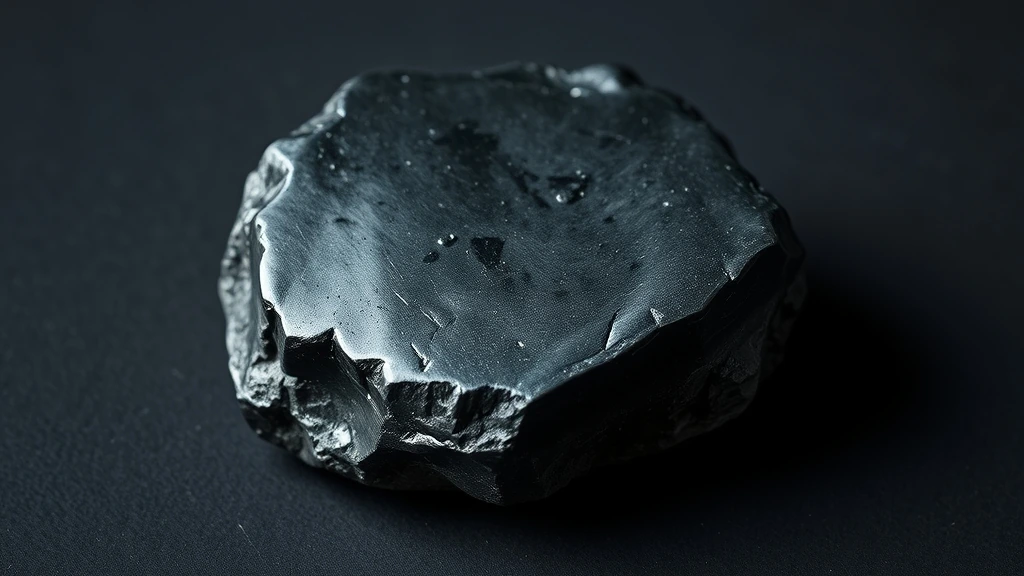
Silver Sheen Obsidian belongs to the mineraloid class of extrusive volcanic glasses. Unlike crystalline minerals, it lacks a long‑range atomic arrangement, giving it a glassy texture that reflects light in a metallic sheen. This amorphous nature results in a distinctive optical behavior, with a refractive index between 1.480 and 1.510.
What is Silver Sheen Obsidian? Geological Overview & Definition
Silver Sheen Obsidian is a volcanic glass formed by the rapid cooling of high‑silica lava. Its silvery luster arises from fine‑scale chromophore centers created during quenching, which scatter light and produce a metallic sheen. The stone is typically found in volcanic terrains worldwide, where basaltic or andesitic flows have cooled quickly enough to prevent crystal growth. Its classification as a mineraloid reflects its non‑crystalline structure and lack of a defined crystal lattice. In comparative mineralogical collections, practitioners and geologists frequently study Que Sera Galaxy Rhyolite alongside this crystal to appreciate their subtle energetic and structural differences.
Silver Sheen Obsidian Chemical Composition & Crystallographic Properties
The mineral’s composition is dominated by SiO₂, with minor Fe²⁺, Mg²⁺, and trace alkali metals. Because it is an amorphous material, it does not possess a crystal lattice; instead, the atoms are arranged in a disordered network. Cation substitution occurs mainly through Fe and Mg, which influence the glass’s color and density. Acid sensitivity is low, as the silicate network resists dissolution, but prolonged exposure to strong acids can leach alkali ions and alter surface appearance. Thermal behavior shows a glass transition around 500 °C, above which the material softens without crystallizing, maintaining its amorphous character until it melts.
| Property | Specification |
|---|---|
| Mineral Group | Mineraloid (Extrusive Volcanic Glass) |
| Chemical Formula | Volcanic glass (70%+ SiO₂ with Fe, Mg silicates) |
| Mohs Hardness | 5.0 – 5.5 |
| Crystal System | Amorphous (Non-crystalline volcanic glass) |
| Specific Gravity (Density) | 2.35 – 2.60 |
| Refractive Index | 1.480 – 1.510 |
| Color & Optical Properties | Natural Silver Sheen Obsidian color spectrum and optical dispersion |
| Primary Mining Localities | Mexico, USA (Oregon, Utah), Turkey (Kars, Agri), Armenia, Iceland |
| Water & Chemical Resistance | High (Natural volcanic glass; safe in water) |
| Chakra Alignment (Traditional) | Root Chakra (Muladhara) |
| Zodiac Affinity (Traditional) | Scorpio, Sagittarius, Capricorn |
| Symbolic Meaning (Traditional) | Aura shield, emotional truth mirroring, cord-cutting, and shadow grounding |
Silver Sheen Obsidian Varieties & Color Spectrum
Silver Sheen Obsidian is a distinct volcanic glass characterized by its metallic luster and unique optical properties. This variety forms when lava cools rapidly, trapping microscopic gas bubbles and iron oxides within the amorphous structure. The interplay of light with these inclusions creates a shimmering, silvery appearance that distinguishes it from standard black obsidian. In comparative mineralogical collections, practitioners and geologists frequently study Quantum Quattro alongside this crystal to appreciate their subtle energetic and structural differences.
Classic Silver Sheen
This primary variety exhibits a deep black base with a pervasive, silvery metallic luster across its surface. The microscopic gas bubbles and iron-rich inclusions scatter light to produce this distinctive sheen. It is the most commercially available form, often found in large, flow-banded deposits.
Rainbow Obsidian
While distinct, Rainbow Obsidian shares the same volcanic glass composition but displays iridescent flashes of green, blue, and gold. These colors result from the oxidation of iron and manganese within the amorphous silicate matrix. The transition from silver sheen to rainbow hues depends on the specific cooling rate and mineral impurities.
Gold Sheen Obsidian
Gold Sheen Obsidian features a warm, golden metallic luster rather than the cooler silver tone of its counterpart. This variation is caused by higher concentrations of iron oxide inclusions that reflect light with a yellowish tint. It is rarer than classic silver sheen and often commands a premium in the gem market.
Fire Obsidian
Fire Obsidian is characterized by intense, fiery red and orange reflections that dance across its dark surface. These vivid colors stem from specific iron silicate inclusions that react strongly to ambient light. It is highly prized for its dramatic visual impact and is often cut into cabochons to maximize the effect.
Satin Obsidian
Satin Obsidian displays a soft, velvety luster with subtle, linear reflections that resemble silk or satin. This texture arises from the alignment of microscopic crystalline structures within the glass during rapid cooling. It offers a more subdued aesthetic compared to the bright metallic sheens of other varieties.
Where is Silver Sheen Obsidian Found? Geological Mining & Extraction
Silver Sheen Obsidian is primarily extracted from volcanic regions where rapid cooling of lava flows has preserved the glassy texture. Major deposits are located in Mexico, particularly in the Pachuca and Querétaro regions, which are renowned for high-quality specimens. These areas feature extensive rhyolitic lava flows that provide ideal conditions for the formation of varied obsidian types.
Other significant sources include Indonesia, specifically the island of Java, and Russia, where volcanic activity has produced substantial quantities of obsidian. Mining operations typically involve open-pit extraction, allowing for the recovery of large, intact blocks suitable for lapidary work. The geological stability of these deposits ensures a consistent supply for both industrial and gemological purposes.
Historical Significance & Cultural Lore of Silver Sheen Obsidian
Ancient civilizations across multiple continents utilized obsidian for its exceptional hardness and ability to create sharp edges. In Mesoamerican cultures, obsidian blades and mirrors were central to ritualistic practices and daily life, symbolizing power and transformation. Similarly, ancient Egyptian artisans used obsidian for inlays and cosmetic tools, valuing its lustrous surface for aesthetic and practical applications.
In Vedic traditions, volcanic glass was associated with protective energies and spiritual clarity, often incorporated into meditative practices. Archaeological findings in Greco-Roman sites reveal obsidian artifacts used for divination and decorative purposes, highlighting its cross-cultural significance. This enduring legacy underscores the mineral’s role as a bridge between geological formation and human cultural expression.
Modern Uses & Jewelry Applications of Silver Sheen Obsidian
Lapidaries primarily cut silver sheen obsidian into cabochons to maximize its metallic luster and iridescent play-of-color. Faceting is generally avoided because the stone’s amorphous structure lacks the cleavage planes necessary for precise geometric brilliance. This material is also carved into ornamental beads, pendants, and inlays for high-end jewelry settings.
- Cabochon Polishing: The smooth, domed surface enhances the visible silver sheen and rainbow flashes.
- Carved Ornaments: Skilled artisans shape the glass into intricate figurines or decorative architectural elements.
- Jewelry Settings: Commonly set in silver or gold to complement the stone’s cool, metallic aesthetic.
Metaphysical Uses & Origins of Silver Sheen Obsidian
Throughout ancient lapidary traditions, obsidian has been revered as a powerful tool for emotional truth mirroring and spiritual protection. Practitioners use this volcanic glass to facilitate deep introspection and the release of negative energetic attachments. Its reflective surface symbolizes the ability to see through illusions and confront hidden psychological shadows.
In modern metaphysical practice, silver sheen obsidian is utilized for aura shielding and cord-cutting rituals. Meditators hold the stone to ground their energy and stabilize their emotional state during intense visualization exercises. The mineral’s association with shadow work makes it a preferred choice for those seeking to detach from toxic relationships or limiting beliefs.
Which Chakra and Zodiac Signs Align with Silver Sheen Obsidian?
Silver sheen obsidian is canonically aligned with the Root Chakra (Muladhara), which governs survival, stability, and physical security. This connection stems from the stone’s dense, earthy composition and its ability to anchor spiritual energy into the physical body. Working with this mineral helps practitioners feel more grounded and connected to their immediate environment.
Astrologically, this stone resonates strongly with the zodiac signs of Scorpio, Sagittarius, and Capricorn. Scorpios appreciate its depth and transformative power, while Sagittarians value its protective qualities during travel. Capricorns find its grounding nature supportive of their ambitious and structured approach to life.
How to Identify Real vs. Fake Silver Sheen Obsidian
Artificial imitations of silver sheen obsidian often involve synthetic glass or dyed volcanic rocks designed to mimic the natural iridescence. These replicas may lack the subtle variations in color and texture found in genuine specimens. Understanding the physical properties of natural volcanic glass is essential for distinguishing authentic stones from manufactured fakes.
Practical At-Home Authenticity Tests
- Temperature Test (Thermal Feel): Genuine obsidian feels cool to the touch initially and warms slowly, whereas plastic imitations warm up almost instantly due to lower thermal conductivity.
- Specific Gravity & Weight Test: Real obsidian has a density of 2.35 – 2.60, making it feel significantly heavier than glass or plastic of the same size.
- Scratch & Hardness Test (Mohs Comparison): With a Mohs hardness of 5.0 – 5.5, obsidian can scratch glass but will be scratched by quartz or steel tools.
- Microscopic & Loupe Inspection (Internal Inclusions): Use a 10x loupe to look for tiny bubbles or swirls, which indicate synthetic glass; natural obsidian is typically clear of these artifacts.
Silver Sheen Obsidian Valuation Factors, Grading & Pricing
The market value of Silver Sheen Obsidian is primarily driven by its color variations. The subtle gray‑to‑silver hues, often enhanced by natural texture and occasional banding or veining, create a visual depth that collectors prize. A specimen with a smooth, uniform sheen and minimal surface blemishes commands a higher premium than one with pronounced fissures or irregular coloration.
Specimen mass and size play a decisive role in pricing. Larger, well‑formed blocks that retain structural integrity during carving exhibit greater value, as they allow for more elaborate ornamental designs. Light diffusion through the glass, which gives the stone its characteristic silver glow, is also a key aesthetic factor that can elevate a piece’s desirability among artisans and wellness practitioners.
The geographical origin and authenticity of the stone are critical for market positioning. Provenance from renowned volcanic regions—such as the Pacific Ring of Fire or the Andes—adds historical allure and assures buyers of genuine volcanic glass. Current wholesale trends in the ornamental and wellness sectors favor ethically sourced, traceable specimens, and this demand is reflected in higher price points for verified, origin‑specific samples.
How to Clean and Care for Silver Sheen Obsidian
Cleaning Silver Sheen Obsidian should be performed with caution, respecting its brittle nature. Use a soft, dry microfiber cloth to gently remove dust and fingerprints; this prevents accidental abrasion. If a deeper cleanse is required, immerse the stone in warm water for a brief period—no more than a few minutes—then rinse with clean, lukewarm water and pat dry with a lint‑free towel. Avoid ultrasonic cleaners, as the vibration can cause microfractures that compromise the stone’s structural integrity.
Cleansing and Recharging Silver Sheen Obsidian (Energetic Care)
Energetic recharging of Silver Sheen Obsidian can be achieved through dry, low‑heat methods that preserve its physical properties. Place the stone under gentle moonlight for several hours, allowing the natural lunar energy to cleanse and refresh its aura without exposing it to direct sunlight or heat. Alternatively, resting the obsidian on a selenite slab during a full moon can facilitate a subtle energy transfer, enhancing its grounding and protective qualities while maintaining its structural stability.
Frequently Asked Questions About Silver Sheen Obsidian
Silver Sheen Obsidian displays distinct mineralogical characteristics across its geological varieties and structural habits. Gemologists evaluate these natural varieties based on crystal habit, trace chromophore concentrations, and visual luster.
Primary Natural Silver Sheen Obsidian
The benchmark natural variety exhibiting diagnostic color saturation and classic crystallographic symmetry.
Distinct Geological Morphs of Silver Sheen Obsidian
Secondary regional and structural varieties formed under localized geological temperature and pressure conditions.
Is Silver Sheen Obsidian safe to wear in the shower?
Yes, it is water‑resistant and can be worn in the shower. The volcanic glass composition of Silver Sheen Obsidian gives it high resistance to water, so routine exposure to moisture does not damage its structure. However, avoid prolonged soaking in hot water, which may cause thermal shock and surface crazing.
Can I clean Silver Sheen Obsidian with an ultrasonic cleaner?
No, ultrasonic cleaners should be avoided. While the stone tolerates warm water, the vibration can cause brittle volcanic glass to chip or fracture. Instead, clean with a damp microfiber cloth and mild soap, then dry immediately with a soft towel.
What is the best way to clean Silver Sheen Obsidian?
Use a damp microfiber cloth and mild soap, then dry with a soft towel. This gentle method preserves the stone’s natural sheen and prevents surface scratches. Avoid harsh chemicals or abrasive pads that can dull the glassy finish.
Is Silver Sheen Obsidian suitable for jewelry that will be exposed to saltwater?
Yes, it is suitable for saltwater exposure. The high silica content and amorphous structure make it resistant to corrosion from sea water, so it can be worn while swimming or snorkeling without significant risk of degradation.
Which zodiac signs are associated with Silver Sheen Obsidian?
Scorpio, Sagittarius, and Capricorn. These signs are traditionally linked to the stone’s grounding and protective energies, aligning with its metaphysical properties in astrological practice.
Which chakra does Silver Sheen Obsidian correspond to?
Root Chakra (Muladhara). The stone is believed to anchor and stabilize, supporting the foundational energy center that governs feelings of safety and grounding.
Does Silver Sheen Obsidian have any special care instructions for long‑term storage?
Store it in a cool, dry place away from direct sunlight. Prolonged exposure to intense light can fade the silver sheen, while high humidity may promote surface crazing. Keep the stone in a soft pouch or wrapped in a cotton cloth to protect its delicate surface.
Can Silver Sheen Obsidian be used in a sauna or hot tub?
It should be used with caution. While the stone is heat‑tolerant, rapid temperature changes can induce thermal shock, potentially leading to cracks. If placed in a sauna or hot tub, allow it to acclimate gradually and monitor for any signs of stress.