
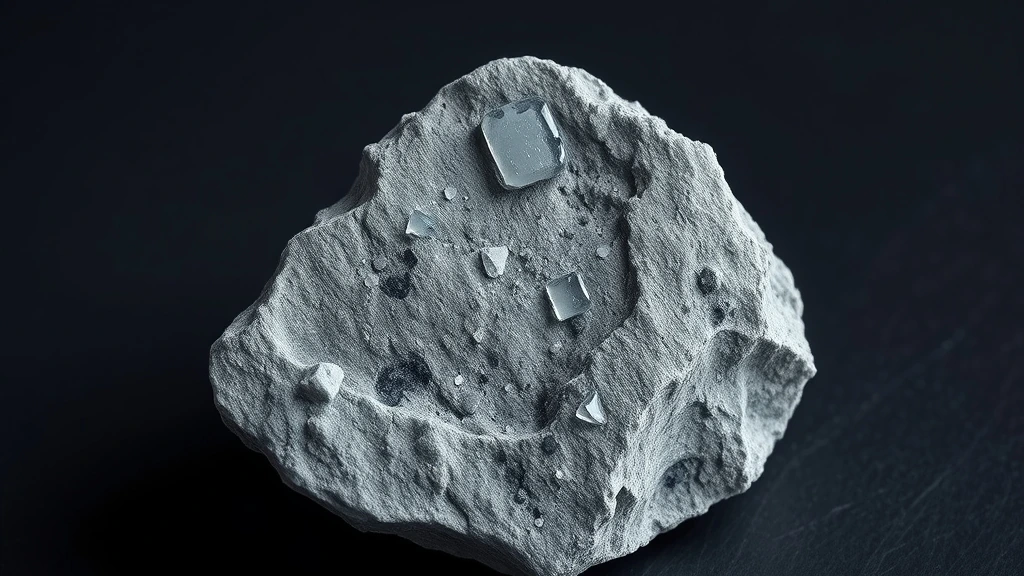
Tantalite belongs to the natural mineral category, forming as a primary ore in granitic pegmatites and carbonatite complexes worldwide. It crystallizes in the orthorhombic system, typically as tabular or prismatic crystals that can aggregate into massive, granular habits. The mineral’s high density (≈ 8 g/cm³) and refractory nature make it a key source of tantalum for high‑technology applications, while its gem‑quality specimens are prized for their rarity and deep, opaque hues.
What is Tantalite? Geological Overview & Definition
Tantalite is an oxide mineral composed principally of tantalum, iron, and manganese, occurring in the same geological environments as columbite. It forms during the late stages of magmatic differentiation, where residual melts become enriched in high‑field‑strength elements, allowing tantalum to crystallize as (Fe,Mn)Ta₂O₆.
In the field, tantalite is recognized by its high specific gravity and metallic to sub‑metallic luster, often intergrown with columbite‑tantalite series minerals. Its occurrence is a reliable indicator of tantalum‑rich pegmatitic deposits, which are mined for both industrial and gemological purposes.
Tantalite Chemical Composition & Crystallographic Properties
The mineral’s crystal structure is orthorhombic, belonging to the space group *Pbcn*, where TaO₆ octahedra share edges and corners to create a robust three‑dimensional framework. Within this lattice, Fe²⁺ and Mn²⁺ substitute for one another in the cation sites, producing the solid‑solution series that defines tantalite’s compositional variability.
Tantalite is chemically stable but reacts slowly with hydrofluoric acid, which can dissolve the Ta‑O bonds under aggressive conditions. Its refractive index ranges from 2.30 to 2.55, contributing to the stone’s high brilliance when cut, while the chromophore responsible for its dark coloration stems from Fe²⁺ electronic transitions within the octahedral field.
Thermally, tantalite remains stable up to about 1,500 °C, beyond which it undergoes incongruent melting, releasing Ta₂O₅ and forming secondary phases. This high‑temperature resilience underpins its use in refractory ceramics and as a crucible material in metallurgical processes.
| Property | Specification |
|---|---|
| Mineral Group | Natural Mineral / Crystal |
| Chemical Formula | (Fe,Mn)Ta₂ O₆ |
| Mohs Hardness | 6–6.5 |
| Crystal System | Orthorhombic |
| Specific Gravity (Density) | 8.0+ |
| Refractive Index | 2.30 – 2.55 |
| Color & Optical Properties | Natural Tantalite color spectrum and optical dispersion |
| Primary Mining Localities | Global primary localities |
| Water & Chemical Resistance | High (Safe for gentle water washing) |
| Chakra Alignment (Traditional) | Root Chakra, Sacral Chakra |
| Zodiac Affinity (Traditional) | Taurus, Virgo, Capricorn |
| Symbolic Meaning (Traditional) | Grounding, stability, and connection to the earth |
Tantalite Varieties & Color Spectrum
Tantalite exhibits a diverse range of color morphs driven by trace element substitutions within its crystal lattice. The most common hues include deep black, brown, and green, with rarity increasing as saturation and clarity improve. Understanding these variations is essential for accurate gemological identification and valuation.
Black Tantalite
This variety presents as an opaque, jet-black mineral with a distinct metallic luster. It typically forms in high-temperature pegmatite environments where iron and manganese content is high. Black specimens are the most abundant trade variety, often used in industrial applications rather than jewelry.
Brown Tantalite
Brown tantalite ranges from light tan to deep chocolate, displaying a vitreous to sub-metallic sheen. This coloration results from specific Fe/Mn ratios within the orthorhombic crystal structure. It is frequently found in alluvial deposits across Central Africa, where weathering processes alter surface oxidation states.
Green Tantalite
Green tantalite is a rarer morph, often exhibiting a deep forest or olive hue. This coloration is attributed to trace amounts of titanium or other transition metals substituting for tantalum. High-quality green specimens with minimal inclusions are highly sought after by collectors for their unique aesthetic appeal.
Coltan (Columbite-Tantalite)
Coltan is a mixed mineral series containing both columbite and tantalite components. It typically appears as a dark, iridescent black with a strong metallic luster. This variety is the primary source of tantalum for the electronics industry, dominating global mining operations.
Tantalite-Columbite Series
This intermediate series displays a gradient of colors from brown to greenish-black. The exact hue depends on the relative proportion of columbium to tantalum in the solid solution. These specimens often exhibit complex zoning patterns visible under magnification, reflecting changing geological conditions during formation.
Rare Blue Tantalite
Blue tantalite is an exceptionally rare color morph, usually appearing as a deep indigo or slate blue. This hue is caused by specific structural defects or trace impurities that are not fully understood. Due to its scarcity, blue tantalite is a prized specimen among advanced mineral collectors.
Where is Tantalite Found? Geological Mining & Extraction
Tantalite primarily occurs in alkaline pegmatites and carbonatite complexes, where high-temperature magmatic processes concentrate rare earth elements. These host rocks provide the necessary chemical environment for the formation of complex tantalum-niobium oxides. The mineral often coexists with other rare minerals like beryl and topaz.
Major extraction regions include the Democratic Republic of the Congo, Brazil, and Australia. The DRC is the world’s leading producer, with deposits located in the eastern provinces. Mining operations focus on both primary ore bodies and secondary alluvial deposits formed by river erosion.
Historical Significance & Cultural Lore of Tantalite
Tantalite was first identified in the late 18th century, but its use in ancient civilizations remains largely undocumented. Unlike more common gemstones, it did not feature prominently in archaeological artifacts from Egypt or Mesopotamia. Its industrial importance only emerged in the modern era with the development of electronics.
In contemporary esoteric traditions, tantalite is associated with grounding and stability, linking the wearer to the earth. It is often recommended for individuals seeking to enhance their connection to physical reality. This modern lore contrasts with its long history as an obscure mineral specimen.
Modern Uses & Jewelry Applications of Tantalite
Tantalite’s high refractive index (2.30‑2.55) and metallic luster make it a favored material for both faceted gems and polished cabochons. Lapidary artisans often cut the stone into brilliant or step cuts to showcase its sparkle, while cabochon styles highlight its deep, oil‑like sheen. Ornamental carving—such as miniature beads, pendants, and inlay work—leverages its density (8.0+) for durability in high‑impact pieces.
- Brilliant or step‑cut faceting for rings and earrings
- Polished cabochon pendants and brooches
- Carved beads, inlays, and ornamental miniatures
Metaphysical Properties & Traditional Meaning of Tantalite
According to historical traditions and metaphysical lore, tantalite is believed to foster grounding and stability, anchoring the wearer to the physical world. Its energy is said to calm restless emotions, encouraging a sense of inner security and confidence in material pursuits. Practitioners also attribute a subtle protective aura that deflects negative influences while enhancing perseverance.
Which Chakra and Zodiac Signs Align with Tantalite?
Tantalite resonates most strongly with the Root Chakra, supporting foundational stability and a deep connection to the earth. It also vibrates with the Sacral Chakra, promoting creative flow and emotional balance, making it a dual‑chakra stone for personal empowerment.
In astrology, tantalite is aligned exclusively with the earth signs Taurus, Virgo, and Capricorn. These signs share the stone’s emphasis on practicality, perseverance, and material success, reinforcing its reputation as a talisman for grounded ambition.
How to Identify Real vs. Fake Tantalite
Artificial imitations of tantalite include high‑index glass, synthetic spinels, and dyed quartz that mimic its brilliance but lack its characteristic density and metallic sheen. Synthetic glass often feels lighter and displays a uniform internal structure, while dyed replicas may show uneven coloration under close inspection. Recognizing these differences helps collectors avoid costly misidentifications.
Practical At-Home Authenticity Tests
- Temperature Test (Thermal Feel): Real tantalite feels cool to the touch and retains low temperature longer than glass, which quickly warms to skin temperature.
- Specific Gravity & Weight Test: With a density over 8.0, genuine tantalite feels noticeably heavier than glass or quartz of similar size; a simple water displacement test can confirm the higher specific gravity.
- Scratch & Hardness Test (Mohs Comparison): Using a steel file (Mohs ~5.5) will leave a faint mark on tantalite (hardness 6–6.5) but not on harder minerals; glass (Mohs ~5) scratches more easily.
- Microscopic & Loupe Inspection (Internal Inclusions): Under 10× magnification, natural tantalite shows fine metallic inclusions or crystal twinning, whereas glass appears uniformly clear with no internal features.
Tantalite Valuation Factors, Grading & Pricing
Market valuation for tantalite specimens is primarily driven by Color Saturation, which reflects the mineral’s inherent visual vibrancy. High-grade pieces exhibit a deep, uniform metallic sheen that enhances their natural energetic luster. Collectors prioritize specimens where the dark grey to black hues remain consistent across the entire surface. This chromatic intensity directly correlates with the perceived stability and grounding properties of the stone.
Pricing is further determined by Crystal Size & Weight (Grams), as raw specimens are assessed by mass rather than specimen weight (grams). The quality of the tumbled polish significantly impacts value, with smooth, high-gloss finishes commanding premium prices over rougher cuts. Natural matrix inclusions are also evaluated, as distinct geological formations can increase a specimen’s scientific and aesthetic appeal. Dimensional integrity and surface finish remain the critical metrics for commercial grading.
The Ethical Sourcing & Locality Premium plays a decisive role in the holistic and collector markets. Buyers increasingly demand provenance documentation to ensure the mineral was extracted without supporting conflict zones. Specific localities known for exceptional crystal clarity often carry a significant price premium due to their rarity. Transparency in supply chains ensures that the stone’s energetic integrity aligns with ethical consumer standards.
How to Clean and Care for Tantalite
Maintaining the structural integrity of tantalite requires gentle handling due to its Orthorhombic crystal system and moderate hardness. You should use warm soapy water and a soft cloth to remove surface dust and oils effectively. This method safely preserves the mineral’s high refractive index without risking chemical degradation or surface etching. Always ensure the specimen is thoroughly dried with a lint-free towel after washing to prevent water spots.
It is critical to avoid ultrasonic cleaners, as the high-frequency vibrations can induce structural fractures within the crystal lattice. The mineral’s density of 8.0+ makes it susceptible to stress fractures under intense mechanical agitation. Store the specimen in a dry, padded container to protect it from physical impact and abrasion. Regular inspection for micro-cracks ensures the long-term preservation of the stone’s optical and physical properties.
Cleansing and Recharging Tantalite (Energetic Care)
For energetic maintenance, place the tantalite on a selenite charging slab to facilitate gentle, non-invasive energy transfer. This method allows the stone to absorb ambient lunar energy without exposing it to harmful thermal fluctuations. Resting the specimen in a quiet, low-traffic area enhances its natural grounding properties effectively. Avoid any form of direct heat application, as elevated temperatures destabilize the mineral’s internal lattice structure.
Herbal smudging offers a safe, dry alternative for clearing stagnant energetic residues from the stone. Pass the tantalite through the smoke of sage or palo santo for a brief, controlled duration. This ritualistic process respects the mineral’s physical limitations while addressing holistic cleansing requirements. Ensure the specimen cools completely in a shaded environment before returning it to its storage container.
Frequently Asked Questions About Tantalite
Is tantalite safe to wear in the shower or while swimming?
Yes, tantalite tolerates gentle water exposure. Its high water resistance allows brief contact with rain, shower spray, or pool water, but prolonged soaking should be avoided. After exposure, dry the stone with a soft cloth to prevent surface streaks and maintain its luster.
How should I clean my tantalite jewelry?
Clean with warm soapy water and a soft cloth. Gently soak the piece for a few seconds, then wipe with a lint‑free microfiber cloth to remove residues. This method respects the mineral’s orthorhombic crystal structure and prevents the micro‑fractures that ultrasonic vibrations can cause.
Can I use an ultrasonic cleaner on tantalite?
No, ultrasonic cleaning is not recommended. The high‑frequency vibrations can induce micro‑cracks in the (Fe,Mn)Ta₂O₆ lattice, compromising durability. Stick to manual cleaning with warm, mild soap and a soft cloth to preserve the stone’s integrity.
What is the hardness of tantalite and how does it affect everyday wear?
Tantalite rates 6–6.5 on the Mohs scale. This makes it suitable for rings and pendants that experience moderate wear, but it can be scratched by harder gemstones such as quartz or topaz. Protect the surface with a protective setting and avoid contact with abrasive materials.
Which zodiac signs are most compatible with tantalite?
Taurus, Virgo, and Capricorn are the aligned signs. These earth‑signs value the stone’s grounding energy, reinforcing stability and practical ambition. Wearing tantalite during key astrological periods may enhance focus and perseverance for individuals born under these signs.
Which chakras does tantalite influence?
Root Chakra and Sacral Chakra are the primary centers. Activation of the Root Chakra promotes a sense of security and connection to the earth, while the Sacral Chakra supports creativity and emotional flow. Meditative use can amplify these energetic benefits.
Does tantalite have any notable optical properties for gem cutters?
Its refractive index ranges from 2.30 to 2.55, yielding high brilliance. Skilled cutters can exploit this to produce facets that sparkle intensely, though the mineral’s high density (≈8 g/cm³) demands careful handling to avoid uneven grinding pressure.
Is tantalite suitable for everyday jewelry despite its density?
Yes, but design considerations are important. The stone’s density makes pieces feel weighty, which many wearers associate with durability and luxury. Opt for settings that distribute weight evenly, such as bezel or channel settings, to ensure comfort while showcasing its metallic luster.