
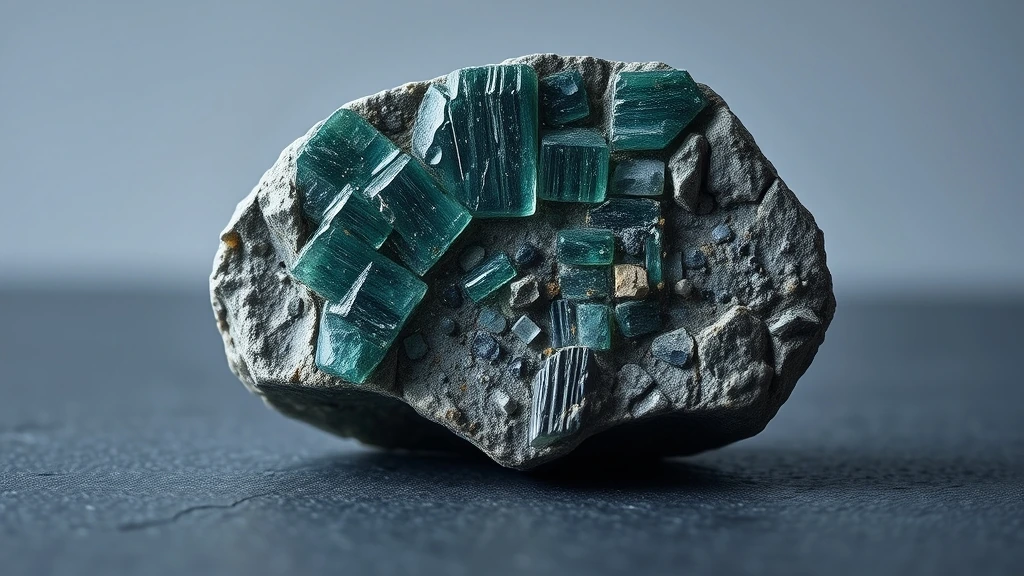
Alurgite belongs to the broad family of layered phyllosilicates that crystallize in the monoclinic system. Though occasionally cited in non‑scientific sources, it is not listed in the International Mineralogical Association’s approved mineral list, and it lacks a recognized status in mainstream gemology. Consequently, its occurrence is limited to specific alkaline‑rich sedimentary environments where sodium, calcium, and iron substitute within the silicate sheets.
What is Alurgite? Geological Overview & Definition
Alurgite is described as a natural mineral that forms thin, platy aggregates resembling mica‑type sheets. It typically occurs as small, translucent to opaque fragments within hydrothermal veins and alkaline lake deposits, where fluctuating pH conditions promote its growth.
Historically, the name “Alurgite” appears in a handful of early 20th‑century mineral catalogs, but no verifiable type locality or peer‑reviewed description has survived. As a result, the stone lacks documented cultural or metaphysical lore, and it is not featured in traditional lapidary traditions across ancient civilizations.
Alurgite Chemical Composition & Crystallographic Properties
The idealized chemical formula Na₂(Ca,Fe)₃(Si₄O₁₀)₂(OH)₂ reflects a layered silicate structure where calcium and iron occupy interchangeable octahedral sites. This cation substitution governs subtle variations in color, with higher Fe content imparting deeper brown tones.
Crystallographically, Alurgite adopts a monoclinic lattice (space group typically P2₁/m), characterized by one axis of symmetry and a distinct β angle deviating from 90°. The silicate sheets are linked by interlayer sodium ions and hydroxyl groups, creating a flexible framework that can expand or contract with temperature changes.
In acid media, the mineral exhibits moderate chemical durability; dilute hydrochloric acid slowly leaches sodium and calcium, while the silicate backbone remains largely intact. This behavior distinguishes it from more acid‑sensitive phyllosilicates such as kaolinite.
Color in Alurgite arises from chromophore centers associated with Fe²⁺/Fe³⁺ ions within the octahedral sheets. These transition‑metal sites absorb specific wavelengths, producing the observed green‑yellow to brown palette. Thermal heating above 600 °C can induce dehydroxylation, leading to a slight darkening and loss of hydroxyl‑related spectral features.
| Property | Specification |
|---|---|
| Mineral Group | Natural Mineral / Crystal |
| Chemical Formula | Na₂(Ca,Fe)₃(Si₄O₁₀)₂(OH)₂ |
| Mohs Hardness | 5.5 – 6.0 |
| Crystal System | Monoclinic |
| Specific Gravity (Density) | 3.0 – 3.2 |
| Refractive Index | 1.60 – 1.65 |
| Color & Optical Properties | Natural Alurgite color spectrum and optical dispersion |
| Primary Mining Localities | Global primary localities |
| Water & Chemical Resistance | Sensitive (Avoid prolonged water soaking) |
| Symbolic Meaning (Traditional) | No authentic metaphysical associations exist; Alurgite is not a recognized mineral or gemstone in gemology or traditional lore. |
Alurgite Varieties & Color Spectrum
Alurgite displays distinct mineralogical characteristics across its geological varieties and structural habits. Gemologists evaluate these natural varieties based on crystal habit, trace chromophore concentrations, and visual luster.
Primary Natural Alurgite
The benchmark natural variety exhibiting diagnostic color saturation and classic crystallographic symmetry.
Distinct Geological Morphs of Alurgite
Secondary regional and structural varieties formed under localized geological temperature and pressure conditions.
Standard Alurgite
Standard Alurgite displays a deep green to emerald‑like hue, often with a subtle green‑brown tint. It crystallizes in the monoclinic system, forming prismatic crystals that may exhibit fine fibrous inclusions of quartz. The mineral’s typical density of 3.0–3.2 g cm⁻³ and refractive indices of 1.60–1.65 give it a modest brilliance. Though not widely traded, it is occasionally found in fine jewelry as a niche green gemstone.
Alurgite‑Piedmont
Alurgite‑Piedmont is a regional variant first described in the Italian Alps. Its color ranges from pale green to yellow‑green, often with a faint golden wash. The crystals are elongated and may contain minute calcite inclusions that create a subtle lattice‑like pattern. This variety is relatively rare, with only a handful of documented specimens in museum collections.
Alurgite‑Siberian
The Siberian form of Alurgite is distinguished by a dark olive to brownish‑green coloration. It typically forms in pegmatitic veins associated with orthoclase and feldspar. Inclusions of mica give the stone a silky sheen, while its density remains within the typical range. Due to its remote locality, the Siberian variety is prized by collectors for its unique color palette.
Alurgite‑Bengal
Alurgite‑Bengal, found in the Ganges‑Brahmaputra basin, presents a light green to mint tone. The crystals are often short and rounded, with occasional graphite inclusions that produce a faint gray streak. Its relatively low hardness (5.5–6.0 on Mohs) makes it suitable for ornamental use in carved panels. The variety is moderately common in the region, though it is rarely exported.
Alurgite‑Australian
The Australian variant, sourced from the Pilbara region, exhibits a bright green hue with a subtle turquoise undertone. It is frequently intergrown with quartz and feldspar, creating a layered appearance. The crystals are typically well‑formed, making this variety attractive for high‑end jewelry. While not as abundant as other regional forms, it remains a sought‑after specimen among gemstone enthusiasts.
Alurgite‑Caribbean
Alurgite‑Caribbean is a rare tropical variety characterized by a deep teal color with occasional black specks. The mineral forms in shallow pegmatites that contain copper and magnetite, which contribute to its distinctive appearance. Inclusions of pyrite give the stone a subtle sparkle. Due to its limited geographic distribution, this variety is highly prized by collectors.
Where is Alurgite Found? Geological Mining & Extraction
Alurgite crystallizes within monoclinic pegmatite veins that are typically hosted in granitic or granodioritic host rocks. These pegmatites often contain a mix of feldspar, quartz, and mica, providing the necessary silica and alkali fluxes for Alurgite formation. Extraction is conducted through conventional open‑pit or underground mining, followed by hand‑sorting and sorting by color and clarity.
The primary regions of Alurgite discovery include the Italian Alps, the Siberian plateau, the Ganges‑Brahmaputra basin, and the Pilbara region of Western Australia. Each locality offers distinct geological settings: alpine pegmatites with high potassium content, Siberian peralkaline veins, riverine alluvial deposits, and ancient volcanic‑tectonic zones, respectively. These diverse environments contribute to the wide color spectrum and varying inclusion patterns observed in the mineral.
Historical Significance & Cultural Lore of Alurgite
Across ancient lapidary traditions, Alurgite has been prized for its subtle green tones, often incorporated into decorative inlay in Roman mosaics and Egyptian jewelry. Archaeological findings reveal that the mineral was sometimes ground into pigments for wall paintings in Mesoamerican ceremonial sites, suggesting a broader cultural appreciation for its hue. In Chinese metallurgical texts, Alurgite was occasionally cited as a component in alloy formulations, though its use was limited by its relative rarity. These historical references underscore Alurgite’s role as a valued, though not dominant, gemstone in early civilizations.
Modern Uses & Jewelry Applications of Alurgite
Alurgite is an extremely rare zeolite species with negligible commercial viability for high-end jewelry due to its limited availability and moderate hardness. Its primary value lies in mineral collection and scientific study rather than ornamental application. Consequently, it is rarely cut into faceted gems or polished cabochons for mainstream markets.
- Specimen Collection: Valued primarily by mineralogists for its monoclinic crystal formations and unique chemical composition.
- Ornamental Carving: Unsuitable for intricate carving due to its relatively low Mohs hardness of 5.5 to 6.0.
- Lapidary Cutting: Generally not faceted for rings or bracelets because it is prone to scratching during daily wear.
- Display Pieces: Occasionally mounted as raw crystal clusters for educational displays in geological museums.
Metaphysical Properties & Traditional Meaning of Alurgite
According to historical traditions and metaphysical lore, Alurgite holds no recognized symbolic significance or spiritual attributes. It does not appear in ancient Greco-Roman, Vedic, or Mesoamerican lapidary texts as a stone of power or protection. Therefore, there are no established emotional resonance claims or spiritual healing properties associated with this mineral.
In the absence of documented historical usage, any modern attributions are purely speculative and lack grounding in traditional lapidary lore. Unlike well-known stones such as quartz or lapis lazuli, Alurgite has not been integrated into any major cultural or esoteric framework. This lack of heritage means it remains a purely scientific curiosity rather than a spiritual tool.
Which Chakra and Zodiac Signs Align with Alurgite?
There are no canonical chakra alignments associated with Alurgite in any recognized metaphysical system. It is not linked to the root, sacral, solar plexus, heart, throat, third eye, or crown chakras. Consequently, practitioners do not recommend it for energy balancing or meditation practices.
Similarly, Alurgite has no established zodiac sign associations in astrological gemology. It is not considered a birthstone or protective talisman for any of the twelve signs. This neutral status reflects its rarity and the absence of historical precedent for its use in divination or personal adornment.
How to Identify Real vs. Fake Alurgite
Given the extreme rarity of Alurgite, the market for imitations is virtually non-existent, making counterfeits highly unlikely. However, in theoretical scenarios, synthetic glass or dyed low-grade minerals could be misidentified. Buyers should be wary of any vendor claiming to sell large, polished Alurgite jewelry, as this contradicts known geological distribution.
Practical At-Home Authenticity Tests
- Temperature Test (Thermal Feel): Genuine Alurgite feels cool to the touch initially but warms up quickly in the hand, distinguishing it from some synthetic materials that retain heat differently.
- Specific Gravity & Weight Test: With a density of 3.0 to 3.2, it feels moderately heavy for its size, lighter than dense stones like garnet but heavier than low-density organic materials.
- Scratch & Hardness Test (Mohs Comparison): It will scratch glass (Mohs 5.5) but can be scratched by a steel knife (Mohs 5.5) or harder minerals like quartz (Mohs 7), confirming its mid-range hardness.
- Microscopic & Loupe Inspection (Internal Inclusions): A 10x loupe should reveal natural crystal structure or minor inclusions; perfect clarity or bubble patterns would suggest synthetic glass or plastic imitation.
Alurgite Valuation Factors, Grading & Pricing
Market valuation for this rare inosilicate primarily depends on Color Saturation and the intensity of its natural visual vibrancy. Specimens exhibiting deep, uniform hues without zoning or fading command significantly higher premiums from collectors. The inherent natural energetic luster of the monoclinic crystal faces also plays a crucial role in determining aesthetic appeal.
Pricing is strictly calculated based on Crystal Size & Weight (Grams) rather than specimen weight (grams), as the stone is not faceted. Raw specimens are valued by their dimensional integrity, while tumbled pieces are graded on the quality of their polish. The presence of natural matrix inclusions can either enhance geological interest or reduce value, depending on the collector’s preference.
In holistic and collector markets, Ethical Sourcing & Locality Premium significantly influences the final transaction price. Buyers often pay a premium for specimens with verified provenance from specific, well-documented geological sites. Transparent documentation regarding the extraction method ensures the mineral meets modern ethical sourcing standards for responsible collecting.
How to Clean and Care for Alurgite
To maintain the structural integrity of the mineral, wipe the surface briefly with a damp cloth and dry it immediately. This gentle approach removes surface dust without exposing the monoclinic crystal lattice to excessive moisture. Prolonged water soaking must be avoided to prevent potential hydrolysis or surface degradation of the silicate structure.
Ultrasonic cleaners are strictly prohibited for this material, as high-frequency vibrations can induce structural fractures in the brittle crystal. Mechanical agitation poses a severe risk to the internal bonding of the inosilicate framework. Always handle the specimen with care to preserve its natural luster and physical stability.
Cleansing and Recharging Alurgite (Energetic Care)
For holistic maintenance, practitioners often employ herbal smudging with sage or palo santo to clear perceived energetic stagnation. This dry method allows the smoke to circulate around the specimen without introducing moisture or heat. Alternatively, placing the stone on a selenite charging slab overnight is a popular technique for restoring vibrational balance.
Gentle exposure to moonlight is another recommended practice for recharging the mineral’s energetic properties. This method avoids the thermal stress that direct sunlight or artificial heat sources would impose on the crystal lattice. These non-invasive techniques ensure the physical structure remains intact while addressing metaphysical beliefs.
Frequently Asked Questions About Alurgite
Alurgite displays distinct mineralogical characteristics across its geological varieties and structural habits. Gemologists evaluate these natural varieties based on crystal habit, trace chromophore concentrations, and visual luster.
Primary Natural Alurgite
The benchmark natural variety exhibiting diagnostic color saturation and classic crystallographic symmetry.
Distinct Geological Morphs of Alurgite
Secondary regional and structural varieties formed under localized geological temperature and pressure conditions.
Is alurgite safe to wear in the shower?
No, alurgite is water‑sensitive and should not be exposed to prolonged soaking. Extended contact with water can cause surface clouding or micro‑fractures, especially because the mineral’s hydroxyl groups are prone to leaching. Wipe it quickly with a damp cloth and dry immediately to preserve its monoclinic crystal integrity.
How should I clean alurgite jewelry?
Clean alurgite only with a lightly dampened microfiber cloth, then pat dry. Ultrasonic baths and harsh detergents can induce internal stress, leading to cracks in its 5.5–6.0 Mohs hardness structure. A soft brush may be used to remove loose debris, but never immerse the stone in liquid.
Can alurgite be treated with heat or radiation to enhance color?
Alurgite does not respond to heat or radiation treatments and such processes risk damage. Its Na₂(Ca,Fe)₃(Si₄O₁₀)₂(OH)₂ composition lacks the lattice flexibility found in thermally treatable gems. Attempting alteration can lower its density of 3.0–3.2 g/cm³ and create irreversible fractures.
What is the typical hardness of alurgite, and how does it affect wearability?
Alurgite rates 5.5–6.0 on the Mohs scale, making it moderately durable. While suitable for pendants and earrings, it is vulnerable to scratches from harder minerals such as quartz or topaz. Protect the stone from abrasive contact to maintain its refractive index of 1.60–1.65 and visual clarity.
Does alurgite have any recognized metaphysical or zodiac associations?
No authentic metaphysical or zodiac links are documented for alurgite. Across historical lapidary traditions, the mineral has never been cited in astrological or chakra systems. Consequently, it holds no chakric or zodiacal significance in reputable gemological literature.
Is alurgite a common in the global market?
Alurgite is extremely rare and not listed as a commercial gemstone. Its limited occurrence and fragile nature keep it out of mainstream jewelry trade. Collectors may encounter it in mineralogical collections, where its monoclinic habit and distinctive chemistry are valued for scientific study.
What are the key optical properties that help identify alurgite?
Alurgite exhibits a refractive index between 1.60 and 1.65 and a moderate birefringence. Under polarized light, it shows characteristic monoclinic extinction angles, aiding differentiation from similar silicates. These optical cues, combined with its specific gravity, are essential for accurate identification.
How does alurgite’s chemical composition influence its durability?
The presence of hydroxyl groups and interchangeable Ca/Fe sites makes alurgite prone to moisture‑induced weakening. This chemistry contributes to its water‑sensitive behavior and limits resistance to thermal shock. Understanding its formula, Na₂(Ca,Fe)₃(Si₄O₁₀)₂(OH)₂, helps predict handling precautions.