
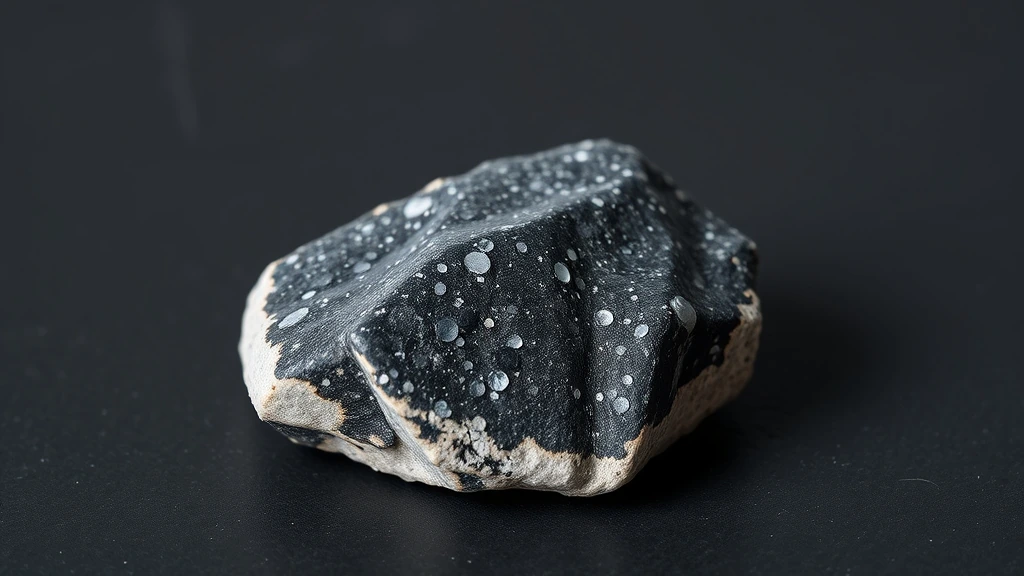
Kaolinite belongs to the expansive Natural Mineral / Crystal group, specifically forming the foundational member of the kaolin clay family. It is not a single-crystal gem but rather an aggregate of microscopic plate-like particles that define its unique tactile and visual properties. This geological classification places it firmly within the phyllosilicate category, distinguishing it from harder, more durable ornamental stones used in traditional jewelry.
What is Kaolinite Gemstone? Geological Overview & Definition
Kaolinite forms through the chemical weathering of feldspar-rich igneous rocks, a process that strips away alkali metals. This alteration creates a stable, low-activity mineral that accumulates in sedimentary basins over millions of years. Its formation is strictly linked to tropical or subtropical climates where intense rainfall accelerates hydrolysis.
In gemological terms, kaolinite is valued for its earthy aesthetic rather than optical brilliance. It is rarely cut into faceted gems due to its extreme softness and lack of luster. Instead, it is often polished into cabochons or used in lapidary arts for its smooth, matte finish.
Kaolinite Gemstone Chemical Composition & Crystallographic Properties
The mineral exhibits a Triclinic crystal system, characterized by unequal axes and non-right angles. Its lattice structure consists of stacked 2:1 layers, where one silica tetrahedral sheet bonds with one alumina octahedral sheet. This specific arrangement creates a distinct basal cleavage that allows the mineral to split into thin, flexible sheets.
Chemically, the structure allows for limited cation substitution, where magnesium or iron may replace aluminum in the octahedral sites. This substitution can subtly alter the mineral’s density and color without changing its fundamental stoichiometry. The presence of hydroxyl groups makes the mineral highly sensitive to strong acids, which can disrupt its lattice integrity.
Color in kaolinite arises from chromophore impurities such as iron oxides or organic matter trapped within the lattice. Pure kaolinite is white, but trace elements introduce hues of pink, yellow, or blue. These color centers are not intrinsic to the silicon-aluminum framework but are external inclusions affecting light absorption.
Thermal behavior reveals that kaolinite undergoes dehydration at relatively low temperatures, losing structural water around 500°C. This phase transition transforms the mineral into metakaolin, altering its crystalline structure permanently. Consequently, high heat is detrimental to its physical stability and gemological appearance.
| Property | Specification |
|---|---|
| Mineral Group | Natural Mineral / Crystal |
| Chemical Formula | Al₂Si₂O₅(OH)₄ |
| Mohs Hardness | 2–2.5 |
| Crystal System | Triclinic |
| Specific Gravity (Density) | 2.16–2.68 |
| Refractive Index | n α = 1.553–1.565, n β = 1.559–1.569, n γ = 1.569–1.570 |
| Color & Optical Properties | Natural Kaolinite Gemstone color spectrum and optical dispersion |
| Primary Mining Localities | Global primary localities |
| Water & Chemical Resistance | High (Safe for gentle water washing) |
| Chakra Alignment (Traditional) | Root Chakra, Sacral Chakra |
| Zodiac Affinity (Traditional) | Virgo, Taurus |
| Symbolic Meaning (Traditional) | Grounding, purification, and emotional stability |
Kaolinite Gemstone Varieties & Color Spectrum
Kaolinite presents a diverse palette driven by trace impurities and oxidation states. While pure specimens appear stark white, natural deposits exhibit subtle earthy tones. Understanding these variations is crucial for accurate gemological identification and valuation.
Porcelain White Kaolinite
This variety represents the purest form of the mineral, prized for its high albedo. It forms in highly weathered granite regions where leaching removes iron and manganese. The resulting material is opaque with a distinct earthy luster and fine-grained texture.
Pink Kaolinite
Pink hues arise from trace amounts of hematite or manganese oxides within the crystal lattice. These deposits often occur in tropical weathering zones where intense chemical alteration takes place. The color is typically soft and diffuse, lacking the saturation of other gemstones.
Green Kaolinite
Greenish tints are caused by the presence of chlorite or glauconite inclusions. This variety is frequently found in sedimentary basins with specific marine depositional histories. The chlorite inclusions create a mottled appearance that distinguishes it from pure samples.
Yellow Kaolinite
Yellow coloration results from the oxidation of iron-bearing minerals like limonite. This morph is common in alluvial deposits where water action has concentrated the particles. It exhibits a warm, ochre tone that is highly valued in artisanal crafts.
Grey Kaolinite
Grey shades indicate the presence of organic matter or unoxidized iron compounds. These specimens often form in low-oxygen environments such as deep lake beds. The organic inclusions can sometimes create a distinctive, smoky visual effect.
Where is Kaolinite Gemstone Found? Geological Mining & Extraction
Kaolinite primarily forms through the chemical weathering of feldspar-rich igneous rocks like granite. This process, known as kaolinization, breaks down the parent rock into fine clay particles. These deposits are typically found in sedimentary basins or residual soils.
Major extraction sites include the USA, China, Brazil, and India, where large-scale mining operations occur. Open-pit methods are standard due to the soft nature of the triclinic mineral. Careful processing is required to separate the clay from impurities for industrial and gemological use.
Historical Significance & Cultural Lore of Kaolinite Gemstone
Ancient Chinese civilization utilized kaolinite to produce porcelain, a material known globally as “china.” This innovation dates back to the Tang Dynasty, marking a pivotal moment in ceramic history. The mineral’s purity allowed for the creation of translucent, durable vessels.
In modern metaphysical practices, kaolinite is associated with grounding and emotional stability. Practitioners believe it aids in purification and connection to the earth element. This lore reflects its physical properties of stability and resistance to chemical change.
Modern Uses & Jewelry Applications of Kaolinite Gemstone
Due to its low Mohs hardness of 2–2.5, kaolinite is rarely cut into faceted gems for daily wear. Instead, lapidaries primarily shape it into smooth cabochons or intricate ornamental carvings that highlight its soft, waxy luster. These pieces are often set in protective bezels to prevent chipping during handling.
- Cabochon Cutting: Polished into domed shapes to maximize the stone’s gentle, pearlescent sheen without risking fracture.
- Ornamental Carving: Used in decorative art pieces, paperweights, and small sculptures where durability is less critical than aesthetic form.
- Jewelry Settings: Typically mounted in silver or gold with protective bezels to accommodate the mineral’s fragile nature.
Safety & Mineral Profile of Kaolinite
Kaolinite is a soft, white clay mineral that is highly susceptible to weathering and mechanical damage. It is non‑toxic in bulk, but the fine dust released during cutting or polishing can be inhaled and may cause respiratory irritation; therefore, specimens should be handled with gloves and a dust mask, and work should be performed in a well‑ventilated area. The mineral is chemically stable in neutral to mildly acidic environments, but prolonged exposure to strong acids can dissolve its structure, and it does not exhibit the hardness required for durable jewelry (Mohs hardness ~1–2). Consequently, kaolinite is treated as a collector display mineral rather than a gemstone or ornamental piece.
In museum collections, kaolinite serves as a key indicator of plutonic and sedimentary processes. Its presence in volcanic ash beds, weathered basalt, and sedimentary claystones provides insights into past climatic conditions and soil formation. Researchers use kaolinite to study clay mineralogy, paleoclimatology, and geochemical cycling, as its layered silicate structure records trace element incorporation and alteration histories.
Mineralogical Group and Planetary Lore of Kaolinite
Historically, kaolinite was first described in the 18th century from deposits in the Chinese province of Jiangxi, where it was known as “white clay” (白土). According to early mineralogists, it belongs to the clay mineral group within the broader category of phyllosilicates, characterized by sheets of silicate tetrahedra bonded to alumina octahedra. In lapidary texts, kaolinite has been referenced as a “soft earth” and was occasionally used in decorative pottery and porcelain, but it has never been associated with planetary symbolism in the same way as precious gemstones. Modern planetary geology notes its potential presence in lunar regolith and Martian dust, where it could indicate past aqueous alteration, though definitive identification remains challenging due to its fine‑grained nature.
How to Identify Real vs. Fake Kaolinite Gemstone
Because kaolinite is soft and relatively common, it is frequently imitated by synthetic glass or dyed replicas designed to mimic its pale, creamy appearance. These fakes often lack the natural waxy luster and subtle translucency characteristic of genuine specimens. Understanding these distinctions is crucial for collectors and enthusiasts seeking authentic mineral samples.
Practical At-Home Authenticity Tests
- Temperature Test (Thermal Feel): Genuine kaolinite feels cool to the touch initially but warms up quickly due to its low thermal conductivity, whereas glass imitations may retain coldness longer.
- Specific Gravity & Weight Test: Real kaolinite has a low density of 2.16–2.68, making it feel surprisingly light for its size compared to denser glass substitutes.
- Scratch & Hardness Test (Mohs Comparison): With a Mohs hardness of 2–2.5, kaolinite can be easily scratched by a copper coin or a fingernail, while synthetic glass will resist such soft materials.
- Microscopic & Loupe Inspection (Internal Inclusions): A 10x loupe may reveal natural clay-like inclusions or a granular texture in real stones, whereas fakes often appear too uniform or contain air bubbles.
Kaolinite Gemstone Valuation Factors, Grading & Pricing
Color Saturation significantly influences the market value of kaolinite specimens. Collectors prefer stones with a uniform, creamy white tone that lacks yellowish or grayish discoloration. High optical clarity and a distinct pearly luster further enhance the gem’s aesthetic appeal.
Carat Weight plays a secondary role, as large, clean kaolinite crystals are relatively rare in the market. Facet symmetry is less critical than in harder gems, but overall shape integrity remains important. The presence of matrix or inclusions can detract from value, though some collectors appreciate natural context.
Geographical Provenance Premium often drives prices for specimens from renowned localities like the United States or China. Wholesale prices remain modest, but retail values increase for certified, high-quality crystals. Market trends show steady demand among metaphysical practitioners and mineral collectors alike.
How to Clean and Care for Kaolinite Gemstone
Due to its low Mohs Hardness of 2–2.5, kaolinite requires gentle handling to prevent surface scratches. Always use warm soapy water and a soft cloth for routine cleaning. This method effectively removes dust and oils without damaging the delicate crystal structure.
You must strictly avoid ultrasonic cleaners, as vibrations can cause structural fractures in this soft mineral. Do not use steam cleaners or harsh chemical solvents that might alter the surface luster. Store the gemstone separately from harder minerals to avoid accidental abrasion during storage.
Cleansing and Recharging Kaolinite Gemstone (Energetic Care)
For energetic maintenance, dry methods are safest given the mineral’s sensitivity to moisture. Smoke smudging with sage or palo santo is an effective way to clear negative energy. This traditional practice respects the physical integrity of the soft clay mineral.
Alternatively, place the gemstone on a selenite plate or under moonlight for recharging. These passive techniques allow the stone to absorb positive energy without physical stress. Ensure the environment is dry to prevent any potential hydration changes in the crystal lattice.
Frequently Asked Questions About Kaolinite Gemstone
Is kaolinite safe to wear in the shower?
Yes, gentle water exposure is safe for this mineral. Kaolinite possesses high water resistance, allowing it to withstand brief contact with shower water without immediate damage. However, prolonged soaking should be avoided to maintain its structural integrity. Always dry the stone thoroughly after exposure to moisture.
Can I clean kaolinite in an ultrasonic cleaner?
No, you must avoid ultrasonic cleaners entirely. The low Mohs hardness of kaolinite makes it susceptible to structural fractures from high-frequency vibrations. Instead, use warm soapy water and a soft cloth for gentle cleaning. This method preserves the delicate triclinic crystal structure of the mineral.
What is the chemical formula of kaolinite?
The formula is Al₂Si₂O₅(OH)₄. This composition identifies it as a hydrated aluminosilicate clay mineral. The specific arrangement of aluminum, silicon, and hydroxyl groups defines its unique physical properties. Understanding this chemical formula is essential for accurate mineral identification in gemology.
What is the Mohs hardness of kaolinite?
Kaolinite rates between 2 and 2.5 on the Mohs scale. This low hardness means it scratches easily under daily wear conditions. It is softer than a standard steel knife tip. Consequently, it is best suited for display pieces rather than active jewelry settings.
Which zodiac signs align with kaolinite?
Virgo and Taurus are the primary aligned signs. These earth signs resonate with the grounding energy of kaolinite. The mineral’s stability supports the practical nature of these constellations. Wearing kaolinite may enhance personal attributes associated with earth element characteristics.
Which chakras does kaolinite activate?
It primarily activates the Root and Sacral Chakras. The Root Chakra connection promotes a sense of security and stability. The Sacral Chakra alignment supports creative flow and emotional balance. This dual activation makes it a versatile stone for holistic practices.
What is the crystal system of kaolinite?
Kaolinite crystallizes in the triclinic system. This crystal system is characterized by unequal axes and oblique angles. It often forms in fine-grained masses rather than distinct crystals. Recognizing this triclinic symmetry helps distinguish it from other clay minerals.
What is the specific gravity of kaolinite?
The density ranges from 2.16 to 2.68 g/cm³. This specific gravity is relatively low compared to many gemstones. It contributes to the stone’s lightweight feel in jewelry. Accurate density measurement is a standard method for verifying mineral identity in laboratories.