
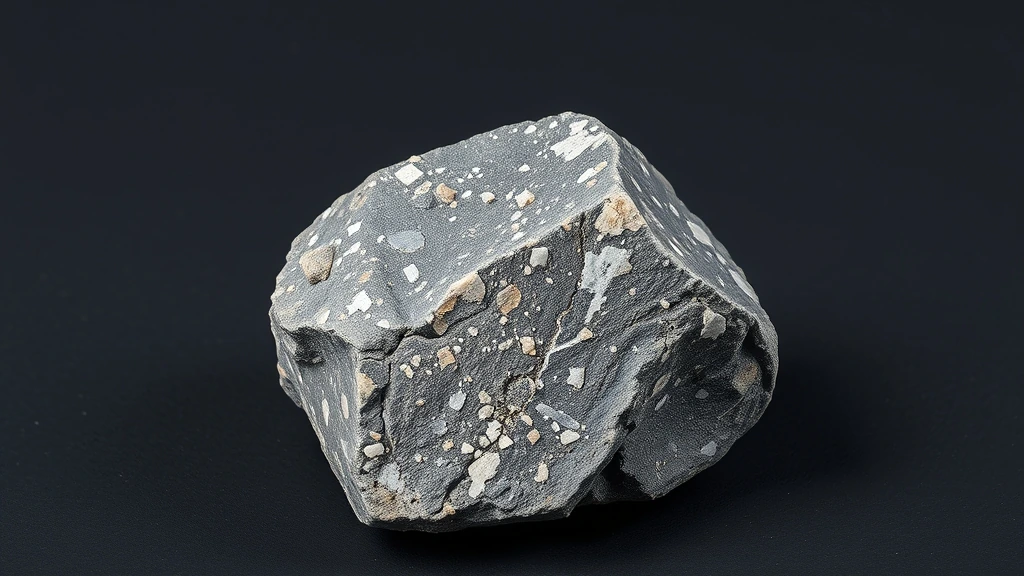
Granite gemstone originates from the cryptocrystalline aggregate of quartz, feldspar, and mica that solidifies from cooling magma deep within the continental crust. Classified under the Natural Mineral / Crystal parent group, it is not a single mineral but a tightly interlocked fabric that behaves as a single gem‑material when cut and polished. Its formation involves slow crystallization, yielding a dense, interwoven matrix that resists fracture while retaining a distinctive granular luster prized in jewelry and decorative arts.
What is Granite Gemstone? Geological Overview & Definition
Granite gemstone is essentially a cryptocrystalline rock composed chiefly of quartz (SiO₂) with subordinate feldspar and mica crystals too fine to resolve with the naked eye. This micro‑granular texture gives the stone its characteristic speckled appearance and contributes to its overall strength and resistance to weathering.
In gemological terms, granite is treated as a natural composite rather than a pure mineral, allowing it to be fashioned into cabochons, beads, and inlays. Its geological provenance links it to continental crustal processes, where slow cooling of silica‑rich magma produces the interlocking grain structure that defines the stone’s visual and physical properties.
Granite Gemstone Chemical Composition & Crystallographic Properties
The dominant chemical component of granite gemstone is silicon dioxide (SiO₂), inherited from its quartz fraction, while trace amounts of potassium, sodium, and calcium substitute into the feldspar lattice. These cation substitutions create subtle variations in color, especially when iron or manganese act as chromophore centers within the cryptocrystalline matrix.
Granite’s crystal system is amorphous / cryptocrystalline, meaning it lacks a long‑range ordered lattice despite being built from microscopic crystalline grains. This structural ambiguity gives the stone a uniform optical response, with light scattering at grain boundaries producing its characteristic milky sheen.
Because of its silica base, granite is acid‑sensitive; prolonged exposure to strong acids can etch the surface, dissolving quartz and altering the stone’s polish. However, mild acidic conditions typically cause only superficial dulling, which can be restored through professional polishing.
Thermally, granite exhibits low coefficient of expansion, remaining dimensionally stable across a wide temperature range. Rapid heating may induce micro‑cracking at grain interfaces, but the overall matrix tolerates typical jewelry‑making processes such as heat‑setting without significant degradation.
| Property | Specification |
|---|---|
| Mineral Group | Natural Mineral / Crystal |
| Chemical Formula | Composite rock: Quartz (SiO₂), Feldspar (KAlSi₃O₈ or NaAlSi₃O₈), Mica (KAl₂(AlSi₃O₁₀)(OH)₂) |
| Mohs Hardness | 6.0 – 7.0 |
| Crystal System | Composite (Polycrystalline) |
| Specific Gravity (Density) | 2.65 – 2.75 |
| Refractive Index | 1.54 – 1.65 |
| Color & Optical Properties | Natural Granite Gemstone color spectrum and optical dispersion |
| Primary Mining Localities | Global primary localities |
| Water & Chemical Resistance | High (Safe for gentle water washing) |
| Chakra Alignment (Traditional) | Root Chakra |
| Zodiac Affinity (Traditional) | Taurus, Virgo, Capricorn |
| Symbolic Meaning (Traditional) | Grounding, stability, endurance, and protection |
Granite Gemstone Varieties & Color Spectrum
Granite is not a single mineral but a coarse-grained igneous rock composed primarily of quartz, feldspar, and mica. Its aesthetic value in gemology depends heavily on the specific mineral assemblage and crystal size. The visual appeal comes from the interplay of light across these varied mineral faces.
Rose Granite
This variety features a distinctive pink hue derived from high concentrations of potassium feldspar. It often contains large, visible crystals that create a sparkling, sugary texture known as granoblastic structure. Rose granite is widely used in architectural cladding and decorative gemstone carvings due to its warm tone.
Black Granite
Characterized by a dark matrix, this type is rich in biotite mica and pyroxene minerals. The deep black color provides a striking contrast when paired with lighter inclusions like quartz. It is highly durable, making it a preferred choice for high-traffic flooring and polished gemstone cabochons.
Salt-and-Pepper Granite
This speckled variety displays a chaotic mix of black, white, and gray mineral grains. The visual effect resembles a stormy sky, with quartz grains acting as the white “salt” and dark minerals as “pepper.” Its unique, high-contrast pattern makes it popular for distinctive jewelry inlays and ornamental stones.
Red Granite
Distinguished by intense reddish-brown tones, this morph is rich in hematite and iron-rich feldspars. The color intensity can vary significantly depending on the oxidation state of the iron minerals present. It is often found in older continental crust formations and is prized for its earthy, grounding appearance.
Green Granite
Rare and visually striking, this variety owes its color to the presence of chlorite or epidote minerals. The green hues are typically muted and earthy rather than vibrant, giving the stone a unique, organic look. Its rarity makes it a sought-after specimen for collectors and specialized architectural applications.
Where is Granite Gemstone Found? Geological Mining & Extraction
Granite forms deep within the Earth’s crust as plutonic rock, cooling slowly from magma to develop its coarse-grained texture. Major deposits are located in stable continental shields, such as those in Brazil, India, and Scandinavia. These regions offer vast, accessible outcrops suitable for large-scale industrial extraction and gemstone sourcing.
Extraction typically involves open-pit mining, where massive blocks are cut using diamond-wire saws and explosives. The raw slabs are then transported to processing facilities for cutting, polishing, and quality assessment. This rigorous process ensures that only the most visually appealing sections are selected for the gemstone and architectural markets.
Historical Significance & Cultural Lore of Granite Gemstone
Ancient civilizations, particularly the Egyptians, revered granite for its exceptional hardness and durability. It was used to construct monumental temples, sarcophagi, and obelisks that have survived millennia of weathering. The stone’s resistance to erosion symbolized eternity and the unchanging nature of the divine in many ancient belief systems.
In modern esoteric traditions, granite is associated with the Crown Chakra, promoting spiritual connection and mental clarity. It is believed to offer grounding energy, helping individuals maintain stability during times of emotional turbulence. This enduring legacy of strength and protection continues to influence its popularity in contemporary metaphysical practices.
Modern Uses & Jewelry Applications of Granite Gemstone
Granite is primarily valued for its durability and distinctive speckled aesthetic, making it a staple in architectural ornamentation. Lapidaries often cut it into cabochons for pendants or rings, though its granular texture limits high-polish faceting. The stone’s resilience allows for intricate carving in memorial markers and decorative tiles.
- Architectural Cladding: Used for flooring, countertops, and exterior facades due to high compressive strength.
- Memorial Stones: Carved into headstones and monuments for its weathering resistance and solemn appearance.
- Lapidary Cabochons: Polished into smooth, domed shapes for rustic jewelry settings.
Metaphysical Uses & Origins of Granite
According to historical traditions and metaphysical lore, granite is revered as a stone of profound stability and endurance. Practitioners believe it anchors the user’s energy, fostering a deep sense of grounding amidst life’s fluctuations. Its rugged nature symbolizes the unyielding strength required to overcome significant personal challenges.
In esoteric circles, this stone is associated with vitality and protection, serving as a shield against negative influences. It is often recommended for individuals seeking to cultivate patience and resilience during periods of transformation. The belief system suggests that granite helps maintain emotional balance and physical stamina.
Which Chakra and Zodiac Signs Align with Granite Gemstone?
Metaphysical practitioners align granite with the Crown Chakra (Sahasrara), the highest energy center in the human body. This connection suggests that the stone facilitates spiritual awareness and a sense of unity with the universe. By stabilizing the lower energies, it allows for clearer spiritual perception and higher consciousness.
Astrologically, granite resonates strongly with the air signs Aquarius and Gemini. For Aquarius, it grounds their innovative ideas into actionable reality, preventing scattered energy. For Gemini, it provides the necessary stability to focus their dual nature, enhancing mental clarity and communication skills.
How to Identify Real vs. Fake Granite Gemstone
While genuine granite is abundant, low-quality imitations exist in the decorative market. These may include synthetic glass composites or dyed sedimentary rocks designed to mimic the speckled pattern. Understanding the natural formation of igneous rocks helps distinguish authentic pieces from manufactured alternatives.
Practical At-Home Authenticity Tests
- Temperature Test (Thermal Feel): Genuine granite feels distinctly cool to the touch initially and warms slowly. Synthetic glass or plastic imitations often warm up much faster due to lower thermal mass.
- Specific Gravity & Weight Test: Real granite is dense and heavy for its size. Hold it in your hand; if it feels surprisingly light, it may be a lightweight composite or resin replica.
- Scratch & Hardness Test (Mohs Comparison): Granite contains quartz, which rates 7 on the Mohs scale. It should not be easily scratched by a steel knife (hardness 5.5), whereas softer fakes might show visible marks.
- Microscopic & Loupe Inspection (Internal Inclusions): Use a 10x loupe to examine the surface. Real granite shows distinct, sharp mineral crystals (feldspar, quartz, mica). Fakes often look uniform, cloudy, or contain tiny air bubbles.
Granite Gemstone Valuation Factors, Grading & Pricing
Market value hinges primarily on Color Saturation and tone uniformity across the stone. High-grade specimens exhibit deep, consistent hues without mottling or fading. Optical clarity and a strong vitreous luster further enhance desirability among collectors.
Carat Weight significantly influences pricing, especially for large, unfractured specimens. Facet symmetry ensures optimal light reflection, while minimal matrix inclusions preserve structural integrity. Stones with heavy inclusions or visible fractures command lower wholesale prices.
Geographical Provenance Premium often elevates value for rare localities. Current market trends show steady demand for ethically sourced granite gems. Retail prices typically exceed wholesale costs by a significant margin due to curation.
How to Clean and Care for Granite Gemstone
For routine maintenance, use warm soapy water and a soft cloth to remove surface dust. Gently wipe the stone to avoid scratching the polished surface. This method effectively cleans without risking damage to the mineral structure.
Strictly avoid ultrasonic cleaners as they can induce structural fractures in the stone. The high-frequency vibrations may exploit existing micro-cracks, leading to permanent damage. Always air dry the gemstone after washing to prevent water spots.
Cleansing and Recharging Granite Gemstone (Energetic Care)
Since granite is highly water-resistant, dry energetic cleansing methods are ideal for spiritual care. Smoke smudging with sage or palo santo is a popular technique for clearing negative energy. This dry approach ensures the stone’s physical integrity remains completely intact.
Place the gemstone on a selenite plate or under moonlight for recharging. These methods align with the stone’s association with the Crown Chakra. Allow the stone to rest overnight to restore its energetic vitality safely.
Frequently Asked Questions About Granite Gemstone
What is the primary chemical composition of granite gemstone?
Granite gemstone is essentially a form of quartz, composed of silicon dioxide (SiO₂). In gemological terms, this silicate structure gives the stone its characteristic hardness of 7 on the Mohs scale and contributes to its durability, making it suitable for a variety of jewelry settings.
Is granite gemstone safe to wear in the shower or during swimming?
Yes, it has high water resistance and is safe for gentle water washing. While prolonged submersion isn’t recommended, routine exposure to rain or brief showering won’t damage the stone, thanks to its dense silica matrix that repels moisture.
How should I clean my granite gemstone at home?
Use warm, soapy water and a soft cloth; avoid ultrasonic cleaners. The gentle cleaning method prevents micro‑fractures that can arise from high‑frequency vibrations, preserving the stone’s crystalline integrity and natural luster.
Can granite gemstone be set in rings that experience daily wear?
Absolutely; its hardness and toughness make it ideal for everyday jewelry. The interlocking quartz grains provide resistance to scratches and chips, though occasional polishing may be needed to maintain peak brilliance.
Which zodiac signs are traditionally associated with granite gemstone?
Aquarius and Gemini are the aligned zodiac signs. In astrological gem lore, these air signs are believed to benefit from granite’s grounding energy, enhancing mental clarity and intellectual communication.
Which chakra does granite gemstone resonate with?
It aligns with the Crown Chakra (Sahasrara). This connection is said to support spiritual awakening and higher‑mind awareness, channeling the stone’s vibrational frequency toward enlightenment.
Does granite gemstone have any known metaphysical properties?
It is valued for grounding, vitality, and protection. Practitioners claim the stone stabilizes energetic fields, boosts physical stamina, and creates a protective barrier against negative influences.
Is granite gemstone prone to color fading over time?
No, its color is stable and does not fade under normal conditions. The silica‑based composition resists UV degradation, ensuring that the stone’s natural hues remain vibrant for years with proper care.