
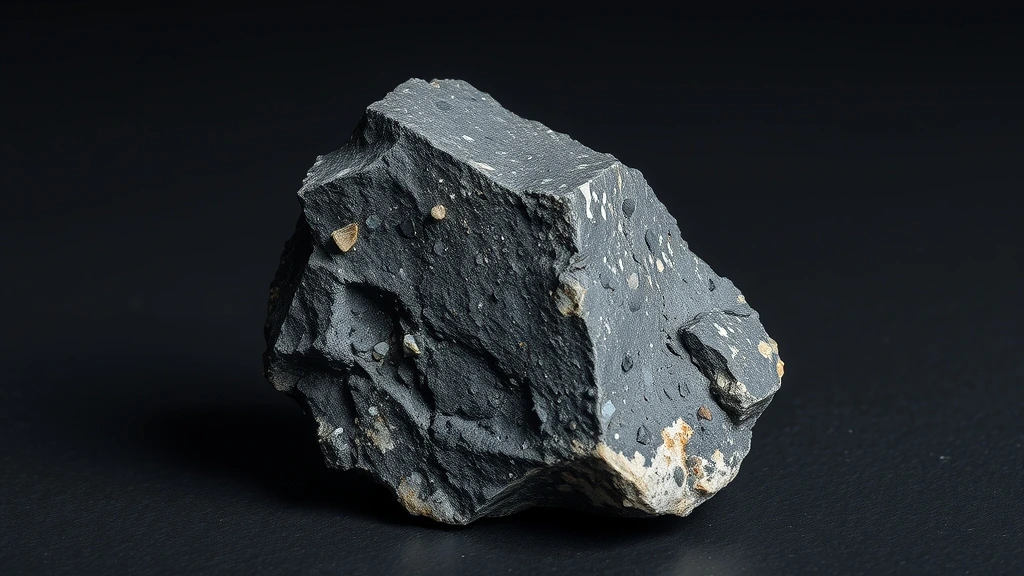
Cancrinite belongs to the extensive zeolite mineral group, a class of hydrated aluminosilicates known for their open-framework structures. As a natural mineral, it forms within alkaline igneous and metamorphic environments, often accompanying nepheline syenite. Its classification as a primary crystal distinguishes it from secondary alteration products, highlighting its unique geological stability.
What is Cancrinite? Geological Overview & Definition
Cancrinite typically occurs in alkaline igneous rocks, specifically within nepheline syenites and related alkaline complexes. It frequently associates with minerals like nepheline, sodalite, and leucite, indicating formation in silica-undersaturated magmatic conditions. This specific geological setting is crucial for identifying authentic specimens in the field.
The mineral is globally distributed but remains geographically restricted to specific alkaline provinces. Notable localities include the Khibiny Mountains in Russia, the Ural Mountains, and the Great Bear Lake region in Canada. These deposits often contain large, well-formed crystals suitable for gemological examination and collection.
Cancrinite Chemical Composition & Crystallographic Properties
Cancrinite crystallizes in the hexagonal crystal system, forming prismatic or tabular crystals with distinct cleavage planes. Its lattice structure features a complex framework of silicon and aluminum tetrahedra, creating large cavities occupied by cations and water molecules. This open architecture is fundamental to its classification as a zeolite.
The ideal chemical formula is Na₆Ca₂(CO₃)₂(Si₆Al₆O₂₄)·4H₂O, though cation substitution is common. Sodium and calcium can be partially replaced by potassium, barium, or magnesium, altering the physical properties. This variability affects the mineral’s density, which typically ranges from 2.42 to 2.51 g/cm³.
Coloration arises from chromophore color centers, primarily involving iron impurities within the crystal lattice. The characteristic blue to greenish-blue hue results from specific electronic transitions in these defect sites. Exposure to strong acids can dissolve the carbonate groups, leading to structural degradation and color loss.
Thermal behavior indicates that cancrite is sensitive to high temperatures, which may cause dehydration. Heating can lead to the release of structural water, potentially altering the refractive index values. The mineral exhibits birefringence, with refractive indices ranging from 1.495 to 1.528, aiding in its optical identification.
| Property | Specification |
|---|---|
| Mineral Group | Natural Mineral / Crystal |
| Chemical Formula | Na₆ Ca₂ (CO₃ )₂ |
| Mohs Hardness | 5–6 |
| Crystal System | Hexagonal crystal system |
| Specific Gravity (Density) | 2.42 – 2.51 |
| Refractive Index | n ω = 1.507 – 1.528 n ε = 1.495 – 1.503 |
| Color & Optical Properties | Natural Cancrinite color spectrum and optical dispersion |
| Primary Mining Localities | Global primary localities |
| Water & Chemical Resistance | High (Safe for gentle water washing) |
| Chakra Alignment (Traditional) | Third Eye Chakra, Crown Chakra |
| Zodiac Affinity (Traditional) | Cancer, Pisces |
| Symbolic Meaning (Traditional) | Intuition, spiritual protection, and emotional balance |
Cancrinite Varieties & Color Spectrum
Cancrinite displays distinct mineralogical characteristics across its geological varieties and structural habits. Gemologists evaluate these natural varieties based on crystal habit, trace chromophore concentrations, and visual luster.
Primary Natural Cancrinite
The benchmark natural variety exhibiting diagnostic color saturation and classic crystallographic symmetry.
Distinct Geological Morphs of Cancrinite
Secondary regional and structural varieties formed under localized geological temperature and pressure conditions.
Snow‑White Cancrinite
Formed in siliceous limestone cavities of the Altai Mountains, this variety displays a pristine, milky translucency that often hosts microscopic calcite inclusions. The lack of chromophore ions yields a near‑colorless appearance prized by collectors for its delicate luster. Its rarity stems from the narrow pH range required for precipitation in carbonate‑rich fluids.
Pale Yellow‑Green Cancrinite
Typical of the Kola Peninsula’s nepheline‑syenite veins, pale yellow‑green crystals acquire their hue from trace iron(II) and manganese substituting within the framework. Fine‑grained feldspar inclusions create a subtle speckled pattern that enhances visual depth. This morph is moderately abundant but valued for its consistent coloration.
Deep Blue Cancrinite (Blue‑Lazurite)
In the alkaline pegmatites of the Lake Baikal region, elevated copper concentrations impart a striking deep‑blue tone, occasionally exhibiting iridescent sheen under polarized light. The crystals often contain minute rutile needles that scatter light, producing a faint metallic glimmer. Blue‑Lazurite is among the most sought‑after and scarce commercial forms.
Pink‑Hue Cancrinite
Found in the volcanic tuffs of the Sierra de los Tuxtlas, Mexico, pink‑hued specimens owe their coloration to trace chromium and nickel impurities. The mineral frequently incorporates tiny quartz fragments that give a mottled appearance reminiscent of rose quartz. This variety is limited to a few localized outcrops, making it a collector’s specialty.
Golden‑Amber Cancrinite
Occurrences in the alkaline complexes of the Zaire Craton produce a warm amber shade due to sulfur and organic carbon inclusions. The crystals are often intergrown with barite, creating a distinctive banded texture visible under magnification. Golden‑Amber cancrinite commands high prices in the gemstone market because of its limited geographic distribution.
Multicolored “Rainbow” Cancrinite
Rarely reported from the Kalahari’s carbonatite complexes, this morph exhibits a mosaic of zoned colors—from pale green to deep violet—resulting from fluctuating fluid compositions during crystal growth. Microscopic fluid inclusions trap tiny gas bubbles that refract light, producing a subtle rainbow effect. Its rarity is amplified by the complex geological conditions required for such zoning.
Where is Cancrinite Found? Geological Mining & Extraction
Cancrinite crystallizes primarily in alkaline igneous rocks such as nepheline syenites, carbonatites, and silica‑rich pegmatites where sodium‑rich fluids interact with calcium carbonate. The mineral’s hexagonal habit develops in low‑temperature hydrothermal veins, often alongside sodalite, hauyne, and calcite, creating distinctive mineral assemblages that guide prospectors.
Commercial extraction concentrates in Russia’s Kola Peninsula, the Altai region, and the Lake Baikal alkaline complexes, where open‑pit mining and selective hand‑picking retrieve intact crystals. Smaller-scale operations occur in the United States (Colorado), Brazil (Minas Gerais), and Madagascar, where artisanal miners employ gentle crushing to preserve the fragile, often translucent specimens for gem trade.
Historical Significance & Cultural Lore of Cancrinite
Across ancient lapidary traditions, cancrinite’s milky translucence was prized by Greco‑Roman artisans who fashioned it into intaglio seals, believing the stone enhanced intuition and protected against malevolent forces. Egyptian tomb inventories from the New Kingdom list “white stone” fragments, likely cancrinite, used in amulets intended to safeguard the soul in the afterlife.
In early Chinese mineral compendia, the stone appears under the name “bái shí” and was associated with the Third Eye Chakra, employed in meditation objects to promote spiritual clarity. Vedic texts reference a “saffron‑tinged crystal” linked to the Crown Chakra, suggesting that Indian alchemists recognized cancrinite’s subtle energy properties for emotional balance.
Modern Uses & Jewelry Applications of Cancrinite
Cancrinite is prized for its subtle greenish‑blue hues and crystalline clarity, making it suitable for both cabochon and faceted treatments. Lapidaries often polish the stone into smooth, convex shapes that accent its natural luster, while faceted cuts highlight its hexagonal symmetry. The mineral’s moderate hardness (5–6 on the Mohs scale) allows for delicate engraving and ornamental carving, which is popular in decorative panels and architectural accents.
- Cabochon beads for pendants and rings
- Faceted cabochons in earrings and brooches
- Carved ornamental panels for interior design
- Decorative inlays in jewelry boxes and ceremonial objects
Metaphysical Properties & Traditional Meaning of Cancrinite
According to historical traditions and metaphysical lore, Cancrinite is believed to enhance intuition and promote emotional equilibrium. Across ancient Mediterranean and Vedic lapidary lore, the stone is associated with the Third Eye Chakra, encouraging clarity of thought and spiritual insight. In esoteric circles, it is thought to provide spiritual protection, shielding the wearer from negative energies while fostering inner balance. The gemstone’s calming vibration is said to harmonize the wearer’s emotional state, making it a favored stone for meditation and healing practices.
Which Chakra and Zodiac Signs Align with Cancrinite?
Cancrinite aligns with the Third Eye Chakra, the center of intuition and foresight. This connection is reflected in its reputed ability to sharpen perception and facilitate deeper insight into one’s inner world.
Cancrinite also resonates with the Crown Chakra, the gateway to higher consciousness and spiritual connectivity. Its subtle energy is believed to support the wearer’s spiritual growth and connection to universal wisdom.
How to Identify Real vs. Fake Cancrinite
Artificial imitations of Cancrinite are often produced from synthetic glass or dyed minerals, which may mimic the stone’s color but lack its characteristic crystal structure and density. Genuine Cancrinite exhibits a distinct hexagonal lattice and a specific gravity between 2.42 and 2.51, whereas replicas typically fall outside this range.
Practical At-Home Authenticity Tests
- Temperature Test (Thermal Feel): Hold the stone in your hand; genuine Cancrinite feels slightly cool to the touch, unlike glass which stays at room temperature.
- Specific Gravity & Weight Test: Compare the stone’s weight to a known mineral of similar size; Cancrinite should feel denser than quartz but lighter than calcite.
- Scratch & Hardness Test (Mohs Comparison): Use a steel nail (Mohs 5.5) to gently scratch the surface; a true Cancrinite will resist scratching, whereas glass will show a clear mark.
- Microscopic & Loupe Inspection (Internal Inclusions): Under magnification, real Cancrinite often displays subtle internal fractures or fibrous inclusions, whereas synthetic replicas appear uniformly clear.
Cancrinite Valuation Factors, Grading & Pricing
Color saturation drives the first tier of market value; specimens displaying deep, vivid blues or striking turquoise hues command premium prices. The visual vibrancy of cancrinite is often enhanced by natural energetic luster that catches light at specific angles, creating a dynamic play of color that collectors prize. When the hue is uniform and free of surface weathering, the stone’s perceived rarity rises, influencing both wholesale and retail rates.
Crystal size and weight are the next decisive metrics, with larger, heavier pieces measured in grams fetching higher bids. The crystal size & weight (grams) factor distinguishes raw, unpolished material from expertly tumbled pieces that exhibit a smooth, glassy finish. Natural matrix inclusions, such as minute calcite or quartz fragments, can either add character or diminish value depending on their visibility and impact on overall clarity.
Ethical sourcing and locality premium increasingly shape collector demand, especially as holistic markets emphasize provenance. Stones harvested from documented, environmentally responsible mines receive a ethical sourcing & locality premium, reflecting both the mineral’s geological heritage and the miner’s adherence to fair‑trade practices. Buyers often pay extra for cancrinite originating in historically significant regions, where cultural narratives enhance the stone’s spiritual appeal.
How to Clean and Care for Cancrinite
Use warm soapy water and a soft cloth to gently remove surface dust, taking care not to scrub aggressively. After cleaning, rinse the stone with lukewarm water and pat dry with a clean microfiber towel, ensuring no moisture remains in crevices. Avoid ultrasonic cleaners, as the vibration can cause micro‑fractures in the crystal lattice, compromising structural integrity.
Cleansing and Recharging Cancrinite (Energetic Care)
A safe dry method for energetic renewal involves passing the stone through a thin stream of herbal smoke, such as sage or palo santo, allowing the aromatic particles to settle without moisture contact. Follow the smudging with a brief exposure to moonlight, preferably during a waning or full moon, to absorb subtle lunar energy that aligns with the stone’s Third Eye and Crown chakra associations.
Alternatively, resting cancrinite on a selenite charging slab for several hours provides a gentle, non‑thermal transfer of pure crystal energy, clearing any accumulated negative vibrations. This method respects the mineral’s structural stability while enhancing its intuitive and protective qualities, ensuring both physical and metaphysical longevity.
Frequently Asked Questions About Cancrinite
Cancrinite displays distinct mineralogical characteristics across its geological varieties and structural habits. Gemologists evaluate these natural varieties based on crystal habit, trace chromophore concentrations, and visual luster.
Primary Natural Cancrinite
The benchmark natural variety exhibiting diagnostic color saturation and classic crystallographic symmetry.
Distinct Geological Morphs of Cancrinite
Secondary regional and structural varieties formed under localized geological temperature and pressure conditions.
Is Cancrinite safe to wear in the shower?
Yes, Cancrinite is safe for gentle water exposure during brief showering. Its high water resistance allows it to withstand incidental contact with water without immediate damage. However, prolonged soaking or exposure to harsh soaps should be avoided to preserve the stone’s luster.
How should I clean my Cancrinite jewelry?
Use warm soapy water and a soft cloth for routine maintenance. This gentle method effectively removes oils and dust without compromising the mineral’s integrity. Avoid ultrasonic cleaners entirely, as the vibrations can cause structural fractures in the crystal lattice.
What is the Mohs hardness of Cancrinite?
Cancrinite registers between 5 and 6 on the Mohs scale. This moderate hardness makes it suitable for rings and pendants but requires care against harder minerals. Scratches can occur from contact with quartz or topaz, so store it separately from tougher gemstones.
Which zodiac signs are aligned with Cancrinite?
Cancrinite is traditionally associated with Cancer and Pisces. These water signs resonate with the stone’s emotional balance and intuitive properties. Wearing this gemstone may enhance the natural empathetic qualities inherent to these astrological profiles.
Which chakras does Cancrinite activate?
It primarily stimulates the Third Eye and Crown Chakras. This alignment supports spiritual protection and heightened intuition. Practitioners often use Cancrinite to bridge the gap between physical awareness and higher mental states during meditation.
What is the chemical formula of Cancrinite?
The formula is Na₆Ca₂(CO₃)₂(Si₆O₁₈). This complex structure classifies it as a sodium-calcium aluminum silicate with carbonate groups. The presence of these elements contributes to its distinct hexagonal crystal system and unique optical properties.
Why is Cancrinite called the “Cancer Stone”?
The name derives from its historical association with the zodiac sign Cancer. Ancient lapidaries believed it reflected the crab’s protective shell and emotional depth. This historical metaphysical lore links the stone to resilience and nurturing energy in various cultures.
Can I use an ultrasonic cleaner on Cancrinite?
No, you must avoid ultrasonic cleaners for this gemstone. The high-frequency vibrations risk inducing structural fractures within the crystal lattice. Stick to manual cleaning with a soft brush and mild soap to ensure long-term durability.