
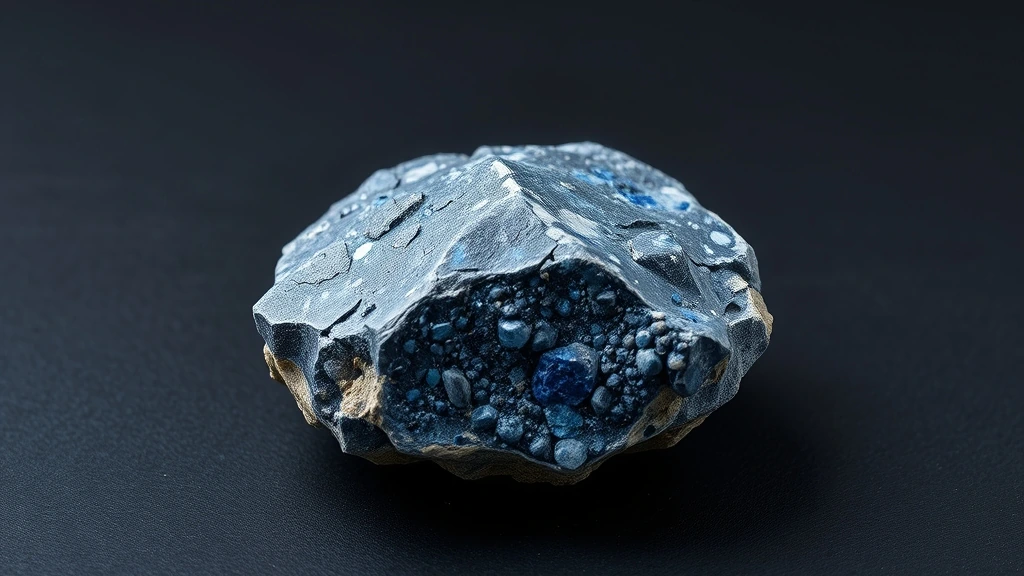
Sodalite belongs to the feldspathoid group, representing a class of minerals that form in silica-poor igneous environments. It is classified as a Natural Mineral / Crystal, distinct from organic gemstones or metamorphic aggregates. This geological origin dictates its unique physical properties and formation conditions. Understanding its parent group is essential for accurate identification and valuation in the gemological market. In comparative mineralogical collections, practitioners and geologists frequently study Taaffeite alongside this crystal to appreciate their subtle energetic and structural differences.
What is Sodalite? Geological Overview & Definition
Sodalite typically occurs in coarse-grained, massive aggregates rather than well-formed individual crystals. It is frequently associated with pyroxene and feldspar in alkaline basaltic rocks. The stone often exhibits a characteristic blue color with white veining, which is highly sought after in lapidary work.
The term “sodalite” derives from the Latin *sodalis*, meaning “soda,” reflecting its high sodium content. It is a key indicator mineral for specific volcanic and subvolcanic settings. Gemologists distinguish it from similar blue stones by its specific gravity and refractive index. Its geological context provides critical clues for authenticating specimens in the trade. While sodalite’s distinct sodium-rich composition and specific gravity help gemologists authenticate it against lookalikes, its deep violet counterpart, Sugilite, often appears in similar geological formations, offering a complementary palette for collectors seeking both blue and purple varieties.
Sodalite Chemical Composition & Crystallographic Properties
Sodalite crystallizes in the Cubic crystal system, exhibiting a complex framework structure. The unit cell contains a network of silicon and aluminum tetrahedra. This cubic symmetry is fundamental to its optical isotropy and physical behavior. The lattice is stabilized by large cations occupying the interstitial spaces. Similarly, the tetragonal Sphene Titanite showcases how variations in crystal system can influence optical properties, offering a compelling contrast to sodalite’s cubic framework.
The chemical composition involves significant cation substitution within the crystal lattice. Sodium ions are the primary charge-balancing cations, but potassium and calcium can also substitute. This variability influences the stone’s density and refractive index. The specific arrangement of these ions determines the mineral’s stability under pressure. The subtle shifts in ion substitution that affect sodalite’s density and refractive index are mirrored in the delicate layering of calcium carbonate in **Mother Of Pearl Nacre**, where similar cation variations create its characteristic iridescence.
Color in sodalite arises from chromophore color centers involving sulfur species. These impurities create the characteristic blue to violet hues observed in gem-quality material. The intensity of the color depends on the concentration and type of these sulfur complexes. Heat treatment can alter these centers, sometimes shifting the color toward purple.
Sodalite is generally stable at room temperature but may undergo subtle changes under extreme heat. It is sensitive to strong acids, which can dissolve the silicate framework. The refractive index remains consistent within the cubic system, aiding in identification. Proper care is required to maintain the stone’s luster and structural integrity over time.
| Property | Specification |
|---|---|
| Mineral Group | Natural Mineral / Crystal |
| Mohs Hardness | 5.5–6 |
| Crystal System | Cubic (crystal system) |
| Specific Gravity (Density) | 2.27–2.33 |
| Refractive Index | n = 1.483 – 1.487 |
| Color & Optical Properties | Natural Sodalite color spectrum and optical dispersion |
| Primary Mining Localities | Global primary localities |
| Water & Chemical Resistance | High (Safe for gentle water washing) |
| Chakra Alignment (Traditional) | Throat Chakra, Crown Chakra |
| Zodiac Affinity (Traditional) | Virgo, Pisces |
| Symbolic Meaning (Traditional) | Clarity of thought, communication, and spiritual insight |
Sodalite Varieties & Color Spectrum
Royal Blue Sodalite
Formed in silica‑rich pegmatitic environments, royal blue sodalite displays a deep indigo hue caused by trace sulfur. Minute calcite or pyrite inclusions often create a speckled “star‑burst” effect that enhances its brilliance. This variety is most abundant in Canada’s Bancroft region, yet high‑grade stones remain relatively scarce, commanding premium prices.
Light‑Blue “Sky” Sodalite
Developing in low‑temperature hydrothermal veins, light‑blue sodalite exhibits a pastel sky‑blue tone with a faint virgin‑milk translucency. The mineral frequently incorporates chlorite lamellae, giving a subtle veining pattern prized by collectors. Deposits in Brazil’s Minas Gerais produce the clearest specimens, though they are limited in size, making large cabochons rare.
Green‑Tinted Sodalite (Lazurite‑Sodalite)
In certain alkaline complexes, iron and nickel substitute into the lattice, shifting the color toward a muted green. These stones often contain magnetite specks that create a distinctive “marble” appearance. The most notable occurrences are in Namibia’s Otjozondjupa province, where the green tint is prized for its uniqueness, yet the deposits are small and heavily mined.
White‑Veined Sodalite
Formed alongside albite in granitic pegmatites, white‑veined sodalite shows a dominant blue matrix intersected by crisp, milky veins. The contrast highlights the stone’s birefringence, making it a favorite for ornamental carving. Significant sources include the United States’ New Hampshire pegmatites, where the veining is pronounced but the overall volume of high‑quality material is limited.
Pink‑Scented Sodalite (Rare)
A rare chromatic variant, pink sodalite arises from manganese enrichment during crystallization in volcanic tuffs. Its soft rose hue is often overlaid with a faint aurora of blue, creating a delicate dual‑tone effect. Only a handful of mines in Madagascar have yielded specimens, rendering this variety exceptionally scarce and highly sought after by high‑end jewelers.
Black‑Inclusion Sodalite
Occurring in basaltic lava flows, this variety incorporates abundant magnetite and hematite, giving a speckled black‑blue appearance. The inclusions produce a striking schiller effect when cut as cabochons. Primary localities include Russia’s Kola Peninsula, where the mineral’s dramatic contrast makes it a collector’s specialty, though extraction is challenging due to the host rock’s hardness.
Where is Sodalite Found? Geological Mining & Extraction
Sodalite typically crystallizes in alkaline igneous settings, especially within silica‑rich pegmatites and nepheline syenite bodies. The mineral’s formation is facilitated by low‑temperature hydrothermal fluids that introduce sodium and chlorine, allowing the characteristic Na₈(Al₆Si₆O₁₈)Cl₂ lattice to develop.
Major mining districts include the Bancroft area of Ontario, Canada; the Minas Gerais province of Brazil; and the Kola Peninsula of Russia. In each locale, extraction relies on careful hand‑sorting of pegmatite blocks to avoid damaging the relatively soft (Mohs 5.5–6) crystals, followed by cleaning and grading for gem‑quality use.
Historical Significance & Cultural Lore of Sodalite
Ancient Romans valued sodalite for its vivid blue, using it in mosaics and ornamental inlays at sites such as the Villa of the Mysteries. Archaeological finds in the ruins of Pompeii reveal polished sodalite beads, indicating its role as a status symbol and protective amulet in Roman society.
In Eastern traditions, sodalite was associated with the Throat Chakra, believed to enhance clear communication and spiritual insight. Historical lapidary lore described deep-blue sodalite as “the stone of truth,” attributing to it the power to dispel illusions and reveal authentic intentions, an association that remains prominent in modern crystal practices.
Modern Uses & Jewelry Applications of Sodalite
Sodalite’s deep azure‑blue hue and uniform color make it a favorite for both high‑fashion and everyday pieces. Lapidary artisans typically cut it into cabochons to showcase its silky luster, while skilled faceters produce brilliant facets that highlight subtle internal play. Ornamental carving also thrives, yielding intricate beads, cameos, and decorative inlays for luxury watches and accessories.
- Cabochon pendants and rings emphasizing a smooth, polished surface
- Faceted earrings and brooches that maximize sparkle and depth
- Carved beads, intaglios, and inlays for watch dials and ornamental panels
Metaphysical Properties & Traditional Meaning of Sodalite
According to historical traditions and metaphysical lore, sodalite is revered for fostering clarity of thought and enhancing communication. It is believed to calm emotional turbulence, encouraging rational discourse and inner peace, while also opening pathways to higher spiritual insight. Practitioners associate the stone with a gentle yet firm encouragement toward truth‑seeking and self‑expression.
Which Chakra and Zodiac Signs Align with Sodalite?
Sodalite resonates most strongly with the Throat Chakra, supporting articulate speech and confident self‑presentation. It also activates the Crown Chakra, inviting expanded consciousness and a sense of universal connection. Together, these energy centers are thought to balance mental clarity with spiritual awareness.
In astrological tradition, sodalite aligns exclusively with Virgo and Pisces. Virgo’s analytical precision complements the stone’s ability to sharpen mental focus, while Pisces’ intuitive depth mirrors sodalite’s capacity to unlock subtle spiritual insights. This dual alignment reinforces both practical discernment and compassionate imagination.
How to Identify Real vs. Fake Sodalite
Artificial imitations of sodalite range from colored glass to resin‑filled composites, often enhanced with dyes to mimic its signature blue. Synthetic glass may display a uniform, glassy sheen lacking the stone’s natural translucency, while dyed replicas can exhibit uneven coloration that fades under prolonged light exposure. Recognizing these differences is essential for collectors and buyers.
Practical At-Home Authenticity Tests
- Temperature Test (Thermal Feel): Natural sodalite feels cool to the touch and retains that coolness longer than glass, which quickly warms to skin temperature.
- Specific Gravity & Weight Test: Real sodalite has a density of 2.27–2.33 g/cm³; it feels noticeably heavier than glass of similar size, which typically measures around 2.5 g/cm³.
- Scratch & Hardness Test (Mohs Comparison): With a Mohs hardness of 5.5–6, sodalite can be scratched by a steel file but not by a copper coin; glass usually scratches more easily.
- Microscopic & Loupe Inspection (Internal Inclusions): Under 10× magnification, genuine sodalite shows fine, cloudy inclusions or minute crystal growths, whereas glass appears completely clear and free of natural fracture patterns.
Sodalite Valuation Factors, Grading & Pricing
Color saturation is the foremost driver of market price, with deep, uniform blues commanding the highest premiums. Stones that display a vivid, intense azure hue without mottled gray or white streaks are prized for their visual impact and perceived energetic luster. Even subtle variations in hue can shift a piece from ordinary to collector‑grade, especially when the color appears to glow from within the crystal lattice.
Crystal size and weight, expressed in grams, directly influence valuation, as larger, well‑formed specimens provide more material for cutting and setting. A raw block that weighs several grams can fetch a higher price than a smaller, polished cabochon of equal quality, while a tumbled polish that reveals a smooth, reflective surface adds a modest premium. Natural matrix inclusions, when they enhance rather than detract from the stone’s aesthetic, may also increase desirability among collectors.
Ethical sourcing and locality premium have become decisive factors in both holistic and collector markets. Sodalite mined under transparent, environmentally responsible conditions, especially from renowned deposits in Canada or Brazil, often carries a sourcing premium that reflects fair‑trade practices and reduced ecological impact. Buyers increasingly seek provenance documentation, rewarding mines that support local communities and adhere to strict labor standards.
How to Clean and Care for Sodalite
Cleaning sodalite is straightforward: gently wash the stone in warm soapy water, using a soft cloth to remove surface grime. Rinse briefly with clean water and pat dry with a lint‑free microfiber towel, taking care not to scrub aggressively. Avoid ultrasonic cleaners, as the vibrations can create micro‑fractures in the crystal lattice and diminish the stone’s structural integrity. Store the cleaned piece in a low‑humidity environment, away from direct sunlight, to preserve its color and stability.
Cleansing and Recharging Sodalite (Energetic Care)
For energetic maintenance, a brief session of herbal smudging with sage or cedar can clear lingering negative vibrations without exposing the stone to moisture. Hold the sodalite a few inches above the smoke, allowing the gentle aromatic mist to envelop the surface for one to two minutes.
Alternatively, place the stone on a selenite charging slab or expose it to soft moonlight overnight to restore its natural clarity. Both methods are safe, requiring no heat, and they help realign the stone’s spiritual resonance while keeping its crystal structure intact.
Frequently Asked Questions About Sodalite
Is sodalite safe to wear in the shower or while swimming?
Yes, sodalite is water‑resistant and can tolerate gentle water exposure. Its cubic crystal structure and relatively low porosity prevent water absorption, so brief contact with rain, showers, or pool water will not damage the stone, though prolonged soaking should still be avoided.
How should I clean my sodalite jewelry at home?
Clean sodalite with warm, soapy water and a soft, lint‑free cloth. Gently rub the surface to remove oils, then rinse with lukewarm water and pat dry. This method respects the stone’s Mohs hardness of 5.5–6, avoiding scratches while maintaining its vivid blue‑violet hue.
Can I use an ultrasonic cleaner on sodalite?
No, ultrasonic cleaning is not recommended for sodalite. The high‑frequency vibrations can create micro‑fractures in the crystal lattice, especially in stones with internal inclusions, leading to structural fractures that compromise both durability and appearance.
What zodiac signs are associated with sodalite?
Sodalite is linked to the zodiac signs Virgo and Pisces. These signs are believed to benefit from the stone’s clarity‑enhancing properties, which support analytical thinking for Virgo and intuitive insight for Pisces.
Which chakras does sodalite balance?
Sodalite aligns with the Throat Chakra and Crown Chakra. Activation of the Throat Chakra promotes clear communication, while the Crown Chakra encourages spiritual insight, together fostering clarity of thought and inner wisdom.
Does sodalite fade or change color over time?
Sodalite’s color is generally stable under normal wear conditions. Its refractive index (n = 1.483–1.487) and dense lattice help preserve the deep blue‑violet tone, though prolonged exposure to harsh chemicals or extreme heat may cause slight discoloration.
Is sodalite suitable for everyday wear?
Yes, sodalite is suitable for daily use in most jewelry pieces. With a hardness of 5.5–6, it resists everyday scratches better than many softer gemstones, but it should still be protected from hard impacts and abrasive surfaces.
How can I tell if a sodalite piece is genuine?
Authentic sodalite exhibits a uniform, intense blue‑violet color with occasional white calcite inclusions. A genuine stone will have a specific gravity of 2.27–2.33 and display the characteristic cubic crystal habit when examined under magnification.