
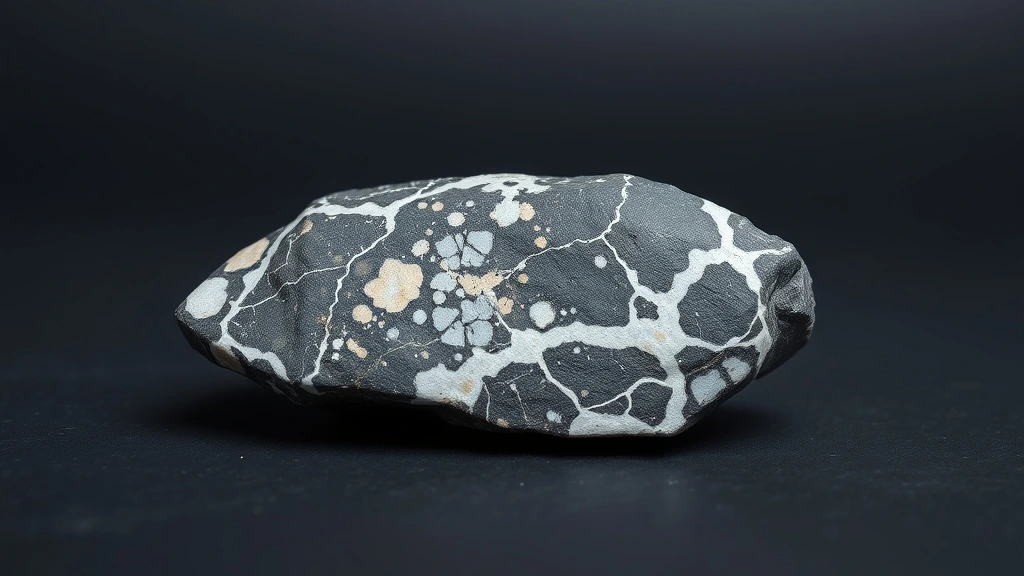
Marble originates when limestone undergoes recrystallization under heat and pressure, transforming the fine‑grained sedimentary carbonate into a dense, interlocking mosaic of calcite crystals. Belonging to the Natural Mineral / Crystal parent group, it is an aggregate rather than a single mineral species, yet its bulk properties are governed by the trigonal calcite framework. This metamorphic process enhances translucency and polishability, traits prized in sculpture, architecture, and gem cutting.
What is Marble Gemstone? Geological Overview & Definition
Marble is a metamorphic rock formed from the recrystallization of limestone or dolostone during regional or contact metamorphism. The process eliminates original sedimentary textures, producing a compact mass of interlocking calcite crystals that can display dramatic veining when impurities such as clay minerals or iron oxides are present.
In gemological terms, marble is valued for its luminescent polish and ability to be carved into cabochons, beads, or ornamental tiles. While it lacks a single, uniform chemical formula, its bulk composition mirrors that of pure calcite (CaCO₃), with occasional cation substitution (e.g., Mg²⁺) that subtly alters color and density.
Marble Gemstone Chemical Composition & Crystallographic Properties
The dominant mineral in marble is calcite, which crystallizes in the trigonal crystal system. Its lattice consists of rhombohedral units where calcium ions occupy the corners and carbonate groups sit at the centers, producing a characteristic three‑fold rotational symmetry.
Calcite’s structure is highly susceptible to acidic attack; dilute hydrochloric acid effervesces vigorously, releasing CO₂ as the carbonate dissolves. This reactivity is a key diagnostic test distinguishing marble from silicate stones, which remain inert to weak acids.
Color in marble arises from chromophore impurities and fluid inclusions trapped during metamorphism. Iron oxides generate reddish or brown veining, while organic matter can produce gray to black streaks, each acting as a light‑absorbing center within the otherwise translucent calcite matrix.
Thermally, marble exhibits low thermal conductivity and expands modestly with heat, a behavior quantified by a coefficient of thermal expansion near 5 × 10⁻⁶ °C⁻¹. Prolonged exposure to high temperatures can induce recrystallization, potentially altering translucency and weakening the stone’s structural integrity.
| Property | Specification |
|---|---|
| Mineral Group | Natural Mineral / Crystal |
| Chemical Formula | CaCO₃ (Calcite) |
| Mohs Hardness | 3.0 – 4.0 |
| Crystal System | Trigonal |
| Specific Gravity (Density) | 2.65 – 2.85 |
| Refractive Index | 1.486 – 1.658 |
| Color & Optical Properties | Natural Marble Gemstone color spectrum and optical dispersion |
| Primary Mining Localities | Global primary localities |
| Water & Chemical Resistance | Sensitive (Avoid prolonged water soaking) |
| Chakra Alignment (Traditional) | Root Chakra, Sacral Chakra |
| Zodiac Affinity (Traditional) | Taurus, Virgo, Capricorn |
| Symbolic Meaning (Traditional) | Stability, grounding, and emotional balance |
Marble Gemstone Varieties & Color Spectrum
Marble is a metamorphic rock composed primarily of calcite or dolomite, renowned for its crystalline texture and aesthetic versatility. Its colors arise from trace impurities introduced during the geological metamorphism process. Understanding these variations is crucial for gemological identification and valuation.
Carrara White
This iconic variety originates from the Apuan Alps in Tuscany, Italy, where pure calcite crystals form a luminous white matrix. The stone often features subtle gray veining caused by minute inclusions of graphite or iron oxides. Its fine-grained structure makes it highly prized for classical sculpture and architectural detailing.
Verde Alpi
Emerging from the Alpine regions of Italy and Switzerland, this variety displays a striking green hue derived from chlorite or serpentine minerals. The color intensity varies significantly, ranging from pale sage to deep forest green. These stones are valued for their unique organic patterns and moderate rarity in the global market.
Nero Marquina
This dramatic black marble comes from the Basque Country in Spain, characterized by a dense calcite base with sharp white veins. The contrast is created by iron-rich minerals that oxidize during the cooling phase of metamorphism. Its high visual impact makes it a staple in modern luxury interior design applications.
Rosa Portogallo
Sourced from Portugal, this variety features a soft pink background interspersed with darker red and gray streaks. The pink coloration results from trace amounts of hematite dispersed throughout the crystalline structure. It is less common than white marbles, offering a distinct romantic aesthetic to collectors.
Thassos White
Mined from the Greek island of Thasos, this stone is celebrated for its exceptional purity and bright white appearance. It contains minimal impurities, resulting in a uniform texture that reflects light beautifully. Ancient Greeks preferred this variety for temple construction due to its superior structural integrity.
Where is Marble Gemstone Found? Geological Mining & Extraction
Marble forms through the regional metamorphism of limestone under intense heat and pressure, typically within tectonic plate boundaries. These deposits are often found in mountainous regions where ancient seabeds have been uplifted and altered over millions of years. The crystalline structure develops as calcium carbonate recrystallizes into interlocking grains.
Primary extraction occurs in major quarries across Italy, Greece, Spain, and Turkey, where large blocks are cut using diamond-tipped saws. The trigonal crystal system of calcite influences the stone’s cleavage, requiring careful handling during extraction. Modern techniques ensure minimal waste while preserving the natural veining patterns that define each slab.
Historical Significance & Cultural Lore of Marble Gemstone
Ancient civilizations revered marble for its durability and luminous quality, using it extensively in monumental architecture and sculpture. The Parthenon in Athens and the Colosseum in Rome stand as enduring testaments to the material’s structural and aesthetic superiority. Archaeological evidence shows that trade routes for high-quality marble extended across the Mediterranean world.
In esoteric traditions, marble is associated with grounding and emotional stability, aligning with the Root and Sacral chakras. Its association with Taurus, Virgo, and Capricorn reflects its earthy, steadfast nature in astrological lore. This enduring cultural significance continues to influence its use in contemporary spiritual and decorative contexts.
Modern Uses & Jewelry Applications of Marble Gemstone
Marble is prized for its smooth translucency and subtle veining, making it a versatile lapidary material. Artisans cut the stone into cabochons for pendants, earrings, and rings, while skilled faceters can produce modestly brilliant facets for statement pieces. Large slabs are also carved into ornamental panels, statues, and architectural accents, where the stone’s natural polish enhances interior design.
- Cabochon pendants – showcase the stone’s creamy glow.
- Faceted rings – modest brilliance suitable for everyday wear.
- Ornamental carving – columns, tablets, and decorative inlays.
Metaphysical Uses & Origins of Marble Gemstone
In meditation, marble’s cool, dense feel encourages grounding and a sense of stability, helping practitioners anchor their awareness in the present moment. Its historic use in temples and sacred architecture reinforces its reputation as a conduit for emotional balance, allowing users to feel both protected and centered during spiritual work.
Which Chakra and Zodiac Signs Align with Marble Gemstone?
Marble resonates most strongly with the Root Chakra, supporting physical security, and the Sacral Chakra, fostering creative flow and emotional harmony. When placed on these energy centers, the stone is believed to amplify feelings of safety and nurture a balanced emotional state.
Astrologically, marble is aligned with Taurus, Virgo, and Capricorn—earth signs that value practicality, perseverance, and grounded ambition. Wearing marble during key planetary transits can reinforce these traits, helping the wearer stay steadfast and emotionally steady.
How to Identify Real vs. Fake Marble Gemstone
Artificial imitations of marble include dyed limestone, synthetic glass, and resin composites that mimic the stone’s veining. These substitutes often lack the genuine density and subtle color variations of natural marble, making careful testing essential for collectors and jewelers.
Practical At-Home Authenticity Tests
- Temperature Test (Thermal Feel): Natural marble feels cool to the touch for several seconds, whereas glass or resin warms quickly in the hand.
- Specific Gravity & Weight Test: Real marble weighs 2.65–2.85 g/cm³; a simple water displacement test will reveal a lighter, less dense replica.
- Scratch & Hardness Test (Mohs Comparison): With a steel nail (hardness ~5.5), marble (hardness 3–4) will show a faint scratch, while glass (hardness ~5.5) resists it.
- Microscopic & Loupe Inspection (Internal Inclusions): Under 10× magnification, authentic marble displays fine calcite crystals and natural veining; synthetic glass shows uniform bubbles or no internal structure.
Marble Gemstone Valuation Factors, Grading & Pricing
Color Saturation is the foremost driver of market price. Deep, vivid hues—especially rich whites, pinks, or greens—signal a high‑grade marble, while pale or washed‑out tones diminish value. Uniform tone across the stone enhances visual impact, and a high‑luster polish that reflects light without cloudiness adds a premium finish.
Carat Weight influences price but interacts with cut quality. Larger marbles command higher per‑carat rates only when facet symmetry is precise, ensuring even light distribution. Visible matrix patterns or inclusions can be desirable for a natural look, yet excessive fractures or cloudy zones reduce clarity and thus lower the appraisal.
Geographical Provenance Premium rewards stones from renowned quarries such as Carrara (Italy) or Thassos (Greece). Provenance is documented through certificates and can add 15‑30 % to wholesale prices. Retail trends show steady demand for ethically sourced marble, with price spikes during high‑end architectural projects and luxury jewelry releases.
How to Clean and Care for Marble Gemstone
Use warm soapy water and a soft cloth to gently wipe the surface of the marble gemstone. Rinse with clean, lukewarm water and pat dry with a lint‑free towel. Avoid ultrasonic cleaners entirely, as the vibrations can cause micro‑fractures in the calcite matrix.
Cleansing and Recharging Marble Gemstone (Energetic Care)
Because marble is a carbonate mineral, it is sensitive to prolonged moisture and chemical exposure. For energetic clearing, pass the stone through smoke smudging using white sage or cedar; the gentle ash cleanses without introducing water.
Place the marble on a selenite charging plate or under direct moonlight for several hours. Both methods infuse the stone with subtle vibrational energy while respecting its solubility limits, leaving it refreshed and ready for use.
Frequently Asked Questions About Marble Gemstone
Is marble gemstone water‑resistant?
Marble is water‑sensitive and should not be soaked for long periods. Prolonged exposure to moisture can cause surface etching and weaken the calcite matrix, especially in humid climates. A quick rinse is acceptable, but drying promptly preserves its luster and structural integrity.
How should I clean my marble gemstone jewelry?
Clean with warm, mildly soapy water and a soft, lint‑free cloth. Avoid abrasive pads or harsh chemicals that can scratch the calcite surface. This gentle method removes oils while maintaining the stone’s natural transparency and prevents accidental damage.
Can I use an ultrasonic cleaner on marble gemstones?
No—ultrasonic cleaners should be avoided. The high‑frequency vibrations can create micro‑fractures in the relatively soft trigonal crystal lattice of marble, leading to chips or loss of polish. Stick to manual cleaning to keep the stone intact.
What is the typical hardness of marble gemstone on the Mohs scale?
Marble rates between 3.0 and 4.0 on the Mohs hardness scale. This places it below many common gemstones, meaning it scratches more easily than quartz or sapphire. Handle it with care, especially when stored with harder stones, to avoid surface abrasions.
Which zodiac signs are associated with marble gemstone?
Marble aligns with Taurus, Virgo, and Capricorn. These earth‑signs appreciate the stone’s grounding energy, reflecting its stability and emotional balance qualities. Wearing marble may reinforce the practical, disciplined traits valued by these signs.
Which chakras does marble gemstone activate?
Marble resonates with the Root Chakra and Sacral Chakra. These energy centers govern grounding, survival instincts, and creative flow. Incorporating marble into meditation or jewelry can help balance physical stability and emotional vitality.
Does marble have a notable refractive index?
Its refractive index ranges from 1.486 to 1.658. This modest range contributes to a gentle luster rather than high brilliance, distinguishing marble from high‑RI gems like diamond. The subtle sparkle is prized in ornamental and architectural applications.
What is the typical density of marble gemstone?
Marble’s density falls between 2.65 and 2.85 g/cm³. This relatively low density reflects its calcite composition, making it lighter than many silicate gemstones. The weight is a useful diagnostic clue when distinguishing marble from denser stones in the field.