
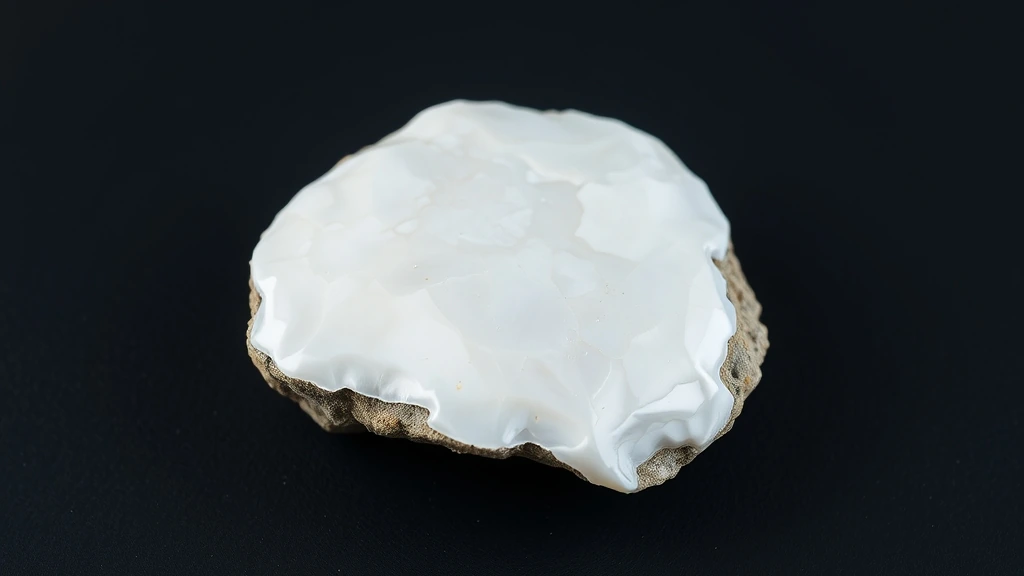
Mother of pearl is classified as a natural mineral aggregate rather than a single-crystal specimen. It forms within the shells of mollusks through a complex biomineralization process. This organic-inorganic composite belongs to the broader crystallographic family of calcium carbonate polymorphs. Its unique structure distinguishes it from pure geological crystals found in igneous or metamorphic rocks. Understanding its biological origin is essential for accurate gemological identification and valuation. In comparative mineralogical collections, practitioners and geologists frequently study Pearl alongside this crystal to appreciate their subtle energetic and structural differences.
What is Mother Of Pearl (nacre)? Geological Overview & Definition
Mother of pearl, or nacre, is a layered secretion produced by bivalve mollusks. It serves as a protective lining against predators and environmental abrasion. The material consists of microscopic aragonite platelets arranged in a brick-like pattern. This specific architecture provides exceptional toughness despite its relatively low hardness. While nacre typically forms the iridescent interior of bivalves, the rare Conch Pearl is a unique exception, as it is formed by the conch gastropod and distinguished by its distinctive fluted surface pattern.
The term “mother of pearl” refers specifically to the lustrous inner layer of the shell. It is distinct from the outer calcite layers found in many shell species. Gemologists identify it by its characteristic iridescence and smooth, pearly luster. Proper identification requires distinguishing it from synthetic imitations or other calcium carbonate varieties.
Mother Of Pearl (nacre) Chemical Composition & Crystallographic Properties
The primary inorganic component is aragonite, a polymorph of calcium carbonate with an orthorhombic crystal system. The lattice structure consists of calcium ions coordinated by carbonate groups in a specific geometric arrangement. This orthorhombic symmetry is critical for distinguishing aragonite from the trigonal calcite polymorph. The organic matrix, conchiolin, binds these mineral platelets together in a continuous film.
Cation substitution within the aragonite lattice is minimal but can include trace magnesium or strontium. These substitutions do not significantly alter the primary chemical formula of CaCO₃. The material is highly sensitive to acids, which dissolve the carbonate structure rapidly. This acid sensitivity is a standard test for identifying calcium carbonate-based gemstones in the laboratory.
Coloration arises from thin-film interference rather than traditional chromophore color centers. The optical path difference between light waves reflecting off different layers creates the observed iridescence. Thermal behavior shows that nacre degrades at relatively low temperatures due to the organic component. Excessive heat can cause cracking or discoloration of the conchiolin matrix.
| Property | Specification |
|---|---|
| Mineral Group | Natural Mineral / Crystal |
| Chemical Formula | CaCO₃ (aragonite) with organic protein (conchiolin) |
| Mohs Hardness | 2.5 – 4.5 |
| Crystal System | Orthorhombic (Aragonite) |
| Specific Gravity (Density) | 2.70 – 2.95 |
| Refractive Index | 1.530 (unpolarized) – 1.540 (polarized) |
| Color & Optical Properties | Natural Mother Of Pearl (nacre) color spectrum and optical dispersion |
| Primary Mining Localities | Global primary localities |
| Water & Chemical Resistance | Sensitive (Avoid prolonged water soaking) |
| Chakra Alignment (Traditional) | Heart Chakra, Crown Chakra |
| Zodiac Affinity (Traditional) | Cancer, Pisces, Libra |
| Symbolic Meaning (Traditional) | Emotional balance, protection, and spiritual purity |
Mother Of Pearl (nacre) Varieties & Color Spectrum
White/Classic Nacre
Formed in the inner shell layer of bivalve mollusks such as pearl oysters, this variety displays a luminous, iridescent white base overlaid with pastel blues and pinks. The layered structure of aragonite platelets and conchiolin creates a pearl‑like sheen that intensifies with angle. It is the most abundant form, yet high‑quality, thick‑layered specimens from Japanese Akoya oysters command premium prices.
Black Nacre (Black Pearl)
Black nacre originates primarily from the Tridacna gigas giant clam and the black-lipped oyster (*Pinctada margaritifera*). Microscopic chromophore inclusions of melanin and iron oxides give the surface a deep, metallic luster that can shift to turquoise or violet under light. True black pearls are rare, especially those with uniform coloration and minimal surface blemishes, making them highly sought after in high‑end jewelry.
Golden/Amber Nacre
Golden nacre is produced by certain tropical pearl oysters, notably the Pinctada maxima gold-lipped variety found in the Philippines and Australia. The presence of organic pigments and fine‑grained aragonite yields a warm amber hue that can range from honey to deep orange. Large, thick plates with minimal iridescence are scarce, and specimens from remote reef lagoons are prized for their rarity.
Greenish‑Blue Nacre
This morph appears in freshwater mussels such as *Hyriopsis cumingii* and in some marine species inhabiting nutrient‑rich seas. Trace amounts of copper and other transition metals impart a subtle teal or sea‑foam coloration that is most vivid when the shell is polished. Because the mineral layers are thinner, the effect is delicate; high‑grade greenish‑blue nacre from the Mekong Delta is especially valued by collectors.
Pink/Salmon Nacre
Pink nacre develops in oysters that incorporate organic pigments derived from their diet, often in warm, shallow waters of the Indian Ocean. The resulting hue can shift from soft salmon to vibrant magenta, especially when the shell is viewed against a dark background. Fine, evenly spaced aragonite lamellae enhance the color’s depth, and specimens from the Maldives are considered among the most exclusive.
Iridescent Rainbow Nacre
Rarely, a combination of mineral impurities and structural variations produces a rainbow‑effect where multiple colors flash across the surface. This phenomenon is most common in shells affected by fluctuating salinity and temperature, such as those from the Red Sea. The complex interplay of diffraction and interference creates a kaleidoscopic display, making these pieces highly collectible and often reserved for museum collections.
Where is Mother Of Pearl (nacre) Found? Geological Mining & Extraction
Mother of pearl is harvested from living mollusks that inhabit carbonate‑rich marine sediments and freshwater riverbeds, rather than from traditional pegmatite or hard‑rock deposits. Harvesters open the shells of cultivated oysters and mussels, carefully separating the inner nacreous layer, which is then sliced, polished, or left intact for ornamental use.
Major production centers include the Japanese Sea, the South Pacific (French Polynesia, Fiji), the Philippines, and the Mekong River basin in Southeast Asia. In these regions, sustainable aquaculture farms dominate extraction, while occasional wild‑catch operations supply rare color morphs from remote reefs and river systems.
Historical Significance & Cultural Lore of Mother Of Pearl (nacre)
Ancient Egyptians fashioned inlay panels of nacre for royal coffins, while the Romans used thin sheets as decorative veneers on furniture and mosaics. In the Indian subcontinent, nacre was carved into kundan settings for gemstones, symbolizing purity and protection in Hindu and Buddhist traditions.
Across East Asia, nacre was revered as a conduit for spiritual purity, incorporated into Buddhist prayer beads and Shinto talismans. Folklore in the Mediterranean described mother of pearl as the “tears of the moon,” believed to balance emotions and shield the wearer from negative energies.
Modern Uses & Jewelry Applications of Mother Of Pearl (nacre)
Lapidaries primarily work with nacre using cabochon cutting techniques to preserve its iridescent surface, as faceting would destroy the optical play of color. This organic gemstone is extensively used in inlay work, piano keys, and high-end watch dials due to its aesthetic versatility.
- Cabochon Polishing: The standard method for showcasing the iridescence without risking fracture during faceting.
- Inlay & Intarsia: Thin slices are embedded in wood, metal, or stone for decorative panels and furniture.
- Watch Dials: High-end horology uses nacre for its unique, non-repeating luster and depth.
- Architectural Ornamentation: Used in luxury interiors for wall panels, ceilings, and decorative accents.
Metaphysical Uses & Origins of Mother Of Pearl (nacre)
Practitioners utilize nacre in meditation to promote emotional stability and spiritual clarity, believing its layered structure mirrors the complexity of human consciousness. The stone is often held during grounding practices to anchor energy and foster a sense of calm protection.
In architectural and lapidary arts, nacre serves as a symbol of purity and resilience, frequently incorporated into sacred spaces and ceremonial objects. Its organic origin connects users to natural cycles, enhancing the tactile experience of spiritual purity during contemplative rituals.
Which Chakra and Zodiac Signs Align with Mother Of Pearl (nacre)?
Nacre is canonically aligned with the Heart Chakra and Crown Chakra, bridging emotional balance with higher spiritual awareness. This dual connection supports the flow of love and intuition, facilitating a harmonious link between the heart and the mind.
The stone resonates strongly with the water and air signs of Cancer, Pisces, and Libra. These zodiac signs benefit from nacre’s ability to soothe emotional turbulence and enhance diplomatic or empathetic qualities.
How to Identify Real vs. Fake Mother Of Pearl (nacre)
Artificial imitations often use synthetic glass or dyed plastics to mimic the natural luster of nacre, but these materials lack the organic complexity of the real stone. Dyed replicas may appear uniform in color, whereas genuine nacre displays subtle, natural variations in hue and depth.
Practical At-Home Authenticity Tests
- Temperature Test (Thermal Feel): Genuine nacre feels cool to the touch initially and warms slowly, while plastic imitations often feel neutral or warm immediately.
- Specific Gravity & Weight Test: Real nacre has a density of 2.70–2.95, making it feel heavier than similarly sized glass or plastic fakes.
- Scratch & Hardness Test (Mohs Comparison): With a Mohs hardness of 2.5–4.5, nacre is soft; a steel nail (hardness 5.5) will not scratch it, but it may scratch glass.
- Microscopic & Loupe Inspection (Internal Inclusions): A 10x loupe reveals the characteristic aragonite crystal structure and organic layers in real nacre, which are absent in uniform synthetic glass.
Mother Of Pearl (nacre) Valuation Factors, Grading & Pricing
Market value is primarily driven by Color Variations and the natural iridescence of the surface. High-grade specimens display vibrant, multi-toned banding rather than dull, uniform white patches. The aesthetic quality of the natural texture and veining patterns significantly influences collector demand.
Pricing correlates directly with Specimen Mass & Size (Grams/Kilograms) and the precision of carving craftsmanship. Larger, structurally intact blocks command premium prices due to their rarity and potential for intricate sculpting. The quality of light diffusion through the layered structure is a critical determinant of visual appeal.
Geographical Origin & Authenticity play a decisive role in wholesale ornamental and wellness market trends. Buyers often prefer certified sources to ensure the material is genuine nacre and not synthetic resin. Provenance documentation enhances resale value and assures buyers of the specimen’s authenticity and ethical sourcing.
How to Clean and Care for Mother Of Pearl (nacre)
Due to its layered organic-inorganic structure, nacre is sensitive to prolonged moisture exposure. You should wipe briefly with a damp cloth and dry the surface immediately to prevent water spots. This gentle method removes dust without compromising the delicate structural integrity of the aragonite plates.
Avoid ultrasonic cleaners entirely, as high-frequency vibrations can cause structural fractures within the brittle nacre layers. Store the specimen in a low-humidity environment to maintain its luster and prevent delamination. Regular, gentle maintenance preserves the optical properties and physical stability of the material.
Cleansing and Recharging Mother Of Pearl (nacre) (Energetic Care)
For holistic maintenance, place the specimen in a dry, shaded area for gentle moonlight exposure overnight. This method aligns with traditional beliefs regarding lunar energy without exposing the material to damaging heat sources. Ensure the surface is completely dry before initiating any energetic cleansing rituals to protect the organic components.
Alternatively, rest the nacre on a selenite charging slab to facilitate passive energy transfer. This dry method avoids the risks associated with liquid or heat-based purification techniques. Always handle the specimen with care to prevent physical stress during the recharging process.
Frequently Asked Questions About Mother Of Pearl (nacre)
Is mother of pearl safe to wear in the shower?
No, it should be avoided in prolonged water exposure. While the iridescent surface can tolerate brief splashes, extended soaking can weaken the conchiolin protein matrix and cause delamination. For daily wear, remove the piece before showering or swimming to preserve its structural integrity.
How should I clean my mother of pearl jewelry?
Wipe it briefly with a damp cloth and dry immediately. Use a soft, lint‑free microfiber towel to remove surface oils, then pat dry to prevent moisture from seeping into the organic layers. Avoid abrasive pads, soaps, or ultrasonic devices that could fracture the delicate nacre.
Can ultrasonic cleaners be used on mother of pearl?
Ultrasonic cleaning is not recommended. The high‑frequency vibrations can create micro‑cracks in the aragonite crystals and disrupt the protein‑rich layers, leading to irreversible damage. Stick to gentle hand‑wiping methods to maintain brilliance.
What is the typical hardness range of mother of pearl?
It ranges from 2.5 to 4.5 on the Mohs scale. This variability reflects the mixture of aragonite and organic conchiolin, making the material softer than most gemstones. Consequently, it is prone to scratches and should be stored separately from harder stones.
Which zodiac signs are associated with mother of pearl?
Cancer, Pisces, and Libra are the aligned signs. In astrological tradition, the soothing iridescence of nacre is believed to resonate with the emotional depth of Cancer, the intuitive flow of Pisces, and the balanced harmony of Libra, enhancing personal well‑being.
Which chakras does mother of pearl influence?
Heart Chakra and Crown Chakra are the primary correspondences. The gemstone’s gentle luminescence is said to open the Heart for compassion and emotional balance, while its ethereal quality supports the Crown in spiritual purification and higher‑self connection.
Why does mother of pearl display a rainbow‑like sheen?
The effect is caused by thin‑film interference within the nacre layers. Alternating sheets of aragonite platelets and conchiolin create microscopic spacing that diffracts light, producing the characteristic iridescent play of colors admired in jewelry and decorative objects.
Is mother of pearl considered a mineral or an organic material?
It is a composite of mineral aragonite and organic protein. The CaCO₃ (aragonite) component provides crystalline structure, while the conchiolin matrix binds the layers, classifying nacre as a biogenic mineral rather than a pure inorganic gemstone.