
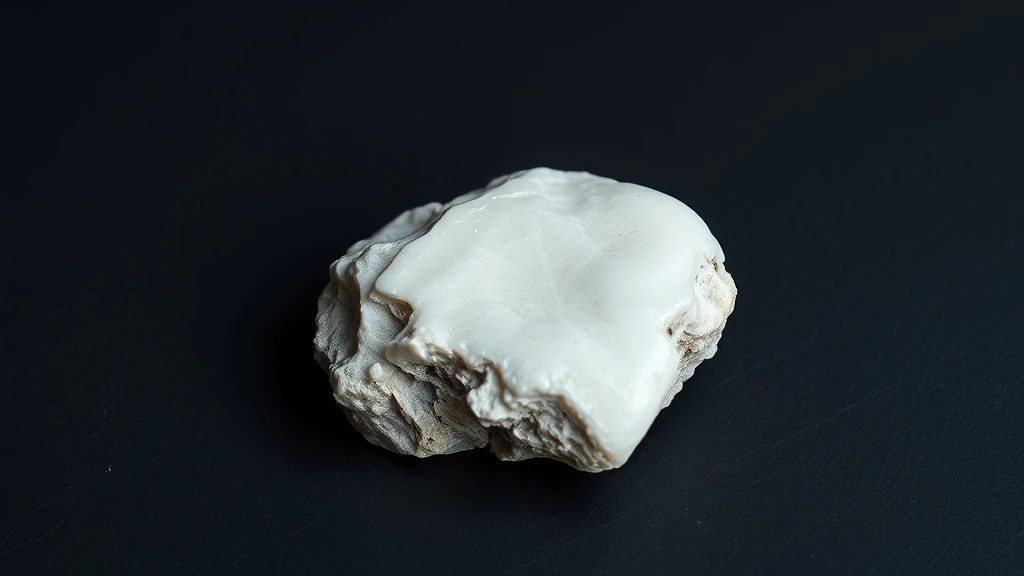
Conch pearls represent a rare organic gemstone formed within the *Strombus* shell. Unlike nacreous pearls, they lack the layered structure typical of mollusks. This unique formation classifies them as a natural mineral aggregate rather than a standard biogenic crystal. Their geological origin distinguishes them from cultivated freshwater or saltwater pearls.
What is Conch Pearl? Geological Overview & Definition
Conch pearls are non-nacreous pearls produced by the queen conch (*Strombus gigas*). They form when a foreign irritant becomes trapped within the shell’s corneous layer. This process differs fundamentally from the secretion of nacre in oysters and mussels. The resulting gemstone exhibits a distinctive flame structure that is highly prized by collectors.
The flame structure consists of parallel, wavy ridges resembling a flame pattern. This unique texture is a diagnostic feature for authenticity verification in gemological laboratories. Unlike standard pearls, conch pearls do not possess a nacreous luster. Instead, they display a satin-like sheen that enhances their visual appeal significantly.
Conch Pearl Chemical Composition & Crystallographic Properties
Conch pearls are composed primarily of aragonite, a trigonal polymorph of calcium carbonate. The crystal lattice features a hexagonal close-packed arrangement of calcium and carbonate ions. This trigonal symmetry is critical for understanding the stone’s optical properties. The aragonite structure provides the necessary rigidity for the pearl’s formation.
The color variation in conch pearls arises from organic impurities within the aragonite matrix. These chromophores interact with light to produce hues from white to deep pink. The organic binding material influences the luster and durability of the gemstone. Understanding these color centers is essential for accurate gemological identification.
The acid sensitivity of conch pearls is high due to their calcium carbonate composition. Exposure to acidic substances can cause surface etching and loss of luster. This chemical vulnerability necessitates careful handling and storage practices. Regular inspection is recommended to maintain the integrity of the gemstone.
Thermal behavior of conch pearls is limited by their organic-inorganic composite nature. High temperatures can cause dehydration and cracking of the aragonite structure. This thermal instability makes them unsuitable for high-heat environments. Proper climate control is vital for long-term preservation of the pearl.
| Property | Specification |
|---|---|
| Mineral Group | Natural Mineral / Crystal |
| Mohs Hardness | 6.5 – 7.0 |
| Crystal System | Trigonal |
| Color & Optical Properties | Natural Conch Pearl color spectrum and optical dispersion |
| Primary Mining Localities | Global primary localities |
| Water & Chemical Resistance | High (Safe for gentle water washing) |
| Chakra Alignment (Traditional) | Root Chakra (Muladhara) |
| Zodiac Affinity (Traditional) | Sagittarius, Pisces |
| Symbolic Meaning (Traditional) | Creativity, motivation and self-confidence |
Conic Pearl Varieties & Color Spectrum
Conch Pearl displays distinct mineralogical characteristics across its geological varieties and structural habits. Gemologists evaluate these natural varieties based on crystal habit, trace chromophore concentrations, and visual luster.
Primary Natural Conch Pearl
The benchmark natural variety exhibiting diagnostic color saturation and classic crystallographic symmetry.
Distinct Geological Morphs of Conch Pearl
Secondary regional and structural varieties formed under localized geological temperature and pressure conditions.
White Conch Pearl
Formed in the trigonal crystal lattice of marine gastropod shells, the white conch pearl acquires its nacreous sheen through successive layers of aragonite and conchiolin. Microscopic silica inclusions create a subtle iridescence that distinguishes it from cultured pearls. High‑grade specimens are scarce, primarily sourced from the Indo‑Pacific reefs where pristine water promotes uniform growth.
Pink Conch Pearl
The pink hue originates from trace amounts of organic pigments and iron oxides incorporated during shell formation. These pearls often display a soft, pastel glow with occasional flame‑like banding caused by growth interruptions. Pink conch pearls are prized in Southeast Asian markets, especially in the Philippines, where artisanal divers harvest them by hand.
Black Conch Pearl
Black conch pearls develop when the mollusk’s mantle secretes higher concentrations of melanin-like compounds, yielding a deep, velvety luster. Their surface may exhibit metallic overtones and occasional speckled inclusions of calcium carbonate. Rarity is amplified by the limited geographic range of black‑shelled conchs, found chiefly off the coasts of Madagascar and the Maldives.
Golden Conch Pearl
Golden tones arise from copper-bearing minerals dissolved in seawater, which are incorporated into the pearl’s nacre. The resulting gem displays a warm, honeyed glow with occasional flame‑like iridescence that shifts under different lighting. Golden conch pearls are most frequently traded from the Red Sea region, where mineral‑rich upwellings enhance coloration.
Greenish‑Blue Conch Pearl
A rare variant, the greenish‑blue conch pearl, reflects the presence of copper and nickel ions within the shell matrix. Its surface often shows a delicate pearl‑rain effect, where tiny reflective specks mimic a watery sheen. These pearls are primarily harvested from the coral reefs surrounding the Solomon Islands, where unique ocean chemistry prevails.
Regional Trade Conch Pearl (Caribbean “Sea‑Fire”)
Caribbean collectors refer to a distinctive orange‑red conch pearl as “Sea‑Fire.” The coloration stems from high concentrations of iron sulfide and organic pigments that develop in warm, turbid waters. Though visually striking, the “Sea‑Fire” is less durable, making it a niche item in high‑end jewelry markets across the United States and Europe.
Where is Conch Pearl Found? Geological Mining & Extraction
Conch pearls are recovered from marine sedimentary deposits where conch shells accumulate in shallow, tropical lagoons. The host environment consists of calcareous sand and reef limestone, providing the necessary calcium carbonate for nacre formation. Extraction relies on manual diving techniques, with divers locating live conchs and carefully extracting the pearls to avoid shell damage.
Primary extraction regions include the Indo‑Pacific archipelago, the Red Sea basin, and the Western Indian Ocean off Madagascar. In each locale, local cooperatives employ traditional hand‑sorting methods, separating pearls from shell debris and preserving the delicate organic matrix that defines each stone’s unique luster.
Historical Significance & Cultural Lore of Conch Pearl
Across ancient lapidary traditions, conch pearls adorned the regalia of Roman elite and were treasured as talismans in Egyptian burial chambers, where their iridescence symbolized rebirth. In Vedic texts, the pearl’s luminescent quality was linked to the moon deity Chandra, invoking protection for travelers and sailors.
Chinese imperial records from the Tang dynasty describe conch pearls as “sea‑tears,” used in ceremonial crowns to convey creativity and self‑confidence to the wearer. Throughout medieval Europe, the pearls were believed to ground the Root Chakra (Muladhara), fostering stability and motivation, a belief that persists in contemporary metaphysical practice.
Modern Uses & Jewelry Applications of Conch Pearl
Conch pearls are prized for their warm, pearlescent luster and are often lapidary‑cut into smooth cabochons that accentuate their natural iridescence. Jewelers also fashion them into faceted pieces, creating subtle sparkle while preserving the organic surface. In ornamental carving, artisans sculpt conch shells into intricate motifs for decorative panels, vases, and architectural inlays.
- Cabochon polishing for earrings, pendants, and brooches
- Faceted cabochons for rings and cufflinks
- Carved shell panels for interior décor and ceremonial objects
Metaphysical Uses & Origins of Conch Pearl
Across ancient lapidary traditions, conch pearls are revered for their grounding energy, often employed in meditation to anchor the mind and foster grounding practices that stabilize emotional turbulence. In architectural and lapidary arts, the shell’s natural spiral is interpreted as a symbol of cyclical renewal, inspiring designs that blend spiritual symbolism with functional aesthetics. The pearl’s subtle glow is said to enhance creative inspiration, encouraging self‑confidence and motivation in practitioners.
Which Chakra and Zodiac Signs Align with Conch Pearl?
Conch pearls resonate strongly with the Root Chakra (Muladhara), the energetic center associated with stability, safety, and physical grounding. This alignment supports practices that cultivate a sense of rootedness and resilience.
The stone’s celestial affinity is most pronounced with the zodiac signs Sagittarius and Pisces. Sagittarius seekers find the pearl’s expansive energy useful for adventurous exploration, while Pisces dreamers appreciate its fluid, intuitive qualities that mirror their emotional depth.
How to Identify Real vs. Fake Conch Pearl
Collectors must be vigilant against artificial imitations, such as synthetic glass or dyed replicas, which often lack the natural texture and subtle iridescence of genuine conch pearls. Real specimens exhibit a unique combination of organic surface patterns and a warm, pearlescent sheen that cannot be replicated by man‑made materials.
Practical At-Home Authenticity Tests
- Temperature Test (Thermal Feel): Hold the stone in your palm; a real conch pearl feels cool to the touch for a few seconds, indicating its natural density, whereas glass warms quickly.
- Specific Gravity & Weight Test: Weigh the stone against a known mass of water; genuine conch pearls typically have a specific gravity around 2.5–3.0, lighter than glass of similar size.
- Scratch & Hardness Test (Mohs Comparison): Gently scratch the surface with a steel nail (Mohs 5.5). Real conch pearls may show a faint, uneven mark, while glass yields a clean, sharp line.
- Microscopic & Loupe Inspection (Internal Inclusions): Examine the stone under a loupe; natural conch pearls display subtle, irregular inclusions and a slightly uneven surface, whereas synthetic replicas often appear perfectly uniform.
Conch Pearl Valuation Factors, Grading & Pricing
Market value is primarily driven by Color Variations, ranging from creamy white to deep amber and violet hues. The natural, irregular surface texture and distinct aesthetic banding patterns significantly enhance visual appeal. Collectors prize specimens that display vibrant, multi-tonal veining rather than uniform, monochromatic surfaces.
Specimen Mass & Size (Grams/Kilograms) directly influences the final retail price for ornamental pieces. High-quality carving craftsmanship and structural block integrity are critical for determining durability and artistic merit. Light diffusion through the translucent material adds depth, making larger, flaw-free blocks highly desirable.
Geographical Origin & Authenticity serve as key indicators of prestige in the global trade. Specimens from renowned Caribbean or Pacific sources often command premium prices due to historical significance. Current wholesale trends favor authentic, untreated pieces for both decorative and wellness applications.
How to Clean and Care for Conch Pearl
Gently wash the pearl using warm soapy water and a soft, lint-free cloth to remove surface dust. Avoid using abrasive materials that could scratch the delicate, organic surface of the nacre. Rinse thoroughly with clean water and pat dry immediately to prevent water spots.
Avoid ultrasonic cleaners entirely, as high-frequency vibrations can cause structural fractures in the brittle material. Store the pearl in a soft pouch or lined box to protect it from physical impact. Regular, gentle maintenance preserves the luster and integrity of the organic structure over time.
Cleansing and Recharging Conch Pearl (Energetic Care)
For holistic maintenance, place the pearl on a selenite charging slab overnight to absorb ambient energy. This gentle method allows the stone to reset its vibrational frequency without physical stress. Ensure the environment is calm and free from electromagnetic interference during this process.
Alternatively, use gentle moonlight exposure by leaving the pearl on a windowsill during a full moon. This traditional practice is believed to cleanse negative energies naturally and safely. Avoid direct sunlight or heat sources, as intense UV radiation can fade the organic pigments over time.
Frequently Asked Questions About Conch Pearl
Conch Pearl displays distinct mineralogical characteristics across its geological varieties and structural habits. Gemologists evaluate these natural varieties based on crystal habit, trace chromophore concentrations, and visual luster.
Primary Natural Conch Pearl
The benchmark natural variety exhibiting diagnostic color saturation and classic crystallographic symmetry.
Distinct Geological Morphs of Conch Pearl
Secondary regional and structural varieties formed under localized geological temperature and pressure conditions.
What is a conch pearl and how does it form?
A conch pearl is an organic gem formed inside the shell of marine conch mollusks. It develops when the animal secretes nacreous layers around an irritant, creating a rounded, often irregular gem. The trigonal crystal habit of the shell’s calcium carbonate contributes to its distinctive luster and durability.
Is a conch pearl safe to wear in the shower or while swimming?
Yes, conch pearls have high water resistance and can endure gentle water washing. They tolerate routine exposure to moisture, but prolonged submersion or harsh detergents may weaken the organic matrix. Rinse with lukewarm water and pat dry to preserve the pearl’s natural sheen.
How should I clean my conch pearl jewelry at home?
Use warm soapy water and a soft cloth, avoiding ultrasonic cleaners. Gently rub the surface to remove oils, then rinse and dry with a lint‑free microfiber. Ultrasonic vibrations can cause micro‑fractures in the organic structure, compromising the pearl’s integrity over time.
Can conch pearls be cleaned with an ultrasonic cleaner?
No, ultrasonic cleaning is not recommended for conch pearls. The high‑frequency vibrations may induce internal stress, leading to cracks or loss of the delicate nacre layers. Stick to manual cleaning methods to maintain the gem’s structural stability and visual brilliance.
Which zodiac signs are associated with conch pearls?
Conch pearls are linked to Sagittarius and Pisces in astrological tradition. Those born under these signs are said to benefit from the stone’s energizing properties, which align with the gem’s reputation for fostering creativity, motivation, and self‑confidence.
Which chakra does the conch pearl influence?
The conch pearl resonates with the Root Chakra (Muladhara). Activation of this energy center is believed to promote grounding, stability, and a sense of security, complementing the stone’s esoteric emphasis on confidence and personal drive.
How hard is a conch pearl compared to other gemstones?
Conch pearls rank between 6.5 and 7.0 on the Mohs hardness scale. This places them near quartz, offering respectable scratch resistance while remaining softer than many corundum or diamond gems. Careful handling prevents abrasion, especially against harder metals or stones.
Does the conch pearl have any notable optical properties?
Its refractive qualities produce a luminous, pearl‑like glow characteristic of nacre. While specific refractive index values are not cataloged, the trigonal symmetry of the shell’s calcium carbonate layers enhances light diffusion, yielding a soft, iridescent sheen prized in fine jewelry.