
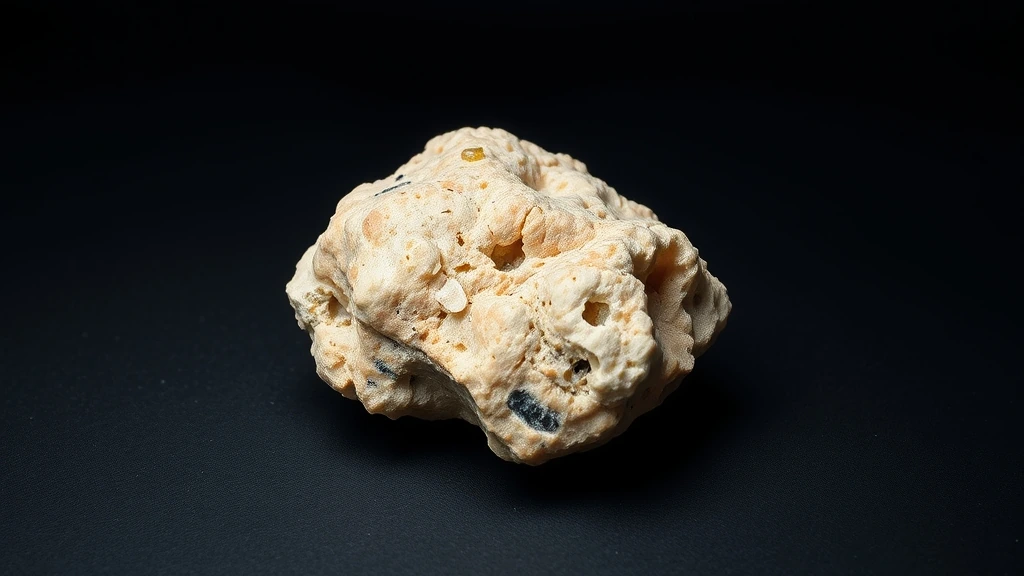
Coral is not a single mineral species but a complex organic aggregate formed by marine polyps. It belongs to the Natural Mineral / Crystal group, specifically as a biogenic sedimentary rock. Unlike pure inorganic crystals, coral structures are intricate colonies of calcareous skeletons. This biological origin grants it unique textures and patterns distinct from standard geological formations.
What is Coral Gemstone? Geological Overview & Definition
Coral gemstones are formed by the accumulation of calcium carbonate secreted by coral polyps over centuries. These organisms build rigid skeletons that create massive, branching structures on ocean floors. The resulting material is a biogenic aggregate, meaning it lacks the uniform internal order of single crystals.
Geologically, coral is classified as a sedimentary rock with organic origins. It forms in warm, shallow marine environments where light penetration supports photosynthetic symbionts. The final gem material consists of interlocking aragonite fibers rather than discrete mineral grains. This structure contributes to its characteristic porosity and lower density compared to pure mineral specimens.
Coral Gemstone Chemical Composition & Crystallographic Properties
The primary mineral constituent of coral is aragonite, which crystallizes in the Orthorhombic system. This specific crystal structure features a distinct lattice arrangement that differs from calcite, the other common calcium carbonate polymorph. The orthorhombic symmetry dictates the physical properties and optical behavior of the gemstone.
Although aragonite is the dominant phase, coral contains minor impurities such as magnesium and iron. These elements substitute for calcium ions within the crystal lattice, creating solid solution variations. Such substitutions can slightly alter the density and refractive index of the material.
The vivid colors in coral stem from chromophore centers and trace metal inclusions. For instance, iron oxides often produce red and orange tones, while manganese contributes to pink hues. These color centers are distributed unevenly, creating the natural banding patterns prized by collectors.
Coral is chemically sensitive to acids due to its calcium carbonate composition. Exposure to acidic substances can dissolve the surface, causing permanent etching and loss of luster. Additionally, the organic protein matrix binding the mineral fibers makes it susceptible to drying and cracking if dehydrated.
| Property | Specification |
|---|---|
| Mineral Group | Natural Mineral / Crystal |
| Chemical Formula | CaCO₃ (aragonite) |
| Mohs Hardness | 3.0 – 4.0 |
| Crystal System | Orthorhombic |
| Specific Gravity (Density) | 1.35 – 1.90 |
| Refractive Index | 1.490 – 1.660 |
| Color & Optical Properties | Natural Coral Gemstone color spectrum and optical dispersion |
| Primary Mining Localities | Global primary localities |
| Water & Chemical Resistance | Sensitive (Avoid prolonged water soaking) |
| Chakra Alignment (Traditional) | Heart Chakra, Sacral Chakra |
| Zodiac Affinity (Traditional) | Taurus, Cancer, Scorpio |
| Symbolic Meaning (Traditional) | Protection, emotional balance, and vitality |
Coral Gemstone Varieties & Color Spectrum
Coral is not a single mineral but a biogenic calcium carbonate aggregate formed by colonial polyps. The primary mineral component is aragonite, which gives the gem its distinctive organic texture and low hardness. Understanding these biological origins is crucial for accurate identification and valuation in the gem trade.
Red Coral (Corallium rubrum)
This variety features a deep, uniform crimson hue derived from hematite inclusions within the aragonite matrix. It forms in deep Mediterranean waters where specific light conditions enhance pigment saturation. High-quality specimens exhibit a smooth, glassy luster and are highly prized for carving intricate intaglio designs.
Blue Coral (Heliopora coerulea)
Found exclusively in the Caribbean, this rare variety displays a striking azure to violet-blue coloration. The unique hue results from calcium carbonate structures that scatter light differently than red coral. Its extreme rarity and limited geographic origin make it significantly more valuable than common red varieties.
Pink Coral (Corallium japonicum)
Often called “Japanese Coral,” this type ranges from pale blush to vibrant magenta tones. It typically contains organic impurities that influence its specific shade and saturation levels. The gemstone is favored for beadwork and ornamental jewelry due to its consistent color distribution.
White Coral (Millepora)
Also known as “fire coral,” this variety appears milky white or cream-colored in its raw state. It possesses a porous surface structure that requires careful polishing to achieve a smooth finish. While less valuable than colored corals, it is widely used in mass-produced fashion accessories.
Where is Coral Gemstone Found? Geological Mining & Extraction
Coral reefs develop in shallow, warm, clear waters where sunlight penetrates to support photosynthetic algae. These biological structures accumulate over millennia, forming massive calcium carbonate deposits on the ocean floor. The geological stability of these reefs ensures the preservation of delicate polyp structures for future extraction.
Primary mining regions include the Mediterranean Sea, Japan, and the Caribbean, where regulations strictly limit harvesting. Divers collect coral branches using specialized tools to minimize damage to the living reef ecosystem. Sustainable practices are essential to prevent the depletion of wild populations and maintain biodiversity in these fragile marine environments.
Historical Significance & Cultural Lore of Coral Gemstone
Ancient civilizations revered coral as a symbol of protection, longevity, and fertility across various cultures. In Rome, it was used in funerary rites to ward off evil spirits and ensure safe passage to the afterlife. Archaeological findings reveal coral amulets in Minoan and Etruscan tombs, highlighting its enduring spiritual significance.
During the Renaissance, coral became a status symbol among European nobility, often set in gold and silver filigree. Its association with the heart chakra reinforced beliefs in its power to balance emotions and promote vitality. Today, coral remains a cherished gemstone, bridging ancient tradition with modern aesthetic appreciation.
Modern Uses & Jewelry Applications of Coral Gemstone
Coral is prized for its warm, organic hues, making it a staple in contemporary lapidary work. Artisans often shape it into cabochons that showcase its natural luster, while skilled cutters can produce modest faceted pieces for a modern twist. Beyond rings and pendants, coral is also carved into ornamental beads, brooches, and decorative inlays that add a splash of color to high‑end accessories.
- Cabochon pendants and earrings highlight the stone’s smooth surface.
- Faceted coral rings offer a contemporary sparkle without compromising durability.
- Carved cameos and intaglios serve as heirloom‑quality ornaments.
Metaphysical Uses & Origins of Coral Gemstone
In meditation, coral’s earthy vibration is employed to foster grounding and emotional stability, often held in the hand or placed on the third eye during practice. Its historic use in architectural embellishments—such as column capitals and altar fronts—reflects a belief that the stone radiates protective energy throughout a space. Contemporary lapidary artists also embed coral into energy grids, believing its natural frequency amplifies vitality and protection.
Which Chakra and Zodiac Signs Align with Coral Gemstone?
Coral resonates most strongly with the Heart Chakra, encouraging compassion, love, and emotional balance. It also activates the Sacral Chakra, supporting creativity, sensuality, and the flow of life force.
Astrologically, coral is linked to Taurus, Cancer, and Scorpio. These signs are thought to benefit from coral’s stabilizing influence, enhancing the grounded nature of Taurus, the nurturing instincts of Cancer, and the transformative power of Scorpio.
How to Identify Real vs. Fake Coral Gemstone
Artificial imitations of coral include dyed natural shells, colored glass, and polymer resins that mimic its hue but lack the genuine calcium carbonate composition. Synthetic glass replicas often feel colder and display a uniform clarity absent in authentic coral. Dyed coral substitutes may show uneven coloration or a glossy surface that differs from the stone’s natural matte sheen.
Practical At-Home Authenticity Tests
- Temperature Test (Thermal Feel): Real coral feels cool to the touch initially and warms slowly, whereas glass or plastic stays at ambient temperature.
- Specific Gravity & Weight Test: Genuine coral (density 1.35‑1.90 g/cm³) feels lighter than glass of similar size; a simple water displacement test can reveal the difference.
- Scratch & Hardness Test (Mohs Comparison): With a steel nail (hardness 5.5), coral (hardness 3‑4) will be easily scratched, while glass (hardness 5‑6) will resist.
- Microscopic & Loupe Inspection (Internal Inclusions): Under 10× magnification, real coral shows a porous, fibrous texture and occasional micro‑cracks, whereas synthetic glass appears uniformly smooth and bubble‑free.
Coral Gemstone Valuation Factors, Grading & Pricing
Market value hinges primarily on Color Saturation, where deep, uniform hues command the highest premiums. Experts scrutinize tone consistency across the entire specimen to ensure visual harmony. Additionally, high optical clarity and a vibrant waxy luster significantly enhance desirability among collectors.
The Carat Weight of the piece directly influences its overall market price and rarity assessment. Facet symmetry is critical for maximizing light return in cut stones, while polished cabochons require flawless surfaces. Buyers must also inspect for matrix inclusions, as visible skeletal structures or voids can detract from the gem’s aesthetic appeal.
Geographical Provenance Premium plays a decisive role, with specimens from specific regions like Indonesia or Japan fetching higher prices. Wholesale rates fluctuate based on supply chain stability and global demand trends. Retail pricing typically reflects these dynamics, ensuring that certified pieces maintain their premium status in the market.
How to Clean and Care for Coral Gemstone
Always use warm soapy water and a soft, lint-free cloth to gently wipe the surface. This mild approach effectively removes oils and dust without damaging the delicate organic structure. Avoid harsh chemicals or abrasive materials that could erode the natural aragonite matrix.
It is strictly necessary to avoid ultrasonic cleaners to prevent structural fractures in this porous material. Prolonged water soaking should also be minimized to maintain the gemstone’s integrity and luster. Regular, gentle maintenance ensures the coral retains its vibrant appearance and structural stability over time.
Cleansing and Recharging Coral Gemstone (Energetic Care)
For energetic cleansing, utilize smoke smudging with sage or palo santo to clear stagnant energy. This dry method respects the mineral’s sensitivity to moisture and chemical exposure. Ensure the area is well-ventilated to allow the smoke to dissipate safely and effectively.
To recharge the stone, place it on a selenite plate under natural moonlight for several hours. This passive technique aligns with the coral’s association with the Heart Chakra and emotional balance. Never submerge the gemstone in water during these energetic rituals to preserve its physical condition.
Frequently Asked Questions About Coral Gemstone
How should I clean coral jewelry?
Use warm soapy water and a soft cloth; avoid ultrasonic cleaners. Ultrasonic vibrations can create micro‑fractures in the aragonite structure, compromising durability. Gently wipe the surface, rinse with lukewarm water, and pat dry with a lint‑free cloth to preserve its luster.
Is coral safe to wear while swimming or in the rain?
Coral is water‑sensitive and should not be soaked for long periods. Prolonged exposure to moisture can weaken the orthorhombic crystal lattice, leading to surface erosion or discoloration. Remove coral pieces before swimming, showering, or heavy rain to maintain integrity.
What is the typical hardness of coral, and can it be scratched easily?
Coral rates 3.0–4.0 on the Mohs scale, making it relatively soft. Everyday objects like metal clasps or even fingernails can leave marks, so store coral separately in a padded pouch. Its low hardness necessitates careful handling during setting and wear.
Which zodiac signs are traditionally associated with coral?
Coral is linked to Taurus, Cancer, and Scorpio. These signs are believed to benefit from coral’s protective energy, enhancing emotional stability and vitality. Wearing coral may align with astrological traditions that emphasize grounding and heart‑centered balance.
Which chakras does coral correspond to in crystal healing?
Coral resonates with the Heart Chakra and the Sacral Chakra. Activation of these energy centers promotes emotional balance, compassion, and creative vitality. Practitioners often place coral over the chest or lower abdomen during meditation to amplify these effects.
Does coral have a specific chemical composition that affects its care?
Coral is composed of calcium carbonate (CaCO₃) in the aragonite form. This mineral composition makes it vulnerable to acidic environments and prolonged moisture, requiring gentle cleaning methods and storage away from harsh chemicals to prevent degradation.
What is the typical density and refractive index range for coral?
Coral’s density ranges from 1.35 to 1.90 g/cm³, with a refractive index of 1.490–1.660. These physical properties give coral its characteristic warm glow and modest brilliance, distinguishing it from harder gemstones that exhibit higher indices and densities.
Can coral be set in rings, or is it better suited for pendants?
Coral is best used in pendants, earrings, and brooches rather than rings. The finger’s constant friction and exposure to oils increase the risk of surface wear and fracture. Designing coral as a focal piece that rests on softer skin reduces stress on the gemstone.