
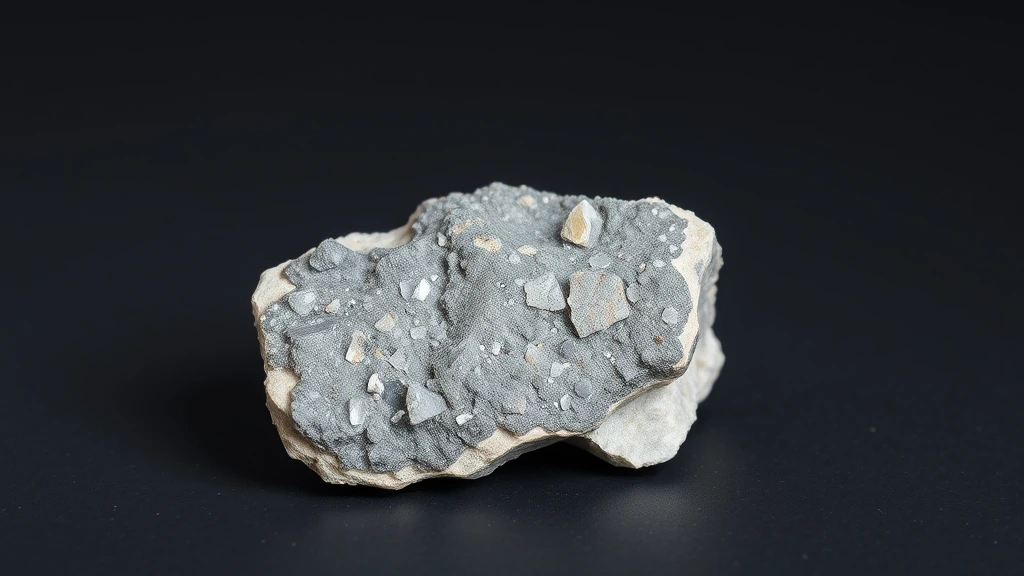
Syenite belongs to the Natural Mineral / Crystal parent group, representing a coarse-grained intrusive igneous rock. It forms deep within the Earth’s crust where slow cooling allows large crystals to develop. This geological process creates a dense, interlocking texture distinct from finer-grained volcanic counterparts. The rock’s formation is critical for understanding its structural integrity and mineralogical stability in various industrial applications. In comparative mineralogical collections, practitioners and geologists frequently study Dacite alongside this crystal to appreciate their subtle energetic and structural differences.
What is Syenite? Geological Overview & Definition
Syenite is classified as a coarse-grained intrusive igneous rock, forming from the slow cooling of silica-poor magma. Its primary constituents include potassium feldspar and plagioclase, with minor amounts of mafic minerals like biotite. This composition distinguishes it from granite, which contains significantly more quartz. The resulting rock is typically dense and exhibits a granular texture.
Geologically, syenite often occurs in large plutonic bodies associated with specific tectonic settings. It serves as a host for various economic minerals, including niobium and tantalum. The polycrystalline nature of the rock ensures high structural strength. Understanding its formation helps geologists predict its distribution in continental crust regions.
Syenite Chemical Composition & Crystallographic Properties
Syenite is a polycrystalline aggregate rather than a single crystal, meaning it lacks a uniform lattice structure. It consists of interlocking crystals of feldspar and mafic minerals, each with its own crystal system. This multi-mineral composition prevents the existence of a single stoichiometric chemical formula for the rock. Instead, its properties are derived from the weighted average of its constituent minerals.
The cation substitution within the feldspar minerals creates solid solution series, such as orthoclase and anorthite. These substitutions influence the rock’s overall density, which typically ranges from 2.65 to 2.75 g/cm³. The refractive index varies between 1.52 and 1.65 depending on the specific mineral phases present. This variability is crucial for accurate gemological identification and optical characterization.
Color in syenite arises from chromophore color centers, primarily iron and titanium impurities within the feldspar. These trace elements can produce hues ranging from pink to grey or green. The rock generally exhibits low acid sensitivity, though certain alteration minerals may react. Thermal behavior is stable, with high resistance to heat due to the robust silicate framework.
| Property | Specification |
|---|---|
| Mineral Group | Natural Mineral / Crystal |
| Chemical Formula | Plagioclase feldspar (Anorthite-Orthoclase), Potassium feldspar, Biotite, Hornblende |
| Mohs Hardness | 5.5 – 6.5 |
| Crystal System | Polycrystalline |
| Specific Gravity (Density) | 2.65 – 2.75 |
| Refractive Index | 1.52 – 1.65 |
| Color & Optical Properties | Natural Syenite color spectrum and optical dispersion |
| Primary Mining Localities | Global primary localities |
| Water & Chemical Resistance | Sensitive (Avoid prolonged water soaking) |
| Chakra Alignment (Traditional) | Root Chakra, Sacral Chakra |
| Zodiac Affinity (Traditional) | Capricorn, Virgo |
| Symbolic Meaning (Traditional) | Grounding, stability, and structural integrity |
Syenite Varieties & Color Spectrum
Syenite presents a diverse array of visual characteristics driven by its complex mineralogical composition. The stone typically exhibits a coarse-grained texture with interlocking crystals of plagioclase feldspar and potassium feldspar. These primary minerals create a distinctive speckled or salt-and-pepper appearance that defines the rock’s aesthetic identity.
The color palette ranges from light gray and white to deep green and reddish-brown hues. Variations in color are primarily dictated by the specific types and concentrations of accessory minerals present. Biotite and hornblende inclusions often introduce darker green or black tones into the matrix.
Biotite Syenite
This variety is characterized by a prominent abundance of dark biotite mica flakes within the feldspar matrix. The contrast between the light-colored feldspars and the shiny black mica creates a visually striking, speckled pattern. It is one of the most common and widely available forms of syenite in the gemstone market.
Geologically, biotite syenite forms in alkaline igneous intrusions where potassium-rich melts cool slowly. The presence of significant mica content often lowers the overall Mohs hardness slightly compared to pure feldspar varieties. This makes it suitable for carvings and architectural applications rather than high-polish jewelry.
Nepheline Syenite
Nepheline syenite contains the mineral nepheline, a feldspathoid that forms in silica-poor magmatic environments. This variety often displays a more uniform, fine-grained texture with a pale greenish or grayish tint. The inclusion of nepheline distinguishes it from standard syenite in both chemical composition and optical properties.
These rocks are frequently associated with large alkaline intrusions found in regions like the Kola Peninsula. The refractive index of nepheline syenite can vary depending on the proportion of feldspathoid to feldspar. It is valued for its consistent coloration and suitability for decorative stone applications.
Leucite Syenite
Leucite syenite is defined by the presence of leucite, a potassium-rich feldspathoid mineral that appears as distinct, often tetrahedral crystals. These crystals may exhibit a characteristic cleavage pattern that differs from the surrounding feldspar grains. The variety is rarer and typically found in specific alkaline volcanic provinces.
The visual signature includes bright, glassy leucite crystals set against a darker feldspar groundmass. This contrast enhances the stone’s aesthetic appeal for collectors and lapidaries. The crystal system of the leucite inclusions adds a unique geometric complexity to the rock’s structure.
Alkali Syenite
Alkali syenite is dominated by alkali feldspar, specifically orthoclase or sanidine, with minimal plagioclase content. This composition results in a generally lighter color palette, ranging from white to pinkish hues. The high potassium content influences the stone’s chemical stability and resistance to weathering.
This variety is often associated with late-stage magmatic differentiation processes. The density typically falls within the standard syenite range of 2.65 to 2.75 g/cm³. It is prized for its clean, uniform appearance and lack of dark mineral inclusions.
Hornblende Syenite
Hornblende syenite features significant amounts of hornblende, a dark green to black amphibole mineral. The presence of hornblende imparts a deep, earthy tone to the overall rock mass. This variety is common in continental crust settings where magmas interact with mafic rocks.
The intergrowth of hornblende with feldspar creates a robust, durable stone ideal for heavy-duty applications. The Mohs hardness remains consistent with other syenite types, ensuring good wear resistance. Its dark, dramatic appearance makes it a popular choice for interior design and sculpture.
Where is Syenite Found? Geological Mining & Extraction
Syenite forms through the slow cooling of silica-poor, potassium-rich magma deep within the Earth’s crust. These alkaline igneous rocks typically occur as large plutonic intrusions or dikes that cut through surrounding sedimentary or metamorphic formations. The coarse-grained texture indicates a slow cooling rate, allowing large crystals to develop over millions of years.
Primary extraction regions include the Kola Peninsula in Russia, the Canadian Shield, and parts of Scandinavia. These areas host extensive alkaline complexes that have been mined for both industrial and decorative stone purposes. Modern extraction involves open-pit mining techniques to access large, continuous blocks of high-quality material.
Historical Significance & Cultural Lore of Syenite
Ancient civilizations utilized syenite for monumental architecture and sculpture due to its durability and aesthetic appeal. The Egyptians, for instance, quarried syenite from Wadi Hammamat to create obelisks and temple columns. These structures have endured for millennia, demonstrating the stone’s exceptional resistance to environmental degradation.
The name “syenite” itself derives from the ancient Greek “syenites lithos,” referring to stones from the city of Syene in Egypt. This historical connection highlights the material’s importance in classical antiquity and its role in shaping cultural heritage. Today, syenite remains a valued material in both architectural and gemological contexts, bridging ancient tradition and modern application.
Modern Uses & Jewelry Applications of Syenite
Syenite’s coarse‑grained texture and subtle color palette make it a favored material for lapidary cutting and ornamental carving. Artisans often shape it into smooth cabochons that showcase its natural translucency, while skilled faceters produce modestly brilliant facets for statement pieces. Its durability allows for both indoor décor and outdoor garden sculptures, where weather resistance is prized.
- Cabochon pendants highlighting the stone’s muted hues
- Faceted rings that balance sparkle with a rugged aesthetic
- Ornamental architectural elements such as column caps and wall panels
Metaphysical Uses & Origins of Syenite
In meditation circles, syenite is prized for its grounding energy, helping practitioners anchor their aura to the Earth’s magnetic field. Practitioners place the stone on the Root Chakra during mindfulness drills to promote stability, while its warm tones are believed to stimulate the Sacral Chakra, enhancing creative flow. Historically, the rock has been quarried for monumental architecture, its massive blocks symbolizing structural integrity in ancient temples and modern public works.
Which Chakra and Zodiac Signs Align with Syenite?
Syenite resonates most strongly with the Root Chakra, the energetic center governing survival, security, and physical vitality. When positioned at the base of the spine, the stone is thought to reinforce a sense of belonging and reduce anxiety.
Astrologically, syenite aligns with Capricorn and Virgo, earth signs noted for their practicality, discipline, and attention to detail. Wearers born under these signs may find the stone amplifies their innate perseverance and supports methodical goal‑setting.
How to Identify Real vs. Fake Syenite
Artificial imitations of syenite often include dyed quartz, synthetic glass, or resin composites that mimic its speckled appearance. These substitutes lack the stone’s characteristic density and natural inclusions, making careful testing essential for collectors and jewelers.
Practical At-Home Authenticity Tests
- Temperature Test (Thermal Feel): Genuine syenite absorbs heat slowly and feels cool to the touch, whereas glass or resin warms quickly in the hand.
- Specific Gravity & Weight Test: Compare the stone’s heft to a known reference; real syenite (density 2.65‑2.75 g/cm³) feels noticeably heavier than lightweight imitations.
- Scratch & Hardness Test (Mohs Comparison): Use a steel file (hardness ≈ 5.5) – syenite should resist scratching, while softer glass or plastic will show marks.
- Microscopic & Loupe Inspection (Internal Inclusions): Examine under 10× magnification; natural syenite displays mineral grains and micro‑fractures, whereas synthetic pieces appear uniformly clear or contain bubble patterns.
Syenite Valuation Factors, Grading & Pricing
Color variations dominate syenite’s market appeal; deep gray, pinkish hues, and occasional speckled feldspar create a natural tapestry that collectors prize. The aesthetic banding and veining enhance visual depth, while subtle mineral inclusions add uniqueness that can raise price brackets. Provenance of color stability under light also influences grading.
Specimen mass and size are pivotal in pricing, with larger blocks commanding premium rates due to their rarity and handling complexity. Structural block integrity must be intact, free of fractures that could compromise light diffusion across the stone’s surface. Skilled carving that respects natural grain patterns can further elevate value, but the focus remains on the rock’s inherent form.
Geographical origin and authenticity serve as decisive market drivers, especially when the syenite hails from renowned locales such as the Yilgarn Craton or the Adirondack region. Wholesale ornamental and wellness trends favor ethically sourced, documented specimens, allowing sellers to command higher prices in boutique interior design and holistic spaces. Proven provenance also reassures buyers of the stone’s geological legitimacy.
How to Clean and Care for Syenite
Gently wipe the surface with a lightly dampened cloth, then immediately dry with a soft microfiber towel to prevent moisture retention. Avoid prolonged soaking, as syenite’s polycrystalline matrix can absorb water at micro‑fractures, leading to weakening over time. Ultrasonic cleaners must not be used, since vibrational stress may cause structural fractures.
Cleansing and Recharging Syenite (Energetic Care)
For energetic renewal, place the syenite in a quiet space and allow gentle moonlight to bathe it for a few hours, which is believed to refresh its grounding properties without heat damage. Alternatively, a brief herbal smudging with sage or cedar can clear stagnant energy, provided the smoke is light and the stone is not exposed to direct flame.
Another safe method is to rest the stone on a clean selenite charging slab, allowing the selenite’s neutral field to harmonize the syenite’s vibrations. Keep the slab and stone dry, and limit exposure to a few minutes each session to maintain structural integrity while promoting the grounding and stability associated with the mineral.
Frequently Asked Questions About Syenite
Is syenite safe to wear in the shower?
No, prolonged exposure to water should be avoided. Syenite’s polycrystalline structure is water‑sensitive, and extended soaking can weaken intergranular bonds, leading to surface pitting or fracture. A quick rinse is permissible, but drying immediately is essential to preserve its integrity.
How should I clean a syenite?
Wipe it briefly with a damp cloth and dry immediately. Because syenite is vulnerable to moisture, abrasive cleaning agents or prolonged wetting can cause micro‑cracks. Use a soft, lint‑free microfiber cloth; avoid any liquid that remains on the stone for more than a few seconds.
Can I use an ultrasonic cleaner on syenite jewelry?
Ultrasonic cleaning is not recommended for syenite. The high‑frequency vibrations can induce stress within the polycrystalline matrix, leading to fractures or dislodgement of mineral inclusions. Manual wiping with a damp cloth remains the safest method.
What is the typical hardness of syenite on the Mohs scale?
Syenite rates between 5.5 and 6.5. This moderate hardness means it scratches more easily than quartz but resists minor abrasions. Protective settings are advisable for rings or bracelets that encounter frequent impact.
Which zodiac signs are associated with syenite?
Capricorn and Virgo are the aligned zodiac signs. In astrological tradition, these earth signs are believed to resonate with syenite’s grounding energy, enhancing stability and structural integrity for the wearer.
Which chakras does syenite influence?
Root Chakra and Sacral Chakra are the primary centers. Activation of these energy points is said to promote grounding and emotional balance, supporting a sense of security and creative flow in daily life.
Is syenite a good choice for everyday jewelry?
It can be used, but with caution due to its water sensitivity. Its attractive refractive index (1.52–1.65) offers a subtle sparkle, yet owners should avoid prolonged exposure to moisture and harsh cleaning methods to maintain durability.
What is the typical density of syenite?
Syenite’s density ranges from 2.65 to 2.75 g/cm³. This relatively low density reflects its composition of plagioclase and potassium feldspar with minor biotite or hornblende, contributing to a light feel in hand‑crafted pieces.