
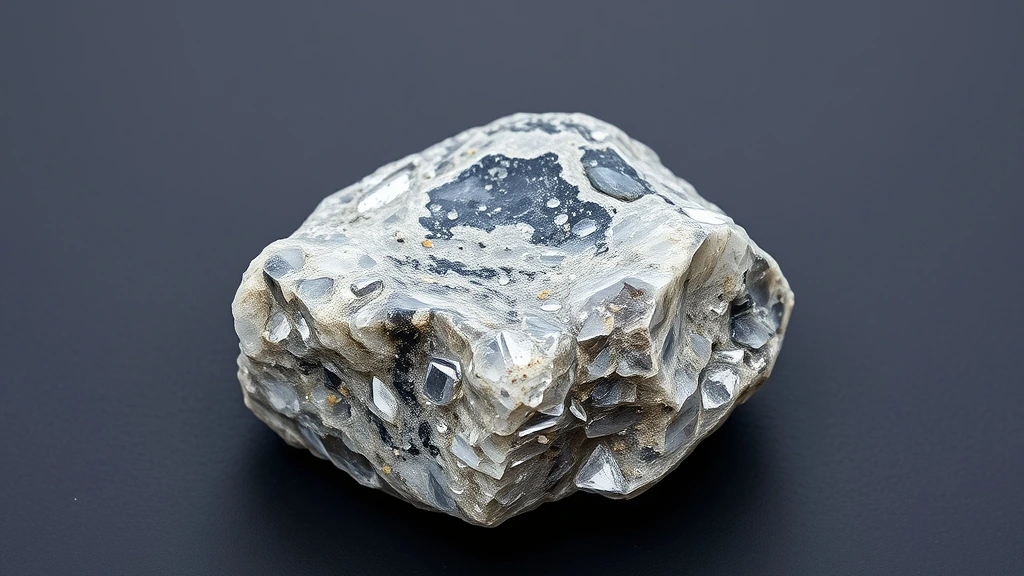
Orthoclase belongs to the vast feldspar group, which forms the majority of Earth’s crust. As a Natural Mineral / Crystal, it crystallizes from cooling magma in igneous rocks. Its geological significance is immense, serving as a key index mineral for determining rock age. Understanding its formation helps geologists reconstruct ancient tectonic environments and volcanic histories.
What is Orthoclase ? Geological Overview & Definition
Orthoclase is a major constituent of granite and other intrusive igneous rocks. It often forms large, well-defined crystals that can be cut into cabochons or faceted stones. The term “orthoclase” derives from its monoclinic crystal habit, distinguishing it from plagioclase feldspars. This mineral is essential for understanding the cooling history of continental crust. While studying the crystalline structures of feldspars, collectors often encounter Amphibole Quartz, a striking variety where dark green hornblende inclusions create a dramatic contrast against the clear quartz matrix.
In gemology, high-quality orthoclase is valued for its clarity and distinctive color. It frequently exhibits schiller or iridescence due to internal structural features. Unlike many other feldspars, it rarely shows strong pleochroism. Its presence in gemstones adds unique optical character and geological depth.
Orthoclase Chemical Composition & Crystallographic Properties
The defining characteristic of orthoclase is its monoclinic crystal system. This structure features a single oblique axis, creating a distinct lattice geometry. The unit cell parameters are precise, allowing for consistent crystal growth. This symmetry is fundamental to its physical and optical properties.
Chemically, it is a tectosilicate with the formula KAlSi₃O₈. Potassium ions occupy specific sites within the silicate framework. Minor substitutions of sodium or iron can occur, altering the color. This cation substitution influences the stone’s stability and appearance.
The mineral is sensitive to strong acids, which can etch its surface. However, it is generally stable under normal jewelry conditions. Its refractive index ranges from 1.518 to 1.525, providing good brilliance. Thermal behavior is stable, with no significant phase changes at room temperature.
Color variations arise from trace impurities or radiation damage. Chromophore centers involving iron or manganese create pink or red hues. These color centers are stable over time. Proper care ensures the longevity of these delicate optical features.
| Property | Specification |
|---|---|
| Mineral Group | Natural Mineral / Crystal |
| Chemical Formula | KAlSi₃ O₈ |
| Mohs Hardness | 6 (defining mineral) |
| Crystal System | Monoclinic |
| Specific Gravity (Density) | 2.55–2.63 |
| Refractive Index | ”n” α = 1.518–1.520 ”n” β = 1.522–1.524 ”n” γ = 1.522–1.525 |
| Color & Optical Properties | Natural Orthoclase Gemstone color spectrum and optical dispersion |
| Primary Mining Localities | Global primary localities |
| Water & Chemical Resistance | High (Safe for gentle water washing) |
| Chakra Alignment (Traditional) | Crown Chakra |
| Zodiac Affinity (Traditional) | Leo, Sagittarius |
| Symbolic Meaning (Traditional) | Spiritual awakening, intuition, and divine connection |
Orthoclase Varieties & Color Spectrum
Moonstone
Moonstone is a variety of orthoclase feldspar prized for its distinctive adularescence, a shimmering optical effect caused by light scattering between alternating layers of albite and orthoclase. This phenomenon creates a soft, blue-white glow that appears to float beneath the stone’s surface, giving it an ethereal quality. High-quality specimens exhibit a clear, glassy body with minimal inclusions, allowing the adularescent sheen to dominate the visual experience.
Sunstone
Sunstone features a golden to orange hue resulting from microscopic inclusions of hematite or goethite within the feldspar matrix. These inclusions create a sparkling effect known as aventurescence, which mimics the appearance of sunlight trapped in the stone. While often associated with labradorite, true sunstone is an orthoclase variety that commands attention for its warm, radiant brilliance.
Ice Quartz
Ice quartz is a translucent, pale blue to white orthoclase that resembles frozen water or clear ice. Its clarity and subtle coloration make it a popular choice for carvings and beads in the lapidary trade. The stone’s delicate appearance is attributed to its low iron content and high purity, distinguishing it from more opaque feldspar varieties.
Red Orthoclase
Red orthoclase derives its color from trace amounts of iron oxide impurities dispersed throughout the crystal structure. This variety often appears in deep crimson or brick-red shades, making it visually striking in polished forms. Its rarity stems from the specific geological conditions required to concentrate these iron-bearing inclusions uniformly.
Green Orthoclase
Green orthoclase is an uncommon variety colored by trace elements such as chromium or nickel within the feldspar lattice. This hue is rarely seen in commercial gemstones, making it a collector’s item for mineral enthusiasts. The green tint is usually subtle, requiring careful lighting to appreciate its full depth and saturation.
Where is Orthoclase Found? Geological Mining & Extraction
Orthoclase primarily forms in granitic pegmatites, where slow cooling allows large, well-formed crystals to develop in coarse-grained veins. These deposits are often associated with alkaline igneous rocks and are found in regions with significant tectonic activity. The host rock environment provides the necessary potassium and aluminum sources for the mineral’s crystallization.
Major mining regions include the United States, Brazil, and India, where large-scale extraction targets both industrial and gem-quality material. In the US, states like Maine and New York are renowned for their pegmatite-hosted feldspar deposits. Brazil contributes significantly to the global supply of high-clarity specimens, while India offers diverse color morphs from its rich geological heritage.
Historical Significance & Cultural Lore of Orthoclase
Ancient civilizations valued orthoclase for its perceived spiritual properties, often associating it with divine connection and spiritual awakening. In Roman times, the stone was believed to bring good luck and protect against evil spirits, leading to its use in amulets and jewelry. Archaeological findings reveal carved feldspar artifacts in Mediterranean sites, indicating its early trade and cultural importance.
In modern esoteric traditions, orthoclase is linked to the Crown Chakra, symbolizing intuition and higher consciousness. This association has driven its popularity in metaphysical practices, where it is used for meditation and energy healing. The stone’s enduring legacy reflects a blend of geological wonder and timeless cultural significance.
Modern Uses & Jewelry Applications of Orthoclase
Lapidaries value orthoclase for its monoclinic crystal structure, which allows for precise facet cutting to maximize brilliance. While rarely found in high-clarity gem quality, it is frequently cut into cabochons to showcase unique optical phenomena or color zoning.
- Faceted Cuts: Standard brilliant and step cuts are used for transparent specimens to enhance light return.
- Cabochons: Smooth, domed cuts highlight adularescence or iridescence in specific varieties like moonstone.
- Ornamental Carving: Large, massive deposits are carved into statues, vases, and architectural elements.
- Industrial Polishing: Due to its Mohs hardness of 6, it serves as a durable material for decorative inlays.
Metaphysical Properties & Traditional Meaning of Orthoclase
According to historical traditions and metaphysical lore, orthoclase is revered as a stone of spiritual awakening and deep intuition. Practitioners believe it facilitates a divine connection by clearing energetic blockages and enhancing higher consciousness.
This mineral is often associated with emotional resonance, helping individuals navigate complex spiritual transitions with clarity. Its energy is described as stabilizing, promoting a sense of peace and alignment with universal truths.
Which Chakra and Zodiac Signs Align with Orthoclase ?
In esoteric practice, orthoclase is primarily aligned with the Crown Chakra, the seventh energy center located at the top of the head. This association supports its role in linking the physical self to higher spiritual dimensions and universal wisdom.
Astrologically, this gemstone resonates strongly with the fire signs Leo and Sagittarius. These signs benefit from orthoclase’s ability to amplify confidence, creativity, and the pursuit of philosophical truth.
How to Identify Real vs. Fake Orthoclase
Distinguishing natural orthoclase from imitations requires careful examination of its physical properties and internal characteristics. Common fakes include synthetic glass, which lacks natural inclusions, and dyed replicas that may show color bleeding at surface fractures.
Practical At-Home Authenticity Tests
- Temperature Test (Thermal Feel): Hold the stone in your palm; genuine orthoclase feels cool to the touch initially, whereas plastic imitations warm up quickly.
- Specific Gravity & Weight Test: Compare the stone to a similar-sized piece of glass; orthoclase has a density of 2.55–2.63, making it slightly heavier than standard glass.
- Scratch & Hardness Test (Mohs Comparison): A steel knife (hardness 5.5) should not scratch the surface, as orthoclase has a Mohs hardness of 6.
- Microscopic & Loupe Inspection (Internal Inclusions): Use a 10x loupe to look for natural fluid inclusions or twin planes, which are absent in synthetic glass.
Orthoclase Valuation Factors, Grading & Pricing
Color Saturation is the primary driver of value in high-grade specimens. Collectors prefer deep, uniform tones that lack zoning or dullness. High optical clarity and a strong vitreous luster further enhance visual appeal significantly.
Specimen Size & Weight directly influences pricing, as large, clean crystals are rare in the market. Precise tumbled polish and natural geometry maximizes light return, while visible matrix or inclusions reduce overall desirability. Flawless stones command premiums over those with noticeable internal fractures.
Geographical Provenance Premium often elevates prices for stones from famous localities like the Alps. Wholesale values remain modest, but retail prices rise sharply for certified, high-quality pieces. Market trends show steady demand for unique, well-formed monoclinic crystals.
How to Clean and Care for Orthoclase
Maintain your gemstone using only warm soapy water and a soft, lint-free cloth. Gently wipe the surface to remove oils and dust without applying excessive pressure. This method preserves the delicate surface finish and prevents accidental scratching.
Strictly avoid ultrasonic cleaners to prevent structural fractures within the crystal lattice. The monoclinic structure can be susceptible to stress from high-frequency vibrations. Always air-dry the stone completely before storing it in a padded jewelry box.
Cleansing and Recharging Orthoclase (Energetic Care)
For energetic maintenance, utilize smoke smudging to clear stagnant energy from the stone. Pass the crystal through the smoke of sage or palo santo for a few minutes. This dry method avoids any risk of moisture damage to the mineral structure.
Alternatively, place the gemstone on a selenite plate under moonlight for recharging. This gentle, dry approach aligns with the stone’s association with spiritual awakening. Ensure the surface is dry before handling to maintain its pristine condition.
Frequently Asked Questions About Orthoclase
Is orthoclase safe to wear in the shower?
Yes, orthoclase is safe for gentle water washing. Its high water resistance allows it to withstand brief exposure to moisture without significant damage. However, prolonged soaking or exposure to harsh chemicals should be avoided to maintain the stone’s luster and structural integrity over time.
Can I clean orthoclase in an ultrasonic cleaner?
No, you should avoid ultrasonic cleaners for this stone. The vibrations can cause structural fractures within the crystal lattice, potentially ruining the gem. Instead, use warm soapy water and a soft cloth for safe, effective cleaning that preserves the mineral’s delicate internal structure.
What is the chemical formula of orthoclase?
The formula is KAlSi₃O₈. This composition identifies it as a potassium-rich feldspar, distinguishing it from other alkali feldspars. Understanding this chemical formula is essential for accurate mineral identification and differentiating it from similar-looking silicate minerals in the field.
Which zodiac signs are aligned with orthoclase?
Leo and Sagittarius are the primary aligned signs. These fire signs resonate with the stone’s energetic properties, enhancing confidence and spiritual insight. Wearing orthoclase can support these individuals in their quest for divine connection and personal empowerment during astrological transits.
Which chakra does orthoclase correspond to?
It corresponds exclusively to the Crown Chakra. This alignment facilitates spiritual awakening and higher consciousness, bridging the physical and spiritual realms. Practitioners use orthoclase to enhance intuition and facilitate a deeper, more profound connection with the universal energy field.
What is the Mohs hardness of orthoclase?
Orthoclase has a hardness of 6. This places it above quartz on the scale, making it moderately durable for jewelry use. However, its monoclinic crystal system includes cleavage planes, meaning it can still chip if struck sharply along specific structural weaknesses.
What is the crystal system of orthoclase?
It crystallizes in the monoclinic system. This structure influences its optical properties, including its specific refractive index values. Recognizing the monoclinic habit helps gemologists distinguish orthoclase from triclinic feldspars like plagioclase, which have different symmetry characteristics.
Is orthoclase a good for daily wear?
It is suitable for occasional or protective wear. While its Mohs hardness of 6 offers decent scratch resistance, the stone’s cleavage makes it vulnerable to impact. It is best reserved for pieces that are not subjected to heavy daily abrasion or accidental knocks.