
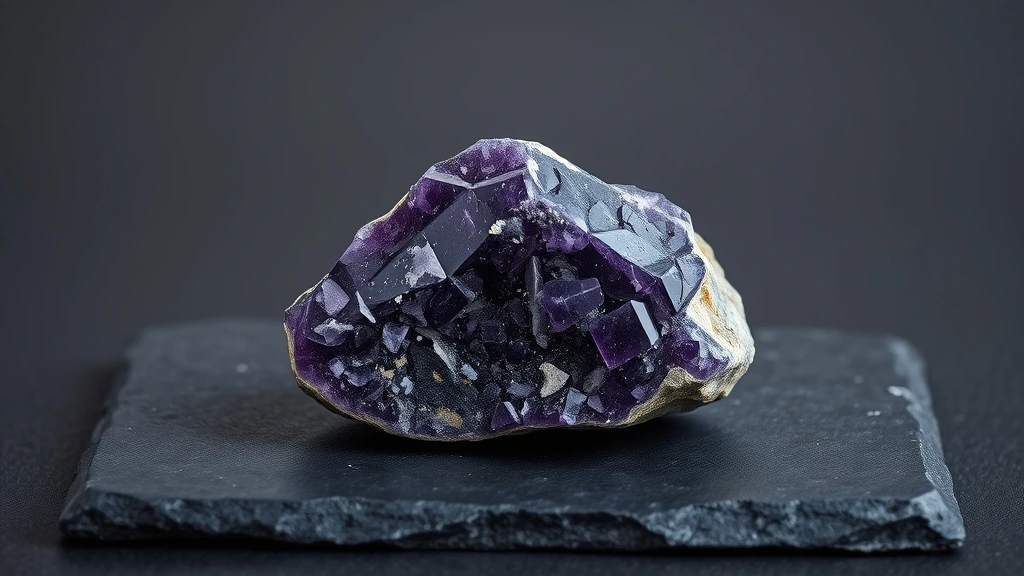
Charoite belongs to the Natural Mineral / Crystal group, representing a distinct geological formation rather than a synthetic compound. This stone forms under specific metamorphic conditions, creating a unique lattice structure that defines its physical properties. Its rarity and distinct coloration make it a subject of intense scientific and gemological interest worldwide.
What is Charoite Gemstone? Geological Overview & Definition
Charoite is primarily found in the Bystrinsky district of Siberia, Russia. It forms in skarn deposits associated with granitic intrusions. This specific geological context is crucial for its formation and rarity.
The mineral is named after the Chara River, where it was first discovered. Its metamorphic origin involves high-pressure conditions that transform precursor minerals. Understanding this origin helps explain its unique structural characteristics.
Charoite Gemstone Chemical Composition & Crystallographic Properties
Charoite crystallizes in the Monoclinic crystal system, featuring a complex lattice structure. Its chemical formula involves potassium, calcium, and aluminum silicates. This specific arrangement dictates its physical behavior and optical properties.
The mineral exhibits cation substitution within its crystal lattice, particularly involving potassium and sodium. This substitution influences its density, which ranges from 2.54 to 2.58. Such variations are critical for accurate identification and grading.
Color in charoite arises from chromophore color centers, specifically manganese ions. These centers absorb specific wavelengths of light, producing the characteristic purple tones. The intensity of color depends on the concentration of these impurities.
Charoite is sensitive to acids, which can degrade its surface over time. Its refractive index ranges from 1.550 to 1.559, indicating moderate light dispersion. Thermal stability is moderate, requiring careful handling during cutting and polishing.
| Property | Specification |
|---|---|
| Mineral Group | Natural Mineral / Crystal |
| Chemical Formula | K₅Ca₈(Si₆O₁₁)₂(SiO₄)(OH)·4H₂O |
| Mohs Hardness | 5 – 6 |
| Crystal System | Monoclinic |
| Specific Gravity (Density) | 2.54 – 2.58 |
| Refractive Index | n α = 1.550 n β = 1.553 n γ = 1.559 |
| Color & Optical Properties | Natural Charoite Gemstone color spectrum and optical dispersion |
| Primary Mining Localities | Global primary localities |
| Water & Chemical Resistance | High (Safe for gentle water washing) |
| Chakra Alignment (Traditional) | Crown Chakra, Third Eye Chakra |
| Zodiac Affinity (Traditional) | Leo, Pisces |
| Symbolic Meaning (Traditional) | Spiritual awakening, emotional transformation, and psychic protection |
Charoite Gemstone Varieties & Color Spectrum
Charoite exhibits a complex chromatic range influenced by trace element substitutions within its complex silicate structure. The visual appeal stems from the interplay of iron and manganese oxides, creating distinct violet and lavender tones. Understanding these variations is crucial for accurate gemological identification and valuation.
Classic Violet Charoite
This primary variety displays the iconic deep purple hue that defines the species in the global market. The color intensity is driven by Fe³⁺ ions substituting for aluminum in the crystal lattice. High-quality specimens often feature a velvety luster due to microscopic fibrous inclusions.
Lavender Mist Charoite
Lighter specimens present a soft, pastel lavender appearance, often preferred for large carved pieces. This morph typically contains higher concentrations of water molecules within the crystal structure. The monoclinic crystal system allows for this delicate color dispersion.
Rose Pink Charoite
Rare pinkish variants arise from specific oxidation states of iron during the final stages of metamorphism. These stones often exhibit a subtle blush tone that contrasts with the standard violet. Such color morphs are significantly rarer and command premium prices among collectors.
Banded Agate Charoite
This variety features distinct banding patterns where charoite interlayers with quartz or other silicate minerals. The banded texture results from fluctuating chemical conditions during hydrothermal deposition. These stones are highly sought after for ornamental carvings and decorative objects.
Black Charoite
Dark, nearly black specimens contain high levels of carbonaceous inclusions or reduced iron species. This rare morph is often mistaken for obsidian or other dark minerals by the untrained eye. Its rarity makes it a significant find for serious mineral collectors.
Where is Charoite Gemstone Found? Geological Mining & Extraction
Charoite is geographically restricted to a single locality in the Verkhoyansk Range of Siberia, Russia. The mineral forms in alkaline syenite intrusions associated with the Chara River region. This unique geological setting ensures that all commercial charoite originates from this specific area.
Extraction occurs primarily through open-pit mining methods near the Chara River basin. The host rocks are complex alkaline igneous formations that require careful handling to preserve gem quality. Strict export controls further limit the global supply of this distinctive purple stone.
Historical Significance & Cultural Lore of Charoite Gemstone
First described in 1978, charoite lacks the deep historical usage found in older gemstones like diamond or ruby. Its discovery in the Soviet Union meant it remained largely unknown to the international gem market for decades. Early specimens were primarily collected by Soviet mineralogists for scientific study.
In recent decades, charoite has gained cultural significance as a “stone of transformation” in metaphysical communities. It is believed to facilitate spiritual awakening and emotional healing, though these claims lack scientific validation. The gemstone’s modern lore is rooted in its striking appearance and rarity.
Modern Uses & Jewelry Applications of Charoite Gemstone
Lapidaries favor charoite for its vibrant purple hues and distinctive fibrous texture, which allows for unique aesthetic expression. Due to its moderate Mohs hardness of 5-6, the stone requires careful handling to prevent chipping during the cutting process. Most high-quality specimens are polished into smooth cabochons to highlight their swirling, hair-like inclusions rather than being faceted.
- Cabochon Cutting: The most common cut, preserving the stone’s natural fibrous luster and color depth.
- Ornamental Carving: Used in sculptural pieces where the stone’s translucency and color zoning create dramatic visual effects.
- Jewelry Settings: Typically set in protective bezels or prongs to shield the softer surface from daily impact.
Metaphysical Properties & Traditional Meaning of Charoite Gemstone
According to historical traditions and metaphysical lore, charoite is revered as a stone of profound spiritual transformation and inner healing. Practitioners believe it facilitates the release of deep-seated emotional trauma, fostering a sense of inner peace and clarity. Its energetic vibration is thought to align the wearer’s consciousness with higher states of awareness and intuition.
The gemstone’s intense purple color is symbolically linked to the third eye chakra, enhancing psychic sensitivity and dream recall. Many users report feeling a calming influence on anxiety, making it a popular choice for meditation and mindfulness practices. This emotional resonance encourages self-compassion and the acceptance of life’s inevitable changes.
Which Chakra and Zodiac Signs Align with Charoite Gemstone?
In esoteric crystal healing, charoite is primarily associated with the Root Chakra and the Heart Chakra. This dual alignment suggests a balance between grounding stability and emotional openness. The Root Chakra connection provides a sense of security, while the Heart Chakra link promotes love and compassion.
Astrologically, this stone resonates strongly with Taurus, Gemini, and Leo. Taurus appreciates its grounding nature, while Gemini values its mental clarity. Leo finds inspiration in its vibrant energy, which supports creative expression and personal confidence.
How to Identify Real vs. Fake Charoite Gemstone
The market for charoite faces challenges from artificial imitations, including synthetic glass and dyed replicas of other minerals. These fakes often mimic the stone’s purple color but lack its unique fibrous structure and natural inclusions. Understanding the physical properties of genuine charoite is essential for distinguishing it from these deceptive alternatives.
Practical At-Home Authenticity Tests
- Temperature Test (Thermal Feel): Genuine charoite feels cool to the touch initially due to its specific gravity of 2.54-2.58. Glass imitations may warm up faster or feel lighter, lacking the dense, cool sensation of natural stone.
- Specific Gravity & Weight Test: Hold the stone in your palm; real charoite has a noticeable heft compared to similarly sized glass or plastic replicas. The density range of 2.54 – 2.58 provides a reliable tactile benchmark for authenticity.
- Scratch & Hardness Test (Mohs Comparison): With a Mohs hardness of 5-6, charoite can scratch glass but may be scratched by quartz. Attempting to scratch a steel nail (hardness 4) should leave no mark, confirming its relative durability.
- Microscopic & Loupe Inspection (Internal Inclusions): Use a 10x loupe to examine the surface; genuine charoite displays a distinct fibrous or hair-like texture. Glass imitations often contain bubble inclusions or a uniform, glassy luster without natural mineral patterns.
Charoite Gemstone Valuation Factors, Grading & Pricing
The primary driver of value is Color Saturation, specifically the intensity of the violet-purple hue. Uniformity across the stone’s surface significantly enhances its visual appeal and market desirability. High-grade specimens exhibit a distinct vitreous luster, which amplifies the stone’s inherent optical clarity.
Carat Weight directly influences pricing, as larger, inclusion-free pieces are exceedingly rare. Facet symmetry is critical for maximizing light return and preserving the stone’s structural integrity during cutting. The presence of white quartz matrix or other inclusions typically reduces the overall valuation.
Geographical Provenance Premium applies to stones sourced from the primary deposit in Sakha, Russia. Wholesale prices vary based on cut quality, while retail values reflect brand markup. Market trends show steady appreciation for high-quality, large-carat cabochons and faceted gems.
How to Clean and Care for Charoite Gemstone
Always use warm soapy water and a soft, lint-free cloth for routine maintenance. Gently wipe the surface to remove oils and dust without applying excessive pressure. This method effectively preserves the stone’s delicate fibrous structure and vibrant color.
Strictly avoid ultrasonic cleaners and steam cleaners, as they can cause structural fractures. Charoite’s monoclinic crystal system makes it susceptible to vibration-induced damage. Never soak the gemstone in water for prolonged periods to prevent potential degradation.
Cleansing and Recharging Charoite Gemstone (Energetic Care)
For energetic cleansing, utilize smoke smudging with sage or palo santo to clear stagnant energy. This dry method avoids any contact with moisture, ensuring the mineral’s physical stability. Allow the stone to rest in a quiet space for several hours.
To recharge, place the gemstone on a selenite plate or expose it to moonlight overnight. These methods align with the stone’s metaphysical properties without risking chemical solubility issues. Always handle the charoite with care to maintain its aesthetic and energetic integrity.
Frequently Asked Questions About Charoite Gemstone
Is charoite safe to wear in the shower?
No, you should avoid prolonged exposure to water. Charoite is sensitive to moisture and can suffer structural damage if soaked for extended periods. It is best removed before showering, swimming, or bathing to preserve its integrity.
Can I clean charoite in an ultrasonic cleaner?
Absolutely not, as ultrasonic vibrations can cause fractures. The stone’s delicate fibrous structure is vulnerable to high-frequency sound waves that may weaken its internal bonds. Instead, use warm soapy water and a soft cloth for gentle, safe cleaning.
Which zodiac signs are compatible with charoite?
Charoite is primarily aligned with Taurus, Gemini, and Leo. These signs are believed to resonate with the stone’s unique energy and vibrant purple hues. Wearing it may enhance personal traits associated with these specific astrological placements.
What chakras does charoite activate?
It primarily stimulates the Crown Chakra, Third Eye Chakra. This dual activation helps ground the wearer while simultaneously opening emotional centers for deeper spiritual connection. It bridges physical stability with emotional healing in holistic practices.
How hard is charoite on the Mohs scale?
Charoite rates between 5 and 6 on the Mohs hardness scale. This moderate hardness makes it susceptible to scratching from harder minerals like quartz or topaz. Careful handling is required to maintain its polished surface and prevent abrasion.
What is the chemical composition of charoite?
It is a complex silicate mineral with the formula K(Ca,Na)₂(Al,Fe)₄Si₈O₂₂(OH)₂. This composition includes potassium, calcium, sodium, aluminum, and iron within its crystal lattice. Understanding this chemistry helps explain its distinctive purple coloration and physical properties.
What crystal system does charoite belong to?
Charoite crystallizes in the Monoclinic system. This structure contributes to its characteristic fibrous or massive habit rather than distinct geometric crystals. The monoclinic arrangement influences how light interacts with the stone’s internal structure.
What is the refractive index of charoite?
Its refractive index ranges from 1.550 to 1.559. This optical property determines how much light bends as it enters the stone. It contributes to the gem’s characteristic luster and subtle internal light play.