
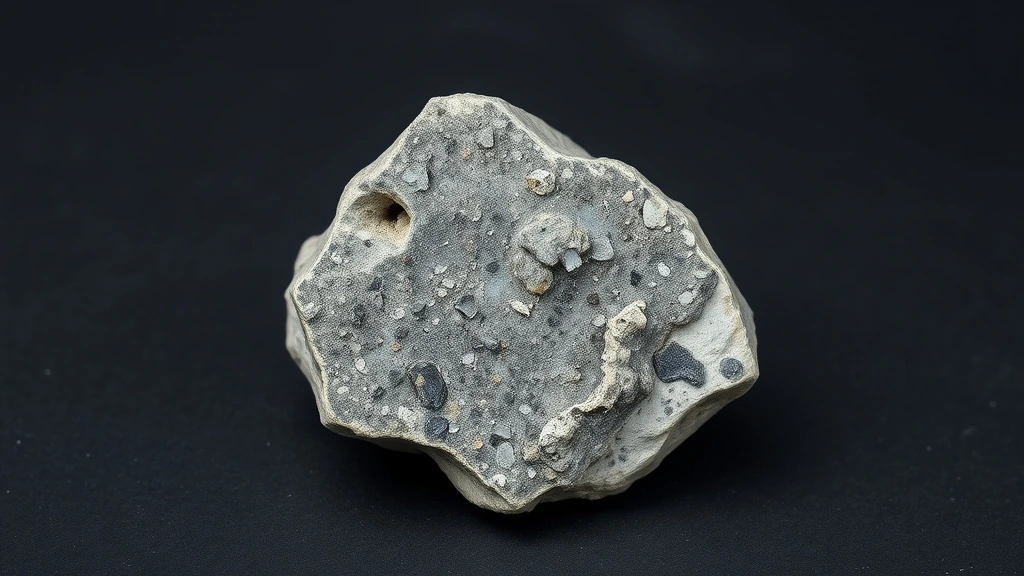
Chert belongs to the broad quartz family, serving as a critical member of the natural mineral and crystal groups. Unlike macrocrystalline quartz, it forms through the precipitation of silica in fine-grained sedimentary environments. This geological process creates a dense, interlocking matrix that defines its unique physical properties. Consequently, it stands as a fundamental component in understanding silicate mineralogy and earth sciences.
What is Chert? Geological Overview & Definition
Chert is defined as a sedimentary rock composed of microcrystalline or cryptocrystalline quartz. It typically forms from the accumulation of skeletal remains of marine organisms, such as diatoms and radiolarians. These biological silicates undergo lithification, creating a hard, conchoidal fracture surface that distinguishes it from other silicates.
The term encompasses various subtypes, including flint, jasper, and chalcedony, depending on impurity content. Geologists classify it based on its cryptocrystalline texture, where individual crystals are too small to be seen without magnification. This fine-grained nature contributes to its high fracture toughness and resistance to weathering.
Chert Chemical Composition & Crystallographic Properties
The fundamental building block of chert is silicon dioxide (SiO₂), arranged in a trigonal crystal system. While macroscopic chert appears amorphous, its microscopic structure consists of tiny quartz crystals. These crystals align in a hexagonal lattice, characteristic of the trigonal subclass of the hexagonal crystal family. This structural arrangement ensures high stability and uniform physical properties throughout the stone.
Color variations arise from trace chromophore elements and structural defects within the silica lattice. Iron oxides often produce red or yellow hues, while manganese can create purple tones. These impurities substitute for silicon or occupy interstitial sites, altering the optical absorption spectrum. The specific distribution of these cations determines the final gemological color.
Chert exhibits remarkable thermal stability and resistance to chemical weathering. It does not react significantly with dilute acids, maintaining its structural integrity under most environmental conditions. This acid insensitivity makes it ideal for long-term preservation in archaeological contexts. Its low thermal expansion also prevents cracking during rapid temperature changes.
The microcrystalline aggregate nature means chert lacks a single, large crystal lattice. Instead, it functions as a polycrystalline material with numerous grain boundaries. This structure enhances its mechanical strength and allows for the characteristic conchoidal fracture seen in tool-making. Understanding this aggregate composition is vital for accurate gemological identification.
| Property | Specification |
|---|---|
| Mineral Group | Natural Mineral / Crystal |
| Chemical Formula | SiO₂ |
| Mohs Hardness | 6.5 – 7.0 |
| Crystal System | Trigonal |
| Specific Gravity (Density) | 2.60 – 2.65 |
| Refractive Index | 1.530 – 1.543 |
| Color & Optical Properties | Natural Chert color spectrum and optical dispersion |
| Primary Mining Localities | Global primary localities |
| Water & Chemical Resistance | High (Safe for gentle water washing) |
| Chakra Alignment (Traditional) | Sacral Chakra (Svadhishthana) |
| Zodiac Affinity (Traditional) | Cancer, Pisces |
| Symbolic Meaning (Traditional) | Clear communication, truth and serenity |
Chert Varieties & Color Spectrum
Chert displays distinct mineralogical characteristics across its geological varieties and structural habits. Gemologists evaluate these natural varieties based on crystal habit, trace chromophore concentrations, and visual luster.
Primary Natural Chert
The benchmark natural variety exhibiting diagnostic color saturation and classic crystallographic symmetry.
Distinct Geological Morphs of Chert
Secondary regional and structural varieties formed under localized geological temperature and pressure conditions.
Flint
Flint is the most common chert variety, forming in sedimentary basins as a silica replacement of limestone or chalk. Its fine-grained, opaque black to dark gray appearance hides microscopic silica inclusions that give it a subtle speckled sheen. Flint was prized for its hardness (6.5–7.0 on the Mohs scale) and sharp fracture, making it ideal for early tools and ceremonial blades. Its ubiquity across Europe and North America renders it the archetypal chert, yet its fine grain makes it highly sought after by lapidaries for detailed carving.
Jasper
Jasper is a colorful chert variant rich in iron oxides and manganese, producing hues from deep reds to bright yellows and earthy browns. It crystallizes in sedimentary layers where volcanic ash and organic matter mingle, trapping mineral inclusions that create a mottled or banded pattern. Jasper’s dense, opaque texture and vibrant color make it a favorite in ornamental jewelry and decorative panels. Though widespread, the most prized specimens—such as the *Burgundy Jasper* of the American Midwest—are rare due to their intense coloration and fine grain.
Agate
Agate is a banded chert formed within cavities of volcanic rocks, where silica-rich fluids precipitate concentric layers over thousands of years. The resulting cross‑banding ranges from subtle whites and grays to vivid blues, greens, and reds, often with a translucent quality. Agate’s layered structure is prized for its visual depth and is frequently used in carved cabochons and inlay work. While agate is abundant worldwide, the *Blue Agate* of the Philippines and the *Red Agate* of the United States are particularly valued for their striking banding.
Onyx
Onyx is a black chert with alternating black and white or gray bands, formed by the deposition of silica in limestone caves or volcanic conduits. Its striking contrast is due to the inclusion of iron‑rich layers interleaved with pure quartz. Onyx’s smooth, polished surface and deep black color have made it a symbol of strength and protection in many cultures. Although onyx is common, the *White‑Onyx* of the United Kingdom and the *Black‑Onyx* of the United States are prized for their uniform banding and clarity.
Beryl‑Chert (Beryl‑Chert)
Beryl‑Chert is a rare, translucent chert variant that contains microscopic beryl inclusions, giving it a subtle greenish tint. It forms in siliceous sedimentary environments where beryl crystals become trapped during silica replacement. The presence of beryl inclusions imparts a unique sparkle, making Beryl‑Chert highly sought after by collectors. Its scarcity and delicate coloration make it one of the most prized chert varieties in the gem market.
Fossilized Chert (Microfossil Chert)
Microfossil chert preserves microscopic fossils of algae, foraminifera, and diatoms within a silica matrix. These inclusions create a textured appearance, often visible under magnification, and are prized for their scientific and aesthetic value. The chert forms in shallow marine settings where silica-rich waters precipitate around organic remains. Though less common in jewelry, fossilized chert is highly valued by paleontologists and collectors for its detailed fossil record.
Where is Chert Found? Geological Mining & Extraction
Chert is typically hosted in sedimentary formations such as chalk, limestone, and dolomite, where silica replaces carbonate minerals through diagenesis. It also occurs in volcanic tuffs and ash beds, where silica-rich fluids precipitate within cavities, forming agate and onyx. Major extraction sites include the Cretaceous chalk of the United Kingdom, the limestone quarries of the United States (e.g., the Ohio and Kentucky regions), and the volcanic deposits of the Philippines and the United States’ Sierra Nevada. Mining operations focus on surface quarrying and selective extraction of high‑quality specimens for both industrial and ornamental use.
Historical Significance & Cultural Lore of Chert
Across ancient lapidary traditions, chert was indispensable for crafting sharp tools, arrowheads, and ceremonial blades, as evidenced by the widespread distribution of flint artifacts in Paleolithic Europe and the Americas. In ancient Egypt, chert was used for making fine-pointed knives and in the production of the famed Egyptian flint blades that adorned tombs, while Chinese artisans employed chert for intricate jade‑like carvings. The chert’s association with clear communication and truth appears in Vedic texts, where it was believed to enhance honesty and serenity. These enduring uses underscore chert’s role as a versatile material bridging practical technology and symbolic meaning throughout human history.
Modern Uses & Jewelry Applications of Chert
Chert serves as a versatile material in contemporary lapidary arts, prized for its durability and diverse coloration. Artisans frequently cut these stones into cabochons to showcase their smooth, waxy luster and intricate banding patterns. Faceted cuts are less common but effective for displaying the stone’s subtle internal translucency and vibrant hues.
- Ornamental Carvings: Skilled carvers utilize chert for detailed intaglio work, creating pendants, beads, and decorative inlays.
- Architectural Accents: Polished slabs are used in flooring and wall cladding to add natural texture and earthy tones.
- Collector Specimens: High-quality, banded varieties are displayed as geologic curiosities in mineral collections and museums.
Metaphysical Properties & Traditional Meaning of Chert
According to historical traditions and metaphysical lore, chert is revered for its grounding energy and protective qualities. Ancient Mediterranean and Vedic texts often associated siliceous stones with clarity of mind and the ability to filter out negative influences. Practitioners believe this mineral fosters a sense of truth and serenity, helping the wearer maintain emotional balance during turbulent times.
In broader lapidary lore, chert is viewed as a stone of communication, encouraging honest expression and deep listening. It is said to resonate with the sacral chakra, enhancing creative flow and emotional stability. This alignment supports the belief that chert helps individuals navigate complex social dynamics with grace and authenticity.
Which Chakra and Zodiac Signs Align with Chert?
Chert is canonically aligned with the Sacral Chakra (Svadhishthana), which governs creativity, emotions, and personal power. This energetic connection suggests that the stone aids in balancing the sacral center, promoting fluidity in emotional expression. By stabilizing this chakra, chert is believed to enhance one’s ability to connect with others on a deeper, more intuitive level.
Astrologically, chert resonates strongly with the water signs Cancer and Pisces. These signs are known for their sensitivity and emotional depth, making them ideal candidates for this grounding stone. The mineral’s protective nature is thought to shield these sensitive individuals from emotional overwhelm while amplifying their innate intuition.
How to Identify Real vs. Fake Chert
Distinguishing genuine chert from artificial imitations requires attention to subtle physical characteristics. Common fakes include synthetic glass, dyed quartz, and plastic replicas designed to mimic the stone’s appearance. While high-quality imitations can be convincing, they often lack the natural inclusions and specific optical properties of authentic chert.
Practical At-Home Authenticity Tests
- Temperature Test (Thermal Feel): Genuine chert feels cool to the touch initially and warms up slowly. In contrast, plastic imitations tend to feel warm or neutral immediately upon contact with skin.
- Specific Gravity & Weight Test: Real chert has a specific gravity of approximately 2.6, making it feel heavier than its size suggests. Plastic or glass substitutes often feel noticeably lighter or have a different density profile.
- Scratch & Hardness Test (Mohs Comparison): With a Mohs hardness of 6.5 to 7.0, chert can scratch glass but will not be scratched by a steel knife. If the stone is easily scratched by a knife, it is likely a softer imitation.
- Microscopic & Loupe Inspection (Internal Inclusions): Using a 10x loupe, look for natural internal inclusions such as tiny bubbles, cracks, or mineral flecks. Synthetic glass often contains swirl marks or perfectly round bubbles, while plastic may show mold lines or uniform color distribution.
Chert Valuation Factors, Grading & Pricing
The market first assesses color saturation, noting the depth of earthy reds, browns, or grays that characterize high‑grade chert. Specimens with vivid, uniform hues and a natural, subtle sheen command premium prices, as collectors prize visual vibrancy that hints at the stone’s geological history. Energetic luster, observed under angled light, further enhances perceived value in both decorative and metaphysical circles.
Next, crystal size & weight (grams) dominate pricing, with larger, denser blocks offering greater material for carving or architectural use. Raw chert fetched at quarry sites is priced lower than tumbled, polished pieces that display a smooth, glassy finish, because polishing removes surface irregularities and reveals the stone’s innate translucence. Natural matrix inclusions such as fossil fragments or chalcedony veins can either add intrigue or reduce value, depending on collector preference for purity versus character.
Finally, ethical sourcing & locality premium influences modern valuation, especially among collectors who emphasize sustainable extraction. Chert sourced from historically documented sites in the Midwest United States or the ancient flint fields of France often carries a regional premium, reflecting both provenance and responsible mining practices. Holistic markets also reward stones that are certified free of environmentally harmful processing, linking ethical considerations directly to price.
How to Clean and Care for Chert
Cleaning chert is straightforward: gently wash the stone in warm soapy water, using a soft cloth to remove surface dust without abrading the surface. Rinse briefly with clean water and pat dry with a lint‑free microfiber towel, ensuring no moisture remains in any micro‑fractures. Avoid ultrasonic cleaners, as the rapid vibrations can induce micro‑cracks in the silica matrix, compromising structural integrity. Store the cleaned specimen in a stable, low‑humidity environment to maintain its natural luster over time.
Cleansing and Recharging Chert (Energetic Care)
For holistic maintenance, place the chert in a gentle stream of herbal smudge smoke, allowing the aromatic vapors to clear stagnant energy without exposing the stone to heat. Follow the smudging with a brief period of moonlight exposure, ideally during a waning or full moon, to replenish subtle vibrational fields while the stone remains cool and dry.
Alternatively, rest the chert on a selenite charging slab for several hours, letting the pure selenite lattice transmit a calming resonance that aligns with the stone’s clear communication qualities. This dry method respects the mineral’s structural stability and supports its metaphysical attributes without risking thermal damage.
Frequently Asked Questions About Chert
Chert displays distinct mineralogical characteristics across its geological varieties and structural habits. Gemologists evaluate these natural varieties based on crystal habit, trace chromophore concentrations, and visual luster.
Primary Natural Chert
The benchmark natural variety exhibiting diagnostic color saturation and classic crystallographic symmetry.
Distinct Geological Morphs of Chert
Secondary regional and structural varieties formed under localized geological temperature and pressure conditions.
What is chert and how does it form?
Chert is a microcrystalline form of silica (SiO₂) that crystallizes in a trigonal system. It typically forms through the replacement of limestone or dolomite by silica in marine or lacustrine settings, producing fine-grained, often opaque or translucent stones that have been prized for toolmaking and ornamental use since prehistoric times.
Is chert safe to wear in the shower or during everyday washing?
Yes, chert is highly water‑resistant and can be gently washed with water. A light rinse or mild soap solution will not damage its structure, making it suitable for everyday wear. However, avoid harsh scrubbing or abrasive materials that could chip its surface.
How should I clean a chert to preserve its integrity?
Clean chert with warm soapy water and a soft cloth, then dry it with a lint‑free towel. Avoid ultrasonic cleaners, as the vibration can induce microfractures. Gentle cleaning preserves the stone’s natural luster and prevents surface wear.
Can I use ultrasonic cleaners on chert jewelry?
No, ultrasonic cleaners should be avoided for chert. The high‑frequency vibrations can cause subtle fractures or surface damage, compromising the stone’s structural integrity and aesthetic appeal.
Which zodiac signs are associated with chert?
Chert aligns with the zodiac signs Cancer and Pisces. In astrological traditions, these signs are believed to resonate with the stone’s calming and communicative properties, enhancing emotional balance and intuitive insight.
Which chakra does chert correspond to in metaphysical practices?
Chert is linked exclusively to the Sacral Chakra (Svadhishthana). This association emphasizes the stone’s role in fostering clear communication, emotional honesty, and serene expression, supporting the flow of creative energy.
Does chert have any notable historical or cultural significance?
Chert has been used by ancient cultures worldwide, from Mesolithic toolmakers to Roman lapidary artisans. Its durability and fine grain made it ideal for crafting blades, arrowheads, and decorative items, reflecting its enduring value across diverse civilizations.
What are the key physical properties of chert that affect its use in jewelry?
Chert typically has a Mohs hardness of 6.5–7.0 and a trigonal crystal system. These characteristics give it moderate hardness and a distinctive crystalline texture, allowing it to be polished to a high sheen while remaining resistant to everyday wear.