
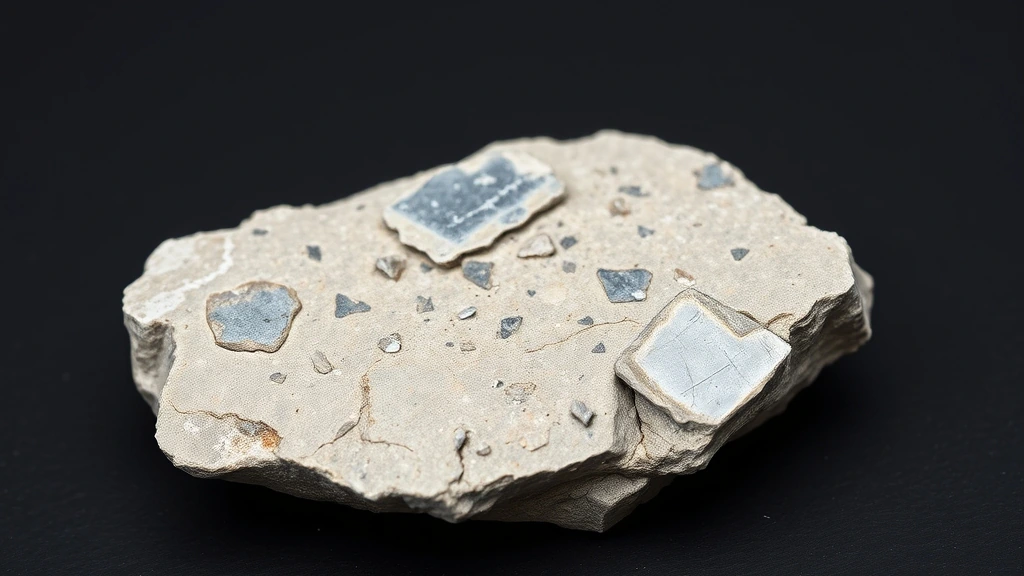
Flint belongs to the natural mineral group classified as a cryptocrystalline quartz—a micro‑granular aggregate of silica crystals too fine to be seen without magnification. Its formation occurs in sedimentary environments where silica‑rich solutions precipitate within chalk or limestone, producing a dense, glassy rock. Though often termed a “stone,” flint’s mineralogical identity is rooted in the trigonal crystal system of its quartz constituents, giving it the same lattice parameters as pure SiO₂.
What is Flint? Geological Overview & Definition
Flint is an authentic cryptocrystalline quartz, formed as nodules or layers within marine sedimentary deposits such as chalk and marl. The rapid precipitation of silica from groundwater creates a tightly packed mass of intergrown quartz crystals, yielding a conchoidal fracture that ancient toolmakers prized for knapping.
Across early archaeological records, flint served both functional and symbolic roles, from prehistoric spearheads to ceremonial amulets. Its ability to produce sharp edges and its dark, lustrous appearance linked it to grounding and protection in many cultural traditions, reinforcing its status as a material of ancestral wisdom.
Flint Chemical Composition & Crystallographic Properties
The primary chemical composition of flint is silicon dioxide (SiO₂), identical to that of macro‑crystalline quartz. Its trigonal crystal system manifests in a hexagonal lattice where each silicon atom is tetrahedrally coordinated to four oxygen atoms, forming a continuous three‑dimensional network.
Because flint is an aggregate of microscopic quartz grains, cation substitution is minimal; trace amounts of iron, manganese, or organic carbon can occupy interstitial sites, creating color centers that impart gray, brown, or green hues. These chromophores absorb specific wavelengths, producing the stone’s characteristic dark tone.
Flint is highly acid‑sensitive; exposure to strong acids can dissolve the silica framework, leaving a porous residue. Conversely, it remains stable under most neutral to mildly alkaline conditions, a property that contributed to its longevity in archaeological contexts.
Thermally, flint exhibits low expansion and retains structural integrity up to about 573 °C, the quartz α‑β transition temperature. Beyond this point, the lattice reorganizes, and the material may fracture or develop a milky appearance due to the formation of micro‑cracks.
| Property | Specification |
|---|---|
| Mineral Group | Natural Mineral / Crystal |
| Chemical Formula | SiO₂ |
| Mohs Hardness | 6.5 – 7.0 |
| Crystal System | Trigonal |
| Specific Gravity (Density) | 2.60 – 2.65 |
| Refractive Index | 1.530 – 1.543 |
| Color & Optical Properties | Natural Flint color spectrum and optical dispersion |
| Primary Mining Localities | Global primary localities |
| Water & Chemical Resistance | High (Safe for gentle water washing) |
| Chakra Alignment (Traditional) | Root Chakra |
| Zodiac Affinity (Traditional) | Taurus, Virgo, Capricorn |
| Symbolic Meaning (Traditional) | Grounding, protection, and ancestral wisdom |
Flint Varieties & Color Spectrum
Flint exhibits a diverse range of color morphs driven by trace mineral impurities within its cryptocrystalline silica matrix. The most common hues include deep blacks, rich browns, and distinct greens, each reflecting specific geological conditions during diagenesis. Collectors often categorize these stones based on their luster and the presence of conchoidal fracture patterns that reveal internal structure.
Black Flint
Black flint derives its intense coloration from high concentrations of organic carbon and iron oxides trapped during sedimentation. This variety is prized for its uniform dark appearance and exceptional conchoidal fracture quality, which allows for precise knapping. It is frequently found in chalk bedstones, particularly in the UK and France, where it forms dense nodules.
Green Flint
Green flint, often referred to as chert in broader geological contexts, owes its hue to microscopic inclusions of chlorite or other greenish silicates. This variety displays a glassy luster and is highly valued for its translucency when cut thin. It is commonly associated with limestone deposits in regions like the Rhine Valley and parts of the American Midwest.
Brown Flint
Brown flint typically results from the oxidation of iron-bearing minerals, creating a warm, earthy tone that varies from tan to deep umber. These stones often contain pyrite inclusions that add a metallic sparkle to the surface. Brown flint is abundant in Cretaceous chalk formations and has been a primary material for prehistoric tool-making due to its availability.
White Flint
White flint is a rarer variety characterized by a lack of significant iron impurities, resulting in a pale, chalky appearance. It often exhibits a waxy luster and can be semi-translucent, distinguishing it from darker counterparts. This variety is found in specific limestone outcrops and is sometimes mistaken for quartz due to its brightness and clarity.
Mottled Flint
Mottled flint features irregular patches of varying colors, often combining black, brown, and white zones within a single nodule. This pattern arises from fluctuating chemical conditions during the diagenetic process of silica precipitation. Such stones are highly sought after by lapidaries for their unique, marbled aesthetic appeal in polished jewelry.
Where is Flint Found? Geological Mining & Extraction
Flint primarily occurs as nodules within Cretaceous chalk and limestone formations, where silica-rich organisms precipitated over millions of years. These deposits are widespread across Europe, North America, and parts of Asia, forming extensive bedrock layers that are easily accessible. The host rocks provide a stable matrix that protects the flint from weathering and erosion over geological time.
Extraction methods vary from surface collection of weathered nodules to deep mining in industrial settings. Major historical sources include the Selsey Bill cliffs in England and the Vosges region in France, where flint was quarried for both tool-making and flintlock mechanisms. Modern extraction focuses on high-quality nodules with minimal inclusions, ensuring optimal fracture mechanics for specialized applications.
Historical Significance & Cultural Lore of Flint
Flint served as the foundational material for Paleolithic stone tools, including hand axes, spear points, and arrowheads that defined early human technological advancement. Archaeological sites across the globe, from the Nile Valley to the Yangtze River, reveal extensive caches of knapped flint used for hunting and processing. Its ability to produce sharp, durable edges made it indispensable for survival in prehistoric societies worldwide.
In later historical periods, flint was integral to the development of the flintlock mechanism, revolutionizing firearms technology in the 17th and 18th centuries. Ancient civilizations, including the Egyptians and Romans, also valued flint for its pyrotechnic properties, using it to create sparks for fire-starting. This enduring utility cemented flint’s status as a critical resource in both prehistoric and early modern technological evolution.
Modern Uses & Jewelry Applications of Flint
Flint’s fine-grained, conchoidal fracture makes it a favored material for intricate lapidary work, allowing artisans to achieve smooth cabochon surfaces or precise faceted cuts. Its natural translucency and subtle luster lend a rustic elegance to rings, pendants, and earrings, while its durability supports ornamental carving for beads, intaglios, and decorative plaques. Contemporary designers often pair flint with silver or gold to highlight its earthy character.
- Cabochon pendants showcasing polished, matte finishes
- Faceted rings emphasizing light play on the trigonal crystal structure
- Carved beads and intaglios for heritage‑style jewelry
- Ornamental plaques and wall hangings for interior décor
Metaphysical Properties & Traditional Meaning of Flint
According to historical traditions and metaphysical lore, flint is revered for its grounding energy, believed to anchor the wearer to the physical world and protect against negative influences. Across ancient Mediterranean and Vedic lapidary traditions, the stone is associated with ancestral wisdom, encouraging clarity of thought and decisive action. Its sharp, resilient nature is thought to foster emotional fortitude, helping individuals confront fear and cultivate inner strength.
Which Chakra and Zodiac Signs Align with Flint?
Flint is linked to the Root Chakra, the energy center governing stability, survival instincts, and connection to the Earth. In practices that balance chakric flow, flint is used to reinforce grounding, promote physical vitality, and support a sense of safety.
Astrologically, flint resonates with the fixed earth signs Taurus, Virgo, and Capricorn. These signs share qualities of practicality, perseverance, and a methodical approach to life, mirroring flint’s durable and steadfast character. Wearing flint is said to amplify these traits, aiding focus and disciplined progress.
How to Identify Real vs. Fake Flint
Artificial imitations of flint include high‑clarity glass, synthetic silica, and dyed stone composites that mimic its texture but lack the natural conchoidal fracture and specific gravity. Synthetic glass often exhibits a uniform, bubble‑free surface, while dyed replicas may display uneven coloration that fades under prolonged light exposure. Recognizing these differences is essential for collectors and jewelers seeking authentic material.
Practical At-Home Authenticity Tests
- Temperature Test (Thermal Feel): Real flint feels cool to the touch and retains its temperature longer than glass, which quickly warms to skin temperature.
- Specific Gravity & Weight Test: Flint’s density (2.60‑2.65 g/cm³) makes it noticeably heavier than glass of similar size; a simple water displacement test can confirm the expected specific gravity.
- Scratch & Hardness Test (Mohs Comparison): Using a steel file (hardness ~6.5) will leave a faint mark on flint but not on harder glass; conversely, a copper coin (hardness ~3) will not scratch genuine flint.
- Microscopic & Loupe Inspection (Internal Inclusions): Under 10× magnification, authentic flint shows microscopic conchoidal fracture patterns and occasional micro‑fractures, whereas glass appears uniformly smooth with possible bubble inclusions.
Flint Valuation Factors, Grading & Pricing
The market first gauges color saturation, noting the depth of gray to black tones and any subtle brown or green hues that may appear from iron oxide inclusions. A vivid, uniform hue enhances visual vibrancy and is prized for its natural energetic luster, which collectors associate with stronger grounding properties. Specimens displaying a glossy, glassy surface without dull patches command higher premiums in both decorative and metaphysical circles.
Next, crystal size & weight (grams) dominate pricing, as larger, dense nodules weigh more and offer greater tactile presence. Raw flint fetched from riverbeds is valued differently from tumbled, polished pieces, with the latter gaining a modest uplift for smooth finish and reduced handling risk. Natural matrix inclusions such as quartz or chalcedony can either raise value for their rarity or lower it if they disrupt the stone’s structural integrity.
Finally, ethical sourcing & locality premium influences collector demand, especially when flint originates from historically significant sites like the British Chalk Downs or the ancient flint workshops of the Levant. Provenance documentation that confirms sustainable extraction and fair labor practices adds a moral premium, appealing to buyers who prioritize responsible acquisition. Regional rarity, such as flint from the Cretaceous deposits of France, can further elevate price due to limited supply and cultural heritage appeal.
How to Clean and Care for Flint
Cleaning flint is straightforward: gently wash the stone in warm soapy water using a soft cloth, then rinse lightly and pat dry with a clean microfiber towel. This method removes surface dust without compromising the stone’s micro‑fracture resistance. Avoid ultrasonic cleaners, as the high‑frequency vibrations can induce structural fractures in the brittle siliceous matrix. Store the cleaned piece in a dry, temperature‑stable environment to preserve its natural luster and energetic qualities.
Cleansing and Recharging Flint (Energetic Care)
For holistic maintenance, place the flint on a clean selenite charging slab and allow it to rest under gentle moonlight for several hours, letting lunar energy replenish its grounding vibrations. This dry method respects the stone’s crystalline integrity while aligning it with traditional practices of nocturnal renewal.
Alternatively, perform a brief herbal smudging ritual using sage or cedar, passing the flint through the rising smoke without direct flame contact. The aromatic vapor clears residual energetic stagnation and re‑energizes the stone, supporting its reputed protective and ancestral wisdom attributes.
Frequently Asked Questions About Flint
Flint displays distinct mineralogical characteristics across its geological varieties and structural habits. Gemologists evaluate these natural varieties based on crystal habit, trace chromophore concentrations, and visual luster.
Primary Natural Flint
The benchmark natural variety exhibiting diagnostic color saturation and classic crystallographic symmetry.
Distinct Geological Morphs of Flint
Secondary regional and structural varieties formed under localized geological temperature and pressure conditions.
Is flint safe to wear in the shower?
Yes, flint is highly water-resistant and safe for gentle exposure. As a variety of microcrystalline quartz, it does not dissolve or degrade when wet. However, prolonged soaking may loosen porous inclusions over time. Rinse and dry the stone immediately after showering to maintain its luster and structural integrity.
How should I clean my flint jewelry?
Use warm soapy water and a soft cloth for safe cleaning. Gently scrub the surface to remove oils and dirt without scratching the stone. Avoid harsh chemicals or abrasive pads that could damage the polished finish. Dry thoroughly with a lint-free towel to prevent water spots.
Can I put flint in an ultrasonic cleaner?
No, you should avoid ultrasonic cleaners for flint. The high-frequency vibrations can exploit natural micro-fractures within the stone, leading to structural failure. Stick to manual cleaning with mild soap and water. This gentle approach preserves the gem’s internal stability and surface quality.
Which zodiac signs are compatible with flint?
Flint is traditionally aligned with Taurus, Virgo, and Capricorn. These earth signs resonate with the stone’s grounding and stabilizing properties. Wearing flint may enhance their natural connection to practicality and resilience. This association stems from historical lapidary practices linking earth elements to these constellations.
What chakra is flint associated with?
Flint is primarily linked to the Root Chakra. This energy center governs feelings of security, stability, and physical grounding. The stone’s dense, earthy nature supports balance in this area. It helps anchor spiritual energy to the physical body during meditation or daily wear.
How hard is flint on the Mohs scale?
Flint rates between 6.5 and 7.0 on the Mohs hardness scale. This makes it durable enough for everyday jewelry use. It resists scratches from common materials like steel or glass. However, it can still be scratched by harder minerals like topaz or diamond.
What is the chemical composition of flint?
Flint is composed primarily of silicon dioxide, or SiO₂. It forms as a microcrystalline variety of quartz with very small grain sizes. This dense structure gives it a conchoidal fracture pattern. The lack of large crystals contributes to its characteristic sharpness when broken.
Does flint have a specific crystal system?
Flint belongs to the trigonal crystal system. This classification reflects its underlying quartz structure, though individual crystals are often too small to see. The arrangement of silicon and oxygen atoms creates this specific geometric pattern. Understanding this helps gemologists identify its optical and physical properties accurately.