
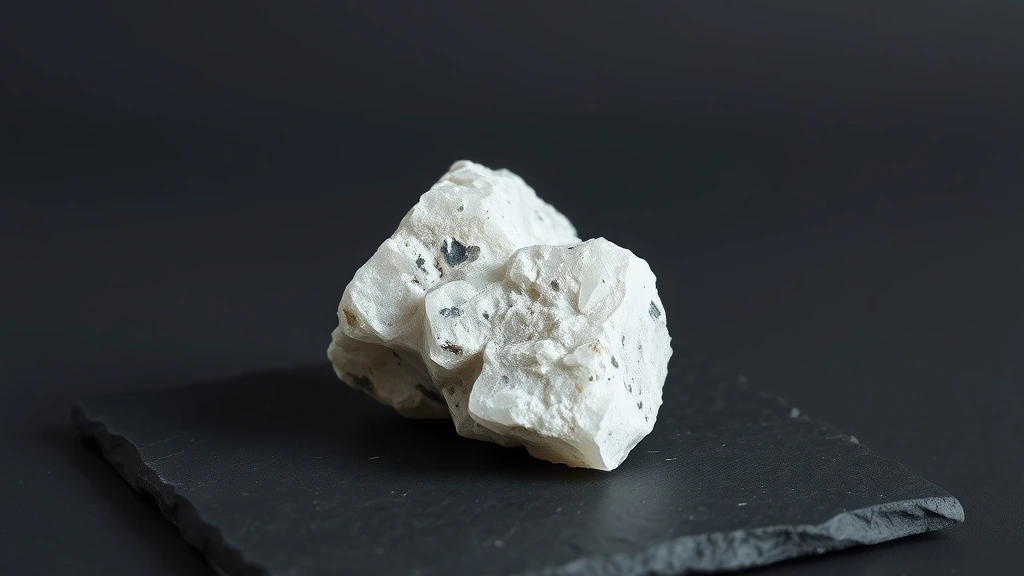
Dogtooth calcite belongs to the natural mineral family of carbonates and is classified as a distinct crystal species within the broader calcite group. Formed in low‑temperature hydrothermal veins, sedimentary cavities, and marble metamorphic zones, it exhibits the characteristic scalenohedral “dog‑tooth” habit that gives the gemstone its name. Though prized for its vivid coloration, the stone’s softness and perfect cleavage require careful setting in ornamental pieces.
What is Dogtooth Calcite? Geological Overview & Definition
Dogtooth calcite is a trigonal carbonate mineral that crystallizes in the space group R ̅3c, producing elongated scalenohedrons that resemble canine teeth. These crystals develop in limestone caverns, marble contact zones, and evaporite deposits where calcium‑rich solutions precipitate rapidly.
Historically, the mineral has been harvested from classic localities such as the Alps, the Ural Mountains, and the Appalachian region, where miners prized its bright, translucent hues for ornamental carving. Across ancient lapidary traditions, the stone was associated with clarity of thought and emotional balance, a reputation that persists in modern metaphysical circles. While dogtooth calcite has long been valued for its clarity, collectors often compare its aesthetic appeal to the vibrant, banded patterns found in Rhodochrosite China, which similarly commands attention for its striking visual distinctiveness.
Dogtooth Calcite Chemical Composition & Crystallographic Properties
The ideal chemical formula CaCO₃ reflects a calcium cation coordinated to a carbonate anion, forming a robust three‑dimensional lattice. Within the trigonal system, the unit cell comprises alternating layers of Ca²⁺ ions and planar CO₃²⁻ groups, generating the characteristic rhombohedral cleavage that defines calcite varieties. In comparative mineralogical collections, practitioners and geologists frequently study Mariposite alongside this crystal to appreciate their subtle energetic and structural differences.
Trace impurities such as iron, manganese, or organic inclusions act as chromophore centers, imparting the stone’s warm amber to honey‑yellow coloration. These color centers are sensitive to ultraviolet radiation, which can cause gradual fading when the gemstone is exposed to intense sunlight over long periods.
Dogtooth calcite is highly reactive to dilute acids; a few drops of dilute hydrochloric acid will effervesce vigorously, releasing CO₂ gas and confirming its carbonate nature. This acid sensitivity is a diagnostic test used by gemologists to differentiate it from silicate look‑alikes.
Thermally, the mineral remains stable up to about 825 °C, at which point it undergoes a reversible phase transition to aragonite before decomposing to calcium oxide and carbon dioxide at higher temperatures. This thermal behavior influences cutting practices, as excessive heat during polishing can induce micro‑fractures along the perfect cleavage planes.
| Property | Specification |
|---|---|
| Mineral Group | Natural Mineral / Crystal |
| Chemical Formula | CaCO₃ |
| Mohs Hardness | 3.0 |
| Crystal System | Trigonal |
| Specific Gravity (Density) | 2.71 |
| Refractive Index | 1.486 – 1.658 |
| Color & Optical Properties | Natural Dogtooth Calcite color spectrum and optical dispersion |
| Primary Mining Localities | Global primary localities |
| Water & Chemical Resistance | EXTREMELY SENSITIVE: Water Soluble / Moisture Sensitive! (Avoid liquids) |
| Chakra Alignment (Traditional) | Heart Chakra, Third Eye Chakra |
| Zodiac Affinity (Traditional) | Taurus, Virgo, Pisces |
| Symbolic Meaning (Traditional) | Emotional healing, protection from negativity, and spiritual grounding |
Dogtooth Calcite Varieties & Color Spectrum
Dogtooth calcite encompasses a diverse range of color morphs, primarily distinguished by trace element impurities within the CaCO₃ lattice structure. These variations result in distinct visual signatures that collectors and gemologists categorize based on hue intensity and clarity. The most common forms exhibit earthy tones, ranging from pale cream to deep amber, reflecting their specific geological environments.
White Dogtooth Calcite
This variety features a translucent, milky-white appearance caused by microscopic fluid inclusions and internal fractures. The trigonal crystal system often manifests as sharp, jagged terminations that resemble canine teeth, giving the mineral its common name. White specimens are the most abundant form, typically found in large, coarse crystals within limestone deposits.
Yellow Dogtooth Calcite
Yellow hues arise from trace amounts of iron oxides substituting into the calcite crystal structure during formation. This variety displays a warm, honey-like translucency that enhances its refractive index characteristics under direct light. It is frequently associated with hydrothermal veins where iron-rich fluids interacted with the host rock.
Pink Dogtooth Calcite
Pink dogtooth calcite is a rarer morph, often attributed to manganese or organic matter inclusions. Its soft rose coloration makes it a sought-after specimen for lapidary work, though its Mohs hardness of 3.0 limits durability. These crystals often form in geodes, creating intricate, interlocking structures that are visually striking.
Brown Dogtooth Calcite
Brown specimens typically result from higher concentrations of iron oxide impurities, giving them a smoky, earthy tone. This variety is commonly found in sedimentary environments where organic material influenced the mineral’s growth. The density of 2.71 g/cm³ remains consistent, but the color depth varies significantly based on impurity levels.
Clear Dogtooth Calcite
High-clarity specimens exhibit a glassy, transparent quality that allows light to pass through with minimal scattering. These rare crystals often lack the internal fractures common in other varieties, making them ideal for optical studies. Their chemical formula purity results in a pristine appearance that is highly valued by collectors.
Where is Dogtooth Calcite Found? Geological Mining & Extraction
Dogtooth calcite primarily occurs in limestone and dolomite formations, often within geodes or vugs created by hydrothermal activity. These deposits are typically found in regions with significant sedimentary rock history, where calcium carbonate precipitated from mineral-rich waters. The mineral’s formation is closely linked to tectonic events that created the necessary pressure and temperature conditions.
Major extraction sites include the United States, particularly in states like Texas and North Carolina, where large geodes are mined. Other significant sources include China, where vast deposits yield high-quality crystals for the global market. Mining operations often involve careful extraction to preserve the integrity of the delicate crystal terminations.
Historical Significance & Cultural Lore of Dogtooth Calcite
Ancient civilizations recognized calcite for its optical properties, using it in early forms of polarized light experiments and decorative arts. In Greco-Roman culture, calcite was valued for its ability to split light, a phenomenon that fascinated early natural philosophers. Egyptian artisans also utilized calcite in jewelry and amulets, believing it offered protective qualities and spiritual clarity.
Throughout Vedic traditions, calcite was associated with mental clarity and emotional balance, often incorporated into meditation practices. Archaeological findings reveal calcite beads and carvings in various ancient sites, indicating its widespread use across different cultures. These historical uses highlight the mineral’s enduring significance in both scientific and spiritual contexts.
Modern Uses & Jewelry Applications of Dogtooth Calcite
Due to its relatively low Mohs hardness of 3.0, dogtooth calcite is primarily fashioned into protective cabochon cuts rather than high-faceted gems. Lapidaries often polish these translucent to opaque specimens to highlight their unique skeletal crystal structure and internal voids. The stone’s delicate nature requires careful setting to prevent chipping during daily wear.
- Cabochon Polishing: Smooth, domed surfaces that accentuate the stone’s natural luster and internal skeletal patterns without risking facet breakage.
- Ornamental Carving: Used in decorative objects, paperweights, and architectural accents where its distinctive dogtooth morphology serves as a visual focal point.
- Pendant Design: Lightweight settings that minimize stress on the brittle crystal lattice, ensuring longevity for everyday spiritual accessories.
- Display Specimens: Unpolished or lightly cleaned crystals displayed in museum-quality cases to preserve their raw, geological integrity.
Metaphysical Properties & Traditional Meaning of Dogtooth Calcite
According to historical traditions and metaphysical lore, dogtooth calcite is revered for its capacity to facilitate emotional healing and release stagnant energy. Practitioners believe the stone’s porous structure acts as a conduit for clearing negative vibrations from the aura. This attribute aligns with its reputation as a powerful tool for spiritual grounding during times of transition.
In ancient Mediterranean and Vedic lapidary traditions, calcium-based stones were often associated with stability and the earth element. The skeletal formation of the crystal is interpreted symbolically as a framework for holding and transforming intense emotional frequencies. Consequently, it is frequently recommended for individuals seeking to balance their inner world and establish a deeper connection with their intuition.
Which Chakra and Zodiac Signs Align with Dogtooth Calcite?
Dogtooth calcite is canonically aligned with the Heart Chakra and the Third Eye Chakra. This dual resonance allows the stone to bridge emotional compassion with heightened intuitive perception. It is believed to open the heart to deeper feelings while simultaneously sharpening the mind’s ability to discern truth from illusion.
Astrologically, this stone resonates most strongly with the signs of Taurus, Virgo, and Pisces. These earth and water signs benefit from the stone’s grounding properties, which help stabilize their inherent sensitivity. The alignment supports their natural tendencies toward nurturing, analytical precision, and deep emotional empathy.
How to Identify Real vs. Fake Dogtooth Calcite
The market for calcite gemstones occasionally features artificial imitations, including synthetic glass and dyed replicas designed to mimic the stone’s translucent appearance. These fakes often lack the distinctive skeletal crystal structure that defines genuine dogtooth calcite. Understanding the subtle differences in texture, weight, and internal formation is crucial for accurate identification.
Practical At-Home Authenticity Tests
- Temperature Test (Thermal Feel): Genuine calcite feels noticeably cool to the touch initially and warms up slowly, whereas plastic or glass imitations often feel neutral or warm immediately upon contact.
- Specific Gravity & Weight Test: With a specific gravity of 2.71, real dogtooth calcite feels heavier than similarly sized pieces of plastic or lightweight glass, which typically have lower densities.
- Scratch & Hardness Test (Mohs Comparison): Using a steel nail (hardness 4-5) will easily scratch the surface of genuine calcite (hardness 3.0), while glass imitations (hardness 5-6) will resist the scratch.
- Microscopic & Loupe Inspection (Internal Inclusions): A 10x loupe reveals the characteristic skeletal, branching crystal structure and natural voids in real specimens, which are absent in uniform synthetic glass or plastic copies.
Dogtooth Calcite Valuation Factors, Grading & Pricing
The market first gauges color saturation; deep, vivid whites tinged with amber or pink command premium prices. Specimens that display a uniform, luminous hue without surface clouding are prized for their visual vibrancy. Collectors also note the subtle internal sheen that mimics a natural energetic luster, adding to perceived value.
Crystal size & weight (grams) is the second driver, with larger, heavier pieces fetching higher bids. Raw, unpolished dogtooth calcite may be valued lower than a tumbled, high‑gloss finish that reveals the stone’s characteristic serrated edges. Natural matrix inclusions such as quartz or mica can either enhance uniqueness or diminish price, depending on their visibility and aesthetic integration.
The third consideration is ethical sourcing & locality premium. Stones harvested from historically documented mines in Morocco or Mexico often carry a provenance premium, especially when accompanied by transparent extraction practices. In holistic and collector circles, responsibly sourced specimens are believed to retain stronger metaphysical properties, further elevating market demand.
How to Clean and Care for Dogtooth Calcite
Water and moisture dissolve or damage this mineral. Never wash with water or liquid soap; clean strictly with a dry soft microfiber cloth. Gently dust the surface to remove loose particles, and store the piece in a low‑humidity environment away from direct exposure to liquids. Ultrasonic cleaning is strictly forbidden, as vibration combined with any moisture can erode the crystal lattice.
Cleansing and Recharging Dogtooth Calcite (Energetic Care)
For energetic renewal, place the stone on a clean selenite charging slab for several hours, allowing the neutral selenite to absorb and release any stagnant energy. Alternatively, a brief session of herbal smudging with sage or cedar, performed at a safe distance, can clear residual fields without introducing moisture.
Another safe method is to expose the calcite to gentle moonlight overnight, preferably during a full moon, which is thought to amplify its heart‑chakra resonance. Afterward, return the stone to its display case, ensuring the environment remains dry and stable to preserve both its physical integrity and metaphysical qualities.
Frequently Asked Questions About Dogtooth Calcite
Dogtooth Calcite displays distinct mineralogical characteristics across its geological varieties and structural habits. Gemologists evaluate these natural varieties based on crystal habit, trace chromophore concentrations, and visual luster.
Primary Natural Dogtooth Calcite
The benchmark natural variety exhibiting diagnostic color saturation and classic crystallographic symmetry.
Distinct Geological Morphs of Dogtooth Calcite
Secondary regional and structural varieties formed under localized geological temperature and pressure conditions.
Is dogtooth calcite safe to wear in the shower?
No, dogtooth calcite is strictly prohibited from shower exposure due to its water-soluble nature. As a calcium carbonate mineral, it reacts chemically with moisture, leading to surface erosion and structural degradation. Prolonged contact with steam or water causes the crystal to soften and lose its integrity. Always remove this gemstone before bathing or swimming to preserve its physical form and aesthetic clarity.
How should I clean my dogtooth calcite jewelry?
Use only a dry, soft microfiber cloth to gently dust the surface. Because the mineral is moisture-sensitive, any liquid-based cleaning method will cause irreversible damage to the crystal structure. Avoid soaps, sprays, or wet wipes entirely. Regular, dry maintenance is the only safe approach to remove oils and dust without compromising the stone’s delicate trigonal lattice.
Can I put dogtooth calcite in an ultrasonic cleaner?
Ultrasonic cleaning is strictly forbidden for dogtooth calcite. The combination of high-frequency vibrations and water creates a hostile environment that accelerates dissolution and micro-fracturing. The Mohs hardness of 3.0 makes it vulnerable to mechanical stress. Using such devices will permanently destroy the gemstone’s surface finish and internal clarity, rendering it worthless for display or wear.
Which zodiac signs are compatible with dogtooth calcite?
Dogtooth calcite resonates most strongly with Taurus, Virgo, and Pisces. These earth and water signs align with the stone’s grounding and emotional stabilizing properties. The mineral’s calcium carbonate composition supports their need for balance and introspection. Wearing this gem can enhance personal growth and emotional resilience for individuals born under these specific astrological signs.
What chakras does dogtooth calcite activate?
This mineral primarily activates the Heart Chakra and Third Eye Chakra. It facilitates emotional healing by bridging physical sensations with intuitive insight. The stone’s unique dogtooth morphology is believed to sharpen perception while softening emotional rigidity. This dual activation supports spiritual grounding and enhances one’s ability to process complex feelings with clarity and compassion.
Is dogtooth calcite suitable for outdoor activities?
It is not recommended for high-impact or wet outdoor environments. The stone’s Mohs hardness of 3.0 makes it susceptible to scratches and chipping from debris. Additionally, rain, sweat, or humidity can trigger chemical dissolution of the surface. Keep the gemstone in a protective pouch when engaging in sports, hiking, or any activity involving potential moisture or physical collision.
Why does my dogtooth calcite look cloudy or dull?
Cloudiness often indicates moisture damage or accumulated surface oils. Since the mineral is water-soluble, even ambient humidity can degrade its luster over time. A dull appearance may also result from improper cleaning with liquids. Inspect the stone for white patches, which signal calcium carbonate leaching. Immediate dry cleaning and storage in a low-humidity environment are essential for recovery.
How should I store dogtooth calcite safely?
Store the gemstone in a dry, padded pouch away from moisture. Avoid placing it near windows or bathrooms where humidity levels fluctuate significantly. The trigonal crystal system is sensitive to environmental changes that can induce stress fractures. Use a silica gel packet in the storage container to absorb excess moisture and maintain the stone’s pristine optical and structural integrity.