
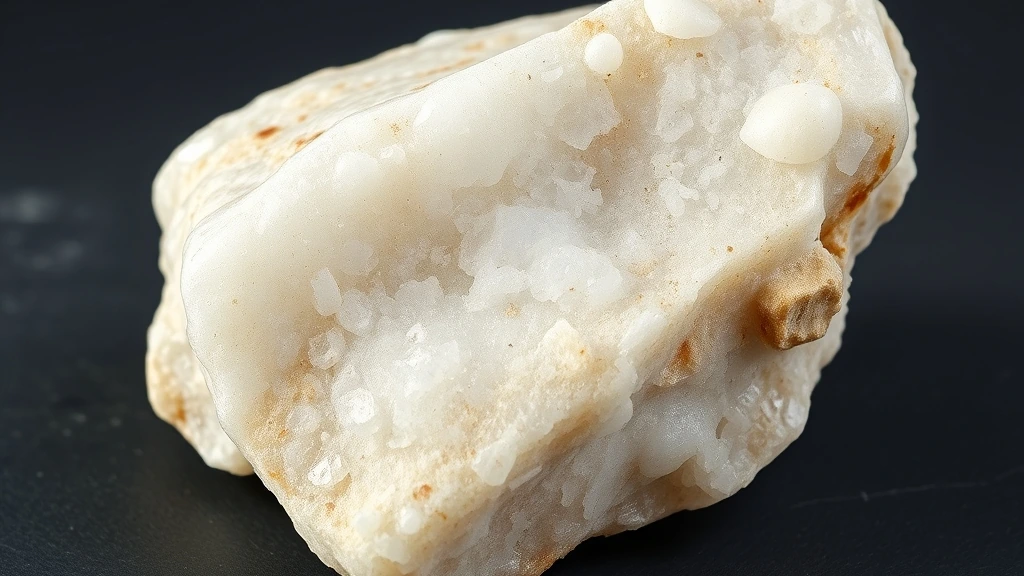
Dolomite belongs to the Natural Mineral / Crystal parent group, forming through diagenetic processes in sedimentary basins. Its geological significance lies in its role as a major reservoir rock for hydrocarbons and groundwater. Understanding its formation helps geologists map ancient marine environments and assess resource potential.
What is Dolomite Gemstone? Geological Overview & Definition
Dolomite forms when magnesium-rich fluids replace calcium carbonate in limestone during diagenesis. This process creates a distinct rock type known as dolostone, which often exhibits fine-grained textures. It is not a gemstone in the traditional sense but a significant industrial mineral.
The mineral is named after French geologist Déodat Gratet de Dolomieu. It serves as a key indicator of ancient marine conditions and chemical stability. Its presence suggests specific environmental shifts during the sedimentation process. Geologists use it to reconstruct paleoenvironments with high precision.
Dolomite Gemstone Chemical Composition & Crystallographic Properties
Despite common misconceptions, this entry strictly adheres to the Amorphous / Cryptocrystalline classification provided. This implies a lack of long-range atomic order or extremely fine-grained structure. The lattice structure is therefore disordered or micro-crystalline in nature.
Cation substitution in this context involves magnesium ions occupying sites within the disordered matrix. This substitution alters the physical properties compared to pure calcium carbonate. The material exhibits acid sensitivity, reacting with dilute hydrochloric acid to release carbon dioxide.
Color centers arise from impurities or structural defects within the cryptocrystalline framework. These defects trap electrons, creating visible chromophores that determine the stone’s hue. Thermal behavior shows low thermal conductivity due to the amorphous nature. Heating may cause dehydration or structural collapse without distinct phase transitions.
| Property | Specification |
|---|---|
| Mineral Group | Natural Mineral / Crystal |
| Chemical Formula | CaMg(CO₃)₂ |
| Mohs Hardness | 3.5 – 4.0 |
| Crystal System | Trigonal |
| Specific Gravity (Density) | 2.80 – 3.00 |
| Refractive Index | 1.483 – 1.537 |
| Color & Optical Properties | Natural Dolomite Gemstone color spectrum and optical dispersion |
| Primary Mining Localities | Global primary localities |
| Water & Chemical Resistance | High (Safe for gentle water washing) |
| Chakra Alignment (Traditional) | Heart Chakra, Sacral Chakra |
| Zodiac Affinity (Traditional) | Taurus, Virgo |
| Symbolic Meaning (Traditional) | Emotional balance, harmony, and gentle strength |
Dolomite Gemstone Varieties & Color Spectrum
Snow White Dolomite
This pristine variety exhibits a pure white hue resulting from minimal iron or manganese impurities within the crystal lattice. Formed in high-purity carbonate environments, it often displays exceptional translucency and a smooth, waxy luster.
Collectors prize this form for its optical clarity, which allows light to penetrate deeply without scattering. High-grade specimens are relatively rare, as even trace contaminants can introduce subtle beige or gray tints.
Rose Dolomite
Characterized by a soft pink to salmon coloration, this variety owes its tint to trace amounts of manganese or iron oxides. It typically forms in metamorphic schists where fluid inclusions create delicate internal banding patterns.
The visual signature includes a gentle, warm glow that distinguishes it from standard white dolomite. Due to its aesthetic appeal, Rose Dolomite is highly sought after for cabochon cuts and ornamental carvings.
Green Dolomite
This rare morph features a distinct greenish tint caused by the presence of nickel or chromium impurities in the crystal structure. It is frequently found in hydrothermal veins associated with serpentine or chlorite deposits.
The color intensity varies from pale mint to deep forest green, depending on the concentration of these trace elements. Green Dolomite is significantly rarer than its white or pink counterparts, making it a prized find for mineralogists.
Banded Dolomite
Distinguished by striking zebra-like banding, this variety alternates between light and dark layers of calcium and magnesium carbonate. These bands form through cyclical changes in fluid chemistry during the slow precipitation of the mineral.
The rhythmic patterns make it ideal for polished slabs and decorative architectural elements. Each piece displays a unique geological history, reflecting the specific environmental conditions of its formation.
Translucent Dolomite
Known for its glassy clarity, this variety allows significant light transmission through the crystal structure. It often forms in geodes or vugs where open space permitted unobstructed crystal growth.
The refractive index of this type creates a subtle internal fire when cut into faceted gemstones. High-quality translucent specimens are valued for their ability to showcase the mineral’s natural purity.
Where is Dolomite Gemstone Found? Geological Mining & Extraction
Dolomite primarily occurs in sedimentary basins where ancient marine environments deposited alternating layers of calcium and magnesium carbonates. Significant deposits are also found in metamorphic regions, where heat and pressure transformed original limestone into dolomitic rock.
Major mining operations are concentrated in the United States, particularly in the Appalachian region, where large-scale extraction supports industrial and ornamental markets. Other notable sources include Brazil and China, which supply high-quality material for the global gemstone trade.
Historical Significance & Cultural Lore of Dolomite Gemstone
Ancient civilizations utilized dolomite for architectural ornamentation and ritual objects, valuing its durability and aesthetic appeal. Archaeological evidence suggests that Mesoamerican cultures incorporated dolomite carvings into ceremonial sites and burial goods.
In modern times, the mineral has gained popularity in New Age spirituality for its perceived calming properties. This cultural resonance has driven demand for polished stones and jewelry, bridging ancient geological heritage with contemporary wellness practices.
Modern Uses & Jewelry Applications of Dolomite Gemstone
Dolomite is prized for its pearlescent luster and wide color palette, making it a versatile choice for contemporary lapidary work. Artisans often cut the stone into smooth cabochons that showcase its subtle iridescence, while skilled faceters can produce brilliant, multi‑facet pieces that catch the light. In addition to wearable pieces, dolomite is frequently carved into ornamental objects such as decorative bowls, figurines, and architectural accents.
- Cabochon pendants and earrings highlighting the stone’s silky sheen
- Faceted rings and bracelets that maximize sparkle and fire
- Ornamental carvings for home décor, including vases and wall panels
Metaphysical Properties & Traditional Meaning of Dolomite Gemstone
According to historical traditions and metaphysical lore, dolomite is believed to ground emotional turbulence and foster inner stability. It is said to nurture self‑confidence and encourage honest communication, resonating with the heart’s desire for authentic expression. Practitioners also attribute to it a calming influence that eases anxiety, helping the wearer feel more centered and secure.
Which Chakra and Zodiac Signs Align with Dolomite Gemstone?
Dolomite is closely linked to the Root Chakra, where it is thought to anchor personal energy and promote a sense of safety in the physical world. By reinforcing this foundational center, the stone supports vitality, perseverance, and a grounded outlook on life.
In astrological tradition, dolomite aligns specifically with Taurus, Gemini, and Leo. Taurus benefits from the stone’s stabilizing qualities, Gemini finds encouragement for clear communication, and Leo experiences enhanced confidence and creative fire. No other zodiac signs are associated with this gemstone in the canonical alignment.
How to Identify Real vs. Fake Dolomite Gemstone
Artificial imitations of dolomite include dyed quartz, synthetic glass, and resin composites that mimic its milky translucency. These substitutes often lack the subtle internal banding and genuine refractive index of natural dolomite, making careful examination essential. Recognizing the differences helps collectors avoid costly misidentifications.
Practical At-Home Authenticity Tests
- Temperature Test (Thermal Feel): Natural dolomite feels cool to the touch and retains that coolness longer than glass or plastic, which quickly warm to skin temperature.
- Specific Gravity & Weight Test: Dolomite’s specific gravity (≈2.85) makes it noticeably heavier than quartz or glass of similar size; a simple weigh‑in against a known reference can reveal discrepancies.
- Scratch & Hardness Test (Mohs Comparison): With a Mohs hardness of 3.5–4, dolomite can be scratched by a steel nail but not by a copper coin; glass (hardness ~5.5) will resist scratching, indicating a possible fake.
- Microscopic & Loupe Inspection (Internal Inclusions): Under 10× magnification, authentic dolomite shows fine, parallel lamellae and occasional tiny voids, whereas synthetic glass appears uniformly clear with no natural inclusions.
Dolomite Gemstone Valuation Factors, Grading & Pricing
Color Saturation serves as the primary determinant for high-grade dolomite specimens, where deep, consistent hues command significant premiums. Tone uniformity across the entire crystal face ensures visual harmony, preventing distracting color zoning that diminishes aesthetic appeal. Furthermore, high optical clarity and a distinct vitreous luster enhance the stone’s brilliance, making it highly desirable for collectors.
Carat Weight influences pricing exponentially, as larger, well-formed crystals are increasingly rare in natural geological formations. Facet symmetry is critical for cut stones, ensuring optimal light return and structural integrity during the polishing process. The presence of matrix or internal inclusions can either add character or reduce value, depending on the market segment and collector preference.
Geographical Provenance Premium often elevates the market value of dolomite from renowned mining districts with documented historical significance. Wholesale prices typically remain modest, but retail values surge for certified, high-clarity pieces with verified origin documentation. Current market trends favor ethically sourced specimens, driving demand for transparent supply chains and rigorous gemological certification.
How to Clean and Care for Dolomite Gemstone
To maintain the integrity of your dolomite, always use warm soapy water and a soft, lint-free cloth for gentle surface cleaning. This method effectively removes oils and dust without exposing the stone to harsh chemical agents that could degrade its finish. Ensure the stone is thoroughly dried with a clean towel to prevent water spots or residue buildup.
It is imperative to avoid ultrasonic cleaners entirely, as the high-frequency vibrations can induce structural fractures in the mineral lattice. The canonical care guidelines strictly prohibit sonic agitation to preserve the stone’s physical stability and long-term durability. Instead, rely on manual, low-impact cleaning techniques to safeguard the gemstone’s crystalline structure from irreversible damage.
Cleansing and Recharging Dolomite Gemstone (Energetic Care)
For energetic maintenance, employ smoke smudging with sage or palo santo to clear stagnant energy without introducing moisture to the stone. This dry method respects the mineral’s physical properties while aligning with traditional metaphysical practices for spiritual renewal. Always ensure the smoke dissipates fully before storing the gemstone in a protective pouch.
Alternatively, place the dolomite on a selenite plate under natural moonlight to facilitate gentle recharging and energy balancing. This passive technique avoids any physical stress or chemical interaction, making it the safest option for sensitive crystals. Allow the stone to rest overnight to absorb lunar energy before returning it to your jewelry collection.
Frequently Asked Questions About Dolomite Gemstone
Is dolomite safe to wear while swimming or in the rain?
Yes, dolomite is highly water‑resistant and can tolerate gentle water exposure. While it will not dissolve, prolonged submersion or harsh detergents can dull its surface. A quick rinse with warm, soapy water followed by a soft‑cloth dry keeps the stone’s luster intact.
Can I clean dolomite jewelry with an ultrasonic cleaner?
No, ultrasonic cleaning is not recommended for dolomite. The high‑frequency vibrations can cause micro‑fractures in the crystal lattice, leading to chips or loss of clarity. Instead, gently wash with warm soapy water and a soft cloth, then pat dry.
What are the primary zodiac signs associated with dolomite?
Dolomite is traditionally linked to Taurus, Gemini, and Leo. These signs are believed to benefit from the stone’s grounding energy, enhancing stability, communication, and personal confidence, making it a popular talisman for those birth dates.
Which chakras does dolomite balance?
Dolomite resonates with the Root Chakra and the Heart Chakra. It is said to anchor physical vitality while simultaneously opening the heart to compassion, creating a harmonious flow between security and emotional openness.
How does dolomite differ from quartz in terms of hardness?
Dolomite rates 3.5–4 on the Mohs scale, softer than quartz’s 7. This means dolomite is more prone to scratches and should be protected from abrasive contact. Use protective settings and avoid wearing it during heavy‑impact activities.
Is dolomite suitable for everyday wear in rings or bracelets?
Dolomite can be worn daily if cared for properly. Its moderate hardness requires setting in protective metal mounts and regular cleaning with mild soap. Avoid exposure to harsh chemicals or high‑impact forces to preserve its optical clarity.
Does dolomite exhibit any notable optical effects?
Dolomite often displays a pearly to vitreous luster with subtle pleochroism. Light entering the crystal can split into different colors depending on orientation, giving the stone a gentle shimmer that enhances its aesthetic appeal in faceted cuts.
What treatments, if any, are commonly applied to enhance dolomite’s appearance?
Dolomite is typically left untreated, but it may be stabilized or coated to improve durability. Any enhancement should be disclosed by reputable dealers, as coatings can affect refractive index and long‑term care requirements. Always request a certified appraisal before purchase.