
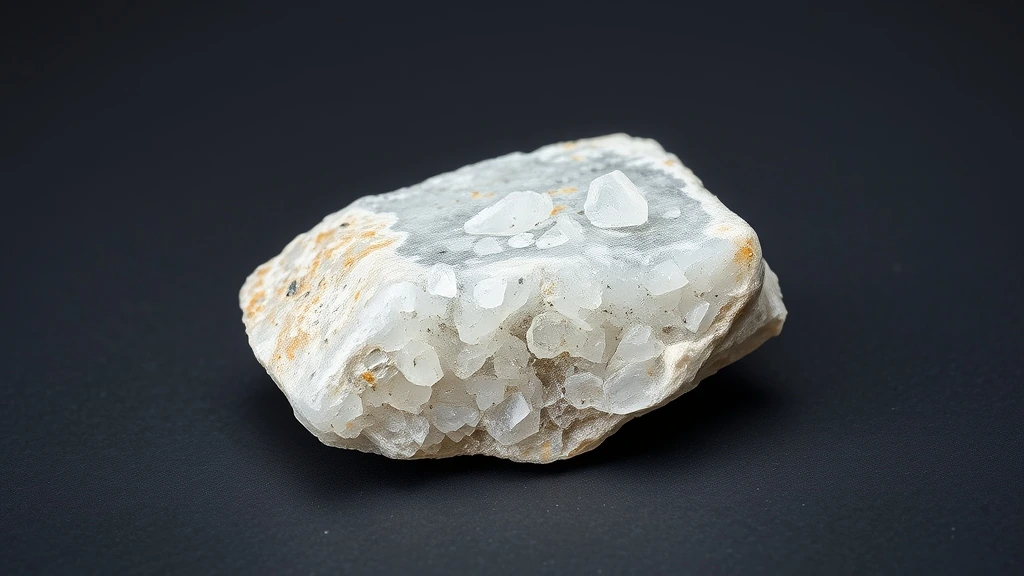
Fluorapatite belongs to the apatite group, a primary component of many igneous and metamorphic rocks and a major constituent of phosphatic sediments. As a natural mineral/crystal, it forms in the hexagonal crystal system and is commonly found in pegmatites, hydrothermal veins, and sedimentary phosphorites. Its widespread geological occurrence and role in the phosphorus cycle underscore its importance beyond ornamental use.
What is Fluorapatite Gemstone? Geological Overview & Definition
Fluorapatite is the fluorine‑rich end‑member of the apatite series, distinguished by the substitution of F⁻ for OH⁻ or Cl⁻ in its crystal lattice. This substitution stabilizes the structure, allowing the mineral to crystallize in the hexagonal crystal system with characteristic prismatic habits.
In gemological contexts, fluorapatite is prized for its vivid color range—from emerald‑green to deep indigo—produced by trace chromophores such as Fe³⁺ and Mn²⁺. Although its Mohs hardness of 5 limits its durability, skilled cutting can enhance brilliance while preserving the stone’s natural pleochroism.
Fluorapatite Gemstone Chemical Composition & Crystallographic Properties
The ideal chemical formula Ca₅(PO₄)₃F reflects a framework of five calcium cations coordinated to phosphate tetrahedra, all linked by a central fluoride ion. This arrangement yields a hexagonal lattice (space group P6₃/m), where the a‑axis measures ~9.4 Å and the c‑axis ~6.9 Å.
Cation substitution is common: Sr²⁺, Ba²⁺, and REE³⁺ (rare‑earth elements) can replace calcium, subtly altering density (3.1–3.2 g/cm³) and optical properties. Such substitutions also affect the stone’s response to acidic environments, with fluorapatite showing greater resistance than its hydroxyl counterpart, yet still susceptible to dissolution in strong acids.
Color in fluorapatite arises from chromophore centers where transition metals occupy calcium sites, creating crystal‑field absorption bands that generate greens, blues, and violets. Heat treatment can modify these centers, sometimes enhancing or fading color depending on temperature and atmosphere.
Thermally, fluorapatite is stable up to ~1,200 °C before undergoing de‑fluorination, releasing HF gas and converting to hydroxyl‑apatite. This behavior is crucial for both geological metamorphism studies and controlled gem‑cutting processes that employ heat to improve clarity.
| Property | Specification |
|---|---|
| Mineral Group | Natural Mineral / Crystal |
| Chemical Formula | Ca₅ (PO₄ )₃ F |
| Mohs Hardness | 5 |
| Crystal System | Hexagonal crystal system |
| Specific Gravity (Density) | 3.1 to 3.2 |
| Refractive Index | nω = 1.631 – 1.650 nε = 1.633 – 1.646 |
| Color & Optical Properties | Natural Fluorapatite Gemstone color spectrum and optical dispersion |
| Primary Mining Localities | Global primary localities |
| Water & Chemical Resistance | High (Safe for gentle water washing) |
| Chakra Alignment (Traditional) | Crown Chakra, Third Eye Chakra |
| Zodiac Affinity (Traditional) | Aquarius, Pisces |
| Symbolic Meaning (Traditional) | Spiritual awakening, mental clarity, and communication |
Fluorapatite Gemstone Varieties & Color Spectrum
Blue Fluorapatite (Blue Apatite)
Blue fluorapatite forms in hydrothermal veins within granitic pegmatites, where fluoride‑rich fluids precipitate the mineral at temperatures of 300‑500 °C. Inclusions of quartz, mica, and minute columbite crystals give the stone a slightly cloudy appearance. Its vivid sky‑blue hue, often enhanced by internal fluorescence, makes it a prized collector’s piece, though high‑quality stones are relatively scarce.
Green Fluorapatite (Green Apatite)
Green varieties develop in metamorphic schist zones where phosphorus‑laden fluids interact with calcium‑rich host rocks. The characteristic emerald‑green color is caused by trace amounts of chromium or iron, and the stones frequently contain fine‑grained rutile needles that produce a silky sheen. Large, clear crystals are uncommon, rendering fine green fluorapatite a niche market gem.
Yellow Fluorapatite (Yellow Apatite)
Yellow fluorapatite is typically recovered from carbonate‑rich limestone deposits, where oxidizing conditions promote the formation of iron‑oxide inclusions that impart a warm golden tint. The mineral often exhibits a honey‑yellow translucency with occasional specks of calcite. While abundant in some locales, gem‑grade, eye‑clean stones are limited, driving modest collector demand.
Purple Fluorapatite (Purple Apatite)
Purple fluorapatite originates in high‑temperature pegmatitic environments, where trace amounts of manganese substitute into the crystal lattice, producing a lavender to deep violet coloration. These stones may display internal fracture‑filled channels filled with fluid‑inclusion bubbles, adding depth to their appearance. The rarity of vivid purple hues makes them highly sought after by specialty jewelers.
Brown Fluorapatite (Brown Apatite)
Brown fluorapatite occurs in weathered volcanic ash deposits, where oxidation of iron impurities yields a chocolate‑brown tone. The crystals often contain microscopic hematite specks that create a subtle sparkle under light. Though plentiful, gem‑quality brown fluorapatite is seldom cut, limiting its presence in mainstream jewelry.
Rare “Rainbow” Fluorapatite (Multicolored Apatite)
The “rainbow” variety is a multichromatic specimen found in the Mongolian and Brazilian pegmatites, displaying zones of blue, green, and yellow within a single crystal. This banding results from fluctuating fluid chemistry during crystal growth, producing alternating layers enriched in fluorine, chromium, and iron. Such specimens are exceptionally rare and command premium prices at auction.
Where is Fluorapatite Gemstone Found? Geological Mining & Extraction
Fluorapatite is most commonly extracted from granite‑derived pegmatite bodies and phosphatic sedimentary rocks where it occurs as primary or secondary crystals. In these settings, the mineral is liberated by crushing the host rock, followed by gravity separation and froth flotation to isolate the dense apatite grains from gangue material.
Major producing regions include Brazil (Minas Gerais), Russia (Ural Mountains), Madagascar, and China (Guizhou Province), each offering distinct color morphs tied to local geochemistry. Small‑scale artisanal mining also occurs in Nigeria and Mexico, where hand‑picked crystals are sold directly to gem dealers.
Historical Significance & Cultural Lore of Fluorapatite Gemstone
Ancient Egyptians prized fluorapatite for its blue specimens, incorporating them into amulets intended to invoke the protective power of the sky god Horus. Archaeological excavations at Abydos have uncovered polished blue apatite beads dating to the 18th Dynasty, indicating early trade networks that valued the stone’s striking hue.
In traditional Turkish folklore, the green and purple varieties were believed to enhance mental clarity and facilitate spiritual awakening, aligning with the Crown and Third Eye chakras. Medieval European alchemists recorded fluorapatite in their manuscripts as a “stone of communication,” attributing it with the ability to sharpen speech and insight.
Modern Uses & Jewelry Applications of Fluorapatite Gemstone
Lapidaries value fluorapatite for its vibrant color range, though its moderate hardness requires careful handling during the cutting process. Because the stone is relatively soft, it is often polished into smooth cabochons to minimize chipping risks during wear. Faceted cuts are also possible but are typically reserved for smaller stones or protective settings like rings with bezel security.
- Cabochon Cutting: Ideal for showcasing the stone’s refractive index and luster without exposing vulnerable edges.
- Faceted Jewelry: Commonly used in pendants and earrings where impact resistance is less critical.
- Ornamental Carving: Utilized in decorative objects and small sculptures due to its ease of workability.
Metaphysical Properties & Traditional Meaning of Fluorapatite Gemstone
According to historical traditions and metaphysical lore, fluorapatite is revered for its ability to enhance mental clarity and facilitate deep spiritual communication. Practitioners believe this stone acts as a bridge between the physical and ethereal realms, promoting spiritual awakening in those seeking higher consciousness. Its energetic signature is said to dissolve mental blocks, allowing for clearer thought processes and intuitive insight.
The emotional resonance of fluorapatite is often described as calming yet invigorating, helping users maintain focus during meditation. It is traditionally associated with strengthening the mind-body connection, encouraging users to trust their inner wisdom. This stone is frequently recommended for individuals experiencing confusion or a lack of direction in their personal growth journeys.
Which Chakra and Zodiac Signs Align with Fluorapatite Gemstone?
In chakra theory, fluorapatite is primarily aligned with the Crown Chakra and the Third Eye Chakra. The Crown Chakra governs spiritual connection and universal consciousness, while the Third Eye Chakra enhances intuition and psychic perception. By stimulating these centers, the stone is believed to elevate one’s vibrational frequency and deepen meditative states.
Astrologically, this mineral resonates strongly with the zodiac signs Aquarius and Pisces. Aquarius, an air sign, appreciates the stone’s capacity for mental clarity and innovative thinking. Pisces, a water sign, connects with its emotional depth and intuitive powers, finding comfort in its soothing energetic properties.
How to Identify Real vs. Fake Fluorapatite Gemstone
The market for fluorapatite is sometimes flooded with artificial imitations, including synthetic glass and dyed replicas that mimic its natural hues. Synthetic glass often lacks the natural inclusions found in genuine mineral specimens, appearing unnaturally clear or perfect. Dyed stones may show color concentration in fractures, a telltale sign of artificial enhancement rather than natural formation.
Practical At-Home Authenticity Tests
- Temperature Test (Thermal Feel): Genuine fluorapatite feels cool to the touch initially but warms up relatively quickly in the hand. Glass imitations often remain cool for a longer duration due to their different thermal conductivity properties.
- Specific Gravity & Weight Test: With a density of 3.1 to 3.2, real fluorapatite feels heavier than similarly sized glass or plastic imitations. Comparing it against a known reference stone can help verify its specific gravity.
- Scratch & Hardness Test (Mohs Comparison): Fluorapatite has a Mohs hardness of 5, meaning it can be scratched by a steel knife or a quartz crystal. If the stone resists scratching from a steel file, it may be a harder imitation like synthetic sapphire or glass.
- Microscopic & Loupe Inspection (Internal Inclusions): Use a 10x loupe to examine the stone for natural inclusions, such as fluid-filled cavities or mineral traces. Synthetic glass often contains tiny, spherical bubbles, while dyed stones may show color bleeding along internal cracks.
Fluorapatite Gemstone Valuation Factors, Grading & Pricing
The primary driver of market value is Color Saturation, where deep, vivid hues command the highest premiums. Experts assess tone uniformity across the stone to ensure consistent visual appeal. High optical clarity and a strong vitreous luster further elevate the gemstone’s desirability.
Carat Weight significantly influences pricing, as larger, flawless specimens are increasingly rare in the global market. Precise facet symmetry enhances light return, making the stone appear more brilliant to the naked eye. The presence of matrix or internal inclusions typically reduces value unless they form an aesthetically pleasing pattern.
Geographical Provenance Premium plays a crucial role, with stones from renowned localities fetching higher prices. Wholesale costs vary based on supply chain efficiency and current retail demand trends. Investors should monitor auction results to track shifting market values accurately.
How to Clean and Care for Fluorapatite Gemstone
Due to its moderate Mohs hardness of 5, fluorapatite requires gentle handling to prevent surface abrasion. You should use warm soapy water and a soft cloth for routine maintenance. This method effectively removes oils and dust without damaging the crystal structure.
It is critical to avoid ultrasonic cleaners, as vibrations can cause structural fractures. Prolonged water soaking is also discouraged due to the mineral’s sensitivity to moisture. Always dry the stone thoroughly with a lint-free cloth after cleaning.
Cleansing and Recharging Fluorapatite Gemstone (Energetic Care)
For energetic cleansing, utilize dry methods that respect the mineral’s physical fragility. Smoke smudging with sage or palo santo is an excellent non-invasive option. This technique purifies the stone without introducing any liquid elements.
Placing the gemstone on a selenite plate under moonlight is another safe practice. This method allows for gentle recharging without risking chemical dissolution or physical stress. Ensure the stone remains dry throughout the entire process.
Frequently Asked Questions About Fluorapatite Gemstone
What is the chemical composition of fluorapatite?
Fluorapatite consists of calcium, phosphate, and fluoride ions. Its specific formula is Ca₅(PO₄)₃F, defining its hexagonal crystal structure. This composition makes it a key phosphate mineral found in various geological environments worldwide.
How hard is fluorapatite on the Mohs scale?
Fluorapatite measures five on the Mohs hardness scale. This moderate hardness means it is softer than quartz but harder than calcite. Care is required to prevent scratches during daily wear or storage.
Can I wear fluorapatite in the shower?
Fluorapatite is sensitive to prolonged water exposure. You should avoid soaking it in water for extended periods. Brief exposure to rain is generally safe, but consistent moisture can compromise its structural integrity over time.
Is fluorapatite safe for ultrasonic cleaners?
No, you must avoid ultrasonic cleaners for fluorapatite. The vibrations can cause structural fractures in the stone. Instead, clean it gently using warm soapy water and a soft cloth to maintain its luster.
Which zodiac signs align with fluorapatite?
Aquarius and Pisces are the aligned zodiac signs. These water and air signs resonate with the stone’s energetic properties. Wearing fluorapatite may enhance intuition and mental clarity for these individuals specifically.
Which chakras does fluorapatite activate?
Fluorapatite activates the Crown and Third Eye chakras. It supports spiritual awakening and deepens mental focus. This alignment helps users connect with higher consciousness and improve intuitive perception.
How should I store fluorapatite safely?
Store fluorapatite in a soft pouch or separate compartment. Its Mohs hardness of 5 makes it vulnerable to scratching by harder gems. Keeping it isolated prevents surface damage and preserves its polished appearance.
Does fluorapatite have significant refractive index values?
Yes, it exhibits a refractive index of 1.631 to 1.650. This optical property contributes to its distinctive luster and brilliance. Understanding these values helps gemologists identify and grade the stone accurately.