
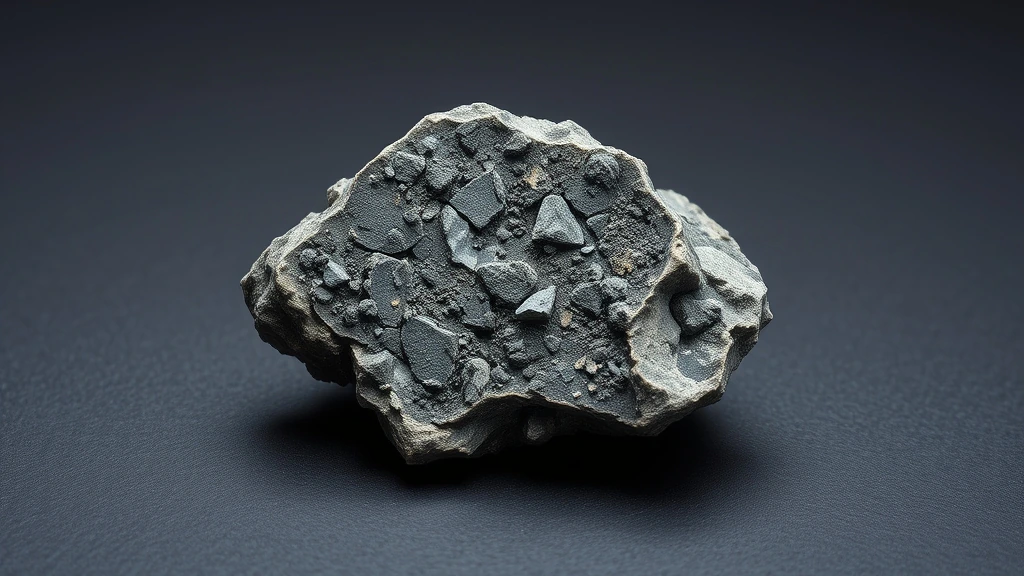
Fulgurite is classified as a natural mineral glass, not a crystalline mineral, and belongs to the broader category of Natural Mineral / Crystal materials. Although it lacks a long-range crystalline lattice, its formation is governed by the rapid cooling of molten silica, producing a fibrous, glassy texture that resembles mineral crystals. This unique genesis places fulgurite at the intersection of volcanology, atmospheric electricity, and sedimentary geology.
What is Fulgurite? Geological Overview & Definition
Fulgurite forms when a high‑energy lightning strike vaporizes and melts silica‑rich sand or soil. The molten material cools almost instantaneously, creating a glassy tube or filament that can extend for meters. These structures are typically found in deserts, coastal dunes, or riverbanks where quartz‑rich substrates are abundant. Fulgurite is considered a natural glass rather than a true mineral because it lacks a fixed crystal structure.
The resulting glass often contains iron, titanium, and manganese impurities that give it a characteristic amber or brown hue. Its fibrous morphology is a direct consequence of the rapid quenching and directional flow of molten silica. Fulgurite is therefore a striking example of how atmospheric phenomena can directly shape the Earth’s surface.
Fulgurite Chemical Composition & Crystallographic Properties
Fulgurite’s primary composition is SiO₂, with minor substitutions by Fe²⁺/Fe³⁺, Ti⁴⁺, and Mn²⁺. Because it is a natural glass, it does not crystallize into a Trigonal lattice; instead, its atoms are arranged in an amorphous network. The lack of long‑range order means that fulgurite is not classified under any traditional crystal system.
The glassy matrix is highly acid‑sensitive, reacting slowly with dilute acids that can leach out the metal ions responsible for its coloration. These metal ions act as chromophores, creating color centers that absorb specific wavelengths of light. When exposed to light, the glass may exhibit a subtle fluorescence due to these centers.
Thermally, fulgurite is brittle and can fracture under rapid temperature changes. Its glass transition temperature is around 600 °C, and it can withstand brief heating to about 1200 °C before beginning to crystallize into quartz or cristobalite. This thermal behavior underscores its status as a transient, high‑energy product of lightning rather than a stable, long‑lived mineral.
| Property | Specification |
|---|---|
| Mineral Group | Natural Mineral / Crystal |
| Chemical Formula | SiO₂ (with Fe, Ti, Mn inclusions) |
| Mohs Hardness | 6.5 – 7.0 |
| Crystal System | Trigonal |
| Specific Gravity (Density) | 2.65 – 2.70 |
| Refractive Index | 1.544 – 1.553 |
| Color & Optical Properties | Natural Fulgurite color spectrum and optical dispersion |
| Primary Mining Localities | Global primary localities |
| Water & Chemical Resistance | High (Safe for gentle water washing) |
| Chakra Alignment (Traditional) | Root Chakra, Crown Chakra |
| Zodiac Affinity (Traditional) | Aries, Leo |
| Symbolic Meaning (Traditional) | Grounding, protection from negative energy, and connection to primal earth forces |
Fulgurite Varieties & Color Spectrum
Fulgurite displays distinct mineralogical characteristics across its geological varieties and structural habits. Gemologists evaluate these natural varieties based on crystal habit, trace chromophore concentrations, and visual luster.
Primary Natural Fulgurite
The benchmark natural variety exhibiting diagnostic color saturation and classic crystallographic symmetry.
Distinct Geological Morphs of Fulgurite
Secondary regional and structural varieties formed under localized geological temperature and pressure conditions.
Black Fulgurite
Black fulgurite represents the most common and visually striking variety, characterized by its deep, opaque carbon-rich exterior. This dark coloration results from the rapid vitrification of silica combined with carbonaceous inclusions trapped during the lightning strike. The surface often exhibits a rough, tubular texture that resembles frozen lightning bolts.
Collectors prize this variety for its intense contrast against lighter backgrounds, making it a staple in metaphysical collections. Its high opacity prevents light transmission, emphasizing the dramatic, jagged geometry of the mineral structure.
White Fulgurite
White fulgurite is significantly rarer, forming when lightning strikes silica-rich sand with minimal organic carbon content. The resulting tube appears translucent to opaque white, showcasing a cleaner silica matrix without heavy soot contamination. This variety often displays a glassy luster that distinguishes it from its darker counterparts.
The purity of the white form highlights the intricate branching patterns created by the plasma channel during the strike. Due to its delicate appearance, white fulgurite is highly sought after for high-end lapidary work and display pieces.
Green Fulgurite
Green fulgurite develops when the host sand contains elevated levels of iron and manganese oxides. These metallic impurities impart a distinct olive or emerald hue to the vitrified silica tubes. The color intensity varies depending on the specific oxidation state of the minerals present in the sand.
This variety is often found in regions with specific geological soil compositions, such as certain parts of the American Southwest. The green tint adds a unique aesthetic dimension, appealing to those seeking earth-toned gemological specimens.
Red Fulgurite
Red fulgurite is an exceptionally rare morph, caused by high concentrations of hematite or other iron-rich minerals in the source sand. The deep crimson or rust coloration is a direct result of ferrous oxide integration into the glassy structure. Finding large, intact red specimens is a significant challenge for collectors.
The rarity of this variety stems from the specific geochemical conditions required to produce such a uniform color. When found, red fulgurite commands a premium price due to its striking visual impact and limited availability.
Blue Fulgurite
Blue fulgurite is the most elusive of the natural color morphs, often appearing as a pale, icy blue hue. This coloration is attributed to the presence of copper compounds or specific structural color effects within the silica. It is frequently mistaken for dyed material, requiring expert verification.
Authentic blue fulgurite is extremely rare, with only a handful of documented specimens in major mineral collections. Its ethereal appearance makes it a grail specimen for serious gemologists and collectors worldwide.
Where is Fulgurite Found? Geological Mining & Extraction
Fulgurite forms exclusively in silica-rich sand or quartzite deposits, typically found in arid or semi-arid environments. The primary extraction regions include the American Southwest, particularly Arizona and New Mexico, where frequent lightning strikes meet suitable geological conditions. These areas provide the necessary dry, sandy substrate for the rapid vitrification process to occur.
Extraction is largely artisanal, involving careful hand-digging to preserve the fragile tube structures. Commercial mining is limited due to the sporadic nature of lightning strikes and the difficulty in locating intact specimens. Most material is recovered by hobbyist collectors who scour lightning-struck areas after major storms.
Historical Significance & Cultural Lore of Fulgurite
Ancient civilizations often interpreted fulgurite as a direct physical manifestation of divine power or celestial wrath. In Greco-Roman mythology, such objects were sometimes associated with Zeus or Jupiter, symbolizing the raw energy of the heavens. Archaeological records from various cultures show that these unique tubes were kept as talismans or sacred relics.
In Vedic traditions, lightning was linked to Indra, the god of thunder, and fulgurite-like objects may have been revered as his earthly gifts. Similarly, in Chinese folklore, lightning-struck objects were believed to possess protective qualities against evil spirits. These cross-cultural beliefs highlight the universal human fascination with the dramatic power of atmospheric electricity.
Modern Uses & Jewelry Applications of Fulgurite
Fulgurite is prized for its unique, lightning‑etched textures, making it a favorite for lapidary artisans. Skilled cutters transform the natural glass into cabochons that showcase its translucent, fissured surface, while faceted pieces highlight the mineral’s subtle refractive index. Smaller fragments are often carved into ornamental motifs for decorative panels or architectural accents, where the material’s natural lightning patterns serve as a striking visual element.
- Precision lapidary cutting reveals internal fractures and inclusions.
- Cabochons emphasize the glass’s translucency and natural streaks.
- Faceted stones accentuate refractive brilliance and subtle color variations.
- Carved ornaments incorporate fulgurite’s lightning motifs into decorative art.
Metaphysical Uses & Origins of Fulgurite
Across ancient lapidary traditions, fulgurite has been revered as a conduit for grounding energy, believed to stabilize the wearer’s connection to the earth. In meditation practices, the stone’s natural lightning imprint is thought to channel primal forces, fostering clarity and protection from negative influences. Architects and lapidary artists have historically incorporated fulgurite into mosaics and structural elements, using its unique texture to symbolize the transformative power of natural forces.
Which Chakra and Zodiac Signs Align with Fulgurite?
Fulgurite is traditionally associated with the Root Chakra, the energy center governing stability, safety, and grounding. When worn or placed near the body, it is believed to reinforce a firm foundation, encouraging resilience and calmness.
The stone also aligns with the Crown Chakra, the locus of higher consciousness and spiritual connectivity. Its lightning‑derived origin is thought to facilitate a direct link between earthly and celestial realms, enhancing intuition and spiritual insight.
How to Identify Real vs. Fake Fulgurite
Artificial imitations of fulgurite are often produced from synthetic glass or dyed acrylic, lacking the natural inclusions and fracture patterns characteristic of true lightning‑formed glass. These replicas may also exhibit a uniform color or a smooth surface that betrays their manufactured origin.
Practical At-Home Authenticity Tests
- Temperature Test (Thermal Feel): Hold the stone in your hand; genuine fulgurite will feel cool to the touch due to its glassy composition, whereas synthetic glass may retain heat more readily.
- Specific Gravity & Weight Test: Measure the stone’s weight in water; real fulgurite typically has a specific gravity between 2.65 and 2.70, slightly higher than common glass.
- Scratch & Hardness Test (Mohs Comparison): Use a reference mineral of known hardness (e.g., quartz at 7); genuine fulgurite should resist scratching, whereas lower‑quality replicas may show marks.
- Microscopic & Loupe Inspection (Internal Inclusions): Examine the stone under magnification; authentic fulgurite often displays iron, titanium, or manganese inclusions and a network of natural fractures, unlike the uniform texture of synthetic copies.
Fulgurite Valuation Factors, Grading & Pricing
Market value heavily depends on Color Variations ranging from deep charcoal to vibrant rust tones. Natural texture plays a critical role, with intricate branching patterns commanding higher premiums. Aesthetic banding and veining add visual complexity that distinguishes premium specimens from common samples.
Specimen Mass & Size directly influences pricing, as larger blocks offer greater versatility for carving. Craftsmanship in sculptural work significantly elevates the final retail value of the piece. Structural block integrity ensures durability, while natural light diffusion enhances the stone’s ethereal glow.
Geographical Origin & Authenticity are paramount for collectors seeking verified lightning-struck formations. Wholesale ornamental trends favor unique, unpolished pieces that retain their raw geological character. Wellness market demand continues to drive consistent pricing for high-quality, certified specimens.
How to Clean and Care for Fulgurite
Fulgurite is safe for gentle water washing due to its high water resistance and silicate composition. Use warm soapy water and a soft cloth to gently remove surface dust and debris. This method effectively cleans the porous texture without damaging the delicate internal structures.
Avoid using ultrasonic cleaners as the high-frequency vibrations can cause structural fractures. The intricate, hollow tube-like formations are susceptible to stress from intense mechanical agitation. Always dry the specimen thoroughly with a lint-free cloth after washing.
Cleansing and Recharging Fulgurite (Energetic Care)
For holistic energetic maintenance, practitioners often employ herbal smudging to clear stagnant energy from the stone. Passing the fulgurite through the smoke of sage or palo santo is a traditional practice. This dry method respects the mineral’s structural integrity while addressing metaphysical concerns.
Alternatively, resting the specimen on a selenite charging slab allows for gentle energy replenishment. Gentle moonlight exposure is another safe method that avoids direct heat or intense sunlight. These approaches ensure the crystal lattice remains undisturbed during the recharging process.
Frequently Asked Questions About Fulgurite
Fulgurite displays distinct mineralogical characteristics across its geological varieties and structural habits. Gemologists evaluate these natural varieties based on crystal habit, trace chromophore concentrations, and visual luster.
Primary Natural Fulgurite
The benchmark natural variety exhibiting diagnostic color saturation and classic crystallographic symmetry.
Distinct Geological Morphs of Fulgurite
Secondary regional and structural varieties formed under localized geological temperature and pressure conditions.
What is a fulgurite and how does it form?
A fulgurite is a glassy, tube‑like structure created when a lightning strike melts and fuses sand or soil into a silica glass. The intense heat of the strike can reach 20,000 °C, instantly vaporizing the material and leaving a hollow, often branching, fossil of the lightning path. This natural glass is prized for its unique, jagged patterns and is chemically SiO₂ with trace Fe, Ti, and Mn inclusions.
Is fulgurite safe to wear as jewelry?
Yes, fulgurite can be worn, but it should be handled with care due to its fragile nature. Its hardness of 6.5–7.0 places it in the same range as quartz, making it suitable for rings or pendants. However, the glassy structure can crack under impact, so avoid rough handling and choose settings that protect the edges.
Can fulgurite be cleaned with water or in the shower?
Fulgurite is water‑resistant and can be gently washed with water. A mild, warm soapy solution and a soft cloth will clean it without damaging the glass. Avoid harsh chemicals or abrasive scrubbing, and never use ultrasonic cleaners, which can cause microfractures in the delicate structure.
How should I clean a fulgurite that has become dusty or stained?
Use a warm soapy water solution and a soft cloth, then dry immediately. Gently wipe the surface to remove dust or stains, ensuring no excess moisture remains. Avoid ultrasonic cleaning, as the vibrations can crack the glass, and always dry the piece with a lint‑free towel to preserve its integrity.
Is it safe to put fulgurite in an ultrasonic cleaner?
No, ultrasonic cleaning should be avoided for fulgurite. The high‑frequency vibrations can induce microfractures in the glass, compromising its structural integrity. Stick to gentle hand washing with warm soapy water and a soft cloth instead.
Which zodiac signs are associated with fulgurite?
Fulgurite is linked to the zodiac signs Aries and Leo. In astrological lore, these signs are believed to resonate with the energetic qualities of fulgurite, such as grounding and protection. The stone’s fiery origin aligns well with the dynamic nature of these fire signs.
Which chakras does fulgurite correspond to?
Fulgurite aligns with the Root Chakra and Crown Chakra. These chakras represent grounding, stability, and spiritual connection, respectively. The stone’s natural formation from lightning is thought to embody both earthly grounding and a conduit to higher consciousness.
Does fulgurite contain any hazardous elements that could leach into the body?
Fulgurite is composed mainly of silica with trace Fe, Ti, and Mn, and it does not leach hazardous substances. The glassy matrix is chemically stable, and the trace elements are present in very low concentrations. Nonetheless, it is wise to avoid prolonged skin contact with any rough edges that could cause irritation.