
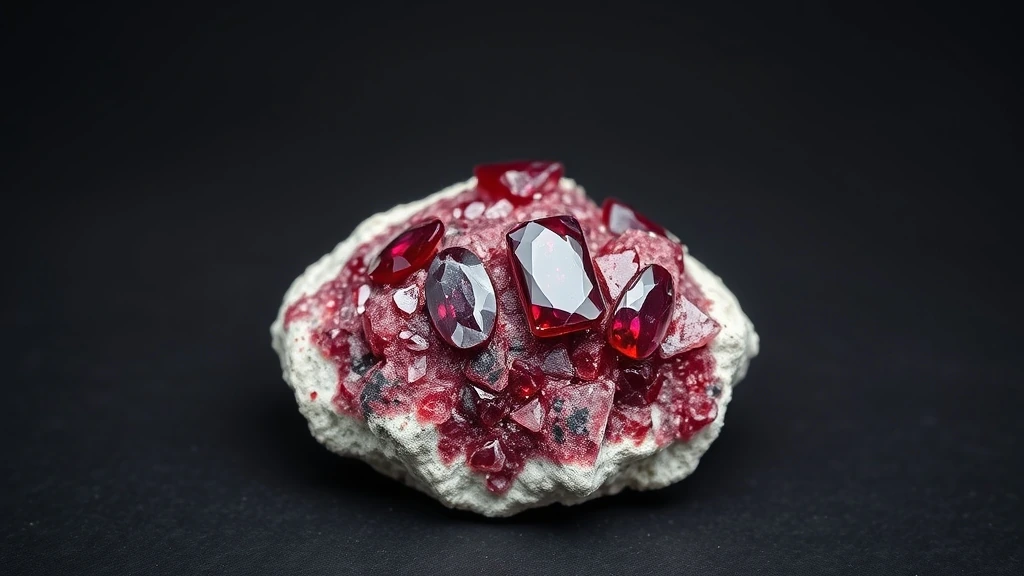
Garnet belongs to the nesosilicate subgroup of the silicate mineral family, characterized by isolated tetrahedral silicon-oxygen units. This specific occurrence features garnet crystals embedded within Wollastonite, a calcium inosilicate that often forms in contact metamorphic zones. The geological association highlights a complex paragenesis where distinct mineral phases coexist. Such inclusions provide critical insights into high-temperature metamorphic processes. The host rock typically exhibits a fibrous texture, contrasting sharply with the granular appearance of the included garnet grains.
What is Garnet In Wollastonite? Geological Overview & Definition
This specimen is a metamorphic rock aggregate where garnet porphyroblasts are dispersed within a Wollastonite matrix. The formation occurs during regional metamorphism of carbonate-rich protoliths, such as marble or limestone. High pressure and temperature facilitate the growth of large, isolated garnet crystals within the finer-grained host. This textural contrast defines the visual and mineralogical character of the stone.
The Wollastonite host is a calcium silicate that typically forms in high-temperature, low-pressure environments. It often appears as a white to cream-colored fibrous aggregate surrounding the darker garnet inclusions. The coexistence of these minerals indicates a specific geochemical environment rich in calcium and silica. Understanding this paragenesis is essential for accurate gemological identification and valuation.
Garnet In Wollastonite Chemical Composition & Crystallographic Properties
The garnet inclusions crystallize in the isometric system, commonly forming dodecahedral or trapezohedral habits. Their lattice structure is defined by the general formula X₃Y₂(SiO₄)₃, representing a complex nesosilicate framework. This cubic symmetry ensures equal optical properties in all directions, resulting in high refractive index values. The structural rigidity contributes to the mineral’s notable durability and resistance to cleavage.
Coloration arises from chromophore centers, primarily iron ions substituting within the crystal lattice. These transition metals absorb specific wavelengths of light, producing the characteristic deep red to brownish tones. The cation substitution between magnesium, iron, and calcium determines the specific garnet species present. This ionic variation directly influences the stone’s density and optical dispersion.
The mineral exhibits moderate acid sensitivity, reacting slowly to strong hydrofluoric acid but remaining stable in common laboratory acids. Thermal behavior is stable under standard gemological heating protocols, with no significant alteration in color or structure. However, extreme thermal shock may induce micro-fractures in the host Wollastonite matrix. Proper handling ensures the preservation of these delicate metamorphic inclusions.
| Property | Specification |
|---|---|
| Mineral Group | Silicates (Nesosilicates / Garnet Group) |
| Chemical Formula | X₃Y₂(SiO₄)₃ (Complex Silicate / Nesosilicate Group) |
| Mohs Hardness | 6.5 – 7.5 |
| Crystal System | Isometric / Cubic (Dodecahedral or trapezohedral crystals) |
| Specific Gravity (Density) | 3.50 – 4.30 |
| Refractive Index | 1.714 – 1.888 |
| Color & Optical Properties | Natural Garnet In Wollastonite color spectrum and optical dispersion |
| Primary Mining Localities | India, Madagascar, Sri Lanka, Mozambique, USA |
| Water & Chemical Resistance | High (Water-resistant; safe for gentle warm water washing) |
| Chakra Alignment (Traditional) | Root Chakra (Muladhara) and Sacral Chakra |
| Zodiac Affinity (Traditional) | Capricorn, Aquarius, Aries |
| Symbolic Meaning (Traditional) | Grounding, passion, loyalty, physical vitality, and steadfast courage |
Garnet In Wollastonite Varieties & Color Spectrum
Garnet occurring within wollastonite host rocks presents a unique gemological challenge, as the primary silicate matrix often obscures the classic cubic symmetry of the garnet crystals. This specific association typically yields smaller, inclusion-rich specimens rather than the large, clean gem material found in traditional almandine deposits. The intergrowth of these minerals creates a distinctive visual texture that appeals to collectors of rare mineral associations.
Almandine-Wollastonite Association
The most common garnet variety found in wollastonite is almandine, characterized by its deep red to purplish-red hue. These crystals often exhibit trapezohedral faces that are partially obscured by the white, fibrous texture of the surrounding host rock. Inclusions of graphite or mica are frequent, adding complexity to the stone’s internal landscape. This variety is moderately rare in high-clarity gem quality but common in mineralogical specimens.
Spessartine Inclusions
Spessartine garnets, known for their vibrant orange to reddish-orange color, occasionally appear as inclusions within wollastonite veins. The refractive index of spessartine creates a striking contrast against the low-refractive-index white matrix, enhancing visual appeal. These specimens are geologically significant as they indicate specific hydrothermal conditions during formation. High-quality, transparent spessartine within this host is exceptionally rare and highly sought after by connoisseurs.
Andradite Varieties
Andradite garnets, including the green demantoid and yellow topazite, can rarely be found associated with wollastonite in metamorphic zones. The isometric crystal system of andradite often results in dodecahedral shapes that stand out against the platy structure of the host. These stones are prized for their high dispersion and unique color palette. Their presence suggests a complex geological history involving significant pressure and temperature changes.
Grossular-Pyrope Mixtures
Grossular garnets, which range from colorless to yellow or green, may coexist with pyrope in wollastonite-rich environments. This mixture often results in a mottled appearance, with distinct color zones visible under magnification. The Mohs hardness of these garnets remains consistent, ensuring durability for lapidary work. Such mixed specimens are valuable for studying the chemical evolution of metamorphic rocks.
Where is Garnet In Wollastonite Found? Geological Mining & Extraction
Garnet in wollastonite primarily forms in high-grade metamorphic rocks, specifically within marble and limestone terrains subjected to intense heat and pressure. These deposits are often located in contact metamorphic zones where igneous intrusions have altered the surrounding sedimentary rocks. The pegmatite structures in these regions can trap garnet crystals within the growing wollastonite matrix. Understanding this geological context is crucial for identifying viable mining sites.
Primary extraction regions include the Himalayan foothills, parts of India, and certain areas in Europe where ancient metamorphic belts are exposed. Mining operations in these zones focus on both industrial wollastonite production and the recovery of associated gem-quality garnets. The extraction process requires careful handling to preserve the integrity of the delicate host rock. These regions offer a rich tapestry of mineral associations that attract global scientific interest.
Historical Significance & Cultural Lore of Garnet In Wollastonite
Ancient Greco-Roman civilizations valued garnets for their deep red color, associating them with Mars and the planet’s fiery nature. While the specific association with wollastonite was not documented in antiquity, the garnet itself was widely used in jewelry and amulets. Archaeological finds from Egyptian tombs reveal garnet beads and inlays, signifying status and protection. These artifacts demonstrate the enduring appeal of garnet across diverse ancient cultures.
In Vedic traditions, garnets were believed to possess healing properties and were often set in gold to enhance their spiritual power. The stone’s connection to the root chakra aligns with its historical use in grounding and protective rituals. Across global lapidary lore, garnet has consistently symbolized loyalty and steadfast courage. This enduring cultural significance continues to influence its modern valuation in the gemstone market.
Modern Uses & Jewelry Applications of Garnet In Wollastonite
Lapidaries prize this variety for its rich saturation and exceptional refractive index, which allows for brilliant light return in faceted cuts. The dense matrix of the host rock often necessitates careful planning to maximize gemstone yield while preserving structural integrity.
- Faceted Cuts: Standard round, oval, and mixed cuts are popular for rings and pendants, highlighting the stone’s deep red to purplish hues.
- Cabochons: Smooth, polished domes are carved from opaque or semi-translucent specimens to showcase unique internal patterns or fluorescence.
- Ornamental Carving: Larger, less transparent blocks are sculpted into beads, cabochons, or decorative inlays for high-end bespoke jewelry pieces.
Carat, Quality Grades & Value Factors of Garnet In Wollastonite
Commercial valuation relies heavily on the 4Cs framework, with color being the most significant determinant of market price. Deep, saturated reds or vivid purples command premium rates, while pale or brownish tones significantly reduce desirability. Clarity is also critical, as eye-clean stones with minimal internal fractures or matrix inclusions are far rarer and more valuable than those with visible flaws.
Durability is a key factor in long-term jewelry application, given the mineral’s Mohs hardness range of 6.5 to 7.5. This robustness makes garnet suitable for everyday wear in rings and bracelets, though collectors must consider the host rock’s relative softness. Lapidary grading standards prioritize stones that balance high brilliance with structural stability, ensuring the gem retains its polish and luster over decades of use.
Zodiac and Astrological Lore of Garnet In Wollastonite
In traditional astrological correspondence, this gemstone is strongly aligned with Capricorn, Aquarius, and Aries. These earth and fire signs are believed to resonate with the stone’s grounding energy, fostering loyalty, physical vitality, and steadfast courage. Practitioners often recommend wearing this variety to enhance personal resolve and emotional stability during challenging periods.
Historical lapidary traditions associate garnet with the Root Chakra (Muladhara) and the Sacral Chakra. Ancient practitioners viewed the stone as a talisman for protection and passion, linking its deep red color to the life force and creative energy. This metaphysical heritage continues to influence modern spiritual jewelry markets worldwide.
How to Identify Real vs. Fake Garnet In Wollastonite
Artificial imitations often use synthetic glass, dyed quartz, or cubic zirconia to mimic the appearance of natural garnet. These fakes may lack the specific specific gravity and optical properties of the genuine mineral, making them detectable through careful physical examination. Understanding these distinctions is essential for buyers to avoid purchasing low-quality replicas.
Practical At-Home Authenticity Tests
- Temperature Test (Thermal Feel): Genuine garnet feels noticeably cool to the touch initially due to its high thermal conductivity, whereas glass imitations warm up quickly to room temperature.
- Specific Gravity & Weight Test: Hold the stone in your palm; real garnet has a specific gravity of 3.50–4.30, making it feel significantly heavier than glass or plastic of the same size.
- Scratch & Hardness Test (Mohs Comparison): A genuine garnet (Mohs 6.5–7.5) will scratch glass (Mohs 5.5) easily, while glass or plastic imitations will not scratch the stone.
- Microscopic & Loupe Inspection (Internal Inclusions): Use a 10x loupe to check for natural inclusions like fluid-filled fractures or mineral crystals; synthetic glass often contains tiny, perfectly round air bubbles.
Garnet In Wollastonite Valuation Factors, Grading & Pricing
Market valuation primarily depends on Color Saturation, where deep, vivid reds command the highest premiums. Uniformity of hue across the entire stone significantly enhances its aesthetic appeal and desirability. Optical clarity and vitreous luster further refine the grade, as inclusions can diminish overall brilliance.
Carat Weight influences pricing exponentially, with larger stones becoming increasingly rare and valuable. Facet symmetry and precise cutting determine how light interacts with the internal structure. These metrics align with standard 4Cs lapidary grading protocols used by major gemological institutes.
Geographical Provenance Premium often elevates the value of stones from renowned mines. Certified gem market value trends reflect consistent demand for high-quality specimens. Buyers increasingly prioritize documented origin to ensure authenticity and ethical sourcing standards.
How to Clean and Care for Garnet In Wollastonite
Garnet exhibits high water resistance, making it safe for gentle warm water washing. Prepare a solution with mild soap and warm water to remove surface oils and dust. Use a soft cloth to gently wipe the stone, ensuring no abrasive materials contact the facets.
Ultrasonic cleaners should generally be avoided or used with extreme caution, as high-frequency vibrations can cause microscopic fissures. Avoid harsh chemicals that could potentially damage surface treatments or adjacent matrix materials. Regular maintenance preserves the stone’s natural luster and structural integrity over time.
Cleansing and Recharging Garnet In Wollastonite (Energetic Care)
Herbal smudging offers a dry, safe method for energetic cleansing without exposing the stone to moisture. Pass the stone through the smoke of sage or palo santo to clear stagnant energy. This traditional practice respects the mineral’s physical stability while addressing metaphysical intentions.
Resting the garnet on a selenite charging slab allows for gentle lunar energy absorption. Moonlight exposure provides a soft, non-thermal recharging method that avoids heat damage to the crystal lattice. These dry holistic techniques maintain the stone’s structural integrity while supporting its energetic properties.
Frequently Asked Questions About Garnet In Wollastonite
Garnet In Wollastonite displays distinct mineralogical characteristics across its geological varieties and structural habits. Gemologists evaluate these natural varieties based on crystal habit, trace chromophore concentrations, and visual luster.
Primary Natural Garnet In Wollastonite
The benchmark natural variety exhibiting diagnostic color saturation and classic crystallographic symmetry.
Distinct Geological Morphs of Garnet In Wollastonite
Secondary regional and structural varieties formed under localized geological temperature and pressure conditions.
Is garnet in wollastonite safe to wear in the shower?
Yes, this gemstone is highly water-resistant and safe for gentle warm water exposure. Wollastonite is a stable calcium silicate that does not dissolve or degrade in water. You can comfortably wear your jewelry during showers or while washing hands. Just avoid harsh chemical soaps that might dull the surface polish over time.
How should I clean my garnet in wollastonite jewelry?
Use warm soapy water and a soft cloth for routine maintenance. This gentle method effectively removes oils and dirt without damaging the stone. For tougher grime, a soft-bristled toothbrush works well. Ultrasonic cleaners are generally safe for untreated pieces, but always check for fractures first.
What is the Mohs hardness of garnet in wollastonite?
Garnet exhibits a hardness range of 6.5 to 7.5 on the Mohs scale. This makes it significantly harder than the surrounding wollastonite matrix, which typically ranges from 4.5 to 5.5. Consequently, the garnet inclusions are resistant to scratching during daily wear. The contrast in hardness ensures the gemstone remains visually distinct and durable.
Which zodiac signs are aligned with this?
Capricorn, Aquarius, and Aries are the primary zodiac signs associated with garnet. These earth and fire signs resonate with the stone’s grounding and energizing properties. Wearing this gemstone is believed to enhance personal strength and determination. It supports the wearer’s ability to face challenges with steadfast courage and resilience.
Which chakras does garnet in wollastonite activate?
It primarily activates the Root Chakra (Muladhara) and the Sacral Chakra. These energy centers govern physical vitality, stability, and creative passion. The deep red hues of garnet stimulate blood flow and grounded energy. This alignment helps balance the body’s foundation and encourages physical vitality and emotional security.
What is the chemical composition of this?
Garnet is a complex nesosilicate with the formula X₃Y₂(SiO₄)₃. It belongs to the isometric crystal system, often forming dodecahedral or trapezohedral shapes. The specific garnet variety depends on the cations present, such as iron or magnesium. This structure contributes to its high refractive index, ranging from 1.714 to 1.888.
Can I use an ultrasonic cleaner on this piece?
Ultrasonic cleaners should generally be avoided or used with extreme caution, as high-frequency vibrations can cause microscopic fissures. The sonic vibrations help dislodge debris from microscopic crevices effectively. However, always inspect the stone for existing cracks or fractures first. If the matrix is compromised, stick to gentle hand washing to prevent further damage.
What is the specific gravity of garnet in wollastonite?
The density of garnet ranges from 3.50 to 4.30 g/cm³. This high specific gravity makes the stone feel noticeably heavy for its size. This characteristic helps distinguish genuine garnet from lighter synthetic imitations. The weight is a key factor in assessing the gemological quality and authenticity of the specimen.