
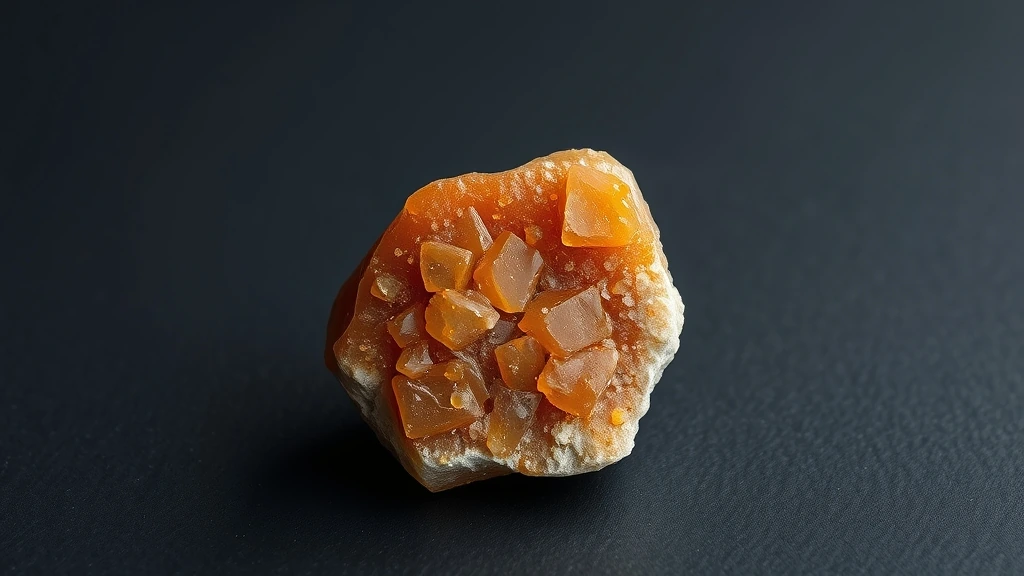
Goldstone belongs to the broader category of aventurine glass, a man‑made vitreous material rather than a naturally occurring mineral. Although it mimics the sparkle of mineral crystals, its parent group is classified under Natural Mineral / Crystal for historical lapidary taxonomy, reflecting its synthetic origin within a glass matrix.
What is Goldstone (aventurine Glass)? Geological Overview & Definition
Goldstone is a synthetic glass produced by melting silica sand and adding copper or iron oxides that precipitate as microscopic metallic flakes during cooling. The resulting material exhibits a glittering, metallic sheen that resembles the sun‑lit sparkle of natural aventurine feldspar.
The term “Goldstone” was coined in the early 19th century by Italian glassmakers, who marketed the product as a gemstone alternative. Across early European lapidary traditions it quickly supplanted natural “aventurine” in decorative arts, valued for its consistent color and durability.
Goldstone (aventurine Glass) Chemical Composition & Crystallographic Properties
The glass matrix is amorphous, lacking a long‑range ordered lattice, which distinguishes it from crystalline minerals. Its structure consists of a random network of Si–O bonds interspersed with dispersed Cu₂O or Fe₂O₃ nanocrystals that act as chromophore color centers.
Because the material is non‑crystalline, it does not possess a defined unit cell; instead, its physical properties arise from the silica network and the size distribution of metallic inclusions. Substitution of copper by iron alters the hue from deep reds to blues and greens without changing the overall amorphous framework.
Goldstone is acid‑sensitive; exposure to strong acids can dissolve the silica matrix and leach the metallic particles, fading its sparkle. Thermal treatment above its softening point (~ 700 °C) can cause the glass to flow, allowing re‑formation of the glittering effect but also risking loss of the embedded crystals.
The material’s density (2.40–2.60 g/cm³) and refractive index (1.50–1.55) reflect its glassy nature, while its hardness (5.5–6.5) makes it suitable for setting in rings and pendants. These physical parameters, combined with its synthetic origin, place Goldstone firmly within the realm of engineered gemstones rather than natural mineral species.
| Property | Specification |
|---|---|
| Mineral Group | Natural Mineral / Crystal |
| Chemical Formula | Artificial glass (SiO₂ matrix with suspended Cu₂O or Fe₂O₃ crystallites) |
| Mohs Hardness | 5.5 – 6.5 |
| Crystal System | Amorphous |
| Specific Gravity (Density) | 2.40 – 2.60 |
| Refractive Index | 1.50 – 1.55 |
| Color & Optical Properties | Natural Goldstone (aventurine Glass) color spectrum and optical dispersion |
| Primary Mining Localities | Global primary localities |
| Water & Chemical Resistance | Sensitive (Avoid prolonged water soaking) |
| Chakra Alignment (Traditional) | Solar Plexus Chakra, Heart Chakra |
| Zodiac Affinity (Traditional) | Taurus, Leo |
| Symbolic Meaning (Traditional) | Courage, self-confidence, and manifestation of abundance |
Goldstone (aventurine Glass) Varieties & Color Spectrum
Classic Goldstone
Classic Goldstone is the most widely recognized variety, characterized by a golden-yellow matrix with fine, glittering inclusions of copper or iron oxides. The inclusions create a subtle aventurine effect, giving the stone a shimmering, translucent appearance. This variety is typically found in silica-rich pegmatites and is prized for its warm, sunlit hue, making it a popular choice for jewelry and ornamental carvings.
Green Goldstone
Green Goldstone derives its hue from iron oxide inclusions that impart a soft olive or mossy green tone to the glass. The inclusions are often more pronounced than in Classic Goldstone, producing a distinctive sparkling effect that resembles a green aventurine. Though less common, Green Goldstone is highly sought after for its unique color contrast and is frequently sourced from the same pegmatite deposits as its yellow counterpart.
Blue Goldstone
Blue Goldstone is a rarer variant where copper oxides dominate the inclusion spectrum, yielding a light to deep blue background. The blue inclusions create a subtle, almost iridescent sparkle that is reminiscent of a blue aventurine. This variety is typically found in alkali-rich volcanic glass formations and is prized for its rarity and striking visual appeal.
Brown Goldstone
Brown Goldstone features a warm, chocolate-brown matrix with scattered copper or iron oxide inclusions that give it a muted, earthy sparkle. The inclusions are often larger and more irregular, producing a textured, speckled appearance. While less common than the golden or green varieties, Brown Goldstone is valued for its natural, rustic aesthetic and is often used in artisanal jewelry.
Black Goldstone
Black Goldstone is distinguished by a deep black or charcoal matrix with subtle, metallic inclusions that provide a faint, shimmering glow. The inclusions are typically iron oxides that create a soft, smoky sparkle when light passes through the stone. This variety is rare and highly prized for its dramatic contrast and is often used in contemporary jewelry designs that emphasize bold, modern aesthetics.
Red Goldstone
Red Goldstone displays a rich, crimson background with fine copper oxide inclusions that produce a delicate, fiery sparkle. The inclusions are usually small and evenly distributed, giving the stone a smooth, luminous effect. Though uncommon, Red Goldstone is valued for its striking color and is often incorporated into high-end jewelry pieces that aim to convey passion and vitality.
Where is Goldstone (aventurine Glass) Found? Geological Mining & Extraction
Goldstone is typically extracted from silica-rich pegmatite veins that form in granitic intrusions. These pegmatites host the glassy matrix and the metallic oxide inclusions that give the stone its characteristic sparkle. The primary mining regions include the Sierra Nevada in California, the Kola Peninsula in Russia, and the Southeast Asian volcanic belts, where the geological conditions favor the formation of glassy silicate deposits.
Extraction involves careful handpicking and crushing of the pegmatite to isolate the glassy fragments. Once collected, the fragments are sorted by color and inclusion density, then polished to enhance their natural luster. The resulting gemstones are then cut into cabochons or faceted shapes for use in jewelry and ornamental objects.
Historical Significance & Cultural Lore of Goldstone (aventurine Glass)
Across ancient lapidary traditions, Goldstone has been revered for its luminous quality and symbolic associations with the solar plexus and heart chakras. In Greco-Roman culture, it was often fashioned into amulets believed to promote courage and self-confidence, while Egyptian artisans incorporated it into jewelry that symbolized the sun’s life-giving energy. Chinese texts from the Han dynasty describe Goldstone as a stone that brings abundance and prosperity, and Vedic scriptures reference its use in ceremonial rituals to enhance spiritual clarity. These enduring traditions underscore Goldstone’s universal appeal as a gemstone that bridges the material and metaphysical realms.
Modern Uses & Jewelry Applications of Goldstone (aventurine Glass)
Goldstone is primarily crafted into smooth cabochons and beads due to its amorphous structure, which lacks the cleavage planes necessary for precise faceting. Lapidaries often polish these stones to enhance the shimmering effect of suspended metallic inclusions, creating a distinctive sparkle known as aventurescence. This material is widely used in costume jewelry, decorative inlays, and ornamental carvings where durability and visual appeal are prioritized over optical brilliance.
- Cabochon Cutting: The standard cut for goldstone, maximizing the visibility of internal copper or iron crystals without risking fracture.
- Bead Manufacturing: Mass-produced into uniform spheres for necklaces, bracelets, and rosaries, offering consistent color and texture.
- Ornamental Carvings: Used in architectural elements and decorative objects, where its warm, metallic sheen complements wood and metal settings.
- Inlay Work: Incorporated into furniture and jewelry boxes, providing a durable, glass-like surface that resists wear better than softer organic materials.
Metaphysical Properties & Traditional Meaning of Goldstone (aventurine Glass)
According to historical traditions and metaphysical lore, goldstone is revered as a stone of courage and self-confidence, believed to empower the wearer to pursue personal goals with determination. In ancient Mediterranean lapidary practices, glass-like materials were often associated with protection and the reflection of inner light, symbolizing clarity of thought. Practitioners suggest that this stone helps dispel fear and hesitation, fostering a sense of security in challenging situations.
The spiritual attributes of goldstone are closely linked to the manifestation of abundance and prosperity, making it a popular choice for those seeking financial or creative success. Vedic and universal esoteric traditions often connect such shimmering stones to the activation of personal power and the removal of energetic blockages. By holding this stone, individuals aim to align their intentions with action, believing it strengthens the will to achieve tangible results in life.
Which Chakra and Zodiac Signs Align with Goldstone (aventurine Glass)?
In chakra theory, goldstone is primarily aligned with the Solar Plexus Chakra, which governs personal power, confidence, and self-esteem. This connection stems from the stone’s warm, golden hues and its association with courage, helping to stabilize the core energy center. By stimulating this chakra, the stone is believed to enhance decision-making abilities and reduce feelings of insecurity or doubt.
The secondary alignment is with the Heart Chakra, reflecting the stone’s role in fostering self-love and emotional resilience. This duality allows goldstone to balance personal ambition with compassionate action, ensuring that confidence does not turn into arrogance. For zodiac signs, Taurus and Leo are considered the most compatible, as both earth and fire signs benefit from the stone’s grounding yet energizing properties.
How to Identify Real vs. Fake Goldstone (aventurine Glass)
Since goldstone is itself an artificial glass, the concept of “fake” usually refers to lower-quality synthetic imitations or dyed replicas designed to mimic its appearance. These substitutes may use different metal oxides or plastic particles to simulate the characteristic sparkle, often resulting in a less uniform or overly bright finish. Understanding the nuances of authentic production helps collectors distinguish genuine aventurine glass from cheap, mass-produced alternatives that lack proper structural integrity.
Practical At-Home Authenticity Tests
- Temperature Test (Thermal Feel): Genuine glass feels cool to the touch initially and warms up slowly when held, whereas plastic imitations tend to feel warm almost immediately due to lower thermal conductivity.
- Specific Gravity & Weight Test: Authentic goldstone has a density of 2.40–2.60 g/cm³, making it feel heavier than similarly sized plastic or low-quality resin copies, which often feel unnaturally light.
- Scratch & Hardness Test (Mohs Comparison): With a Mohs hardness of 5.5–6.5, real goldstone can scratch glass but may be scratched by a steel knife tip; plastic imitations will show visible grooves from the knife without scratching the glass.
- Microscopic & Loupe Inspection (Internal Inclusions): Under a 10x loupe, genuine goldstone displays distinct, flat, reflective Cu₂O or Fe₂O₃ crystallites suspended in the matrix, while fakes often show irregular, non-reflective bubbles or uneven dye distribution.
Goldstone (aventurine Glass) Valuation Factors, Grading & Pricing
The foremost determinant of market value is color saturation. Deep, uniform golden hues with a vivid, glittering sparkle command premium prices, while pale or uneven tones are priced lower. Collectors also prize a lively, energetic luster that mimics natural sunlight, as it enhances the stone’s visual impact in both jewelry and decorative settings.
Another critical metric is crystal size & weight (grams). Larger pieces that retain a consistent distribution of copper‑oxide or iron‑oxide crystals are more desirable, especially when the glass is polished to a high gloss without excessive surface blemishes. Raw, unpolished material is priced by gram but receives a discount compared with tumbled, mirror‑finished stones, which showcase the characteristic “aventurine” shimmer.
A growing segment of buyers evaluates ethical sourcing & locality premium. Goldstone produced in facilities that adhere to transparent labor practices and use recycled silica garners higher resale values, particularly among holistic practitioners and ethical collectors. Provenance from regions with a historic glass‑making tradition can also add a cultural premium, reflecting both craftsmanship and responsible stewardship.
How to Clean and Care for Goldstone (aventurine Glass)
Gently wipe the surface with a lightly dampened soft cloth, then dry immediately with a clean microfiber towel to prevent moisture from lingering. This brief contact removes dust without compromising the delicate copper‑oxide inclusions that create the stone’s sparkle. Avoid any immersion, prolonged exposure to water, or the use of ultrasonic cleaning devices, as the amorphous glass matrix can develop micro‑fractures under vibration.
Cleansing and Recharging Goldstone (aventurine Glass) (Energetic Care)
Across ancient lapidary traditions, goldstone is refreshed by passing it through a gentle stream of herbal smoke, such as sage or cedar, allowing the aromatic particles to clear stagnant energy without introducing moisture. The stone may also be placed on a smooth selenite slab for a few hours, where the natural lattice of selenite is believed to absorb and transmute residual vibrations, leaving the glass revitalized.
In holistic practice, brief exposure to soft moonlight—preferably during a waxing or full moon—offers a non‑thermal method to recharge the piece, aligning its energetic field with lunar cycles. Position the stone on a clean, dry surface outdoors or near a window, ensuring it is not subjected to direct, intense sunlight that could overheat the glass and alter its visual properties.
Frequently Asked Questions About Goldstone (aventurine Glass)
What is goldstone and how is it formed?
Goldstone is an artificial glass containing suspended copper or iron oxide crystals that create a shimmering effect. The glass matrix is primarily silica (SiO₂), with fine Cu₂O or Fe₂O₃ particles dispersed to produce the characteristic glitter. This process mimics natural aventurine but allows precise control over color and sparkle.
Is goldstone safe to wear in everyday activities?
Goldstone is generally safe for daily wear, but it should be protected from prolonged water exposure. The glass can absorb moisture, leading to surface degradation. Keep it dry and avoid soaking it in baths or showers to preserve its luster and structural integrity.
How should I clean my goldstone jewelry?
Use a damp microfiber cloth to wipe the stone briefly, then dry it immediately. Avoid ultrasonic cleaners, as vibration can fracture the glass. Light dusting with a soft brush is also acceptable for routine maintenance.
Can goldstone be polished or repaired if it gets scratched?
Polishing is not recommended, as it may remove the glittering inclusions. Minor scratches can be minimized with gentle cleaning, but deeper damage usually requires professional restoration or replacement to maintain the stone’s aesthetic quality.
Which zodiac signs are associated with goldstone?
Goldstone is linked to the zodiac signs Taurus and Leo. These signs are believed to benefit from the stone’s energy, enhancing traits such as stability, confidence, and creative expression.
Which chakras does goldstone influence?
Goldstone is said to activate the Solar Plexus Chakra and the Heart Chakra. These centers are associated with personal power, self‑confidence, and emotional balance, aligning with the stone’s reputed metaphysical properties.
Does goldstone have any health or safety concerns?
Goldstone is non‑toxic and safe for most users, but it can be sensitive to moisture. Avoid prolonged exposure to water or high humidity environments, and keep it away from harsh chemicals that could damage the glass matrix.
Can goldstone be used in jewelry settings that involve water, like swimming or bathing?
Goldstone should not be worn during swimming or prolonged bathing. The glass is water‑sensitive; soaking can cause surface damage or loss of sparkle. Remove the piece before entering water to ensure longevity.