
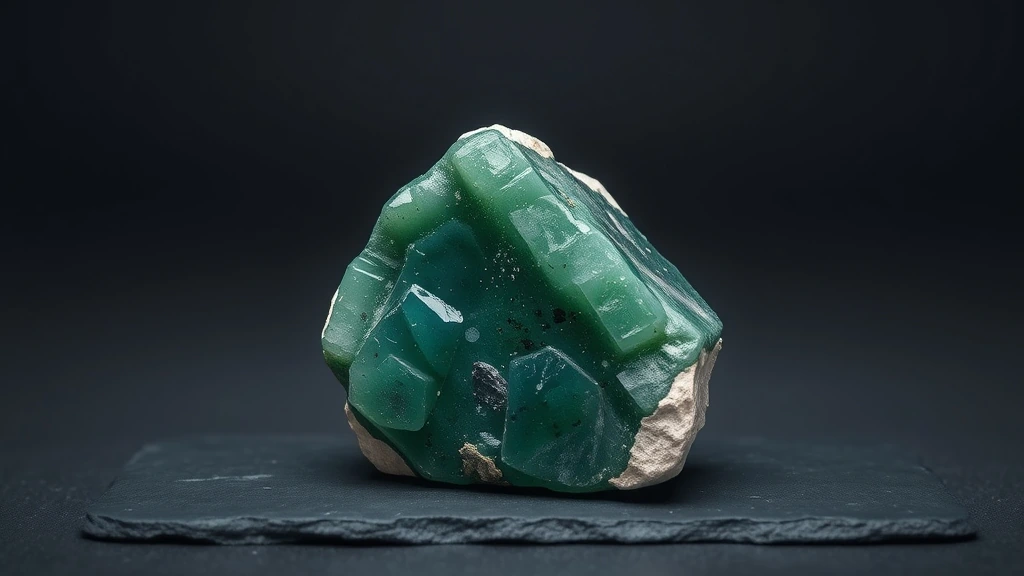
Aventurine belongs to the natural mineral/crystal family and is classified as a cryptocrystalline variety of quartz. Its formation occurs in hydrothermal veins and alluvial deposits where fine‑grained silica precipitates around minute mica, hematite, or goethite platelets that produce the famed “aventurine sheen.” This micro‑inclusion texture gives the stone its distinctive sparkle while retaining the overall amorphous appearance of quartz aggregates.
What is Aventurine Gemstone? Geological Overview & Definition
Aventurine is a cryptocrystalline quartz whose individual silica crystals are too small to be seen without magnification, resulting in a glassy, translucent matrix. The stone’s hallmark sparkle, known as *aventurescence*, arises from light reflecting off sub‑microscopic mineral platelets uniformly dispersed throughout the host.
The gemstone is typically found in alluvial placer deposits where erosion liberates the fine particles from primary veins. Its color range spans green, blue, orange, and brown, each hue dictated by the type and concentration of the metallic inclusions that act as chromophore centers.
Aventurine Gemstone Chemical Composition & Crystallographic Properties
Aventurine’s chemistry is dominated by silicon dioxide (SiO₂), identical to that of pure quartz, but its cryptocrystalline nature means the silica grains are aggregated in an amorphous‑like fabric rather than a well‑ordered lattice. This microstructure yields a bulk material that behaves like quartz in hardness yet lacks distinct crystal faces.
Cation substitution is minimal; instead, trace amounts of Fe²⁺, Fe³⁺, or Mn²⁺ are hosted within the inclusions, not the silica framework. These ions do not alter the primary SiO₄ tetrahedral network but provide the metallic particles that generate the stone’s optical effects.
Aventurine is acid‑sensitive; exposure to strong acids can dissolve the silica matrix, releasing the embedded platelets and dulling the surface sheen. Consequently, cleaning should employ mild, pH‑neutral solutions to preserve its integrity.
Thermally, aventurine remains stable up to about 600 °C, beyond which the silica begins to recrystallize and the inclusions may oxidize, changing the color and diminishing the aventurescent effect. Controlled heating is sometimes used to enhance clarity, but excessive heat can permanently alter its visual character.
| Property | Specification |
|---|---|
| Mineral Group | Natural Mineral / Crystal |
| Chemical Formula | SiO₂ (Quartz) with inclusions of hematite, biotite, or fuchsite |
| Mohs Hardness | 7.0 |
| Crystal System | Trigonal |
| Specific Gravity (Density) | 2.65 |
| Refractive Index | 1.544 – 1.553 |
| Color & Optical Properties | Natural Aventurine Gemstone color spectrum and optical dispersion |
| Primary Mining Localities | Global primary localities |
| Water & Chemical Resistance | High (Safe for gentle water washing) |
| Chakra Alignment (Traditional) | Heart Chakra |
| Zodiac Affinity (Traditional) | Taurus, Libra |
| Symbolic Meaning (Traditional) | Good luck, abundance, and emotional balance |
Aventurine Gemstone Varieties & Color Spectrum
Aventurine is a silicate mineral variety of quartz, distinguished by its characteristic aventurescence caused by microscopic inclusions. This optical phenomenon creates a shimmering, glass-like appearance that sets it apart from standard clear quartz. The primary chemical composition remains SiO₂, but the visual identity depends entirely on the type and density of suspended particles.
Green Aventurine
Green aventurine is the most commercially recognized variety, prized for its vibrant, mossy green hue. Its coloration typically results from inclusions of chlorite or fuchsite mica flakes dispersed within the quartz matrix. These microscopic platelets reflect light to produce a distinct, sparkling surface effect known as the aventurescent phenomenon.
This variety is widely available and often used in beadwork and tumbled stone collections. While high-quality specimens with intense saturation are rare, moderate grades are abundant in global markets. The presence of fuchsite inclusions is the primary driver for its premium valuation among collectors.
Red Aventurine
Red aventurine features a warm, coppery-red tone derived from inclusions of hematite or lepidocrocite. These iron oxide minerals create a metallic luster that contrasts sharply with the translucent quartz host. The resulting visual effect is often described as fiery or sunset-like, appealing to jewelry designers.
Geologically, this variety forms in hydrothermal veins where iron-rich fluids interact with silica. The density of hematite flakes determines the intensity of the red coloration and the strength of the shimmer. High-grade red aventurine is less common than its green counterpart, making it a sought-after alternative.
Blue Aventurine
True blue aventurine is exceptionally rare in nature, as most blue specimens found in commerce are dyed or heat-treated. Natural blue tones may arise from inclusions of goethite or other iron oxides under specific lighting conditions. However, the market is predominantly saturated with artificially enhanced stones to meet consumer demand.
When natural, the blue hue is usually subtle and pale, lacking the vibrant intensity of synthetic alternatives. Gemologists must carefully distinguish between natural inclusions and artificial dyes using magnification. The scarcity of genuine blue material makes it a niche item for serious mineral collectors.
Gold Aventurine
Gold aventurine displays a rich, metallic yellow to bronze coloration, often attributed to pyrite or cinnabar inclusions. These sulfide minerals create a brilliant, golden shimmer that mimics the appearance of gold leaf suspended in glass. The visual impact is striking, with a warm, radiant glow under direct light.
This variety is frequently associated with prosperity and abundance in metaphysical traditions. The density of pyrite flakes significantly influences the stone’s overall luster and commercial appeal. While not as common as green aventurine, gold specimens command higher prices due to their aesthetic rarity.
Black Aventurine
Black aventurine is characterized by its deep, opaque appearance with a subtle, dark shimmer. The coloration is primarily due to high concentrations of graphite or magnetite inclusions within the quartz matrix. These dark minerals absorb most light, leaving only a faint, metallic sparkle visible on the surface.
This variety is often confused with black quartz or obsidian, but its distinct aventurescence provides a key differentiator. It is less popular in mainstream jewelry but valued for its unique, understated elegance. The presence of magnetite can also impart slight magnetic properties to the stone.
Where is Aventurine Gemstone Found? Geological Mining & Extraction
Aventurine typically forms in pegmatite veins and hydrothermal quartz deposits where silica-rich fluids cool slowly. These geological environments allow for the gradual crystallization of quartz and the simultaneous precipitation of fine-grained mineral inclusions. The specific composition of the host rock dictates the type of inclusions present in the final gemstone.
Major mining regions include Brazil, India, and the United States, particularly in states like California and Arizona. In Brazil, aventurine is often extracted from alluvial deposits, where weathering has liberated the stones from the parent rock. India is also a significant producer, with mines in Rajasthan yielding high-quality green and red varieties.
Historical Significance & Cultural Lore of Aventurine Gemstone
Historically, aventurine was believed to be a form of glass created by alchemists attempting to synthesize emeralds. This misconception arose because the stone’s shimmering appearance closely resembles the effect of gold leaf in glass. Early European gemologists often categorized it as a “fictitious” stone rather than a natural mineral.
In modern times, aventurine has gained popularity in alternative healing practices, where it is associated with luck and prosperity. Archaeological evidence suggests that similar quartz varieties were used in ancient jewelry, though specific attribution to aventurine is difficult. The stone’s enduring appeal lies in its unique optical properties and vibrant color range.
Modern Uses & Jewelry Applications of Aventurine Gemstone
Lapidaries primarily cut aventurine into smooth cabochons to maximize its characteristic chatoyant luster. This technique highlights the shimmering mica inclusions that define the stone’s visual appeal. Faceted cuts are rare due to the material’s inherent brittleness and low transparency.
- Cabochon Jewelry: Ideal for rings, pendants, and earrings where the “aventurescence” effect is most visible.
- Ornamental Carving: Used for decorative boxes, beads, and architectural accents in Art Nouveau designs.
- Polished Slabs: Employed in high-end interior design for countertops and wall panels.
Metaphysical Properties & Traditional Meaning of Aventurine Gemstone
According to historical traditions and metaphysical lore, aventurine is revered as the Stone of Hope and good luck. Practitioners believe it attracts positive energy and enhances personal confidence during challenging life transitions. Its green hue is associated with growth, renewal, and emotional healing.
The stone is said to promote emotional balance by soothing anxiety and fostering optimism. Users often report a sense of calm and clarity when wearing this mineral. It is traditionally used to manifest new beginnings and improve interpersonal relationships.
Which Chakra and Zodiac Signs Align with Aventurine Gemstone?
Aventurine is canonically aligned with the Root Chakra and the Heart Chakra. The Root Chakra connection grounds the wearer, providing stability and security. Simultaneously, the Heart Chakra alignment supports love, compassion, and emotional openness.
In astrological practice, this gemstone resonates strongly with Taurus, Gemini, and Leo. Taurus appreciates its grounding nature, while Gemini benefits from its mental clarity. Leo finds empowerment and creative confidence through this stone’s vibrant energy.
How to Identify Real vs. Fake Aventurine Gemstone
Natural aventurine is a variety of quartz, but it is frequently imitated by synthetic glass or dyed stones. Glass imitations often appear too uniform and lack the natural imperfections found in mineral specimens. Dyed replicas may show color pooling in cracks or surface irregularities.
Practical At-Home Authenticity Tests
- Temperature Test (Thermal Feel): Real aventurine feels cool to the touch initially and warms slowly. Glass imitations tend to reach room temperature much faster.
- Specific Gravity & Weight Test: Genuine quartz has a specific gravity of 2.65. It feels heavier than glass of the same size, which typically has a lower density.
- Scratch & Hardness Test (Mohs Comparison): Aventurine rates 7 on the Mohs scale. It can scratch glass (hardness 5.5) but will not be scratched by a steel knife (hardness 5.5).
- Microscopic & Loupe Inspection (Internal Inclusions): Use a 10x loupe to look for natural mica flakes and mineral inclusions. Glass often contains tiny, perfectly round air bubbles, which are absent in natural stone.
Aventurine Gemstone Valuation Factors, Grading & Pricing
Market value hinges primarily on Color Saturation and the uniformity of the stone’s tone. High-grade specimens exhibit a vibrant, consistent hue without muddy or patchy areas. Additionally, the optical clarity and surface luster significantly influence the final appraisal.
The Carat Weight of the stone directly impacts its per-carat price, especially for larger cuts. Facet symmetry must be precise to maximize light reflection and visual appeal. However, the presence of a matrix or heavy inclusions can lower the grade, as these features disrupt the desired aventurescent effect.
Geographical Provenance Premium often elevates the value of stones from renowned mining regions. Current market trends show steady demand for high-quality specimens in both wholesale and retail sectors. Buyers should expect price fluctuations based on global supply chains and collector interest.
How to Clean and Care for Aventurine Gemstone
To maintain the stone’s integrity, always use warm soapy water and a soft cloth for gentle cleaning. This method effectively removes oils and dust without causing damage. It is crucial to avoid ultrasonic cleaners, as the vibrations can induce structural fractures in the mineral.
Rinse the gemstone thoroughly with lukewarm water to remove any soap residue. Dry it immediately with a lint-free cloth to prevent water spots. Regular, gentle maintenance ensures the aventurine retains its natural sparkle and durability over time.
Cleansing and Recharging Aventurine Gemstone (Energetic Care)
For energetic maintenance, place the stone on a selenite plate to facilitate a gentle, dry recharge. This method avoids any contact with water or harsh chemicals. It allows the crystal to absorb ambient energy safely without risking physical damage.
Alternatively, you may use smoke smudging with sage or palo santo for purification. Ensure the stone is kept away from direct heat sources during this process. These dry methods respect the mineral’s physical stability while addressing metaphysical care preferences.
Frequently Asked Questions About Aventurine Gemstone
What is the chemical composition of aventurine?
Aventurine is a variety of quartz composed of silicon dioxide (SiO₂). It derives its characteristic sparkle from microscopic inclusions of mica, hematite, or goethite, which create a shimmering *aventurescence*. These mineral platelets reflect light, giving the stone its distinctive glittery appearance prized in jewelry.
Is aventurine safe to wear in the shower or during swimming?
Yes, aventurine has high water resistance and is safe for gentle water washing. Routine exposure to rain, hand washing, or a brief shower will not damage the stone, provided it is not subjected to harsh chemicals or prolonged submersion. A soft cloth can be used to dry it afterward.
Can I clean aventurine with an ultrasonic cleaner?
No, avoid ultrasonic cleaners; instead use warm soapy water and a soft cloth. The high-frequency vibrations of ultrasonic devices can create micro‑fractures in the delicate mica inclusions, compromising the stone’s sparkle. Gentle hand cleaning preserves both clarity and structural integrity.
Which zodiac signs are most compatible with aventurine?
Aventurine is traditionally aligned with Taurus, Gemini, and Leo. Those born under these signs are said to benefit from the stone’s grounding energy and confidence‑boosting properties, making it a popular talisman for personal growth and decision‑making.
How does aventurine interact with the body’s energy centers?
Aventurine resonates with the Heart Chakra. It is believed to promote stability, security, and emotional balance, helping wearers feel more centered while encouraging compassion and love. This dual‑chakra alignment makes it a favored stone in holistic practices.
Is aventurine suitable for everyday jewelry?
Yes, its hardness of 7 on the Mohs scale makes it durable for daily wear. While resistant to scratches from most household items, care should be taken to avoid hard impacts. Regular cleaning with a soft cloth will keep its sparkle vivid.
Does heat treatment affect aventurine’s color or sparkle?
Heat treatment can alter the intensity of aventurine’s green hue but may diminish its natural aventurescence. Commercially, some stones are gently heated to enhance color uniformity; however, excessive heat can degrade the mica inclusions, reducing the characteristic shimmer.
How can I tell if an aventurine stone is genuine?
Authentic aventurine displays a subtle, metallic glitter when tilted under light. Look for uneven, natural‑looking inclusions rather than a uniform, synthetic sheen. A genuine stone will also feel cool to the touch, consistent with its quartz base, and will not exhibit bubbles or resin coatings.