
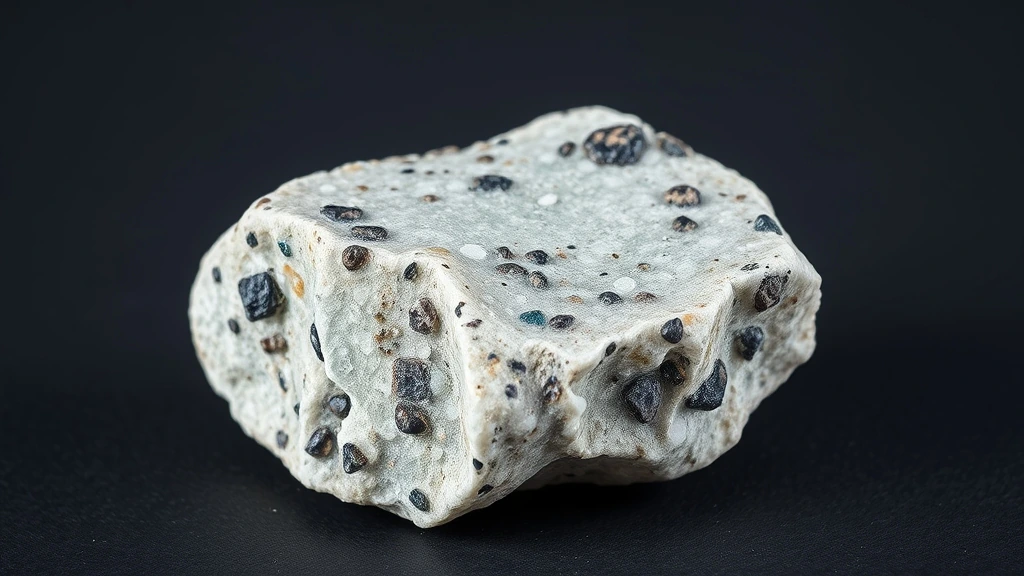
Hemimorphite belongs to the natural mineral family of zinc silicates and crystallizes as a well‑defined orthorhombic crystal. Formed in the oxidized zones of zinc ore deposits, it often replaces sphalerite through secondary alteration, linking it directly to the broader Natural Mineral / Crystal group.
What is Hemimorphite Gemstone? Geological Overview & Definition
Hemimorphite is a secondary zinc ore that precipitates in the oxidation zones of lead‑zinc sulfide deposits. Its name derives from the Greek “hemi‑” (half) and “morph‑” (shape), reflecting the habit of crystals that terminate with different forms on opposite ends.
The gemstone is prized for its soft, pastel coloration—ranging from milky white to sky‑blue—produced by trace impurities and structural water. While not as hard as quartz, its modest hardness and attractive luster make it a popular collector’s piece and occasional component in low‑impact jewelry.
Hemimorphite Gemstone Chemical Composition & Crystallographic Properties
The mineral’s formula Zn₄Si₂O₇(OH)₂·H₂O reveals a framework of silicate tetrahedra linked to zinc cations and coordinated hydroxyl groups. Zinc occupies two distinct crystallographic sites, allowing limited cation substitution (e.g., small amounts of Mn²⁺ or Fe²⁺) that can subtly shift color.
Crystallographically, hemimorphite is orthorhombic, with three mutually perpendicular axes of unequal length (a ≠ b ≠ c). Its lattice features chains of Si₂O₇ groups that run parallel to the b‑axis, while ZnO₆ octahedra bridge these chains, creating a robust yet flexible framework.
The mineral is acid‑sensitive; exposure to dilute hydrochloric acid can dissolve the hydroxyl‑bearing layers, releasing zinc ions. This reactivity is a diagnostic test in the field, distinguishing hemimorphite from similar‑looking minerals such as smithsonite.
Color in hemimorphite arises from chromophore centers where trace transition metals absorb specific wavelengths, producing the characteristic blue‑green palette. Upon heating above ~300 °C, the structural water is expelled, leading to a permanent loss of color and a transition to a more opaque, white residue.
| Property | Specification |
|---|---|
| Mineral Group | Natural Mineral / Crystal |
| Chemical Formula | Zn₄ Si₂ O₇ (OH)₂ ·H₂ O |
| Mohs Hardness | 4.5–5 |
| Crystal System | Orthorhombic |
| Specific Gravity (Density) | 3.516–3.525 |
| Refractive Index | n α = 1.614 n β = 1.617 n γ = 1.636 |
| Color & Optical Properties | Natural Hemimorphite Gemstone color spectrum and optical dispersion |
| Primary Mining Localities | Global primary localities |
| Water & Chemical Resistance | High (Safe for gentle water washing) |
| Chakra Alignment (Traditional) | Heart Chakra |
| Zodiac Affinity (Traditional) | Taurus, Capricorn |
| Symbolic Meaning (Traditional) | Emotional balance, grounding, and protection |
Hemimorphite Gemstone Varieties & Color Spectrum
Hemimorphite exhibits a diverse range of color morphs driven by trace element substitutions within its crystal lattice. The most commercially significant specimens display translucent to transparent hues that enhance their gemological appeal. Understanding these variations is crucial for accurate identification and valuation in the mineral trade.
Blue Hemimorphite
This prized variety features a distinct sky-blue to deep azure tint caused by trace impurities. It typically forms in zinc-rich hydrothermal veins where specific chemical conditions prevail. The orthorhombic crystal habit is often well-preserved, showcasing striking terminations. High-clarity blue specimens are rare and command premium prices among collectors.
Green Hemimorphite
Emerald-green to olive-green tones arise from minor iron or copper contamination during formation. These stones often exhibit a waxy luster that complements their earthy pigmentation. They are frequently found in association with sphalerite and galena deposits. The refractive index remains consistent, but color zoning may be visible under magnification.
White Hemimorphite
Pure white specimens indicate high chemical purity with minimal trace element interference. They often display a glassy to pearly luster, enhancing their visual clarity. This variety is common in oxidized zones of zinc ore bodies. While less vibrant than colored morphs, they are valued for their crystal symmetry and optical properties.
Pink Hemimorphite
Rare pink hues result from manganese or other transition metal inclusions. These stones are exceptionally scarce and often found in specific geological settings. The color is typically diffuse rather than zoned, creating a soft aesthetic. Collectors prize these specimens for their uniqueness and geological rarity.
Clear Hemimorphite
Transparent to colorless crystals represent the purest form of the mineral. They allow for excellent observation of internal structural features and inclusions. Such specimens are ideal for studying the crystal system and optical behavior. High clarity is a key factor in determining their gemological quality.
Where is Hemimorphite Gemstone Found? Geological Mining & Extraction
Hemimorphite primarily forms in the oxidized zones of zinc ore deposits, often alongside sphalerite and galena. These minerals develop within hydrothermal veins or replacement zones in carbonate host rocks. The geological environment requires specific pH and temperature conditions for stable crystal growth.
Major mining regions include the Erzgebirge Mountains in Germany and the Tsumeb mine in Namibia. The Tsumeb deposit is renowned for producing exceptionally large and well-formed crystals. Other notable locations include the United States, particularly in Missouri and Tennessee. Extraction involves careful hand-picking to preserve the delicate crystal terminations and structural integrity.
Historical Significance & Cultural Lore of Hemimorphite Gemstone
Although not widely used in ancient jewelry, hemimorphite has been collected since the 18th century. Early mineralogists valued it for its distinctive crystal form and optical properties. It served as a key specimen in the development of crystallographic theory. Its presence in historical collections underscores its scientific importance.
In modern times, hemimorphite is associated with emotional balance and grounding in crystal healing practices. It is linked to the Heart Chakra, promoting harmony and protection. While lacking extensive archaeological artifacts, its lore has grown through contemporary metaphysical traditions. This mineral continues to bridge scientific study with cultural significance.
Modern Uses & Jewelry Applications of Hemimorphite Gemstone
Hemimorphite is primarily valued for its unique crystal habit rather than traditional gemstone faceting. Due to its moderate Mohs hardness of 4.5–5, it is best suited for protective settings or display pieces. Lapidaries often cut these specimens into cabochons to showcase their translucency and internal structure.
- Cabochon Cutting: Smooth, polished domes highlight the stone’s waxy luster and internal inclusions without risking fracture.
- Ornamental Carving: Skilled artisans carve small figurines or decorative elements, leveraging the mineral’s orthorhombic cleavage planes.
- Specimen Display: High-quality crystals are often mounted as-is to preserve their distinctive “dogtooth” termination shapes.
Metaphysical Properties & Traditional Meaning of Hemimorphite Gemstone
According to historical traditions and metaphysical lore, hemimorphite is revered for its ability to foster emotional balance and stability. Practitioners believe this mineral helps ground the wearer, providing a sense of security during turbulent times. It is often associated with protection against negative energies and emotional volatility.
The stone’s earthy tones and solid structure symbolize grounding and resilience. Users report that holding hemimorphite promotes a calm state of mind, aiding in the release of pent-up emotions. This mineral is frequently used in meditation to anchor the spirit and enhance personal boundaries.
Which Chakra and Zodiac Signs Align with Hemimorphite Gemstone?
In chakra theory, hemimorphite is most strongly aligned with the Heart Chakra. This connection stems from its reputed ability to heal emotional wounds and foster compassion. By balancing the heart center, the stone encourages open communication and deepens interpersonal relationships.
Astronomically, hemimorphite resonates with the earth signs of Taurus and Capricorn. These zodiac signs value stability, practicality, and long-term security, traits mirrored by the mineral’s dense composition. The stone’s grounding energy complements the inherent patience and determination of these earthy constellations.
How to Identify Real vs. Fake Hemimorphite Gemstone
Artificial imitations of hemimorphite often involve synthetic glass or dyed quartz replicas designed to mimic its pale blue or white hues. These fakes lack the natural internal complexity and specific physical properties of the genuine mineral. Identifying these substitutes requires attention to subtle visual and tactile differences.
Practical At-Home Authenticity Tests
- Temperature Test (Thermal Feel): Genuine hemimorphite feels cool to the touch initially and warms slowly. Glass imitations tend to warm up much faster due to their different thermal conductivity.
- Specific Gravity & Weight Test: Real hemimorphite has a density of 3.516–3.525, making it feel noticeably heavier than similarly sized glass or plastic fakes.
- Scratch & Hardness Test (Mohs Comparison): With a hardness of 4.5–5, hemimorphite will scratch glass (hardness 5.5) only with difficulty but will be scratched by a steel knife.
- Microscopic & Loupe Inspection (Internal Inclusions): Use a 10x loupe to look for natural fluid inclusions or crystal growth patterns. Synthetic glass often contains perfect, circular bubbles or lacks any internal structure.
Hemimorphite Gemstone Valuation Factors, Grading & Pricing
The primary driver of market value is Color Saturation, which should exhibit a uniform, pale blue to white tone. High-quality specimens display exceptional optical clarity with a distinct vitreous luster that enhances their visual appeal. Any zoning or color mottling significantly diminishes the gemstone’s aesthetic grade and commercial desirability.
Carat Weight plays a critical role, as larger, clean crystals are exponentially rarer and command premium prices. Facet symmetry must be precise to maximize light return, while the absence of visible inclusions is highly prized. Matrix presence can either add geological interest or detract from purity, depending on the collector’s specific intent.
Geographical Provenance Premium often elevates prices for specimens from renowned localities like the United States or Germany. Wholesale values remain modest due to the mineral’s relative abundance, but retail prices vary widely based on cut quality. Market trends favor well-polished cabochons and high-clarity faceted stones for jewelry applications.
How to Clean and Care for Hemimorphite Gemstone
Given its moderate Mohs Hardness of 4.5–5, hemimorphite requires gentle handling to prevent surface abrasion and scratches. Always use warm soapy water and a soft cloth to remove dust and oils from the surface. This method effectively cleans the stone without risking damage to its delicate crystal structure.
You must strictly avoid ultrasonic cleaners, as the vibrations can cause structural fractures in this orthorhombic mineral. Steam cleaning is also discouraged due to the potential for thermal shock and internal stress. Regular, careful maintenance ensures the stone retains its luster and integrity over time.
Cleansing and Recharging Hemimorphite Gemstone (Energetic Care)
For energetic cleansing, utilize dry methods that respect the mineral’s sensitivity to moisture and heat. Smoke smudging with sage or palo santo is an excellent way to clear stagnant energy without physical contact. This approach aligns with the stone’s association with emotional balance and grounding properties.
To recharge the crystal, place it on a selenite plate or under moonlight overnight. These methods gently restore the stone’s vibrational frequency without exposing it to harsh environmental elements. Avoid direct sunlight, which may cause fading or thermal expansion issues.
Frequently Asked Questions About Hemimorphite Gemstone
Is hemimorphite safe to wear in the shower or during swimming?
Yes, hemimorphite has high water resistance and can tolerate gentle water washing. While it will not dissolve, prolonged exposure to hot water or harsh detergents can dull its surface. A quick rinse with lukewarm water and a soft cloth will keep the stone looking vibrant without risking damage.
How should I clean my hemimorphite jewelry at home?
Clean hemimorphite with warm soapy water and a soft, lint‑free cloth. Avoid ultrasonic cleaners because the rapid vibrations can cause micro‑fractures in the orthorhombic crystal lattice. Gently wipe the stone, rinse, and pat dry to preserve its refractive index and luster.
Can hemimorphite be used in everyday rings or bracelets?
Yes, its Mohs hardness of 4.5–5 makes it suitable for occasional wear but not for heavy‑impact activities. The stone may scratch against harder minerals like quartz or topaz, so it’s best reserved for pieces that won’t endure frequent knocks. Regular inspection helps catch early wear.
What zodiac signs are most aligned with hemimorphite?
Hemimorphite is traditionally associated with Taurus and Capricorn. These earth signs value stability and practicality, mirroring the stone’s grounding esoteric keywords of emotional balance and protection. Wearing it during key astrological periods may enhance those qualities.
Which chakra does hemimorphite activate?
Hemimorphite resonates with the Heart Chakra. This alignment supports emotional openness, compassion, and the grounding of feelings, making the stone popular in meditation and energy‑healing practices focused on love and inner peace.
Does hemimorphite change color when exposed to light?
No, hemimorphite maintains a consistent pale to deep blue‑green hue under normal lighting. Its color is derived from trace copper and zinc ions within the orthorhombic structure, which are stable and do not fluoresce or fade with ordinary indoor or outdoor illumination.
Is hemimorphite a good choice for birthstone gifts?
While not a traditional birthstone, hemimorphite’s properties make it a thoughtful gift for Taurus or Capricorn individuals. Its emotional balance qualities complement the practical nature of these signs, offering both aesthetic appeal and metaphysical support.
Can I set hemimorphite in a metal that may oxidize, like copper?
Yes, but be aware that copper oxidation can stain the stone’s surface over time. The porous hydrous component of hemimorphite may absorb slight discoloration, so a protective clear coating or setting in stainless steel or gold is often recommended for long‑term brilliance.