
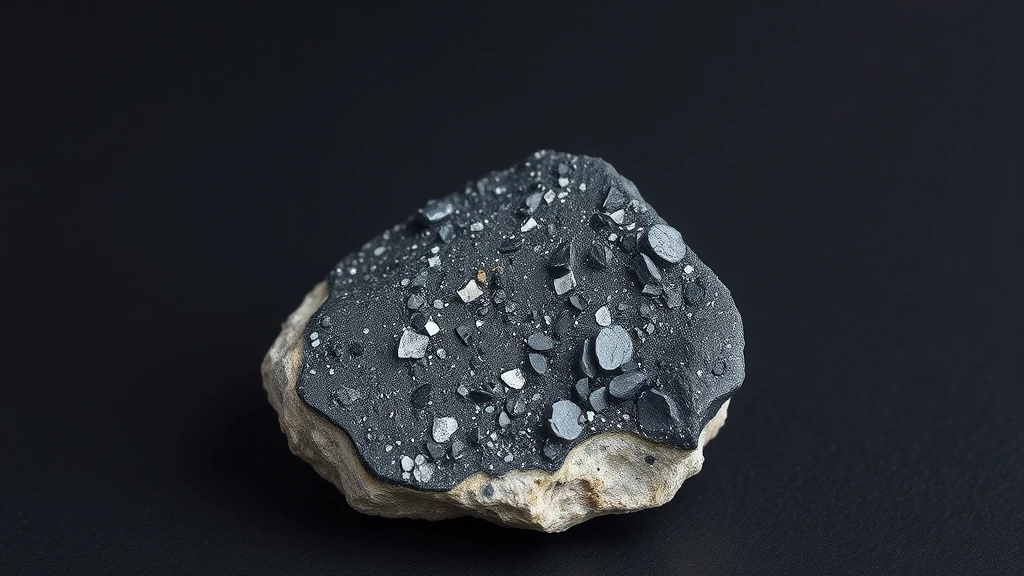
Sphalerite belongs to the natural mineral group, forming as discrete crystals rather than as an aggregate rock. It crystallizes in the cubic crystal system, a hallmark of its highly symmetrical lattice, and is the primary ore of zinc worldwide. Its occurrence spans hydrothermal veins, sedimentary exhalative deposits, and metamorphic skarns, reflecting a versatile geological pedigree. While Sphalerite forms as discrete cubic crystals, collectors often contrast its metallic luster with the vibrant, translucent hues of Yellow Fluorite, which shares a similar cubic crystal system but offers a distinctly different aesthetic appeal.
What is Sphalerite? Geological Overview & Definition
Sphalerite is the chief zinc sulfide mineral, recognized for its high zinc content and economic importance as a metal source. It typically occurs as well‑formed dodecahedra or octahedra, displaying perfect cleavage on {111} planes that contribute to its characteristic habit.
In nature, sphalerite forms in hydrothermal veins, Mississippi‑type sedimentary exhalative (SEDEX) deposits, and skarn environments where zinc‑rich fluids interact with carbonate rocks. Its widespread distribution makes it a key indicator mineral for zinc‑bearing ore districts worldwide.
Sphalerite Chemical Composition & Crystallographic Properties
The mineral’s ideal formula is ZnS, yet natural specimens often incorporate iron, manganese, and cadmium, substituting for zinc in the lattice. This cation substitution influences both density, ranging from 3.9 to 4.2 g/cm³, and color, producing the famed orange‑red hues.
Sphalerite’s cubic crystal system yields a face‑centered cubic lattice where each sulfur atom is tetrahedrally coordinated by zinc. The structure is isometric, with a unit‑cell parameter near 5.41 Å, granting the mineral its characteristic isotropic optical behavior.
Acid sensitivity is modest; dilute hydrochloric acid may etch the surface but does not dissolve the mineral rapidly, distinguishing it from more reactive sulfides. Thermal treatment can cause color loss as trapped electrons in chromophore centers recombine, a process exploited in heat‑treatment enhancement of gemstones.
The refractive index nα = 2.369 places sphalerite among the highest‑index gemstones, contributing to its brilliant luster when cut. Its dispersion is also notable, offering fire comparable to that of diamond, though the softness limits practical applications in high‑wear settings.
| Property | Specification |
|---|---|
| Mineral Group | Natural Mineral / Crystal |
| Chemical Formula | ZnS |
| Mohs Hardness | 3.5–4 |
| Crystal System | Cubic crystal system |
| Specific Gravity (Density) | 3.9–4.2 |
| Refractive Index | n α = 2.369 |
| Color & Optical Properties | Natural Sphalerite color spectrum and optical dispersion |
| Primary Mining Localities | Global primary localities |
| Water & Chemical Resistance | High (Safe for gentle water washing) |
| Chakra Alignment (Traditional) | Third Eye Chakra, Crown Chakra |
| Zodiac Affinity (Traditional) | Leo, Sagittarius |
| Symbolic Meaning (Traditional) | Clairvoyance, intuition, and mental clarity |
Sphalerite Varieties & Color Spectrum
Sphalerite exhibits a remarkable chromatic diversity driven by trace element substitutions within its cubic crystal lattice. The most commercially significant form is the translucent to transparent variety known as diamond-like sphalerite. This rare morph displays exceptional brilliance due to its high refractive index of 2.369.
Diamond-Like Sphalerite
This variety forms in low-temperature hydrothermal veins where zinc sulfide precipitates with minimal impurities. Its visual signature mimics diamond, though it possesses a distinct vitreous luster and higher dispersion. Gem-quality specimens are exceptionally rare, often found in specific deposits in the United States.
Blue Sphalerite
Blue hues arise from trace amounts of iron or manganese incorporated during crystal growth. These stones typically exhibit a deep, saturated cobalt tone with a sub-vitreous luster. They are primarily sourced from the Blue Mountains region of Western Australia.
Green Sphalerite
Green coloration results from the presence of nickel or chromium impurities within the ZnS structure. This variety often appears in medium to dark shades with a slight olive undertone. It is less common than blue or yellow forms and is valued for its unique earthy palette.
Yellow Sphalerite
Yellow to orange tones are caused by sulfur vacancies and trace copper inclusions. This is the most common gem-quality variety, frequently cut into faceted stones for jewelry. Its warmth contrasts sharply with the cooler tones of blue or green specimens.
Black Sphalerite
Known as molybdenite-like sphalerite in some contexts, this opaque variety contains high concentrations of carbon or other dark impurities. It is rarely cut for gems but is significant in mineral collections for its metallic luster. Its density ranges from 3.9 to 4.2 g/cm³.
Where is Sphalerite Found? Geological Mining & Extraction
Sphalerite predominantly occurs in hydrothermal veins and sedimentary replacement deposits within carbonate host rocks. It is frequently associated with lead and zinc ores, forming in epigenetic environments where mineralizing fluids interacted with limestone. These deposits are often found in tectonically active regions with significant volcanic history.
Major mining regions include the Molybdenum district of Utah, the Blue Mountains in Western Australia, and the Erzgebirge in Germany. Extraction involves standard open-pit or underground mining techniques, followed by flotation processing to separate zinc sulfide from gangue minerals. The ore is then refined to isolate pure zinc for industrial use.
Historical Significance & Cultural Lore of Sphalerite
Ancient civilizations recognized sphalerite for its metallic luster and association with zinc smelting operations. Roman texts reference the use of zinc compounds in glassmaking and alchemical processes, though the metal itself was not isolated until the 18th century. Archaeological evidence suggests that zinc-bearing minerals were traded along ancient Silk Road routes.
In modern esoteric traditions, sphalerite is linked to the Third Eye Chakra and Crown Chakra, promoting intuition and mental clarity. It is often associated with the zodiac signs Leo and Sagittarius, believed to enhance clairvoyance. This spiritual attribution reflects the stone’s historical role as a catalyst for transformative alchemical change.
Modern Uses & Jewelry Applications of Sphalerite
Sphalerite is prized for its high refractive index and vibrant fluorescence, which allow lapidaries to showcase its fire in both cabochon and faceted forms. Skilled cutters often orient the stone to maximize its octahedral brilliance, while artisans also carve ornamental plaques for decorative interiors. Its relatively low hardness demands protective settings, yet its unique glow makes it a standout in contemporary designs.
- Cabochon pendants that emphasize the stone’s silky luster
- Faceted rings and earrings highlighting internal dispersion
- Ornamental carvings for display pieces and architectural accents
Metaphysical Properties & Traditional Meaning of Sphalerite
According to historical traditions and metaphysical lore, sphalerite is associated with clairvoyance, heightened intuition, and mental clarity. Practitioners believe the stone amplifies inner vision, helping the wearer navigate complex decisions with confidence. Emotionally, it is said to soothe anxiety, encouraging a calm, focused mindset that supports creative expression.
Which Chakra and Zodiac Signs Align with Sphalerite?
Sphalerite resonates strongly with the Third Eye Chakra, stimulating insight and psychic perception, while also linking to the Crown Chakra, which governs spiritual connection and higher consciousness. When placed on these energy centers, the stone is thought to open channels for deeper meditation and expanded awareness.
Aligned zodiac signs for sphalerite are Leo and Sagittarius. Leo’s radiant confidence and Sagittarius’s adventurous curiosity are believed to be enhanced by the stone’s clarifying influence, fostering bold self‑expression and a quest for truth.
How to Identify Real vs. Fake Sphalerite
Artificial imitations of sphalerite include glass substitutes, resin‑filled composites, and dyed natural minerals that mimic its characteristic glow. Synthetic versions often lack the subtle internal inclusions and specific density that define genuine sphalerite, making careful observation essential for collectors and jewelers.
Practical At-Home Authenticity Tests
- Temperature Test (Thermal Feel): Real sphalerite feels cool to the touch and retains that chill longer than glass or plastic imitations, which quickly warm to skin temperature.
- Specific Gravity & Weight Test: With a density of 3.9–4.2 g/cm³, authentic sphalerite feels noticeably heavier than glass of similar size; a simple water‑displacement test can confirm this range.
- Scratch & Hardness Test (Mohs Comparison): Using a copper coin (hardness ~3) will leave a faint mark on genuine sphalerite (hardness 3.5–4), whereas glass (hardness ~5.5) will not be scratched.
- Microscopic & Loupe Inspection (Internal Inclusions): Under 10× magnification, natural sphalerite shows characteristic cubic twinning and minute mineral inclusions, while synthetic glass appears uniformly clear with no internal structure.
Sphalerite Valuation Factors, Grading & Pricing
Color Saturation drives the top tier of sphalerite pricing, as deep amber, honey‑gold, or vivid orange hues command premium rates. The intensity of color saturation reflects both trace element chemistry and the stone’s natural energetic luster, making visually vibrant specimens especially sought after by collectors. Even subtle shifts toward paler tones can lower market value dramatically, despite identical chemical composition.
Crystal Size & Weight (Grams) is the second decisive metric, with larger, heavier pieces fetching higher prices when they retain a clean, well‑polished surface. Crystal size measured in grams, combined with the quality of raw versus tumbled polish, determines the stone’s market tier; a well‑polished, sizable specimen without excessive matrix inclusions can double the price per gram. Inclusions of natural matrix material are tolerated, but extensive veining or fractures reduce the valuation.
Ethical Sourcing & Locality Premium increasingly influence both holistic and collector markets, rewarding mines that adhere to responsible labor and environmental standards. Ethical sourcing adds a measurable premium, especially for sphalerite from historically significant localities such as the Zaire or Canadian deposits, where provenance enhances both rarity and narrative appeal. Buyers often pay extra for documented, conflict‑free origins, linking the mineral’s metaphysical reputation to sustainable practices.
How to Clean and Care for Sphalerite
Gentle cleaning of sphalerite is best performed with warm soapy water and a soft cloth, ensuring that the surface remains free of dust and oils without risking damage. After rinsing, pat the stone dry with a clean microfiber towel, avoiding any abrasive motions that could scratch the crystal lattice. Ultrasonic cleaners should be avoided, as the vibrations may cause micro‑fractures in the relatively soft mineral.
Cleansing and Recharging Sphalerite (Energetic Care)
For holistic maintenance, place the sphalerite on a clean selenite charging slab and allow it to rest for several hours, letting the neutral selenite absorb and release any stagnant energy. Alternatively, a brief session of herbal smudging with sage or cedar can clear the stone’s field, provided the smoke is directed gently and the mineral is not exposed to direct flame.
Moonlight exposure offers a subtle, non‑thermal method to rejuvenate the stone’s vibrational qualities; simply lay the sphalerite on a windowsill during a clear night and retrieve it at sunrise. This practice respects the mineral’s structural integrity while aligning its energetic properties with natural lunar cycles.
Frequently Asked Questions About Sphalerite
What is the chemical composition of sphalerite?
Sphalerite is a zinc sulfide mineral with the chemical formula ZnS. This compound forms the primary ore of zinc, making it economically vital for industrial applications. Its cubic crystal system structure contributes to its distinctive cleavage properties.
How hard is sphalerite on the Mohs scale?
Sphalerite rates between 3.5 and 4 on the Mohs hardness scale. This moderate hardness makes it susceptible to scratching by common minerals like quartz. Careful handling is required to preserve the integrity of its perfect cleavage planes.
Can I wear sphalerite in the shower?
Yes, gentle water washing is safe for sphalerite gems. The mineral possesses high water resistance, allowing it to withstand brief exposure to moisture. However, avoid prolonged soaking or harsh chemical detergents that might affect its specific gravity of 3.9–4.2.
How should I clean my sphalerite jewelry?
Use warm soapy water and a soft cloth for cleaning. Avoid ultrasonic cleaners entirely, as the vibrations can cause structural fractures in the crystal lattice. A gentle manual approach ensures the surface remains free of dust without risking damage.
Which zodiac signs are aligned with sphalerite?
Sphalerite is traditionally associated with Leo and Sagittarius. These fire signs are believed to resonate with the stone’s energetic properties. Many practitioners use it to enhance mental clarity and intuition for these specific astrological profiles.
What chakras does sphalerite connect to?
It primarily activates the Third Eye and Crown Chakras. This alignment supports spiritual awareness and higher consciousness. The stone is used in meditation to facilitate clairvoyance and deepen the connection to intuitive faculties.
What is the refractive index of sphalerite?
Sphalerite exhibits a high refractive index of nα = 2.369. This optical property gives the gemstone a brilliant, diamond-like luster. Such high dispersion contributes to its visual appeal in faceted gem cuts.
Is sphalerite suitable for daily wear?
It is less ideal for daily wear due to its moderate hardness. The Mohs hardness of 3.5–4 means it scratches easily against harder materials. Reserve it for occasional display or protective settings to maintain its aesthetic quality.