
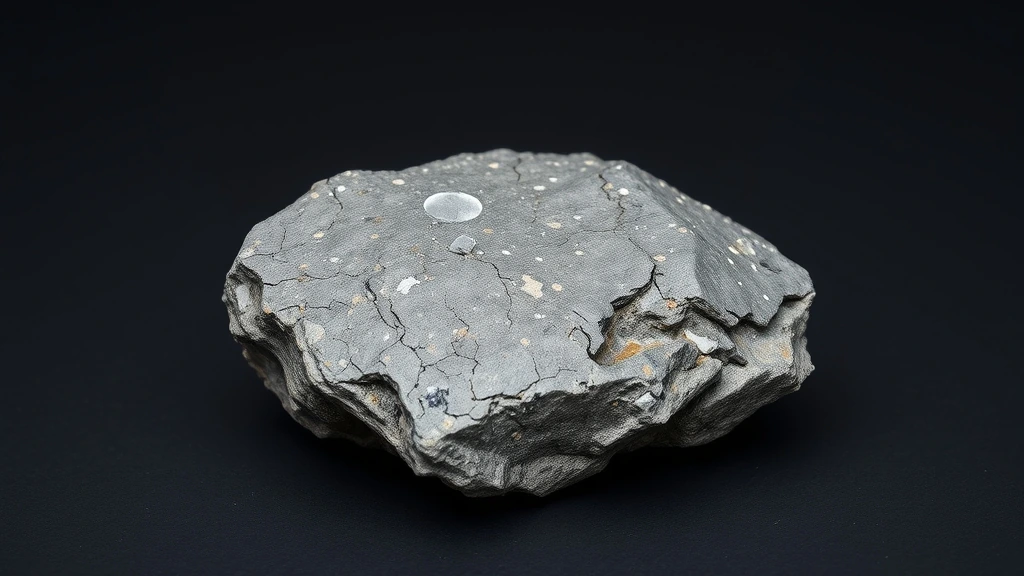
Limonite belongs to the broad Natural Mineral / Crystal group and is classified as a secondary iron ore formed by the weathering of primary sulfides and silicates. Though often encountered as a porous, earthy aggregate, it is recognized as a distinct mineral species in modern gemological literature. Its formation reflects oxidative environments where groundwater supplies oxygen and water, precipitating iron‑oxyhydroxide particles that cement together into the familiar brownish masses used in ornamental lapidary.
What is Limonite? Geological Overview & Definition
Limonite is an iron‑oxyhydroxide aggregate that typically forms in lateritic soils, bogs, and oxidized zones of ore deposits. It appears as earthy, fibrous, or botryoidal masses, ranging in hue from bright lemon yellow to deep chocolate brown, depending on the proportion of its constituent phases.
Across ancient lapidary traditions, limonite has been prized for its warm coloration and ease of carving, featuring in Egyptian amulets and Greco‑Roman jewelry. Modern gemologists categorize it as a secondary mineral because it never crystallizes directly from magma but results from the alteration of primary iron minerals such as pyrite and magnetite.
Limonite Chemical Composition & Crystallographic Properties
Although limonite lacks a fixed stoichiometric formula, it is an aggregate of trigonal iron‑oxyhydroxide minerals, primarily goethite (FeO·OH) with minor lepidocrocite and other hydrated phases. The overall structure conforms to the trigonal crystal system, where each iron cation occupies octahedral sites within a layered lattice.
Cation substitution is common; trace amounts of manganese, aluminum, or silica can replace iron, subtly shifting the lattice parameters and influencing density, which ranges from 2.9 to 4.3 g cm⁻³. This variability accounts for the broad spectrum of colors and the occasional presence of faint green or reddish hues.
Limonite is acid sensitive; dilute hydrochloric acid will effervesce weakly as surface hydroxyl groups react, releasing water and iron ions. The chromophore responsible for its yellow‑brown palette is the Fe³⁺ charge‑transfer band, which absorbs blue‑green light and reflects longer wavelengths.
When heated, limonite dehydrates, losing structural water and converting to hematite or magnetite depending on temperature and atmosphere. This thermal transformation is irreversible and is exploited in archaeological studies to date iron‑rich deposits and to assess past climatic conditions.
| Property | Specification |
|---|---|
| Mineral Group | Natural Mineral / Crystal |
| Mohs Hardness | 4–5.5 |
| Crystal System | Trigonal |
| Specific Gravity (Density) | 2.9–4.3 |
| Color & Optical Properties | Natural Limonite color spectrum and optical dispersion |
| Primary Mining Localities | Global primary localities |
| Water & Chemical Resistance | High (Safe for gentle water washing) |
| Chakra Alignment (Traditional) | Root Chakra (Muladhara) |
| Zodiac Affinity (Traditional) | Taurus, Libra |
| Symbolic Meaning (Traditional) | Creativity, motivation and self-confidence |
Limonite Varieties & Color Spectrum
Limonite is not a single mineral species but a complex hydrous iron oxide mixture. Its appearance varies significantly based on the specific mineralogical components present. Understanding these distinctions is crucial for accurate gemological identification and valuation.
Oolitic Limonite
This variety forms through the precipitation of iron-rich solutions in marine or lacustrine environments. The resulting concentric spherical structures, known as ooids, create a distinctive granular texture. These formations are often found in sedimentary basins across Australia and Brazil.
The visual signature features a rough, pebbly surface with earthy brown to yellow hues. Oolitic specimens are generally opaque and lack the luster of crystalline forms. They are frequently used in industrial applications rather than high-end lapidary work.
Botryoidal Limonite
Characterized by its grape-like agglomerations, this variety forms when iron oxides precipitate around a central nucleus. The growth occurs in porous host rocks, creating rounded, bulbous clusters. This morphology is common in cave systems and weathered iron ore deposits.
The surface often exhibits a dull, earthy luster with deep reddish-brown tones. Inclusions of clay minerals are frequent, adding to the structural complexity. Botryoidal limonite is prized for its unique organic aesthetic in mineral collections.
Reniform Limonite
This variety displays a kidney-shaped morphology with concentric banding patterns. It typically forms in hydrothermal veins or as replacement textures in older rocks. The banding results from periodic changes in chemical composition during growth.
Reniform specimens often show a mix of yellow, brown, and black stripes. The internal structure can be quite dense, offering a smooth cut surface. This form is highly sought after by collectors for its striking geometric patterns.
Pisolitic Limonite
Pisolitic limonite consists of larger, rounded grains known as pisoids, which are millimeters to centimeters in size. These grains form in high-energy environments where iron-rich waters circulate rapidly. The texture is coarser than oolitic varieties, with distinct grain boundaries.
The color palette ranges from bright yellow to dark brown, depending on oxidation levels. Pisolitic deposits are significant sources of iron ore in various global regions. Their robust structure makes them suitable for heavy industrial processing.
Crystalline Limonite
Rarely found in well-formed crystals, this variety exhibits a trigonal crystal system with distinct prismatic faces. It forms in low-temperature hydrothermal environments where iron solutions cool slowly. The crystals are often small and associated with quartz or calcite.
The luster can range from resinous to metallic, with a hardness of 4 to 5.5. This form is the most gemologically relevant due to its potential for clarity and luster. High-quality crystalline specimens are rare and command higher prices in the mineral market.
Where is Limonite Found? Geological Mining & Extraction
Limonite primarily occurs in sedimentary basins and as a secondary weathering product of primary iron ores. It is frequently found in association with bauxite, laterite, and other supergene enrichment zones. These deposits form over millions of years through chemical weathering processes.
Major extraction regions include Australia, Brazil, and the United States, where large-scale mining operations are active. In these areas, limonite is often processed to recover iron for steel production. The geological context ensures a consistent supply of raw material for industrial use.
Historical Significance & Cultural Lore of Limonite
Ancient civilizations utilized limonite extensively as a pigment and in early metallurgical processes. In ancient Egypt, iron oxides were ground into pigments for tomb paintings and cosmetic preparations. The material’s earthy tones symbolized stability and connection to the terrestrial realm.
Greco-Roman texts reference iron-rich stones for their perceived grounding properties in philosophical and medical contexts. Archaeological evidence shows limonite artifacts in Vedic traditions, where they were associated with strength and protection. These historical uses highlight the mineral’s enduring significance across diverse cultural landscapes.
Modern Uses & Jewelry Applications of Limonite
Limonite is prized for its earthy hues and subtle luster, making it a versatile choice for contemporary jewelry. Skilled lapidary artisans cut the mineral into smooth cabochons or delicate facets, enhancing its natural sheen while preserving its organic texture. The stone is also fashioned into ornamental carvings for home décor, where its muted tones complement minimalist and bohemian aesthetics.
- Cabochon beads for bracelets and pendants
- Faceted earrings and rings with subtle sparkle
- Carved figurines and decorative plaques
- Engraved tabletops and wall panels
Metaphysical Properties & Traditional Meaning of Limonite
According to historical traditions and metaphysical lore, limonite is believed to ground the wearer, fostering a sense of stability and practicality. Across ancient Mediterranean and Vedic lapidary traditions, the stone is associated with the Root Chakra (Muladhara), encouraging rootedness and a connection to the earth. Its warm, amber undertones are thought to stimulate creativity, motivation, and self‑confidence, making it a favored talisman for those seeking to manifest tangible goals.
Which Chakra and Zodiac Signs Align with Limonite?
Limonite aligns with the Root Chakra (Muladhara), the foundational energy center that governs feelings of safety, belonging, and physical well‑being. When balanced, this chakra supports a calm, grounded state of mind, allowing individuals to face challenges with resilience.
The stone is also associated with the zodiac signs Taurus and Libra. Taurus, ruled by Venus, resonates with limonite’s earthy stability and appreciation for material comfort, while Libra’s emphasis on harmony and balance complements the stone’s capacity to mediate emotional equilibrium.
How to Identify Real vs. Fake Limonite
Artificial imitations of limonite often appear as dyed glass, synthetic iron oxides, or processed clay. These replicas may mimic the stone’s color but lack its characteristic mineral structure and density.
Practical At-Home Authenticity Tests
- Temperature Test (Thermal Feel): Hold the stone in your hand; real limonite feels slightly cool due to its higher specific heat, whereas glass or dyed replicas tend to feel warmer.
- Specific Gravity & Weight Test: Compare the weight of a similarly sized sample to a known reference mineral; real limonite will be heavier (density 2.9–4.3 g/cm³) than most glass substitutes.
- Scratch & Hardness Test (Mohs Comparison): Use a standard Mohs hardness kit; limonite should scratch glass (5.5) but be scratched by a steel nail (hardness 5).
- Microscopic & Loupe Inspection (Internal Inclusions): Under a loupe, real limonite displays fibrous or flaky inclusions and a granular texture, whereas synthetic versions show uniform, glassy surfaces without natural inclusions.
Limonite Valuation Factors, Grading & Pricing
The first key factor in determining limonite’s market value is color saturation. A specimen that displays a deep, uniform brown to reddish‑brown hue with minimal mottling is considered more visually vibrant and energetically appealing, which collectors prize for its natural luster.
The second factor centers on crystal size & weight (grams). Larger, well‑formed grains that retain their raw texture after tumbling polish are highly sought after. In addition, the presence of natural matrix inclusions—such as iron oxides or clay veins—adds character and can increase a specimen’s desirability, provided the inclusions do not obscure the limonite’s inherent color.
The third consideration is ethical sourcing & locality premium. Specimens mined from well‑documented, responsibly managed deposits, particularly those with a clear provenance in regions known for high‑quality limonite, command a premium in both holistic and collector markets. Buyers often value transparency regarding extraction practices and environmental stewardship.
How to Clean and Care for Limonite
Clean limonite by gently washing it in warm soapy water with a soft cloth. After rinsing, pat the stone dry with a clean, dry microfiber cloth. Avoid using ultrasonic cleaners, as the vibration can cause microfractures in the mineral’s porous structure, compromising its integrity.
Cleansing and Recharging Limonite (Energetic Care)
Place the limonite under gentle moonlight for several hours to allow subtle energy absorption without exposing it to direct heat. Alternatively, rest the stone on a selenite charging slab for a few days, permitting the selenite’s subtle vibrational field to cleanse and recharge the limonite’s energetic properties. Both methods preserve the mineral’s physical structure while supporting its metaphysical benefits.
Frequently Asked Questions About Limonite
Limonite displays distinct mineralogical characteristics across its geological varieties and structural habits. Gemologists evaluate these natural varieties based on crystal habit, trace chromophore concentrations, and visual luster.
Primary Natural Limonite
The benchmark natural variety exhibiting diagnostic color saturation and classic crystallographic symmetry.
Distinct Geological Morphs of Limonite
Secondary regional and structural varieties formed under localized geological temperature and pressure conditions.
Is limonite safe to wear in the shower or while swimming?
Yes, limonite tolerates gentle water exposure. Its high water resistance allows brief contact with rain, showers, or pool water, but prolonged soaking should be avoided to prevent surface staining. After exposure, rinse with lukewarm water and pat dry with a soft cloth to maintain its natural luster.
How should I clean limonite jewelry at home?
Clean limonite with warm soapy water and a soft cloth. Gently immerse the piece for a few seconds, then use a microfiber cloth to wipe away residues. Avoid abrasive pads, as the relatively soft Mohs hardness of 4–5.5 can be scratched by harsher materials.
Can I use an ultrasonic cleaner on limonite?
No, ultrasonic cleaning is not recommended for limonite. The rapid vibrations can create micro‑fractures in the trigonal aggregate structure, leading to loss of material or surface damage. Stick to manual cleaning methods to preserve its integrity and appearance.
What zodiac signs are traditionally associated with limonite?
Limonite is linked to Taurus and Libra. In astrological gem lore, these signs appreciate the stone’s grounding energy, which is said to enhance creativity, motivation, and self‑confidence. Wearing limonite during key planetary transits may amplify these attributes for the native.
Which chakra does limonite resonate with?
Limonite aligns with the Root Chakra (Muladhara). This energy center governs stability, survival instincts, and physical grounding. By placing the stone on the lower abdomen or wearing it close to the body, practitioners aim to reinforce grounding and confidence during meditation or daily activities.
Does limonite have any notable hardness or durability concerns?
Its Mohs hardness ranges from 4 to 5.5, making it moderately soft. While suitable for pendants and earrings, it is less ideal for rings that endure heavy impact. Protect the stone from sharp blows and store it separately from harder gemstones to avoid scratches.
Is limonite a true mineral or a?
Limonite is a hydrated iron oxide mineral that is also used as a gemstone. Its trigonal crystal system and variable density (2.9–4.3 g/cm³) give it a distinctive earthy yellow‑brown hue prized in artisanal jewelry. The dual classification reflects its geological origin and ornamental use.
Can limonite be treated or enhanced to improve its color?
Natural limonite is rarely treated, but some specimens may be stabilized. Stabilization involves impregnating the porous material with resin to increase durability and enhance shine. Buyers should request certification to confirm whether a piece is unstabilized natural limonite or a treated variant.