
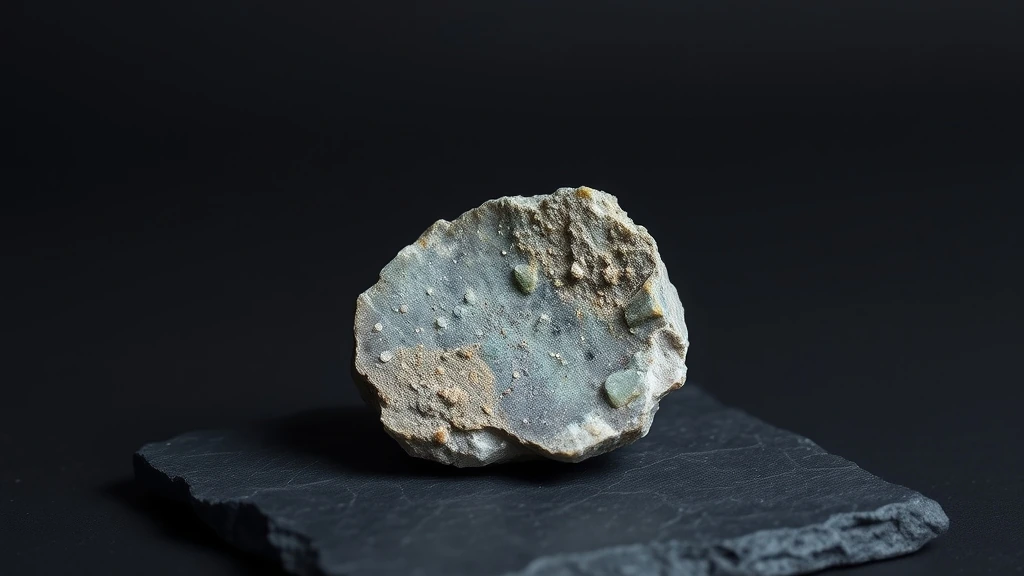
Lepidocrocite belongs to the natural mineral / crystal group, forming as a secondary iron oxyhydroxide in oxidizing environments. It precipitates from groundwater or hydrothermal fluids that interact with iron‑rich host rocks, often coating fracture surfaces or filling cavities. Because it is a discrete mineral rather than an aggregate, its gemological identity is defined by its own crystal lattice and chemistry, not by a mixture of phases.
What is Lepidocrocite Gemstone? Geological Overview & Definition
Lepidocrocite is an iron oxyhydroxide that crystallizes in the orthorhombic system, producing tabular or platy crystals that can be faceted for jewelry. The mineral is typically found in lateritic soils, bog iron deposits, and as a rust coating on meteorites, where it records oxidative weathering processes.
In gemological contexts, the stone is prized for its warm, earthy coloration that ranges from pale straw to vivid orange‑red, reflecting the presence of Fe³⁺ chromophore centers. Its moderate hardness and relatively high density give it a substantial feel, while its translucency can vary from opaque to semi‑transparent depending on crystal size and impurity content.
Lepidocrocite Gemstone Chemical Composition & Crystallographic Properties
The definitive formula γ‑FeO(OH) indicates a single‑iron cation coordinated with oxygen and hydroxyl groups, and the mineral’s orthorhombic lattice features three mutually perpendicular axes of unequal length. This symmetry yields characteristic {010} cleavage planes that influence how the stone fractures and is cut.
Cation substitution is limited; minor amounts of Al³⁺ or Mn³⁺ may enter the structure, subtly shifting the hue toward lighter yellows or deeper reds. Lepidocrocite is acid‑sensitive: exposure to strong acids can dissolve the hydroxide layers, converting the mineral to soluble iron salts and altering its surface luster.
The vivid colors arise from Fe³⁺ electronic transitions within the crystal field, acting as chromophore centers that absorb specific wavelengths of light. Upon heating above 300 °C, the mineral dehydrates, transforming to maghemite (γ‑Fe₂O₃) and losing its characteristic hue, a behavior important for both identification and thermal treatment considerations.
| Property | Specification |
|---|---|
| Mineral Group | Natural Mineral / Crystal |
| Chemical Formula | γ-FeO(OH) |
| Mohs Hardness | 5 |
| Crystal System | Orthorhombic |
| Specific Gravity (Density) | 4 |
| Refractive Index | n α = 1.940 n β = 2.200 n γ = 2.510 |
| Color & Optical Properties | Natural Lepidocrocite Gemstone color spectrum and optical dispersion |
| Primary Mining Localities | Global primary localities |
| Water & Chemical Resistance | High (Safe for gentle water washing) |
| Chakra Alignment (Traditional) | Root Chakra, Sacral Chakra |
| Zodiac Affinity (Traditional) | Capricorn, Virgo |
| Symbolic Meaning (Traditional) | Grounding, stability, and physical vitality |
Lepidocrocite Gemstone Varieties & Color Spectrum
Lepidocrocite presents a diverse array of visual characteristics driven by its unique orthorhombic crystal structure. The mineral’s appearance is heavily influenced by trace impurities and the specific conditions of its geological formation. Understanding these variations is essential for accurate identification and valuation in the gemological market.
Classic Yellow-Brown Lepidocrocite
This is the most common variety, displaying a rich yellow to brown hue derived from iron oxide content. It typically forms in compact, earthy masses rather than distinct, large crystals visible to the naked eye. This morph is frequently found in association with other iron-rich minerals in sedimentary environments.
Reddish-Orange Lepidocrocite
Characterized by a deeper, more saturated reddish-orange coloration, this variety often indicates higher concentrations of specific iron states. It may exhibit a subtle luster when polished, though it remains relatively soft on the Mohs scale. Such specimens are rarer and often attract collectors interested in vivid earth tones.
Greenish-Grey Lepidocrocite
This less common morph appears greenish-grey, resulting from the presence of minor silicate or clay inclusions. It frequently occurs in weathered zones where oxidation processes have altered the original mineral composition. Its muted tones make it a subject of interest for mineralogists studying alteration processes.
Banded Lepidocrocite
Distinguished by distinct banded patterns, this variety forms through repeated cycles of deposition in sedimentary basins. The alternating layers of different iron oxide concentrations create a visually striking striped appearance. These specimens are highly prized for their aesthetic appeal in mineral collections.
Crystalline Lepidocrocite
Rarely found in well-formed crystalline habits, this variety displays the mineral’s true orthorhombic geometry. These specimens are typically small and delicate, often found in geodes or cavities within host rocks. Their rarity makes them significant finds for serious crystallographers and gemologists.
Where is Lepidocrocite Gemstone Found? Geological Mining & Extraction
Lepidocrocite primarily forms in sedimentary and metamorphic environments, often associated with iron-rich deposits. It is commonly found in host rocks such as shale, sandstone, and certain types of pegmatites. The mineral’s formation is closely linked to the oxidation of iron-bearing solutions in groundwater.
Major extraction regions include parts of Europe, North America, and Asia, where significant iron ore deposits are located. Mining operations typically target larger iron deposits, with lepidocrocite recovered as a byproduct. Careful extraction is required due to the mineral’s moderate hardness and susceptibility to physical damage.
Historical Significance & Cultural Lore of Lepidocrocite Gemstone
Historically, lepidocrocite was valued as a pigment and in early alchemical practices, though it was rarely cut into gemstones. Ancient civilizations used its earthy tones in artistic and ceremonial contexts, appreciating its connection to the earth element. Its association with grounding and stability has persisted in various cultural traditions over millennia.
Archaeological evidence suggests its use in ancient pigments and possibly in early forms of protective amulets. The mineral’s lore often emphasizes its role in enhancing physical vitality and providing a sense of security. This enduring cultural significance continues to influence its appeal in modern metaphysical and gemological circles.
Modern Uses & Jewelry Applications of Lepidocrocite Gemstone
Lapidaries primarily cut lepidocrocite into cabochons to showcase its distinctive metallic luster and earthy tones, as faceting is rarely feasible due to its brittle nature. The stone’s orthorhombic crystal structure often results in perfect cleavage, making it susceptible to chipping during aggressive faceting processes. Consequently, artisans favor smooth, domed cuts that protect the mineral while highlighting its unique refractive index range.
- Cabochon Settings: Ideal for rings and pendants, these cuts maximize the stone’s chatoyancy and golden-brown hues.
- Ornamental Carvings: Used in decorative boxes and small sculptures, leveraging its moderate Mohs hardness of 5 for detailed work.
- Collectible Specimens: Unmounted crystals are prized by mineralogists for their rare γ-FeO(OH) composition and structural integrity.
Safety & Mineral Profile of Lepidocrocite
Safe handling and physical characteristics
Lepidocrocite is a hydrous iron(III) oxide that forms as a reddish‑brown to orange‑red secondary mineral in oxidized iron ore deposits. The mineral is relatively soft (Mohs 2–3) and exhibits a fibrous or lamellar habit that can break or crumble under pressure. Because it is a secondary oxidation product, it is often associated with other iron oxides such as goethite and hematite, and it can contain trace amounts of heavy metals (e.g., manganese, copper) that may leach when the specimen is exposed to moisture. Dust generated from handling or cleaning can pose an inhalation hazard if the particle size is fine enough. Lepidocrocite is also acid‑sensitive; contact with strong acids can dissolve the mineral, releasing iron ions into solution. For these reasons, collectors typically display Lepidocrocite in a sealed, low‑humidity environment and avoid using it in jewelry or functional objects where abrasion or contact with skin could lead to irritation or contamination.
Scientific and educational value
In museum collections, Lepidocrocite serves as a key indicator of oxidation processes in iron‑bearing rocks and soils. Its distinctive lamellar morphology and color contrast with surrounding minerals make it an excellent teaching aid for illustrating the transformation of primary iron minerals into secondary oxides. Researchers study Lepidocrocite to understand the kinetics of iron oxidation, the role of microbial activity in mineral formation, and the geochemical cycling of iron in near‑surface environments. The mineral’s spectroscopic signatures (e.g., Mössbauer, X‑ray diffraction) also provide valuable reference data for remote sensing and mineral identification in both terrestrial and extraterrestrial contexts.
Mineralogical Group and Planetary Lore of Lepidocrocite
Historically, Lepidocrocite was first described in the early 19th century from oxidized iron ore deposits in Europe. Early mineralogists noted its “lepidic” (scale‑like) appearance and classified it within the broader group of iron oxides and hydroxides, often alongside goethite and limonite. According to early mineralogists, the mineral’s reddish hue was attributed to the presence of iron(III) and was sometimes confused with hematite in hand specimens.
In lapidary texts, Lepidocrocite has rarely been assigned a symbolic or planetary association, largely because it is considered a secondary, non‑gem-quality mineral. However, some historical accounts mention its use as a “rust” specimen in collections intended to demonstrate weathering processes. While no direct planetary lore exists, the mineral’s formation under oxidizing conditions has occasionally been referenced in discussions of Martian regolith studies, where iron oxides dominate the surface composition.
How to Identify Real vs. Fake Lepidocrocite Gemstone
Artificial imitations of lepidocrocite often include synthetic glass, dyed quartz, or plastic replicas designed to mimic its metallic sheen. These fakes lack the natural specific gravity and internal complexity of genuine specimens. Distinguishing real stones requires careful observation of surface luster and weight, as synthetic materials often appear too uniform or lightweight.
Practical At-Home Authenticity Tests
- Temperature Test (Thermal Feel): Genuine lepidocrocite feels cool to the touch initially, whereas plastic imitations warm up quickly due to poor thermal conductivity.
- Specific Gravity & Weight Test: Real stones have a density of approximately 4 g/cm³, making them feel significantly heavier than similarly sized glass or plastic fakes.
- Scratch & Hardness Test (Mohs Comparison): With a Mohs hardness of 5, lepidocrocite can scratch glass (5.5) but will be scratched by a steel knife (5.5) or topaz (8).
- Microscopic & Loupe Inspection (Internal Inclusions): Use a 10x loupe to look for natural orthorhombic crystal features or surface imperfections, which are absent in perfectly clear synthetic glass.
Lepidocrocite Gemstone Valuation Factors, Grading & Pricing
Market value hinges primarily on Color Saturation, where deep, uniform coppery-bronze tones command the highest premiums. Gemologists assess tone consistency across the entire stone to ensure no pale or mottled areas diminish its visual appeal. High-grade specimens also exhibit exceptional optical clarity, displaying a distinct metallic luster that enhances their unique aesthetic character.
The Carat Weight of lepidocrocite significantly influences pricing, as larger, well-formed crystals are exceedingly rare in nature. Facet symmetry is critical for cut stones, ensuring light interacts optimally with the mineral’s high refractive index. However, the presence of matrix or inclusions often reduces value, as purer, inclusion-free crystals are preferred by serious collectors.
Geographical Provenance Premium plays a vital role, with specimens from renowned localities fetching higher prices due to historical significance. Wholesale markets typically trade these stones at a fraction of their retail value, reflecting the niche nature of the demand. Current trends show steady appreciation for high-quality, well-preserved lepidocrocite, driven by its rarity in the gemstone market.
How to Clean and Care for Lepidocrocite Gemstone
To maintain the integrity of your lepidocrocite, always use warm soapy water and a soft, lint-free cloth for gentle surface cleaning. This method effectively removes dust and oils without subjecting the stone to unnecessary chemical or mechanical stress. Avoid using harsh abrasives, as they can permanently scratch the delicate surface of the mineral.
It is crucial to avoid ultrasonic cleaners entirely, as the intense vibrations can cause structural fractures in this relatively soft mineral. Prolonged soaking in water should also be avoided to prevent potential degradation of the crystal structure. Store your lepidocrocite in a padded jewelry box to protect it from physical impacts and scratches.
Cleansing and Recharging Lepidocrocite Gemstone (Energetic Care)
For energetic cleansing, utilize safe dry methods that respect the mineral’s sensitivity to moisture and vibration. Smoke smudging with sage or palo santo is an excellent choice, allowing the stone to absorb positive energy without physical contact. This technique effectively clears stagnant energy while keeping the crystal completely dry and structurally sound.
To recharge your lepidocrocite, place it on a selenite plate or expose it to natural moonlight overnight. These methods gently restore the stone’s vibrational frequency without the risks associated with water or heat. Always ensure the stone is dry before returning it to its protective storage container.
Frequently Asked Questions About Lepidocrocite Gemstone
Is lepidocrocite safe to wear in water or rain?
No – it is water‑sensitive and should not be soaked for long periods. Prolonged exposure to moisture can cause surface leaching and weaken the γ‑FeO(OH) lattice, leading to dullness or micro‑fractures. Wipe the stone dry promptly after any accidental splash.
How should I clean my lepidocrocite jewelry?
Clean with warm, mildly soapy water and a soft, lint‑free cloth. This gentle method removes oils without stressing the crystal. Ultrasonic cleaners are contraindicated because the rapid vibrations can create micro‑cracks in the orthorhombic structure.
What is the hardness of lepidocrocite and can it be set in rings?
It rates 5 on the Mohs scale, making it moderately hard but prone to scratches. While it can be set in rings, protect the setting with a bezel or protective channel and avoid daily wear in high‑impact activities.
Which zodiac signs are associated with lepidocrocite?
Capricorn and Virgo are the aligned zodiac signs. In astrological tradition, these earth signs appreciate the stone’s grounding energy, reinforcing stability and practical focus for native individuals.
Which chakras does lepidocrocite balance?
Root Chakra and Sacral Chakra are the primary alignments. The stone is believed to anchor physical vitality to the Root while stimulating creative flow and emotional warmth in the Sacral center.
Does lepidocrocite have any notable optical properties?
Its refractive indices range from nα = 1.940 to nγ = 2.510, producing high brilliance. The strong birefringence yields a vivid play of light, especially when cut as cabochons, enhancing its gemological appeal despite modest hardness.
Can lepidocrocite be used in metaphysical practices for grounding?
Yes, it is prized for grounding, stability, and physical vitality. Practitioners often place the stone on the lower abdomen or hold it during meditation to reinforce the earth element and promote a sense of rootedness.
Is lepidocrocite suitable for everyday wear in jewelry?
It can be worn daily if protected, but caution is advised. Because of its water sensitivity and moderate hardness, choose settings that shield the stone from impact and moisture, and clean it only with the recommended gentle method.