
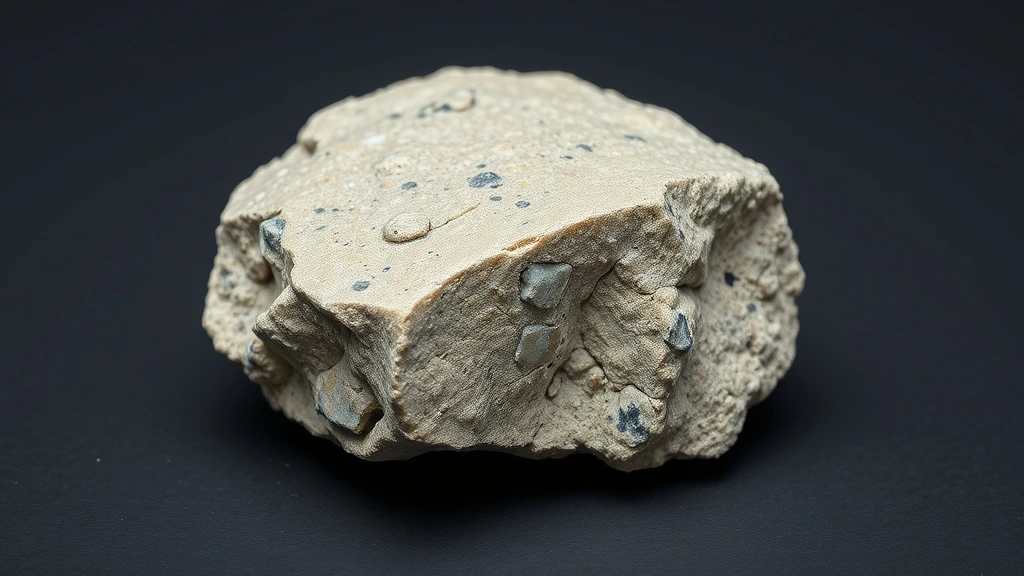
Mottramite belongs to the broader category of natural minerals, specifically classified as a lead-copper vanadate hydroxide. It forms within oxidized zones of copper-lead ore deposits, often accompanying other secondary minerals. As a Natural Mineral / Crystal, it represents a specific stoichiometric compound rather than an aggregate rock. Its formation is tightly linked to hydrothermal activity in supergene environments, where vanadate ions precipitate with heavy metals.
What is Mottramite? Geological Overview & Definition
Mottramite is a secondary mineral that typically occurs in the oxidized zones of copper-lead ore deposits. It frequently associates with minerals such as malachite and azurite, forming in environments rich in vanadium and lead. The mineral was first described from the Mottram mine in Derbyshire, England, which lends its name to the species.
Geologically, it precipitates from hydrothermal solutions where vanadate ions interact with lead and copper cations. This process occurs under low-temperature conditions, often near the surface where oxidation is prevalent. Its occurrence is relatively rare, limiting its availability for both scientific study and lapidary use.
Mottramite Chemical Composition & Crystallographic Properties
Mottramite crystallizes in the Orthorhombic crystal system, exhibiting a distinct lattice structure defined by its specific atomic arrangement. The chemical formula PbCu(VO₄)(OH) reflects a complex balance of lead, copper, vanadium, and hydroxyl groups. This stoichiometry ensures a stable framework that supports the mineral’s characteristic physical properties.
The high refractive index values, ranging from 2.170 to 2.320, indicate significant light interaction within the crystal lattice. These optical properties stem from the high density of the mineral, which measures approximately 5.9 g/cm³. Such density is typical for lead-bearing minerals, contributing to their substantial weight.
Coloration in mottramite is primarily driven by chromophore centers involving copper and vanadium ions. These elements absorb specific wavelengths of light, resulting in the mineral’s green to brownish-green hues. Thermal stability is moderate, consistent with its low hardness and susceptibility to environmental weathering.
| Property | Specification |
|---|---|
| Mineral Group | Natural Mineral / Crystal |
| Chemical Formula | PbCu(VO₄ )(OH) |
| Mohs Hardness | 3 – |
| Crystal System | Orthorhombic |
| Specific Gravity (Density) | 5.9 |
| Refractive Index | n α = 2.170(2) n β = 2.260(2) n γ = 2.320(2) |
| Color & Optical Properties | Natural Mottramite color spectrum and optical dispersion |
| Primary Mining Localities | Global primary localities |
| Water & Chemical Resistance | High (Safe for gentle water washing) |
| Chakra Alignment (Traditional) | Root Chakra (Muladhara) |
| Zodiac Affinity (Traditional) | Gemini, Virgo |
| Symbolic Meaning (Traditional) | Emotional balance, compassion and inner peace |
Mottramite Varieties & Color Spectrum
Mottramite is a rare lead-copper vanadate mineral characterized by its distinctive deep green to brownish-green hue. The orthorhombic crystal system dictates its formation, often resulting in prismatic or tabular habits. Its high specific gravity of 5.9 makes it noticeably heavy for its size.
Classic Mottramite
This primary variety exhibits a rich, dark green coloration with a resinous to vitreous luster. It typically forms in hydrothermal veins associated with lead and copper deposits. Vanadium substitution within the phosphate structure is responsible for its intense chromatic signature.
Brownish-Green Mottramite
Often found in oxidized zones, this morph displays a muted, earthy brownish-green tone. It frequently contains minor inclusions of malachite or azurite, adding textural complexity. This variety is common in surface weathering environments where oxidation alters the primary mineral.
Lead-Rich Mottramite
Characterized by a higher proportion of lead, this variety appears slightly darker and denser. It often occurs in association with galena and other lead sulfides. The increased lead content contributes to its exceptionally high specific gravity, distinguishing it from lighter analogs.
Copper-Dominant Mottramite
This rare morph shows a more vibrant, coppery-green tint due to elevated copper concentrations. It is typically found in deeper, less oxidized parts of the deposit. The refractive index remains high, preserving the mineral’s characteristic brilliance despite color shifts.
Weathered Mottramite
Exposed to surface conditions, this variety develops a dull, earthy crust over its core. The internal structure may remain intact but shows signs of hydrolysis and mineral alteration. Collectors prize these specimens for their geological context and formation history.
Crystalline Mottramite
Rarely found in well-formed crystals, this variety showcases the mineral’s orthorhombic symmetry. Crystals are often small, prismatic, and terminated on distinct faces. Such specimens are highly sought after by mineralogists for their structural clarity.
Where is Mottramite Found? Geological Mining & Extraction
Mottramite primarily forms in hydrothermal veins within limestone or dolomite host rocks. It is closely associated with lead-copper mineralization, often occurring alongside galena and sphalerite. The mineral precipitates from hot, metal-rich fluids circulating through fractures in the bedrock.
Primary extraction occurs in regions with significant lead-copper deposits, such as parts of Europe and North America. Mining operations focus on large-scale extraction of base metals, with mottramite recovered as a byproduct. Due to its rarity, dedicated mining for mottramite is uncommon, and specimens are often collected from mine dumps or specific vein outcrops.
Historical Significance & Cultural Lore of Mottramite
Ancient civilizations recognized various green minerals for their aesthetic and symbolic value, though mottramite itself was not formally identified until the modern era. In Greco-Roman traditions, green stones were often associated with Venus and fertility, reflecting broader cultural beliefs in the power of color. Archaeological evidence suggests that similar vanadate minerals were occasionally incorporated into jewelry or ritual objects.
In Vedic and Chinese historical records, green minerals were linked to growth, harmony, and the element of wood. These cultural narratives emphasize the stone’s perceived ability to promote balance and renewal. While not widely documented in ancient texts, its modern esoteric associations with emotional stability reflect these enduring global themes.
Modern Uses & Jewelry Applications of Motbauerite
Mottramite is prized for its vivid emerald‑green hue and high refractive index, which yields a brilliant sparkle when cut. Lapidary artisans typically fashion it into cabochons to showcase its silky luster, while skilled faceting can produce modestly brilliant facets despite the mineral’s modest Mohs hardness of 3. Ornamental carving of miniature cameos and decorative inlays also exploits its dense, opaque character.
- Cabochon pendants and brooches highlighting the stone’s natural color
- Faceted earrings or rings with protective bezel settings to mitigate softness
- Small ornamental carvings for collector displays or inlay work in metal objects
Metaphysical Properties & Traditional Meaning of Mottramite
According to historical traditions and metaphysical lore, Mottramite is associated with emotional balance and the cultivation of inner compassion. Across ancient Mediterranean lapidary practices, the stone was believed to ground the wearer, fostering a sense of stability that aligns with the earth element. In Vedic references, its verdant tone symbolizes renewal and the soothing of turbulent feelings, encouraging a calm, centered mind.
Which Chakra and Zodiac Signs Align with Mottramite?
Mottramite resonates with the Root Chakra (Muladhara), supporting grounding energy and physical vitality. Practitioners claim that wearing the stone near the base of the spine can reinforce a sense of security and connection to the material world, echoing the stone’s dense, heavy nature.
In astrological tradition, Mottramite is linked to the mutable signs Gemini and Virgo. Gemini’s adaptable intellect and Virgo’s analytical precision are said to be enhanced by the stone’s stabilizing influence, helping the native navigate change with calm focus.
How to Identify Real vs. Fake Mottramite
Synthetic glass, dyed quartz, and colored resin are common imitations marketed as Mottramite. These substitutes often lack the mineral’s characteristic high density and distinct orthorhombic crystal habit, making careful testing essential for collectors and buyers.
Practical At-Home Authenticity Tests
- Temperature Test (Thermal Feel): Genuine Mottramite feels cool to the touch and retains its temperature longer than glass or plastic replicas, which quickly warm to the hand.
- Specific Gravity & Weight Test: With a density around 5.9 g/cm³, authentic Mottramite feels noticeably heavy for its size; a simple water displacement test can reveal a lower specific gravity typical of fakes.
- Scratch & Hardness Test (Mohs Comparison): Using a copper coin (hardness ~3) will leave a faint scratch on real Mottramite, whereas glass or quartz (hardness 5‑7) will not be marked.
- Microscopic & Loupe Inspection (Internal Inclusions): Under 10× magnification, natural Mottramite shows fine, irregular inclusions and crystal striations, while synthetic glass appears uniformly clear with no internal features.
Mottramite Valuation Factors, Grading & Pricing
The market places the greatest premium on color saturation, especially the vivid green‑blue to emerald hues that arise from copper and vanadium content. Specimens displaying uniform, deep coloration without surface weathering command higher prices, as collectors prize the natural vibrancy that mimics the mineral’s original luster. Even slight fading or uneven tones can reduce a piece’s desirability dramatically.
Crystal size & weight (grams) is the second decisive factor, with larger, intact orthorhombic crystals valued far above small fragments. Raw, unpolished material is typically priced per gram, while tumbled pieces with a smooth polish fetch a modest premium for their ready‑to‑display finish. Natural matrix inclusions, such as quartz or calcite veins, are tolerated when they enhance the stone’s character but penalize heavily if they compromise structural integrity.
Ethical sourcing & locality premium increasingly influences both holistic practitioners and serious collectors. Specimens mined from historically documented sites in the United Kingdom, where Mottramite was first described, attract a locality surcharge, especially when provenance can be verified through responsible mining certifications. Buyers also favor stones harvested without environmental damage, rewarding transparent supply chains that respect both the earth and local communities.
How to Clean and Care for Mottramite
Cleaning Mottramite is straightforward: immerse the piece briefly in warm soapy water, then gently rub with a soft cloth to remove surface dust. Rinse with lukewarm water and pat dry with a lint‑free microfiber towel, taking care not to apply excessive pressure that could dislodge delicate crystal edges. Ultrasonic cleaners must be avoided, as the mineral’s orthorhombic lattice can fracture under high‑frequency vibrations. Store the stone in a padded compartment away from hard abrasives to preserve its natural sheen.
Cleansing and Recharging Mottramite (Energetic Care)
For holistic maintenance, place the stone in a clean area and pass a bundle of dried sage or palo santo over its surface, allowing the gentle smoke to clear stagnant energy without introducing moisture. Follow the smudging with a brief exposure to moonlight, preferably during a waning phase, to refresh the crystal’s subtle vibrational field while keeping it safely dry.
Alternatively, rest Mottramite on a polished selenite slab for several hours, allowing the neutralizing properties of selenite to absorb any accumulated energetic residue. This method requires no heat, water, or direct sunlight, ensuring the mineral’s crystal structure remains intact while it regains balance and clarity.
Frequently Asked Questions About Mottramite
Mottramite displays distinct mineralogical characteristics across its geological varieties and structural habits. Gemologists evaluate these natural varieties based on crystal habit, trace chromophore concentrations, and visual luster.
Primary Natural Mottramite
The benchmark natural variety exhibiting diagnostic color saturation and classic crystallographic symmetry.
Distinct Geological Morphs of Mottramite
Secondary regional and structural varieties formed under localized geological temperature and pressure conditions.
Is mottramite safe to wear in the shower or while swimming?
Mottramite can tolerate gentle water exposure. Its orthorhombic structure and relatively dense composition (≈5.9 g/cm³) allow brief contact with water, but prolonged soaking should be avoided to prevent surface wear. Use a soft cloth to dry the stone after exposure to maintain its luster.
How should I clean my mottramite jewelry?
Clean mottramite with warm soapy water and a soft cloth. Gently rinse the piece in lukewarm, mildly‑detergent water, then pat dry with a lint‑free microfiber cloth. This method removes oils without stressing the crystal lattice, which can be fragile under harsh mechanical action.
Can I use an ultrasonic cleaner on mottramite?
Ultrasonic cleaning is not recommended for mottramite. The high‑frequency vibrations can create micro‑fractures in the delicate PbCu(VO₄)(OH) lattice, leading to irreversible damage. Stick to manual cleaning methods to preserve the stone’s structural integrity.
What is the hardness of mottramite on the Mohs scale?
Mottramite rates about 3 on the Mohs hardness scale. This relatively low hardness means the gemstone scratches easily against harder minerals, so it should be stored separately and worn with care, especially in active settings.
Which zodiac signs are associated with mottramite?
Mottramite is linked to Gemini and Virgo. In astrological gem lore, these air and earth signs are thought to benefit from the stone’s stabilizing energy, aligning with the analytical nature of Gemini and the meticulous temperament of Virgo.
Which chakra does mottramite correspond to?
Mottramite resonates with the Root Chakra (Muladhara). This alignment is believed to ground emotional energy, fostering a sense of security and stability that supports emotional balance and inner peace in daily life.
Is mottramite suitable for everyday wear?
Mottramite is best reserved for occasional or ceremonial use. Its modest hardness and susceptibility to scratching make it less ideal for daily rings or bracelets that encounter frequent impact. Pendants or earrings limit exposure to abrasive forces.
Does mottramite exhibit any notable optical properties?
Mottramite has high refractive indices (nα = 2.170, nβ = 2.260, nγ = 2.320). These values produce a brilliant, vitreous luster and noticeable birefringence, giving the stone a striking play of light when cut as a cabochon or facet. Proper polishing enhances this visual effect.