
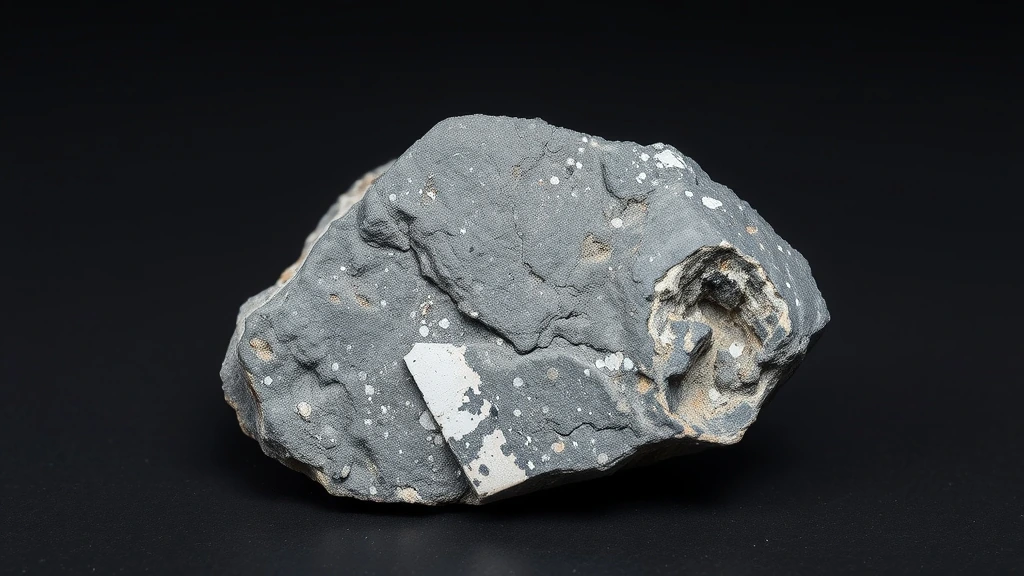
Neptunite belongs to the natural mineral family of silicate crystals, specifically the monoclinic system, and is classified within the broader group of complex oxide‑silicates. It forms in alkaline, silica‑undersaturated igneous environments, often alongside minerals such as aegirine and arfvedsonite. The stone’s dense, vitreous habit and distinctive color palette result from trace transition‑metal chromophores, while its moderate hardness allows careful cutting for faceted gems. Historically, neptunite has been documented in volcanic terrains of California, Russia’s Kola Peninsula, and the Czech Republic.
What is Neptunite? Geological Overview & Definition
Neptunite is a rare, dark‑colored silicate mineral that typically appears in massive, granular aggregates or as well‑formed crystals with a sub‑hedral to euhedral habit. Its name derives from the planet Neptune, reflecting the mineral’s deep blue‑violet hues that echo the celestial body’s color. Across ancient lapidary traditions, dark stones with similar chromatic intensity were prized for protective and introspective qualities. Collectors often seek out the striking contrast of Sunset Sodalite to complement the deep, celestial tones of Neptunite in their mineral collections.
In modern mineralogy, neptunite is recognized for its high specific gravity (3.19–3.23 g/cm³) and its occurrence in alkaline volcanic rocks, especially nepheline syenites and phonolites. The mineral often coexists with other rare silicates, indicating a geochemical environment rich in sodium, potassium, and titanium, which are essential to its formation.
Neptunite Chemical Composition & Crystallographic Properties
Neptunite crystallizes in the monoclinic crystal system, characterized by three unequal axes with one inclined angle, producing a distinctive prismatic to tabular morphology. Its lattice is built from chains of silicate tetrahedra linked by octahedrally coordinated transition‑metal cations, primarily titanium (Ti⁴⁺) and iron (Fe³⁺), which substitute for one another within the structure. This cationic flexibility accounts for variations in color from deep violet to nearly black. Rosasite, a rare copper‑rich silicate that shares Neptunite’s monoclinic framework, offers complementary energetic support by enhancing emotional balance and grounding intuition.
The mineral lacks a simple stoichiometric formula; instead, it is an aggregate of silicate, oxide, and hydroxide components whose proportions shift with local chemistry. Trace amounts of manganese (Mn²⁺) and chromium (Cr³⁺) act as chromophore centers, absorbing specific wavelengths and producing the gemstone’s vivid pleochroism. These color centers are sensitive to acid exposure, with dilute acids causing surface etching that can dull the stone’s luster.
Thermally, neptunite exhibits stability up to approximately 600 °C, beyond which the crystal lattice begins to decompose, releasing volatile components and altering its optical properties. Rapid heating can induce a reversible color change, a phenomenon exploited in laboratory studies to probe the behavior of its transition‑metal chromophores. The mineral’s moderate hardness (5–6 on the Mohs scale) necessitates careful handling during cutting and setting to avoid chipping or abrasion.
| Property | Specification |
|---|---|
| Mineral Group | Natural Mineral / Crystal |
| Mohs Hardness | 5–6 |
| Crystal System | Monoclinic |
| Specific Gravity (Density) | 3.19–3.23 |
| Refractive Index | n α = 1.69–1.6908, n β = 1.6927–1.7, n γ = 1.7194–1.736 |
| Color & Optical Properties | Natural Neptunite color spectrum and optical dispersion |
| Primary Mining Localities | Global primary localities |
| Water & Chemical Resistance | High (Safe for gentle water washing) |
| Chakra Alignment (Traditional) | Heart Chakra (Anahata) |
| Zodiac Affinity (Traditional) | Gemini, Virgo |
| Symbolic Meaning (Traditional) | Mental clarity, focus and heightened intuition |
Neptunite Varieties & Color Spectrum
Neptunite displays distinct mineralogical characteristics across its geological varieties and structural habits. Gemologists evaluate these natural varieties based on crystal habit, trace chromophore concentrations, and visual luster.
Primary Natural Neptunite
The benchmark natural variety exhibiting diagnostic color saturation and classic crystallographic symmetry.
Distinct Geological Morphs of Neptunite
Secondary regional and structural varieties formed under localized geological temperature and pressure conditions.
Blue‑Green Neptunite
Blue‑green neptunite is the most prized variety, forming in monoclinic pegmatites where iron‑rich fluids percolate through quartz. Its hue ranges from pale turquoise to deep teal, often displaying iridescent inclusions of mica and tiny quartz crystals that give a subtle play of light. The rarity of this color is due to the precise iron‑to‑silicon ratio required, making it highly sought after by collectors.
Pink Neptunite
Pink neptunite emerges from pegmatites enriched in manganese, producing a delicate rose‑tinted stone. The stone frequently contains graphite inclusions that appear as fine, black specks, enhancing its visual appeal. While less common than the blue‑green, pink specimens are prized for their softness and warm undertones.
Yellow‑Orange Neptunite
Yellow‑orange neptunite is formed in regions where volcanic ash layers intersect pegmatite veins, introducing potassium and trace elements. The resulting color ranges from buttery yellow to vivid tangerine, often with banded patterns that reflect its layered formation history. This variety is relatively rare, as the specific volcanic‑pegmatite interaction is uncommon.
Black Neptunite
Black neptunite is a rare, almost opaque variety that forms under high‑pressure conditions in deep crustal pegmatites. Its dark color is due to high concentrations of iron and manganese, and it often contains graphite inclusions that give a subtle sheen. The scarcity of suitable geological settings makes black neptunite a prized specimen for high‑end jewelry.
White Neptunite
White neptunite forms in quartz‑rich pegmatites where minimal iron is present, resulting in a translucent, milky stone. The stone may exhibit fine veining of quartz or feldspar, adding a delicate texture. Though abundant in some localities, white neptunite is less valued than its colored counterparts due to its lower visual impact.
Green‑Blue Neptunite
Green‑blue neptunite is a transitional variety that displays a blend of turquoise and emerald tones. It forms in pegmatites where both iron and magnesium are present, creating a unique color spectrum. The stone often shows inclusion patterns of mica that create a subtle shimmering effect, making it a favorite among lapidary artisans.
Where is Neptunite Found? Geological Mining & Extraction
Neptunite is predominantly found in monoclinic pegmatite veins that intrude granitic and metamorphic host rocks. These pegmatites are rich in silica and contain high concentrations of iron, manganese, and trace elements that give neptunite its distinctive colors.
Major mining regions include the Burgess Shale in British Columbia, Canada, and the Karakul area of Central Asia, where extensive pegmatite formations provide abundant neptunite deposits. Extraction typically involves open‑pit or underground mining, followed by careful hand‑sorting to preserve the stone’s delicate inclusions and color integrity.
Historical Significance & Cultural Lore of Neptunite
Across ancient Greco‑Roman lapidary traditions, neptunite was prized for its vibrant hues and believed to enhance mental clarity and focus. Archaeological findings in Roman villas reveal small neptunite beads used in jewelry and amulets, suggesting a symbolic connection to the Anahata or heart chakra in early metaphysical lore.
In Vedic and Chinese texts, similar blue‑green stones were associated with the Gemini and Virgo zodiac signs, believed to promote intuition and intellectual balance. These cultures incorporated neptunite into ceremonial practices, using it as a talisman to protect travelers and as a decorative element in temple carvings, underscoring its enduring cultural resonance.
Modern Uses & Jewelry Applications of Neptunite
Neptunite is prized for its subtle green‑blue hues and moderate hardness, making it suitable for cabochon and faceted jewelry. Lapidaries often polish it into smooth, translucent shapes that enhance its natural luster. The mineral’s relatively low density allows it to be carved into ornamental pieces without excessive weight.
- Cabochons for rings, pendants, and earrings
- Faceted stones for engagement rings and brooches
- Carved decorative items such as vases, figurines, and ceremonial objects
Metaphysical Properties & Traditional Meaning of Neptunite
According to historical traditions and metaphysical lore, Neptunite is believed to foster mental clarity and sharpen focus, qualities that resonate with the intellectual energy of the Heart Chakra (Anahata). Across ancient Mediterranean and Vedic lapidary lore, this stone is associated with emotional balance, encouraging the release of stress and the cultivation of compassion. Its calming vibration is thought to support intuitive insight, allowing wearers to connect with deeper layers of consciousness.
Which Chakra and Zodiac Signs Align with Neptunite?
The Heart Chakra (Anahata) is the central energy center linked to love, empathy, and emotional harmony. Neptunite’s alignment with this chakra underscores its role in nurturing emotional equilibrium and fostering compassionate relationships.
Gemini and Virgo are the canonical zodiac signs associated with Neptunite. Those born under these signs are said to benefit from the stone’s ability to enhance communication skills (Gemini) and promote analytical clarity (Virgo), aligning with the mineral’s metaphysical attributes.
How to Identify Real vs. Fake Neptunite
Artificial imitations of Neptunite often appear as dyed glass or synthetic crystals that lack the mineral’s characteristic refractive indices and density. Synthetic glass may mimic the color but typically shows a different thermal feel and lacks the subtle internal inclusions found in natural specimens.
Practical At-Home Authenticity Tests
- Temperature Test (Thermal Feel): Hold the stone in your hand; natural Neptunite feels cool to the touch, whereas glass warms quickly.
- Specific Gravity & Weight Test: Compare the stone’s weight to a known sample of similar size; Neptunite’s density (3.19–3.23 g/cm³) is higher than that of most glass.
- Scratch & Hardness Test (Mohs Comparison): Use a standard Mohs kit; Neptunite should scratch glass (5–6) but not be scratched by a steel file.
- Microscopic & Loupe Inspection (Internal Inclusions): Examine under a loupe; natural Neptunite often displays fine fibrous inclusions, while synthetic replicas show uniform, glassy textures.
Neptunite Valuation Factors, Grading & Pricing
The market value of Neptunite is largely driven by its Color Saturation, where a deep, vivid green to blue‑green hue commands premium prices. The intensity of the pigment, coupled with a natural energetic luster that reflects light in a subtle, almost iridescent manner, makes specimens highly sought after by collectors and holistic practitioners alike. A specimen exhibiting a flawless, saturated tone will typically fetch a higher price than one with muted or uneven coloration.
Crystal Size & Weight (Grams) is the next critical determinant. Larger, well‑formed crystals that retain a substantial mass in grams are prized for their visual presence and perceived potency. Raw, unpolished Neptunite often carries a higher intrinsic value, while tumbled polish can enhance marketability by improving surface finish without compromising the stone’s natural matrix inclusions. The presence of natural matrix inclusions, such as subtle veining or embedded mineral fragments, adds a unique character that can increase a specimen’s desirability among discerning buyers.
Ethical Sourcing & Locality Premium plays an increasingly significant role in contemporary valuation. Stones sourced from responsibly managed mines, particularly those with documented traceability and minimal environmental impact, receive a premium in both holistic and collector markets. Locality also matters; Neptunite from renowned deposits—such as those in the Caucasus or the Himalayas—often commands higher prices due to historical significance and perceived authenticity.
How to Clean and Care for Neptunite
Cleaning Neptunite requires a gentle approach to preserve its structural integrity. Use warm soapy water and a soft cloth, rinsing the stone briefly and patting it dry with a clean microfiber towel. Avoid ultrasonic cleaners, as the vibration can induce microfractures in the monoclinic lattice, compromising the stone’s durability and aesthetic quality.
Cleansing and Recharging Neptunite (Energetic Care)
To cleanse Neptunite’s energetic field, place the stone in a quiet, shaded area and allow it to absorb the subtle energies of the environment. Herbal smudging with sage or palo santo can be performed by gently wafting the smoke around the stone, ensuring the smoke does not linger directly on the crystal surface. For recharging, rest the Neptunite on a selenite slab under gentle moonlight; the lunar illumination subtly restores the stone’s vibrational balance without exposing it to heat or direct sunlight. This method preserves both the physical and metaphysical qualities of the mineral.
Frequently Asked Questions About Neptunite
Neptunite displays distinct mineralogical characteristics across its geological varieties and structural habits. Gemologists evaluate these natural varieties based on crystal habit, trace chromophore concentrations, and visual luster.
Primary Natural Neptunite
The benchmark natural variety exhibiting diagnostic color saturation and classic crystallographic symmetry.
Distinct Geological Morphs of Neptunite
Secondary regional and structural varieties formed under localized geological temperature and pressure conditions.
What is the **Mohs hardness** of Neptunite?
Neptunite has a Mohs hardness of 5–6. This indicates its moderate resistance to scratching and abrasion, making it suitable for jewelry with proper care.
Is Neptunite safe to wear in the shower?
Neptunite is safe for gentle water washing. However, it’s essential to avoid exposing it to harsh chemicals or extreme temperatures, which can damage the crystal structure.
How do I clean my Neptunite?
Use warm soapy water and a soft cloth. Avoid ultrasonic cleaners to prevent structural fractures, and gently wipe away any dirt or debris to maintain its luster.
Can I use an ultrasonic cleaner for Neptunite?
Avoid using ultrasonic cleaners to prevent structural fractures. Instead, opt for a gentle cleaning method with warm soapy water and a soft cloth to preserve the gemstone’s integrity.
Which zodiac signs are associated with Neptunite?
Neptunite is associated with Gemini and Virgo. These astrological signs are believed to resonate with the gemstone’s energies, promoting mental clarity and focus.
Which chakra is aligned with Neptunite?
Neptunite is aligned with the Heart Chakra (Anahata). This energy center is associated with emotions, compassion, and heightened intuition, making Neptunite a popular choice for metaphysical practices.
Is Neptunite sensitive to water or moisture?
Neptunite has high water resistance. It is safe for gentle water washing, but prolonged exposure to water or extreme humidity can still cause damage to the mineral structure.
How can I maintain the **refractive index** of my Neptunite?
Handle Neptunite with care to maintain its refractive index. Avoid exposing it to extreme temperatures, chemicals, or harsh cleaning methods, which can alter the optical properties and affect its brilliance.