
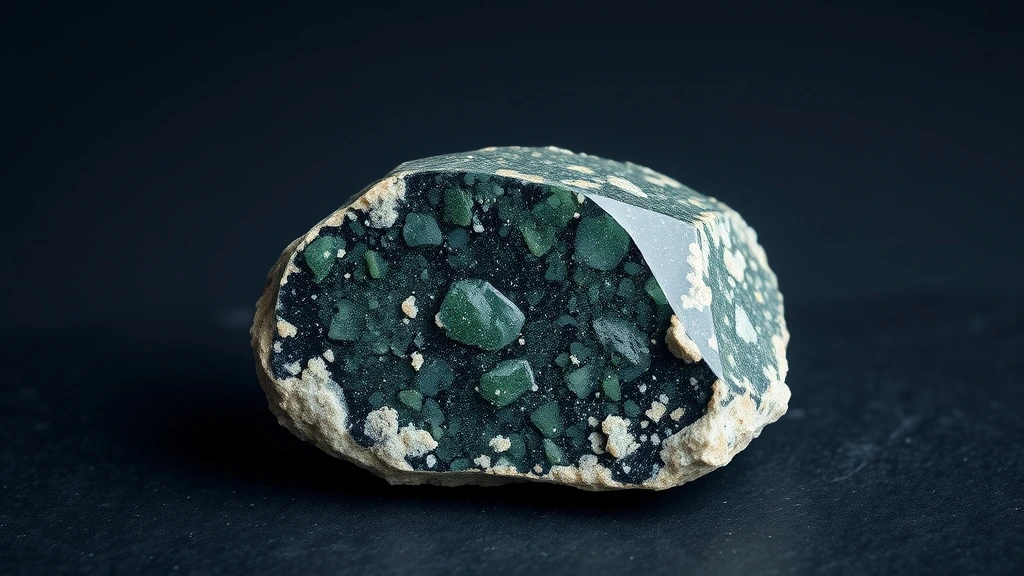
Papagoite belongs to the Natural Mineral / Crystal group, representing a rare secondary mineral formation. It typically crystallizes in arid environments where copper-rich fluids interact with aluminum-bearing substrates. This geological context explains its limited global distribution and exceptional rarity. Consequently, collectors prize it for its distinct chemical signature and vibrant coloration.
What is Papagoite ? Geological Overview & Definition
Papagoite is a rare secondary mineral that forms through the alteration of primary copper-bearing rocks. It typically occurs in arid desert environments, where specific hydrothermal conditions facilitate its crystallization. The stone’s formation is closely linked to the oxidation of copper minerals in the presence of aluminum sources.
Its name derives from the Papago Park area in Arizona, where it was first identified. As a gem-quality mineral, it is valued for its intense color and distinct crystal habit. However, its extreme rarity limits its availability in the commercial gemstone market.
Papagoite Chemical Composition & Crystallographic Properties
Papagoite crystallizes in the Monoclinic system, characterized by a single oblique axis and two right angles. Its chemical formula is CaCuAlSi₂O₆(OH)₃, indicating a complex silicate structure with hydroxyl groups. The lattice structure allows for specific cation arrangements that stabilize the mineral’s unique geometry.
The chromophore responsible for its blue color is the copper ion (Cu²⁺) within the silicate framework. This transition metal creates specific color centers that absorb light in the red spectrum, reflecting blue wavelengths. The presence of aluminum and calcium further modifies the electronic environment, enhancing color saturation.
Thermal behavior indicates that papagoite is sensitive to high temperatures, which may alter its structural integrity. Acid sensitivity is moderate, as the hydroxyl groups can react with strong acids over time. Collectors should handle specimens with care to preserve their crystallographic properties and vibrant hue.
| Property | Specification |
|---|---|
| Mineral Group | Natural Mineral / Crystal |
| Chemical Formula | CaCuAlSi₂ O₆ (OH)₃ |
| Mohs Hardness | 5–5.5 |
| Crystal System | Monoclinic |
| Specific Gravity (Density) | 3.25 |
| Refractive Index | n α = 1.607 n β = 1.641 n γ = 1.672 |
| Color & Optical Properties | Natural Papagoite Gemstone color spectrum and optical dispersion |
| Primary Mining Localities | Global primary localities |
| Water & Chemical Resistance | High (Safe for gentle water washing) |
| Chakra Alignment (Traditional) | Third Eye Chakra, Crown Chakra |
| Zodiac Affinity (Traditional) | Virgo, Aquarius |
| Symbolic Meaning (Traditional) | Intuitive clarity, spiritual awakening, and mental focus |
Papagoite Varieties & Color Spectrum
Papagoite exhibits a distinct chromatic range driven by its copper content, primarily manifesting in deep azure to royal blue hues. The chemical formula CaCuAlSi₂O₆(OH)₃ dictates this intense coloration, which remains consistent across most geological specimens. Minor variations in iron impurities can occasionally shift the tone toward a muted teal or greenish-blue.
Deep Azure Papagoite
This variety represents the most desirable form for collectors, characterized by a saturated, vivid blue color. It typically forms in well-crystallized clusters within monoclinic crystal systems, showcasing high luster and transparency. Such specimens are rare due to the specific hydrothermal conditions required for optimal copper saturation.
Teal-Tinted Papagoite
Occasionally, trace amounts of iron or other transition metals introduce a subtle greenish undertone to the standard blue. This color morph is less common and often found in deposits with higher silica activity. Gemologists distinguish these stones by their slightly lower saturation compared to pure azure types.
Greenish-Blue Papagoite
In certain oxidizing environments, papagoite may develop a distinct greenish-blue appearance, resembling a pale turquoise. These crystals often contain minor inclusions of other copper-bearing minerals, affecting their overall clarity. This variety is frequently mistaken for other copper silicates during initial field identification.
Translucent Papagoite
Some specimens exhibit a waxy to vitreous luster with significant translucency, allowing light to penetrate the crystal structure. The refractive index values of 1.607 to 1.672 contribute to this optical depth and brilliance. High-transparency stones are highly prized for their ability to display internal crystal faces clearly.
Where is Papagoite Found? Geological Mining & Extraction
Papagoite primarily occurs in hydrothermal veins and oxidized zones of copper-bearing deposits, often associated with malachite and azurite. The mineral forms in the monoclinic system, typically as small, prismatic crystals or crusts on host rock surfaces. These geological settings require specific pH and temperature conditions for stable copper-aluminum silicate formation.
The type locality is the Papago Mine in Arizona, USA, where it was first described in the early 20th century. Other significant deposits have been identified in the Copper Basin of Arizona and limited occurrences in Mexico. Extraction is generally small-scale, focusing on collecting high-quality crystals rather than bulk industrial mining.
Historical Significance & Cultural Lore of Papagoite
Although papagoite is a relatively recent mineralogical discovery, its host deposits have been mined for centuries for copper and associated gemstones. Ancient cultures in the American Southwest utilized these regions for mining, though papagoite itself was not formally recognized until modern crystallography advanced. Its vibrant blue color likely contributed to its aesthetic value in local artistic traditions.
In contemporary metaphysical practices, papagoite is associated with the Third Eye Chakra, promoting intuitive clarity and spiritual awakening. Enthusiasts believe it enhances mental focus and facilitates deeper meditation, aligning with its visual intensity. This modern lore complements its scientific significance as a rare copper-aluminum silicate.
Modern Uses & Jewelry Applications of Papagoite
Due to its delicate nature, papagoite is primarily valued for ornamental carving and small, protective jewelry pieces rather than high-wear rings. Lapidaries often cut these specimens into polished cabochons to showcase their vibrant color and luster without risking fracture. Faceted cuts are rare but possible for high-quality, inclusion-free material, though they require extreme caution during polishing.
- Ornamental Carvings: Ideal for small pendants, earrings, and decorative inlays due to its soft aesthetic appeal.
- Cabochon Setting: Best suited for bezel or prong settings that secure the stone firmly to prevent chipping.
- Collector’s Specimens: Highly prized by mineral collectors for their unique crystal habit and vivid hue.
Metaphysical Properties & Traditional Meaning of Papagoite
According to historical traditions and metaphysical lore, papagoite is revered as a stone of intuitive clarity and profound spiritual awakening. Practitioners believe it helps dissolve mental fog, allowing for deeper access to higher consciousness and inner wisdom. Its energy is described as gentle yet potent, fostering a sense of calm focus during meditation.
Emotionally, this mineral is said to resonate with the Crown Chakra, facilitating a connection to universal truth. It encourages users to trust their inner voice and navigate life’s complexities with mental precision. By aligning the mind with the spirit, papagoite supports a state of balanced awareness and heightened perception.
Which Chakra and Zodiac Signs Align with Papagoite ?
In metaphysical practice, papagoite is strongly associated with the Third Eye Chakra and the Crown Chakra. These energy centers govern intuition, insight, and spiritual connection, making this stone a powerful tool for meditation. It is believed to enhance psychic abilities and promote a clear, unbiased perspective on life’s challenges.
Astrologically, this gemstone resonates deeply with the signs of Virgo and Aquarius. Virgos appreciate its grounding clarity, while Aquarians value its innovative and humanitarian energy. Both signs benefit from its ability to sharpen mental focus and encourage forward-thinking spiritual growth.
How to Identify Real vs. Fake Papagoite
Because papagoite is rare and relatively soft, it is frequently imitated by synthetic glass, dyed quartz, or other copper-bearing minerals. These fakes often lack the natural inclusions and subtle color zoning found in genuine specimens. Understanding these differences is crucial for collectors and buyers seeking authentic material.
Practical At-Home Authenticity Tests
- Temperature Test (Thermal Feel): Genuine papagoite feels cool to the touch initially and warms slowly, whereas plastic imitations warm up almost instantly.
- Specific Gravity & Weight Test: With a density of 3.25, real papagoite feels notably heavier than glass or plastic of the same size.
- Scratch & Hardness Test (Mohs Comparison): At 5–5.5 on the Mohs scale, it will scratch glass but can be scratched by a steel knife or topaz.
- Microscopic & Loupe Inspection (Internal Inclusions): Use a 10x loupe to look for natural mineral inclusions or color zoning; glass often contains tiny, spherical bubbles.
Papagoite Valuation Factors, Grading & Pricing
The primary driver of value is color saturation, specifically the intensity and uniformity of the blue-green hue. Stones exhibiting a deep, consistent tone without zoning command higher premiums. Additionally, high optical clarity and a distinct vitreous luster significantly enhance visual appeal for collectors.
Specimen Size & Weight plays a crucial role, as large, eye-clean specimens are exceptionally rare in the market. tumbled polish and natural geometry must be precise to maximize light return within the monoclinic crystal system. Inclusions or matrix material generally reduce value, though some collectors appreciate natural matrix displays.
Geographical provenance adds a significant premium, particularly for stones from verified Mexican localities. Wholesale prices remain modest, but retail values increase sharply for certified, high-grade material. Market trends show steady demand among niche collectors seeking unique copper-bearing minerals.
How to Clean and Care for Papagoite
To maintain the stone’s integrity, always use warm soapy water and a soft, lint-free cloth for gentle cleaning. This method effectively removes surface oils and dust without risking damage to the delicate structure. Given its moderate hardness of 5–5.5, avoid abrasive materials that could cause scratches.
Strictly avoid ultrasonic cleaners, as the vibrations can induce structural fractures in the crystal lattice. The stone’s density and cleavage planes make it susceptible to stress from high-frequency sound waves. Always dry the gemstone thoroughly with a soft towel after washing to prevent water spots.
Cleansing and Recharging Papagoite (Energetic Care)
For energetic maintenance, utilize dry methods that respect the mineral’s physical limitations. Smoke smudging with sage or palo santo is an excellent way to clear stagnant energy without exposing the stone to moisture. This technique aligns with its association with intuitive clarity and mental focus.
Alternatively, place the gemstone on a selenite plate under moonlight for recharging. This gentle, dry approach supports its spiritual properties while ensuring no physical harm occurs. These methods preserve the stone’s structural stability while enhancing its metaphysical alignment.
Frequently Asked Questions About Papagoite
What is the chemical composition of papagoite?
Papagoite is a complex calcium copper aluminum silicate hydroxide. Its specific formula is CaCuAlSi₂O₆(OH)₃, defining its unique mineralogical identity. This composition contributes to its distinct greenish-blue hue and monoclinic crystal system structure.
How hard is papagoite on the Mohs scale?
Papagoite registers between 5 and 5.5 on the Mohs hardness scale. This moderate durability makes it suitable for pendants but risky for daily rings. You must handle it with care to prevent surface abrasion from harder materials.
Is papagoite safe to wear in the shower?
Yes, papagoite has high water resistance and tolerates gentle washing. You can safely rinse it under lukewarm water to remove dirt. However, avoid prolonged submersion or harsh chemical soaps that might degrade its surface luster over time.
Can I clean papagoite in an ultrasonic cleaner?
No, you should strictly avoid ultrasonic cleaners for this stone. The vibrations can cause structural fractures due to its moderate hardness. Instead, use warm soapy water and a soft cloth for safe, effective cleaning.
Which zodiac signs are compatible with papagoite?
Papagoite is energetically aligned with Virgo and Aquarius. These earth and air signs resonate with the stone’s stabilizing properties. Wearing it may enhance mental focus and intuitive clarity for these individuals.
Which chakras does papagoite activate?
This gemstone primarily stimulates the Third Eye Chakra and Crown Chakra. It supports spiritual awakening and deepens meditative states. It does not align with lower chakras, focusing instead on higher consciousness and intuition.
What is the refractive index of papagoite?
Papagoite exhibits a refractive index range of 1.607 to 1.672. This optical property contributes to its vitreous luster and distinct brilliance. Gemologists use these values to distinguish it from other calcium‑aluminium silicate‑phosphates.
Where is papagoite typically found geologically?
This rare mineral occurs in hydrothermal veins associated with copper deposits. It often forms in oxidized zones of volcanic or igneous rocks. Notable localities include specific regions in Mexico and other copper-rich areas globally.