
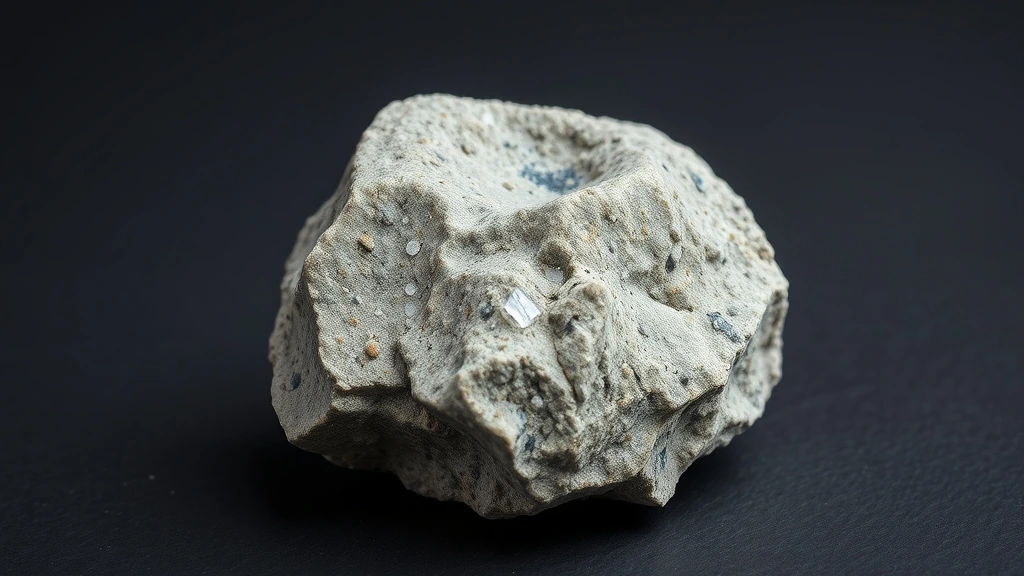
Pentlandite belongs to the natural mineral family of sulfide ores and is classified as a crystalline species rather than a rock or organic aggregate. It forms in cubic crystal systems, commonly occurring in massive, granular habits within magmatic sulfide deposits. As the primary nickel ore, its economic importance rivals that of its sister mineral, pyrrhotite, while its metallic luster occasionally attracts collectors seeking unconventional gemstones.
What is Pentlandite? Geological Overview & Definition
Pentlandite is the most abundant nickel‑bearing mineral in the Earth’s crust, typically found in mafic and ultramafic igneous complexes. It crystallizes as isometric grains, often intergrown with pyrrhotite and chalcopyrite, reflecting the high‑temperature sulfide saturation of its host magma.
The mineral’s occurrence is tightly linked to magmatic segregation processes, where dense sulfide liquids settle in magma chambers, cool, and solidify into massive sulfide lenses. These lenses are the primary sources of mined nickel, and the mineral’s distribution serves as a key exploration indicator for lateritic and magmatic nickel deposits.
Pentlandite Chemical Composition & Crystallographic Properties
Pentlandite’s ideal chemical formula FeNi₃S₄ represents a solid‑solution series where iron and nickel substitute for each other within the lattice. Minor amounts of cobalt, copper, or zinc may replace Ni, subtly altering its density and magnetic response without changing the overall cubic symmetry.
The crystal structure is cubic (isometric), belonging to the space group Fm‑3m, with a face‑centered arrangement of sulfide ions forming a tetrahedral framework. Nickel and iron occupy the octahedral sites, creating a robust lattice that remains stable up to about 1,200 °C, where it begins to decompose into nickel‑rich phases and pyrrhotite.
Pentlandite is acid‑sensitive; exposure to strong acids can leach iron and nickel, producing soluble sulfates and degrading the surface. This reactivity limits its use in jewelry unless protected by a durable coating or setting that isolates it from corrosive environments.
Color in pentlandite arises from chromophore centers associated with Ni²⁺ ions in the sulfide matrix, imparting its characteristic bronze‑gray to metallic sheen. Upon heating, the mineral may darken or develop a black tarnish as surface sulfides oxidize, a reversible change that underscores its thermally responsive nature.
| Property | Specification |
|---|---|
| Mineral Group | Natural Mineral / Crystal |
| Chemical Formula | FeNi₃S₄ |
| Mohs Hardness | 3.5–4 |
| Crystal System | Cubic (crystal system) |
| Specific Gravity (Density) | 4.6–5.0 |
| Refractive Index | 2.300 – 2.500 |
| Color & Optical Properties | Natural Pentlandite color spectrum and optical dispersion |
| Primary Mining Localities | Global primary localities |
| Water & Chemical Resistance | High (Safe for gentle water washing) |
| Chakra Alignment (Traditional) | Root Chakra |
| Zodiac Affinity (Traditional) | Capricorn, Virgo |
| Symbolic Meaning (Traditional) | Grounding, stability, and connection to the earth |
Pentlandite Varieties & Color Spectrum
Pentlandite exhibits a distinct metallic luster that ranges from brassy yellow to deep bronze, often darkening to black upon exposure to air. The mineral’s appearance is heavily influenced by its oxidation state, which creates a complex surface patina over time. Freshly broken surfaces reveal a bright, golden hue that contrasts sharply with the duller, tarnished exterior of older specimens.
Classic Brassy Pentlandite
This primary variety displays a vibrant brassy yellow coloration indicative of minimal surface oxidation. It typically forms in massive aggregates rather than distinct crystals, making individual habit identification difficult. The high refractive index of 2.300 to 2.500 contributes to its intense metallic sheen. This form is the most common in commercial mining operations.
Tarnished Black Pentlandite
Prolonged exposure to atmospheric moisture causes the surface to oxidize into a deep, iridescent black layer. This tarnish often reveals subtle purple or blue reflections under direct light, a phenomenon known as thin-film interference. Collectors prize these specimens for their mysterious, dark aesthetic and complex surface textures. The underlying metallic core remains intact beneath this protective oxide skin.
Nickel-Rich Anomalies
Certain deposits exhibit a slightly reddish or coppery tint due to elevated nickel content within the crystal lattice. These anomalies are rare and often associated with specific magmatic intrusions where nickel concentrations peaked. The color shift is subtle but distinguishable under magnification, indicating unique geochemical conditions during formation. Such specimens are highly sought after by mineralogists for their compositional rarity.
Sulfide Inclusion Varieties
Some pentlandite crystals contain visible inclusions of pyrite or chalcopyrite, creating a speckled or mottled visual pattern. These sulfide inclusions form during the final stages of crystallization when different mineral phases co-precipitate. The resulting texture adds significant visual complexity and distinguishes these specimens from pure pentlandite. This variety is frequently found in hydrothermal vein systems.
Massive Orebodies
In large-scale deposits, pentlandite occurs as massive orebodies that can extend for kilometers beneath the surface. These formations lack distinct crystal faces and appear as dense, metallic masses. The cubic crystal system is obscured by the sheer volume of interlocking grains. This form is primarily of economic interest rather than gemological display.
Where is Pentlandite Found? Geological Mining & Extraction
Pentlandite primarily occurs in magmatic sulfide deposits associated with ultramafic rocks such as peridotite and gabbro. These deposits form when nickel-rich magma differentiates and concentrates sulfide minerals in the lower crust. The mineral is rarely found in pegmatites, instead favoring high-temperature igneous environments. Its cubic crystal structure allows it to integrate seamlessly into these dense rock matrices.
Major extraction sites include the Sudbury Basin in Canada, the Norilsk district in Russia, and the Bushveld Complex in South Africa. These regions host some of the world’s largest nickel-copper sulfide reserves, driving global industrial demand. Mining operations typically involve open-pit or underground methods to access deep-seated orebodies. The extracted material is processed to recover nickel, copper, and cobalt, with pentlandite serving as the primary host mineral.
Historical Significance & Cultural Lore of Pentlandite
Ancient civilizations utilized pentlandite primarily as a source of nickel and copper, though the metal itself was not isolated until the eighteenth century. Archaeological evidence suggests that native nickel and its sulfide ores were alloyed with copper to create early white copper artifacts. These objects were valued for their distinctive silvery appearance and resistance to corrosion. The mineral’s metallic luster likely contributed to its early recognition as a valuable resource.
In modern esoteric traditions, pentlandite is associated with the Root Chakra, symbolizing stability and deep earth connection. Practitioners believe its dense, metallic energy promotes grounding and helps anchor the spirit to physical reality. This interpretation aligns with its geological origins in deep crustal formations. The mineral’s association with Capricorn and Virgo reflects its themes of discipline and practicality.
Modern Uses & Jewelry Applications of Pentlandite
Due to its Mohs hardness of 3.5–4, pentlandite is too soft for high-impact daily wear but suitable for low-stress jewelry pieces. Lapidaries typically cut this mineral into smooth, polished cabochons to maximize its metallic luster and iridescent surface play. Faceting is rarely performed because the stone lacks the necessary durability and optical clarity for brilliant light return.
- Cabochon Cutting: The primary method for showcasing the mineral’s refractive index range of 2.300 to 2.500.
- Ornamental Carving: Used in small, detailed carvings for collectors who appreciate its unique cubic crystal system structure.
- Lapidary Polishing: Requires gentle pressure to prevent chipping, as the stone is brittle and prone to fracturing.
Safety & Mineral Profile of Pentlandite
Pentlandite is a sulfide mineral with a chemical formula of FeNi₃S₄, meaning it contains iron and nickel sulfides. While generally stable in dry conditions, it can oxidize over time, developing a dark, tarnished surface. Handling is safe for most people, but individuals with metal sensitivities should monitor for skin reactions. This mineral is primarily valued for scientific study and specimen display rather than therapeutic applications.
Historical metaphysical lore sometimes associates pentlandite with grounding and stability, linking it to the Root Chakra. However, these claims lack empirical scientific backing and should be viewed with strict epistemic caution. The primary value of pentlandite lies in its geological significance and aesthetic rarity among sulfide minerals.
Mineralogical Group and Planetary Lore of Pentlandite
Pentlandite belongs to the sulfide mineral group, specifically forming isomorphous structures with other nickel-iron sulfides. Its cubic crystal system and high density of 4.6–5.0 distinguish it from many other opaque minerals. In traditional mineralogy, it is often associated with the planet Saturn due to its dark, earthy appearance and metallic sheen.
This planetary alignment reinforces its symbolic connection to Capricorn and Virgo, zodiac signs associated with earth elements and practical discipline. While modern gemology focuses on its physical properties, historical texts occasionally reference its stability and connection to the earth. These associations remain cultural rather than scientific, serving as a bridge between geological facts and traditional symbolism.
How to Identify Real vs. Fake Pentlandite
Artificial imitations of pentlandite are rare but possible, often involving dyed glass or synthetic sulfide compounds. Synthetic glass may mimic the luster but lacks the natural inclusions and specific weight of the real mineral. Dyed replicas might replicate the color but fail under close inspection of surface texture and internal structure.
Practical At-Home Authenticity Tests
- Temperature Test (Thermal Feel): Real pentlandite feels noticeably cool to the touch initially due to its high thermal conductivity, whereas glass or plastic imitations warm up quickly.
- Specific Gravity & Weight Test: With a density of 4.6–5.0, pentlandite feels significantly heavier than its size suggests, unlike lighter glass or plastic replicas.
- Scratch & Hardness Test (Mohs Comparison): Pentlandite has a Mohs hardness of 3.5–4, so it will scratch glass (hardness 5.5) but will be scratched by a steel knife (hardness 5.5).
- Microscopic & Loupe Inspection (Internal Inclusions): A 10x loupe reveals natural cubic crystal faces and sulfide inclusions, while synthetic glass often shows bubbles or swirls.
Pentlandite Valuation Factors, Grading & Pricing
Specimen aesthetic quality drives the bulk of market value. Collectors prize crystal habit perfection, where well‑formed cubic or octahedral faces display a metallic luster without surface tarnish. An undamaged matrix that showcases the mineral’s characteristic bronzy‑gold sheen further elevates price, especially when the specimen is free of scratches or oxidation.
Rarity and specimen dimensions are the next decisive criteria. Large, intact crystal clusters measured in centimeters and weighing several grams command premium prices, while smaller, fragmented pieces are priced modestly. The absence of handling damage—no chips, fractures, or surface abrasion—ensures that the specimen retains its scientific integrity and market appeal.
Mineralogical provenance and locality value often dictate the final price tier. Specimens sourced from classic deposits such as the Sudbury Basin (Canada) or the Bushveld Complex (South Africa) carry a provenance premium due to their historical significance and geological rarity. Museums and serious collectors are willing to pay substantially more for well‑documented, authenticated material from these renowned localities.
How to Clean and Care for Pentlandite
Cleaning should be gentle to preserve the mineral’s delicate metallic surface. Use warm soapy water and a soft cloth, carefully wiping the specimen to remove dust without applying excessive pressure. After cleaning, rinse briefly with clean lukewarm water, pat dry with a lint‑free microfiber cloth, and store in a stable, low‑humidity environment. Ultrasonic cleaners must be avoided, as the vibrations can cause micro‑fractures in the crystal lattice.
Cleansing and Recharging Pentlandite (Energetic Care)
For energetic maintenance, a brief session of herbal smudging with sage or cedar can clear residual negative energies without exposing the stone to moisture. Hold the specimen a few inches above the smudge plume, allowing the gentle smoke to pass over its surface for one to two minutes.
Moonlight exposure offers a subtle, non‑thermal method to rejuvenate the stone’s vibrational field; place the mineral on a clean surface outdoors or near a window during a clear night. Limit exposure to a single lunar cycle and avoid direct, intense sunlight, which could heat the specimen and risk lattice damage.
Frequently Asked Questions About Pentlandite
Is pentlandite safe to wear in the shower or while swimming?
Yes, pentlandite tolerates gentle water exposure. Its high water resistance allows brief contact with water, such as showering or swimming, but prolonged soaking should be avoided to prevent surface wear. Rinse with lukewarm water and pat dry to maintain its metallic luster.
How should I clean pentlandite jewelry at home?
Use warm, soapy water and a soft cloth, never an ultrasonic cleaner. Gently wipe the stone with a microfiber cloth after soaking it in mild soap solution, then rinse and dry. Ultrasonic vibrations can cause micro‑fractures in the cubic lattice, compromising durability.
Can pentlandite be set in everyday rings without risk of damage?
Yes, its Mohs hardness of 3.5–4 suits daily wear with care. While softer than many gemstones, the mineral’s cubic crystal system distributes stress evenly, reducing chipping. Protect the piece from hard impacts and store it separately from harder stones.
What zodiac signs are associated with pentlandite?
Capricorn and Virgo are the aligned zodiac signs. In astrological tradition, these earth signs resonate with pentlandite’s grounding energy, reinforcing stability and practical ambition. Wearers often report enhanced focus during professional endeavors.
Which chakra does pentlandite activate?
Pentlandite is linked to the Root Chakra. This energy center governs grounding, stability, and connection to the earth, helping the wearer feel secure and centered. Meditative practices with the stone can amplify these qualities.
Is pentlandite suitable for use in pendants or necklaces?
Yes, its density of 4.6–5.0 g/cm³ makes it ideal for pendants. The relatively high specific gravity gives the stone a pleasant weight, enhancing its tactile presence. Ensure the setting secures the stone to avoid loss during active wear.
Does pentlandite exhibit any notable optical properties?
Its refractive index ranges from 2.300 to 2.500, producing a bright metallic luster. This high index contributes to strong light reflection, giving the stone a mirror‑like appearance. The effect is most striking when the facet angles are well‑cut.
What are the primary considerations when storing pentlandite?
Store pentlandite separately in a soft pouch or lined compartment. Its moderate hardness makes it vulnerable to scratches from harder minerals, while its metallic surface can attract dust. Keeping it isolated preserves both its visual appeal and structural integrity.