
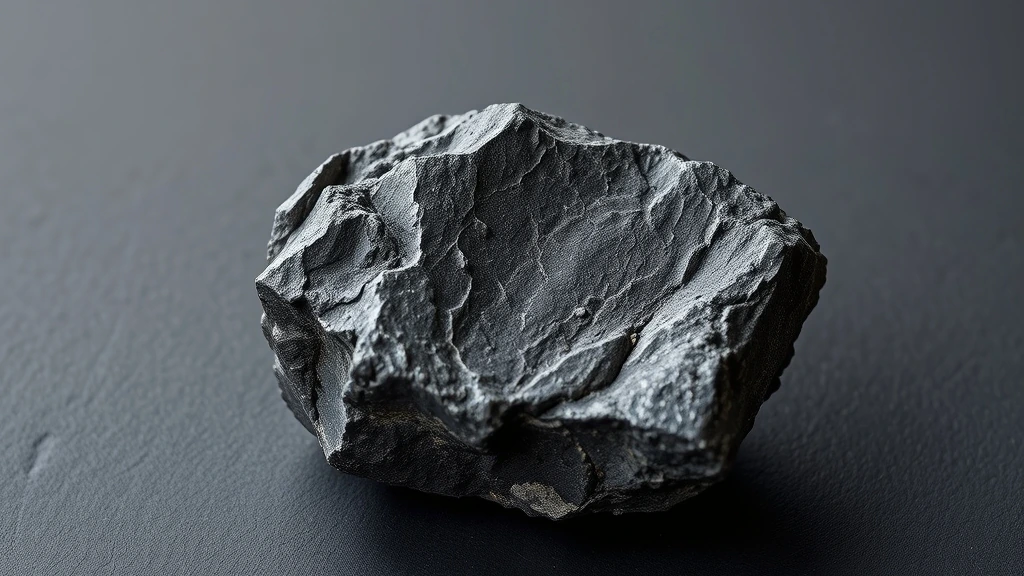
Gabbro belongs to the natural mineral/crystal category and is classified as an intrusive igneous rock formed from the slow crystallization of magma deep within the Earth’s crust. Its parent mineral group is essentially a cryptocrystalline aggregate of plagioclase feldspar, pyroxene, and minor olivine, giving the stone its characteristic speckled texture and dense feel.
What is Gabbro Gemstone? Geological Overview & Definition
Gabbro gemstone is the gem‑grade portion of the coarse‑grained mafic rock known to geologists as gabbro, a rapid‑cooling, fine‑grained basaltic equivalent that solidifies at depth. It is prized for its deep, grounding hues that range from charcoal gray to forest green, reflecting the mineral assemblage within.
In gemological circles, gabbro is valued for its stability and protective qualities, aligning with the Root Chakra and the earth signs Capricorn and Taurus. Its dense matrix resists scratching and chipping, while the subtle variations in color create a unique, natural aesthetic for collectors and designers alike.
Gabbro Gemstone Chemical Composition & Crystallographic Properties
The stone’s structure is amorphous/cryptocrystalline, meaning it lacks a long‑range ordered lattice and consists of microscopic intergrowths of plagioclase, clinopyroxene, and minor olivine. This micro‑crystalline fabric gives gabbro its characteristic toughness and contributes to its muted, earthy palette.
Cation substitution is common: calcium and sodium replace each other in the plagioclase series, while iron and magnesium interchange within the pyroxene framework. These substitutions influence the stone’s chromophore color centers, producing the deep greens and blacks that define gabbro’s appearance.
Gabbro is relatively acid‑sensitive; prolonged exposure to strong acids can leach calcium from the plagioclase, dulling its surface. However, routine cleaning with mild soap and water preserves its luster without compromising structural integrity.
Thermally, the cryptocrystalline matrix expands uniformly, allowing the gemstone to withstand moderate temperature fluctuations without cracking. When heated above 600 °C, the mineral phases may begin to recrystallize, gradually altering the stone’s visual characteristics.
| Property | Specification |
|---|---|
| Mineral Group | Natural Mineral / Crystal |
| Chemical Formula | Plagioclase feldspar, clinopyroxene, orthopyroxene |
| Mohs Hardness | 5.5 – 6.5 |
| Crystal System | Isometric, Monoclinic, Orthorhombic |
| Specific Gravity (Density) | 2.9 – 3.1 |
| Refractive Index | 1.53 – 1.66 |
| Color & Optical Properties | Natural Gabbro Gemstone color spectrum and optical dispersion |
| Primary Mining Localities | Global primary localities |
| Water & Chemical Resistance | High (Safe for gentle water washing) |
| Chakra Alignment (Traditional) | Root Chakra |
| Zodiac Affinity (Traditional) | Capricorn, Taurus |
| Symbolic Meaning (Traditional) | Grounding, stability, and protection |
Gabbro Gemstone Varieties & Color Spectrum
Black Gabbro (Obsidian‑like Gabbro)
Formed from rapid cooling of mafic magma, this variety exhibits a deep jet‑black body tone with occasional metallic specks of magnetite. Thin‑section studies reveal a fine‑grained intergrowth of plagioclase and pyroxene that creates a subtle chatoyancy when polished. It is mined chiefly in the Canadian Shield, where its scarcity and uniform darkness make it a collector’s favorite.
Green Gabbro (Olive‑Mica Gabbro)
The presence of chlorite and epidote imparts a distinctive olive‑green hue, often mottled with darker pyroxene crystals. This variety crystallizes in slow‑cooling intrusions within the Baltic Shield, where fluid‑rich metamorphism introduces trace amounts of chromium. Its translucent‑to‑opaque zones and occasional mica flakes give it a unique visual depth prized in high‑end lapidary work.
Blue‑Gray Gabbro (Labradorite‑Infused)
In regions of northern Scandinavia, tiny inclusions of labradorite produce a blue‑gray base color with iridescent flashes of labradorescence. The mineral assemblage includes augite and calcic plagioclase, creating a subtle play of light across the surface. Because the labradorite crystals are microscopic, the effect is only visible under angled illumination, adding to its rarity among gemstone traders.
Red‑Brown Gabbro (Ferruginous Gabbro)
Oxidation of iron‑rich pyroxenes yields a warm red‑brown coloration, often streaked with darker veins of magnetite. This variety originates from the Proterozoic gabbroic complexes of the Australian Pilbara Craton, where high‑temperature cooling preserves large, well‑formed crystals. The iron‑oxide inclusions give each stone a unique, earthy pattern that is highly sought after for ornamental carving.
White Gabbro (Leucocratic Gabbro)
A rare leucocratic form displays a near‑white background due to a high proportion of calcic plagioclase and minimal mafic minerals. Found in the Sierra Nevada batholith, the stone’s fine‑grained texture produces a smooth, marble‑like finish when cut. Its scarcity and subtle elegance make it a premium material for bespoke jewelry pieces.
Porphyritic Gabbro (Speckled Gabbro)
Characterized by large, well‑developed phenocrysts of plagioclase set in a fine‑grained matrix, this variety shows a speckled appearance ranging from dark gray to light green. The phenocrysts often contain tiny zoned crystals that record the magma’s cooling history. Porphyritic gabbro is primarily extracted from the Andes’ volcanic arcs, where tectonic uplift exposes the ore bodies near the surface.
Where is Gabbro Gemstone Found? Geological Mining & Extraction
Gabbro gemstones are typically hosted in medium‑ to coarse‑grained mafic intrusions that have undergone rapid cooling, producing the fine‑grained texture prized by lapidaries. These intrusions intersect pegmatitic veins rich in accessory minerals such as magnetite, epidote, and labradorite, which enhance the stone’s color palette and internal brilliance.
Major extraction zones include the Canadian Shield (Ontario and Quebec), the Baltic Shield (Finland and Sweden), the Pilbara Craton in Western Australia, and the Andean arc of Chile and Peru. In each region, open‑pit or underground mining techniques are employed to isolate the gabbroic bodies, followed by careful hand‑sorting to preserve the gemstone‑grade fragments.
Historical Significance & Cultural Lore of Gabbro Gemstone
Ancient Mesopotamian traders prized dark gabbro for its perceived protective qualities, incorporating polished slabs into temple foundations and royal seals. Archaeological digs in the Zagros Mountains have uncovered gabbro beads dating to 3000 BCE, suggesting early use as amulets for grounding and stability.
In Norse mythology, the deep‑black gabbro was associated with the Root Chakra, believed to anchor warriors’ spirits to the earth during battle. Medieval European alchemists recorded the stone’s ability to “bind the wandering soul,” a notion that persisted into modern esoteric practices, where gabbro remains a talisman for grounding, stability, and protection.
Modern Uses & Jewelry Applications of Gabbro Gemstone
Gabbro is primarily valued as a durable ornamental stone rather than a high-jewelry gem, owing to its coarse-grained texture and lack of transparency. Lapidaries typically cut these stones into cabochons or polished beads to showcase their distinct mineral inclusions and earthy color variations. Its exceptional hardness makes it ideal for architectural elements, such as countertops and flooring, where structural integrity is paramount.
- Cabochon Cutting: Smooth, domed surfaces highlight the stone’s natural patterns without requiring faceting.
- Ornamental Carving: Skilled artisans use gabbro for statues and decorative objects due to its resistance to weathering.
- Bead Jewelry: Polished spheres are commonly strung into bracelets and necklaces for a rustic aesthetic.
Metaphysical Uses & Origins of Gabbro
According to historical traditions and metaphysical lore, gabbro is revered as a powerful stone of grounding and stability. Practitioners believe it anchors the wearer’s energy to the earth, fostering a sense of security during turbulent times. This deep connection to the planet’s core is thought to enhance physical vitality and emotional resilience.
The stone’s dark, dense appearance symbolizes protection and strength, acting as a shield against negative influences. Many users report feeling a profound sense of calm and centeredness when holding gabbro. It is often recommended for individuals seeking to establish firm boundaries and maintain emotional stability in challenging environments.
Which Chakra and Zodiac Signs Align with Gabbro Gemstone?
In metaphysical practice, gabbro is strongly associated with the Root Chakra, located at the base of the spine. This alignment supports feelings of safety, survival, and physical well-being. By stimulating this energy center, the stone helps individuals feel more connected to their physical bodies and the natural world.
Astrologically, gabbro resonates most deeply with the earth signs of Capricorn and Taurus. These zodiac signs share the stone’s inherent qualities of patience, reliability, and practical ambition. Wearing gabbro is believed to amplify these traits, encouraging disciplined progress and tangible achievements in life.
How to Identify Real vs. Fake Gabbro Gemstone
While natural gabbro is abundant, counterfeiters may substitute it with synthetic glass or dyed lower-grade stones to mimic its appearance. Synthetic glass lacks the natural mineral inclusions and specific weight of genuine gabbro. Additionally, dyed replicas may show color bleeding in surface fractures, which is a clear indicator of artificial enhancement.
Practical At-Home Authenticity Tests
- Temperature Test (Thermal Feel): Genuine gabbro feels noticeably cool to the touch initially and warms up slowly. Synthetic glass or plastic imitations tend to warm up much faster when held in the hand.
- Specific Gravity & Weight Test: Gabbro is a dense mafic rock, so it feels significantly heavier than its size suggests. If the stone feels surprisingly light compared to a similar-sized rock, it may be a lightweight imitation.
- Scratch & Hardness Test (Mohs Comparison): Gabbro contains minerals like pyroxene and plagioclase feldspar, which can scratch glass. If a sharp point of the stone easily scratches a glass plate, it is likely genuine gabbro.
- Microscopic & Loupe Inspection (Internal Inclusions): Under a 10x loupe, real gabbro displays a coarse-grained, interlocking crystal structure. Look for visible mineral grains and natural fractures, which are absent in uniform synthetic glass.
Gabbro Gemstone Valuation Factors, Grading & Pricing
Market value hinges primarily on Color Saturation and the uniformity of the stone’s dark green to black tones. High-grade specimens exhibit a consistent, deep hue without significant color zoning or patchy discoloration. Additionally, a smooth, polished surface with high optical luster significantly enhances the visual appeal and perceived quality of the gem.
The Carat Weight of gabbro is less critical than its structural integrity and facet symmetry. Since gabbro is an opaque rock, clarity is defined by the absence of large, distracting inclusions or matrix patterns. Buyers prefer stones with balanced proportions that allow for a stable, symmetrical cut, ensuring the piece sits securely in jewelry settings.
Geographical Provenance Premium can influence pricing, with stones from renowned mining regions often commanding higher wholesale rates. Retail market trends show steady demand for gabbro as an affordable, durable alternative to precious stones. Consequently, well-cut pieces from established sources typically maintain stable value in the metaphysical and fashion jewelry sectors.
How to Clean and Care for Gabbro Gemstone
To maintain the integrity of your gabbro, always use warm soapy water and a soft, lint-free cloth for gentle cleaning. This method effectively removes oils and dirt without damaging the stone’s surface or internal structure. Ensure the stone is thoroughly dried with a soft towel after washing to prevent water spots.
It is crucial to avoid ultrasonic cleaners when handling gabbro, as the high-frequency vibrations can cause structural fractures. Gabbro is a coarse-grained igneous rock that may contain micro-fractures susceptible to stress from ultrasonic waves. Stick to manual, gentle cleaning methods to preserve the stone’s longevity and structural stability.
Cleansing and Recharging Gabbro Gemstone (Energetic Care)
For energetic cleansing, use smoke smudging with sage or palo santo to clear stagnant energies without exposing the stone to moisture. This dry method respects the mineral’s physical structure while aligning with its grounding properties. Hold the stone in the smoke for a few minutes to complete the purification process.
To recharge the stone’s energy, place it on a selenite plate or under moonlight overnight. Selenite is a soft, non-reactive mineral that complements gabbro’s earthy vibration without causing physical damage. This dry recharging technique ensures the stone remains energetically balanced and structurally safe.
Frequently Asked Questions About Gabbro Gemstone
Is gabbro safe to wear in the shower?
Yes, gabbro is safe for gentle water exposure. Its dense, interlocking crystal structure provides high water resistance, making it durable for daily wear. However, avoid harsh soaps that may leave residue in the stone’s micro-pores. Regular rinsing keeps the surface clear and maintains its natural luster.
Can I put gabbro in an ultrasonic cleaner?
No, you should avoid ultrasonic cleaners for gabbro. The intense vibrations can cause structural fractures within the fine-grained matrix. Instead, use warm soapy water and a soft cloth for gentle cleaning. This method preserves the stone’s integrity without risking internal damage or surface etching.
Which zodiac signs are compatible with gabbro?
Gabbro is traditionally aligned with Capricorn and Taurus. These earth signs resonate with the stone’s grounding energy and stability. Wearing gabbro may help enhance their natural traits of reliability and practicality. It serves as a powerful talisman for those seeking balance in material and spiritual matters.
What chakra does gabbro correspond to?
Gabbro is primarily associated with the Root Chakra. This connection supports feelings of security and physical stability. The stone’s heavy, dark appearance mirrors the earthy nature of this energy center. It helps anchor the user to the present moment, fostering a sense of safety and well-being.
What is the chemical composition of gabbro?
Gabbro is an igneous rock composed mainly of pyroxene and plagioclase feldspar. Unlike pure gemstones, it is a mineral aggregate rather than a single crystal species. Its composition varies slightly based on cooling rates, but it consistently features dark, silicate minerals. This complex mixture gives it a distinctive speckled appearance and high density.
How should I store my gabbro jewelry?
Store gabbro in a soft pouch or lined jewelry box. While durable, its fine-grained texture can be scratched by harder gemstones like quartz or diamonds. Keep it separate from other jewelry to prevent surface abrasion. A dry environment is ideal, though occasional gentle washing is perfectly safe for maintenance.
Is gabbro a good stone for beginners?
Yes, gabbro is an excellent choice for new collectors. Its high durability means it withstands daily wear without chipping easily. It is affordable and widely available, making it accessible for those exploring metaphysical practices. Beginners appreciate its strong grounding properties and low-maintenance cleaning requirements for regular use.
Does gabbro have any special metaphysical properties?
Gabbro is known for promoting stability and protection. It acts as a shielding stone against negative environmental energies. Users often report feeling more centered and less anxious when wearing it. This makes it a popular choice for meditation and daily grounding practices in various spiritual traditions.