
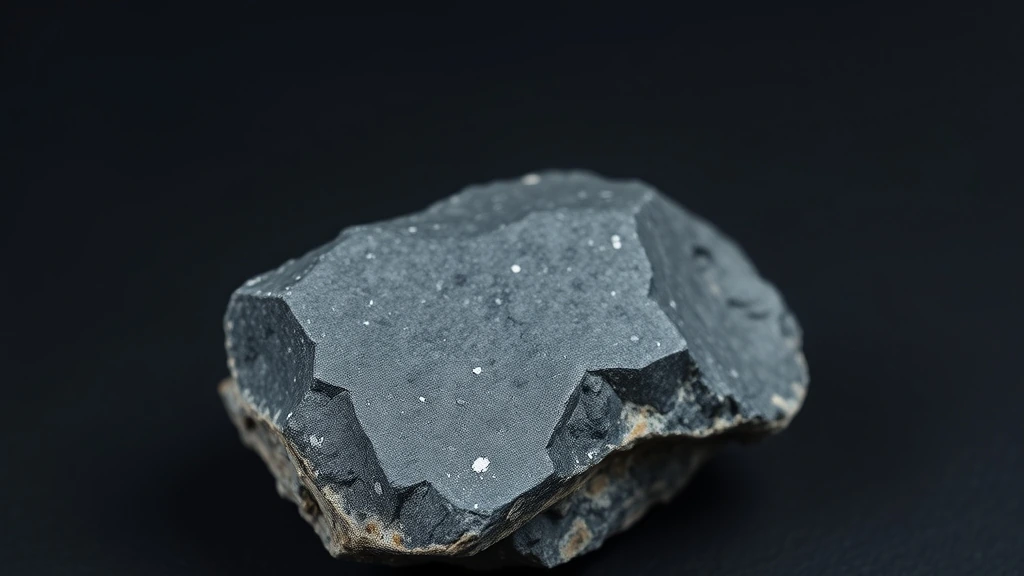
Phenacite belongs to the broad category of natural minerals, specifically classified as a beryllium silicate within the orthosilicate group. Unlike its more common relative beryl, phenacite forms through unique high-temperature metamorphic processes. Its crystalline structure distinguishes it from other beryllium-bearing species, offering gemologists a distinct mineralogical identity. This classification underscores its rarity in global gemstone markets and geological formations.
What is Phenacite? Geological Overview & Definition
Phenacite occurs primarily in metamorphic rocks, such as schists and gneisses, where beryllium-rich fluids interact with silica. It is frequently associated with other rare minerals like topaz and tourmaline in specific geological settings. This formation environment explains its limited global distribution and high value among collectors.
The mineral is named after the Greek word *phainesthai*, meaning “to appear,” reflecting its glassy luster and clarity. Unlike beryl, which is hexagonal, phenacite exhibits a trigonal crystal habit that is easily identifiable under magnification. This distinction is critical for accurate identification in gemological laboratories. In comparative mineralogical collections, practitioners and geologists frequently study Purple Scapolite Marialite alongside this crystal to appreciate their subtle energetic and structural differences.
Phenacite Chemical Composition & Crystallographic Properties
Phenacite crystallizes in the trigonal crystal system, forming elongated prismatic crystals with a distinct rhombohedral termination. Its lattice structure is defined by isolated SiO₄ tetrahedra linked by beryllium cations, creating a robust three-dimensional framework. This specific arrangement contributes to its high refractive index and exceptional optical clarity. In comparative mineralogical collections, practitioners and geologists frequently study Purple Jade alongside this crystal to appreciate their subtle energetic and structural differences.
The primary chemical composition is Be₂SiO₄, with minimal cation substitution occurring in natural specimens. Unlike many gemstones, phenacite lacks significant chromophore impurities, resulting in its characteristic colorless to pale yellow appearance. Trace elements may influence subtle color variations, but the pure form remains optically neutral.
Phenacite demonstrates high stability against acid sensitivity, resisting dissolution in standard laboratory reagents. Its thermal behavior is stable under normal heating conditions, though extreme temperatures may induce structural changes. This durability supports its use in fine jewelry without significant risk of degradation.
| Property | Specification |
|---|---|
| Mineral Group | Natural Mineral / Crystal |
| Chemical Formula | Be₂ SiO₄ |
| Mohs Hardness | 7.5–8 |
| Crystal System | Trigonal |
| Specific Gravity (Density) | 2.93–3.00 |
| Refractive Index | n ω = 1.650 – 1.656 n ε = 1.667 – 1.670 |
| Color & Optical Properties | Natural Phenacite color spectrum and optical dispersion |
| Primary Mining Localities | Global primary localities |
| Water & Chemical Resistance | High (Safe for gentle water washing) |
| Chakra Alignment (Traditional) | Sacral Chakra (Svadhishthana) |
| Zodiac Affinity (Traditional) | Aquarius, Gemini |
| Symbolic Meaning (Traditional) | Clear communication, truth and serenity |
Phenacite Varieties & Color Spectrum
Phenacite displays distinct mineralogical characteristics across its geological varieties and structural habits. Gemologists evaluate these natural varieties based on crystal habit, trace chromophore concentrations, and visual luster.
Primary Natural Phenacite
The benchmark natural variety exhibiting diagnostic color saturation and classic crystallographic symmetry.
Distinct Geological Morphs of Phenacite
Secondary regional and structural varieties formed under localized geological temperature and pressure conditions.
Colorless (Leucite) Phenacite
Formed in high‑temperature granitic pegmatites, colorless phenacite exhibits a brilliant, glassy luster that rivals diamond. Minute inclusions of quartz and feldspar create subtle internal reflections, enhancing its fire. This variety is the most prized for its rarity and is primarily sourced from Brazil’s Minas Gerais region.
Yellow‑Brown Phenacite
The yellow‑brown hue develops when trace amounts of iron substitute into the beryllium lattice during crystallization. Typically found in the pegmatites of Madagascar, the stones display a warm, honey‑like glow under daylight. Their moderate transparency and distinctive pleochroism make them popular among collectors seeking a softer palette.
Pink Phenacite
Pink phenacite owes its coloration to manganese impurities incorporated during growth in the late stages of pegmatite evolution. Notable deposits occur in the Ural Mountains of Russia, where the crystals often exhibit well‑developed trigonal prisms. The delicate pink shade, combined with a high refractive index, renders this variety exceptionally scarce and valuable.
Green Phenacite
Rare green phenacite forms in fluorine‑rich environments, where trace chromium imparts a vivid emerald tint. The most significant occurrences are in the Zambian Copperbelt, where crystals are frequently intergrown with beryl and tourmaline. Its striking color and limited supply have made it a coveted specimen for high‑end jewelry.
Blue Phenacite (Trade Name “Blue Star”)
Blue phenacite, marketed as “Blue Star,” acquires its hue from radiation‑induced color centers created by natural neutron exposure. Found chiefly in the United States’ Colorado pegmatites, the stones display a deep sapphire‑like saturation that intensifies after heat treatment. The rarity of naturally blue phenacite drives its premium market price.
Rare Orange Phenacite (Manganese‑Rich)
Orange phenacite emerges when elevated concentrations of manganese and titanium generate a vivid sunset shade. This variety is limited to a few isolated pockets in the Siberian Plateau, where complex zoning within the host pegmatite yields striking color gradients. Its scarcity and vivid hue make it a highlight in museum collections.
Where is Phenacite Found? Geological Mining & Extraction
Phenacite crystallizes in the late‑stage fluids of granite‑derived pegmatites, where beryllium, silica, and alkaline elements concentrate. The mineral typically occurs as well‑formed trigonal prisms embedded in quartz‑rich matrices, often accompanied by topaz, beryl, and spodumene, indicating a high‑temperature, low‑pressure environment.
The most productive deposits are located in Brazil (Minas Gerais), Madagascar (Ilakaka), Russia’s Urals, Zambia’s Copperbelt, and the United States (Colorado). Modern extraction employs selective hand‑sorting and low‑impact crushing to preserve crystal integrity, followed by flotation and heavy‑media separation to isolate phenacite from associated gangue minerals.
Historical Significance & Cultural Lore of Phenacite
Across ancient lapidary traditions, phenacite was prized for its exceptional brilliance, leading Greco‑Roman artisans to set it in elite signet rings as a symbol of clarity and authority. Egyptian tomb inventories from the New Kingdom list “transparent stones” that scholars now identify as phenacite, used in amulets intended to protect the wearer from deceit.
In Vedic astrology, phenacite aligns with the Sacral Chakra (Svadhishthana), promoting clear communication and inner serenity, while Chinese alchemists revered it as a “star of truth,” incorporating it into ritual talismans for scholars seeking intellectual purity. Throughout these cultures, the gemstone’s rarity and luminous quality cemented its reputation as a conduit for truth and spiritual balance.
Modern Uses & Jewelry Applications of Phenacite
Phenacite is prized by lapidaries for its exceptional clarity and high refractive index, which produces a brilliant, diamond-like sparkle in faceted cuts. Because the mineral is relatively rare and often found in small crystals, high-quality specimens are typically fashioned into faceted gems for rings, pendants, and earrings rather than large ornamental carvings. Its durability makes it suitable for everyday jewelry, though collectors often prefer it in bezel settings to protect the crystal edges.
- Faceted Cuts: Standard round, oval, and emerald cuts maximize the stone’s dispersion and optical brilliance.
- Cabochon Polishing: Rarely used, but applied to specimens with unique internal inclusions or unusual crystal habits.
- Collector’s Pieces: Unmounted crystals are highly valued by mineral collectors for their trigonal prismatic form.
Metaphysical Properties & Traditional Meaning of Phenacite
According to historical traditions and metaphysical lore, phenacite is revered as a stone of clear communication and intellectual clarity. Ancient Mediterranean and Vedic lapidary texts often associated beryl-group minerals with mental sharpness and the ability to discern truth from illusion. Practitioners believe that wearing phenacite helps dissolve emotional blockages, fostering a state of serenity and balanced expression.
In spiritual contexts, this gemstone is thought to enhance intuitive perception while grounding the wearer’s energy. It is frequently recommended for individuals seeking to improve interpersonal relationships and articulate their thoughts with precision. The stone’s subtle energy is said to promote emotional resilience, allowing the wearer to navigate complex social dynamics with grace.
Which Chakra and Zodiac Signs Align with Phenacite?
Phenacite is canonically aligned with the Sacral Chakra (Svadhishthana), the energy center associated with creativity, emotion, and personal will. This alignment supports the stone’s reputation for enhancing emotional flow and creative expression. By balancing this chakra, phenacite is believed to help individuals connect with their deeper desires and express them authentically.
In astrological correspondences, phenacite is specifically linked to the air signs Aquarius and Gemini. These signs value intellectual freedom, social connection, and innovative thinking, qualities that resonate with the stone’s energetic profile. Wearing phenacite is thought to amplify the communicative gifts of these zodiac signs, promoting clarity in thought and speech.
How to Identify Real vs. Fake Phenacite
Artificial imitations of phenacite are less common than for more popular gems, but synthetic glass and dyed quartz can still be presented as substitutes. Synthetic glass often lacks the natural inclusions found in genuine phenacite and may exhibit conchoidal fracture patterns. Dyed replicas, such as treated quartz, may show color concentration along crystal fractures, which is absent in natural, colorless phenacite.
Practical At-Home Authenticity Tests
- Temperature Test (Thermal Feel): Genuine phenacite feels cool to the touch initially due to its thermal conductivity, whereas plastic imitations warm up quickly.
- Specific Gravity & Weight Test: With a density of 2.93–3.00, phenacite feels heavier than glass (approx. 2.5) but lighter than many other beryl varieties.
- Scratch & Hardness Test (Mohs Comparison): Phenacite rates 7.5–8 on the Mohs scale, meaning it can scratch quartz (7) but will not be scratched by it.
- Microscopic & Loupe Inspection (Internal Inclusions): Use a 10x loupe to look for natural inclusions like fluid-filled cavities or mineral trails; glass is usually flawless or contains gas bubbles.
Phenacite Valuation Factors, Grading & Pricing
Market value is primarily driven by Color Saturation and the stone’s inherent visual vibrancy. High-grade specimens exhibit a deep, uniform hue that enhances their natural energetic luster. Collectors prize stones with minimal internal cloudiness, as clarity allows light to penetrate the crystal structure effectively. This optical purity significantly elevates the gem’s aesthetic appeal in both raw and polished forms.
Pricing is determined by Crystal Size & Weight (Grams) rather than traditional faceting metrics. Large, intact crystals command higher premiums due to the rarity of finding substantial, unfractured specimens. Tumbled polish quality also influences cost, with smooth, high-gloss finishes valued over rougher surfaces. Natural matrix inclusions can add unique character, though heavy inclusions may reduce the overall market value of the piece.
Ethical Sourcing & Locality Premium plays a critical role in the holistic and collector markets. Buyers increasingly seek provenance documentation that guarantees responsible extraction practices from mines. Specific localities, such as those in the United States or Australia, often carry a price premium due to historical significance. Transparent supply chains ensure that the mineral’s acquisition aligns with modern ethical standards and environmental stewardship.
How to Clean and Care for Phenacite
Phenacite is durable enough to withstand gentle water exposure, making it safe for basic household cleaning. Use warm soapy water and a soft cloth to remove surface dust and oils effectively. The mineral’s high hardness rating protects it from minor abrasions during this gentle washing process. Always dry the stone thoroughly with a lint-free towel to prevent water spots.
It is crucial to avoid ultrasonic cleaners when maintaining phenacite specimens. The high-frequency vibrations can induce structural fractures within the crystal lattice, causing permanent damage. Instead, rely on manual cleaning methods that preserve the integrity of the stone’s internal structure. This precaution ensures the gem retains its optical clarity and physical stability over time.
Cleansing and Recharging Phenacite (Energetic Care)
Holistic practitioners often use dry methods to cleanse phenacite, such as herbal smudging with sage or palo santo. This technique clears perceived energetic stagnation without exposing the stone to moisture or heat. The aromatic smoke is believed to purify the crystal’s vibrational field safely. This method respects the mineral’s physical properties while addressing metaphysical maintenance needs.
For recharging, resting the stone on a selenite charging slab or exposing it to gentle moonlight is recommended. These dry techniques allow the crystal to absorb ambient energy without risking thermal shock or lattice degradation. Avoid direct intense sunlight, which can cause uneven heating and potential stress fractures. This approach maintains the stone’s energetic balance while ensuring its physical longevity.
Frequently Asked Questions About Phenacite
Phenacite displays distinct mineralogical characteristics across its geological varieties and structural habits. Gemologists evaluate these natural varieties based on crystal habit, trace chromophore concentrations, and visual luster.
Primary Natural Phenacite
The benchmark natural variety exhibiting diagnostic color saturation and classic crystallographic symmetry.
Distinct Geological Morphs of Phenacite
Secondary regional and structural varieties formed under localized geological temperature and pressure conditions.
Is phenacite safe to wear in the shower or while swimming?
Yes, phenacite tolerates gentle water exposure. Its crystal lattice is resistant to moisture, so brief contact with water—such as a shower rinse or swimming—won’t damage the stone. Nonetheless, prolonged soaking or harsh detergents should be avoided to preserve its refractive brilliance and prevent surface wear.
How should I clean phenacite jewelry at home?
Clean phenacite with warm soapy water and a soft cloth. Gently soak the piece for a few minutes, then wipe with a lint‑free microfiber cloth to remove residues. This method safeguards the stone’s trigonal crystal faces while avoiding abrasive scratches that could dull its high refractive index.
Can I use an ultrasonic cleaner on phenacite?
No, ultrasonic cleaning is not recommended for phenacite. The high‑frequency vibrations can create micro‑fractures within its Be₂SiO₄ lattice, especially in stones with internal inclusions. Stick to manual cleaning to maintain structural integrity and the stone’s optical clarity.
What is the hardness of phenacite on the Mohs scale?
Phenacite rates 7.5–8 on the Mohs hardness scale. This places it above quartz and makes it suitable for most jewelry settings, yet it remains softer than corundum or diamond. Handle it with care to avoid scratches from harder materials like topaz or sapphire.
Which zodiac signs are associated with phenacite?
Aquarius and Gemini are the zodiac signs linked to phenacite. In astrological tradition, the stone is believed to amplify the airy, communicative qualities of these signs, fostering clear expression and mental agility for those born under these constellations.
Which chakra does phenacite resonate with?
Phenacite aligns with the Sacral Chakra (Svadhishthana). This energy center governs creativity, pleasure, and emotional flow, and the stone’s tranquil blue‑violet hue is thought to stimulate balanced serenity and truthful communication within that chakra.
Does phenacite exhibit any notable optical properties?
Phenacite displays a high refractive index (nω = 1.650–1.656, nε = 1.667–1.670) and strong birefringence. These characteristics give the gem its striking fire and brilliance, often rivaling that of diamond, and make it a prized specimen for cutting and faceting in fine jewelry.
Is phenacite a common in the market?
Phenacite is relatively rare and valued for its scarcity. High‑quality crystals are limited to a few mining locales, which drives up price and desirability among collectors. Its rarity, combined with a density of 2.93–3.00 g/cm³, makes it a distinguished addition to any gem collection.